
.png?width=48&height=48&name=Group%201%20(3).png)
























11 March, 2026

Creating an Effective Autism Sleep Schedule for Kids
Key Highlights
- Up to 80% of children with autism spectrum disorder experience significant sleep problems that affect their quality of life.
- Common sleep issues include difficulty falling asleep, waking up frequently during the night, and waking very early.
- Creating a consistent sleep schedule and a calming bedtime routine can greatly improve your child's sleep.
- Sensory sensitivities to light, sound, and touch often contribute to sleep difficulties in autistic children.
- A personalized approach, considering your child's unique needs, is key to improving sleep quality.
- If sleep problems persist, consulting a healthcare professional or a sleep specialist is recommended.
Introduction
Getting a good night's sleep is essential for every child's development, learning, and overall well-being. However, for many children on the autism spectrum, sleep doesn't come easily. These sleep difficulties can affect not just the child's mood and daily functioning but the entire family's quality of life. If you're a parent struggling with your child's sleep, know that you're not alone. Understanding the challenges and implementing effective strategies can make a world of difference for everyone. There are several resources available to help parents support their autistic child's sleep schedule, including guidance from pediatricians familiar with autism, occupational therapists who specialize in sensory needs, online support groups, and reputable websites such as the Autism Speaks Sleep Toolkit. Additionally, sleep specialists and community organizations often offer tailored advice and tools to create a more consistent and restful bedtime routine.
Understanding Sleep Challenges in Children with Autism
Children with autism spectrum disorder are particularly prone to sleep disturbances. These sleep difficulties can show up in many ways, from resisting bedtime to waking up multiple times throughout the night. The impact of these sleep problems can be significant, affecting their behavior, ability to learn, and emotional regulation during the day.
Identifying the root causes of these issues is the first step toward finding a solution. The reasons can range from biological factors, like hormone irregularities, to environmental and behavioral challenges. By exploring these potential causes, you can better tailor strategies to help your child get the rest they need.
Common Sleep Problems Faced by Autistic Kids
Many parents of autistic children report sleep disturbances that affect the whole family. These issues often persist without effective intervention. Recognizing common sleep problems can help you identify what your child is experiencing.
Common challenges include:
- Difficulty Settling Down: Children may struggle to wind down, stay up late, wake very early, or miss social cues for bedtime.
- Night Waking: Many autistic kids wake during the night and have trouble returning to sleep, sometimes getting up to play and disturbing others.
- Co-occurring Conditions: Disorders like ADHD, epilepsy, or sleep apnea can worsen sleep issues.
Anxiety also plays a major role. Concerns about social situations or changes in routine can make it hard for children to relax and fall asleep. These sleep problems impact daytime functioning and family well-being.
Why Do Sleep Difficulties Occur in Autism?
Sleep problems are common in children with autism spectrum disorder due to several factors. Biological differences, such as irregular melatonin levels, can disrupt sleep-wake cycles. Sensory sensitivities also play a role—children may be disturbed by small things like light from a clock, appliance noises, or clothing tags. Blue light from screens can further interfere with sleep.
Additionally, anxiety and difficulty understanding social cues can make it harder for autistic children to recognize bedtime routines or quiet their minds at night, leading to ongoing sleep issues.
The Importance of a Structured Sleep Schedule
A structured sleep schedule is one of the most powerful tools you have to improve your child's sleep. Establishing consistent bedtimes and wake times helps regulate their internal body clock, making it easier for them to fall asleep and wake up naturally. This consistency is a cornerstone of good sleep hygiene.
For children with autism, predictability and routine are often very comforting. A regular schedule removes the guesswork and anxiety around bedtime. By creating consistent sleep habits, you provide a clear and calming structure that signals to your child’s brain and body that it's time to wind down and rest.
Benefits of Consistent Bedtimes and Wake Times
The best way to establish a consistent sleep schedule is to keep the same bedtime and wake-up time every day, including weekends. This regularity helps regulate your child’s circadian rhythms—the internal clock that controls sleepiness and alertness—leading to better sleep quality.
Consistency also provides security and predictability, reducing bedtime anxiety for many autistic children. Knowing what to expect each night helps them transition smoothly from being awake to asleep, with less resistance at bedtime and more peaceful evenings.
Over time, these habits can help your child fall asleep faster, wake up less during the night, and feel more rested during the day. Key benefits include:
|
Benefit |
How It Helps Your Child |
|---|---|
|
Regulates Circadian Rhythms |
Stabilizes the natural sleep-wake cycle for easier bedtime. |
|
Reduces Anxiety |
Creates a predictable routine that minimizes stress around sleep. |
|
Improves Sleep Quality |
Promotes deeper, more restorative sleep with fewer awakenings. |
|
Enhances Daytime Functioning |
Supports better mood, focus, and behavior during the day. |
How Early Should You Start a Sleep Routine?
It’s never too early to build healthy sleep habits. Start a simple sleep routine with infants—it becomes essential for young children. Introducing a consistent schedule early helps your child adapt and benefit as they grow.
For toddlers and preschoolers, a predictable routine eases the transition from day to night and lays the foundation for lifelong good sleep. If you haven’t started yet, it’s not too late; begin now and stay consistent.
Make the sleep routine a natural part of your child’s day. Children with autism especially benefit from predictability, which can prevent future sleep issues. Begin with simple, calming steps and gradually expand the routine.
Building a Personalized Sleep Routine for Your Child
Every child is unique, so a one-size-fits-all approach to your child’s bedtime routine won't work. Building a personalized routine that caters to your child's specific needs and preferences is essential for improving their sleep habits. This might involve some trial and error to figure out what helps them relax the most.
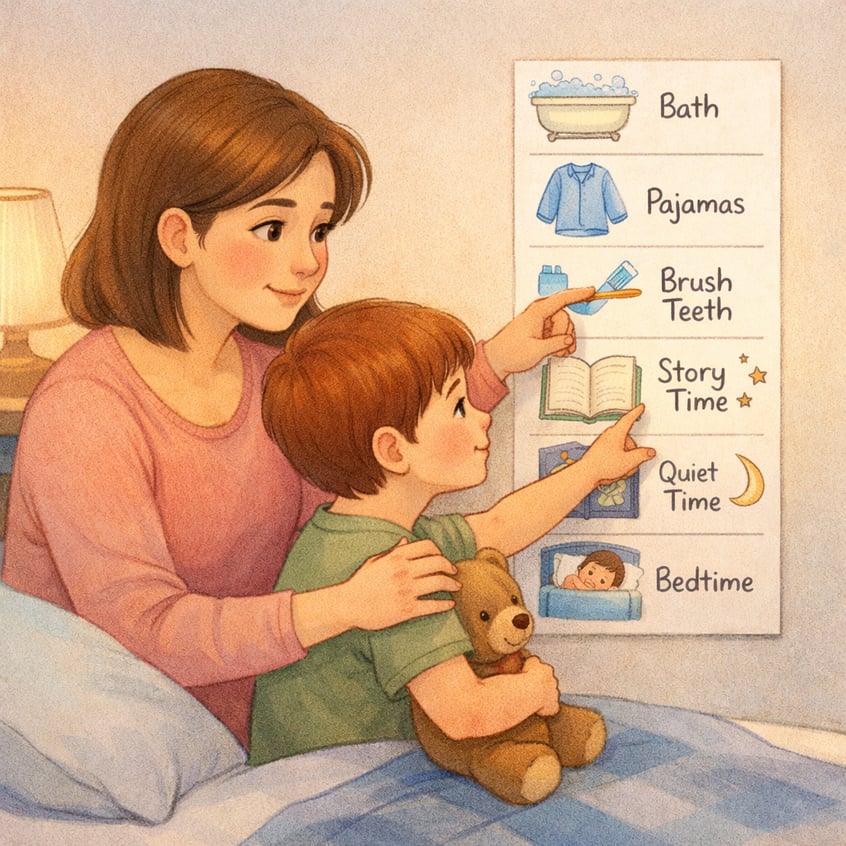
To start, consider keeping a sleep diary to track patterns and identify potential triggers for poor sleep quality. You can also use visual aids, like a picture schedule, to help your child understand the steps of the routine. This personalization empowers your child and makes bedtime a more positive experience.
Selecting the Best Bedtime Activities
Choosing the right bedtime activities helps your child wind down and signals that sleep is near. A good routine should be predictable and calming.
First, remove activities that disrupt sleep. Limit screen time at least one hour before bed, as blue light from electronics can interfere with sleep. Also, avoid energetic play close to bedtime; exercise is important but should happen earlier in the day.
Instead, focus on relaxing activities your child enjoys, such as:
- A Warm Bath: Helps naturally promote sleepiness.
- Reading a Book: Calms your child and creates bonding time.
- Listening to Music: Soft music or audiobooks soothe the mind.
- Gentle Stretching: Light stretches or yoga release tension.
Calming Wind-Down Strategies for Evenings
There are several effective strategies to manage sleep problems in anxious children. Relaxation techniques before bed can help calm their mind and body, making it easier to fall asleep.
Teach your child deep breathing by guiding them to take slow breaths in through the nose and out through the mouth. Progressive muscle relaxation—tightening and relaxing each muscle group—can also help. Creating a "worry box" lets children write or draw their worries and set them aside for the night.
Visual supports are helpful for kids who need clear expectations. Social stories can outline the bedtime routine step-by-step and offer reassurance. Visual schedules with pictures show what happens next, reducing anxiety and encouraging independence.
Optimizing the Sleep Environment for Autistic Children
Creating a comfortable sleeping environment is just as important as the bedtime routine itself, especially for children with sensory sensitivities. The child’s bedroom should be a calm, safe, and relaxing space dedicated to sleep. Optimizing this environment can significantly reduce sleep disruptions and improve sleep quality.
Think of the bedroom from your child's perspective. What might be distracting or uncomfortable for them? Addressing sensory triggers related to light, sound, touch, and even smell can transform the room from a source of stress into a peaceful sanctuary. A well-designed sleep space helps reinforce the idea that the bedroom is for resting.
Sensory Considerations: Light, Sound, and Temperature
Absolutely. Changing the sleep environment can make a big difference for autistic kids. Many have strong sensory sensitivities, so small things—like light or noise—can disrupt their sleep. Addressing these makes restful sleep more likely.
Common issues include bright lights, household noises, and uncomfortable room temperatures. Even minimal light or distant sounds can be disruptive. A dark, quiet, slightly cool room is ideal.
Tips to manage sensory input in the bedroom:
- Block Light: Use blackout curtains and cover electronics with lights.
- Reduce Noise: Close doors, add thick rugs, or use a white noise machine.
- Control Temperature: Keep the room slightly cooler than the rest of the house.
- Minimize Smells: Use unscented products. If trying calming scents like lavender, introduce them slowly.
Choosing Bedding and Sleepwear for Comfort
Fabrics can cause sensory discomfort for many autistic children, affecting their sleep. Choosing the right bedding and sleepwear is essential. What feels soft to you may feel scratchy or irritating to them, so always consider your child’s preferences.
Stick with fabrics your child already likes and let them touch materials before buying. Remove tags or labels, as these often cause irritation. The goal is to eliminate any physical discomfort that could disrupt sleep.
Some children find deep pressure calming, making weighted blankets helpful for bedtime. While research shows they may not increase total sleep time, many parents say weighted blankets help their child feel more secure and settled. Prioritizing comfort will make your child’s bed a more inviting place to sleep.
Conclusion
In conclusion, a consistent sleep schedule can greatly improve the well-being of children with autism. Understanding their unique challenges and establishing a structured routine helps achieve better sleep. Incorporate calming activities and optimize their environment for restful nights—small changes make a big impact.
For personalized guidance, book a consultation or call daar at 02 9133 2500 and start creating a peaceful nighttime routine for your family.
Frequently Asked Questions
How does melatonin work for sleep issues in children with autism?
Melatonin is a hormone our bodies naturally produce to regulate sleep. Some children with autism spectrum disorder have lower or irregular melatonin levels, which can cause sleep difficulties. Melatonin supplements can help regulate their internal clock, making it easier to fall asleep faster and improve overall sleep quality.
Are there any risks with using melatonin for autistic kids?
While often helpful, melatonin use should always be discussed with a doctor first. A pediatrician can determine the right dose and ensure it won't interfere with other medications or medical conditions. It's important to use it as a tool alongside behavioral strategies for the best long-term improvement in sleep issues.
What should I do if my child’s sleep problems persist despite trying routines?
If sleep problems continue, it’s time to seek professional help. Consult your pediatrician or a sleep specialist. They can help rule out underlying medical conditions and provide targeted strategies. Continuing to keep a sleep diary will provide valuable information for the specialist to help improve your child's sleep quality.
.svg)




.svg)