
.png?width=48&height=48&name=Group%201%20(3).png)























9 March, 2026

Understanding Autism and Sleep: Effective Treatment Options
Key Highlights
- Up to 80% of children on the autism spectrum experience sleep difficulties at some point.
- Common sleep disorders include trouble falling asleep, frequent night waking, and shorter sleep duration.
- Establishing a consistent bedtime routine is crucial for improving sleep quality.
- Behavioral interventions are the first-line treatment for managing sleep problems.
- Poor sleep can worsen daytime behaviors and impact attention in individuals with autism.
- Creating a calm and sensory-friendly bedroom environment can significantly help with sleep difficulties.
Introduction
Good sleep is essential for everyone's growth, development, and learning. For many individuals on the autism spectrum, however, getting a restful night's sleep can be a major challenge. Sleep disturbances are very common and can significantly affect daily life, not just for the person with autism but for the entire family. Understanding the unique sleep patterns and why these issues occur is the first step toward finding effective solutions and improving overall well-being. This guide will explore these challenges and offer practical strategies.
Understanding Sleep Problems in Autism
Sleep difficulties are remarkably common for people on the autism spectrum, affecting up to 80% of children at some point. These problems often start around 30 months of age and can include taking a long time to fall asleep and having a shorter total sleep duration than expected for their age.
These issues are not just a phase; they can become chronic and have a significant impact on daytime behavior, attention, and learning. We will explore why these sleep problems are so prevalent and how autism specifically influences sleep patterns.
Why Sleep Disorders Are Common in Autistic Individuals
Individuals with autism are at higher risk for sleep disorders than their neurotypical peers. Difficulties falling asleep are common and often linked to anxiety, sensory sensitivities, or routine disruptions.
Biological factors also play a role; some autistic people have irregular melatonin production, disrupting circadian rhythms and reducing total sleep time.
Co-occurring conditions like anxiety, ADHD, and gastrointestinal issues can worsen sleep problems. The combination of behavioral, environmental, and biological factors makes sleep disorders common and challenging for those on the autism spectrum.
How Autism Impacts Sleep Patterns
Autism often disrupts sleep, leading to issues like trouble falling asleep and frequent night waking. Many autistic children don't recognize bedtime cues, keeping them up late. They may wake repeatedly during the night and struggle to fall back asleep, sometimes disturbing others with noise or play.
This results in less overall sleep, even though their need for rest is the same as anyone else's. Ongoing sleep loss can worsen daytime challenges such as behavioral problems and anxiety.
Most Common Sleep Difficulties in Children with Autism
Yes, sleep issues are incredibly common among autistic children, with studies showing that up to 80% experience them. These sleep difficulties can manifest in several ways, often affecting the child's ability to fall asleep, stay asleep, and wake up feeling rested.
The challenges your child faces are likely not unique. From trouble settling down at night to waking up frequently, these problems can impact the entire family. Next, we’ll look at the specific types of sleep disturbances seen in children with autism and the reasons behind them.
Types of Sleep Disturbances in Children
Autistic children often experience a range of sleep issues. These typically fall into recognizable categories, and identifying the specific problem is key to addressing it.
Anxiety or trouble relaxing can cause insomnia, making it difficult for a child to fall asleep or stay asleep. Some may resist sleeping in their own bed and need a parent nearby to feel secure.
Common sleep disturbances include:
- Difficulty Settling: Taking over 20–30 minutes to fall asleep due to anxiety, sensory overload, or strict routines.
- Night Waking: Waking up and staying awake for long periods, unable to self-soothe.
- Shortened Sleep: Sleeping less than is typical for their age, which impacts daytime functioning.
- Early Morning Waking: Waking very early and unable to fall back asleep.
Causes Behind Sleep Problems in Autism
The reasons for sleep problems in individuals on the autism spectrum are multifaceted, often involving a combination of biological, behavioral, and environmental factors. Identifying the root cause is essential for finding the right strategy to help.
Biologically, some autistic individuals may have irregular production of melatonin, the hormone that signals to the body that it's time to sleep. This can throw off their internal clock, or circadian rhythm. Co-occurring medical conditions can also play a major role. For example, conditions like gastrointestinal issues, asthma, or epilepsy can cause discomfort or disruptions that interfere with sleep.
Here is a breakdown of common causes behind sleep issues:
|
Category |
Examples |
|---|---|
|
Behavioral/Psychological |
Anxiety, difficulty winding down, fears or worries, refusal to sleep alone. |
|
Environmental/Sensory |
Sensitivity to light, noise, fabrics, or smells; distractions in the bedroom (e.g., electronics, toys). |
|
Biological/Medical |
Irregular melatonin levels, gastrointestinal problems, food sensitivities (e.g., caffeine), epilepsy, ADHD. |
Strategies to Improve Sleep for Autistic Individuals
Improving sleep for an autistic individual is achievable and can dramatically enhance their quality of life. The key is to focus on creating consistency and a calming environment. Most sleep problems can be addressed by changing bedtime habits and routines through behavior-based interventions.
By focusing on practical tips for routines and exploring safe aids and behavioral approaches, you can make a significant difference. These strategies aim to not only improve sleep quality but also to reduce the stress that sleep issues can place on the entire family. Let's look at some actionable steps you can take.
Practical Tips and Bedtime Routines
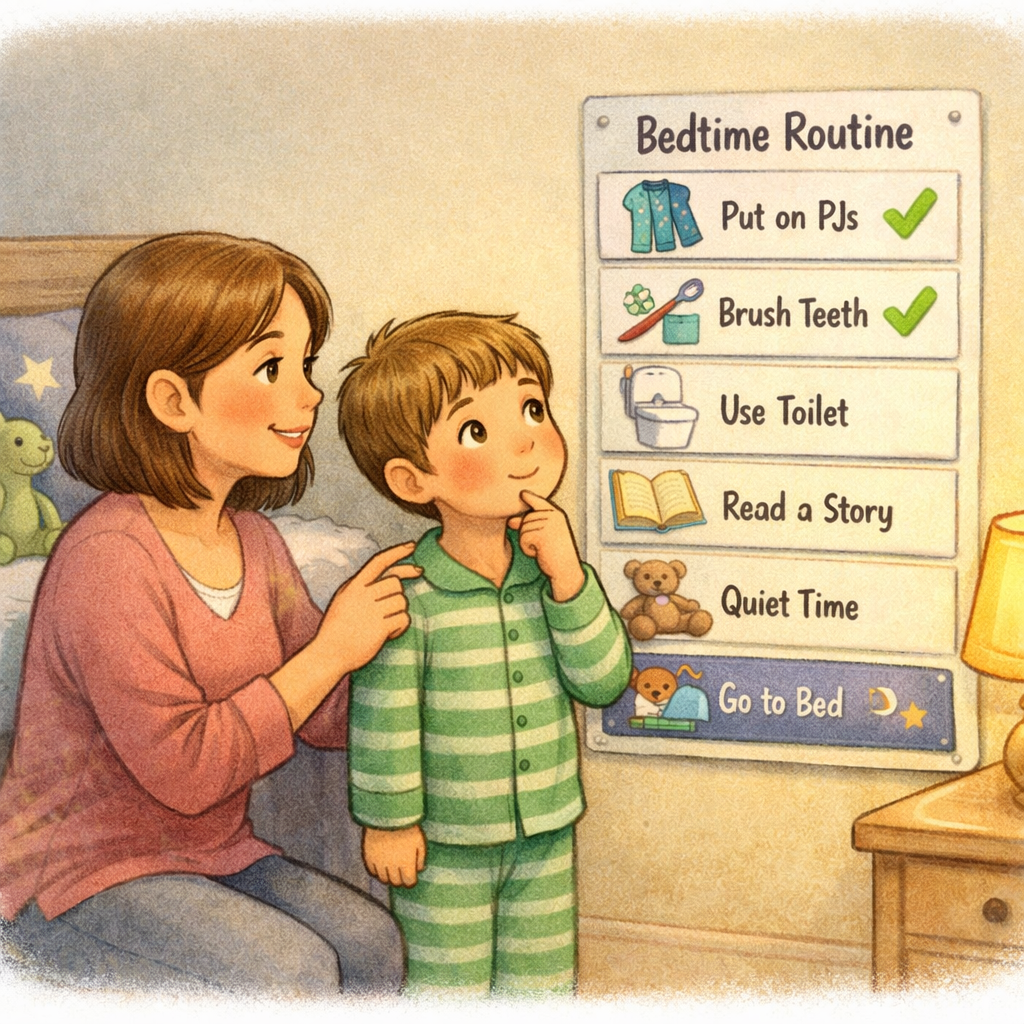
A consistent, calming bedtime routine helps children sleep better. A predictable sequence signals it’s time to wind down. Set and stick to a regular bedtime that fits your child’s needs—even on weekends.
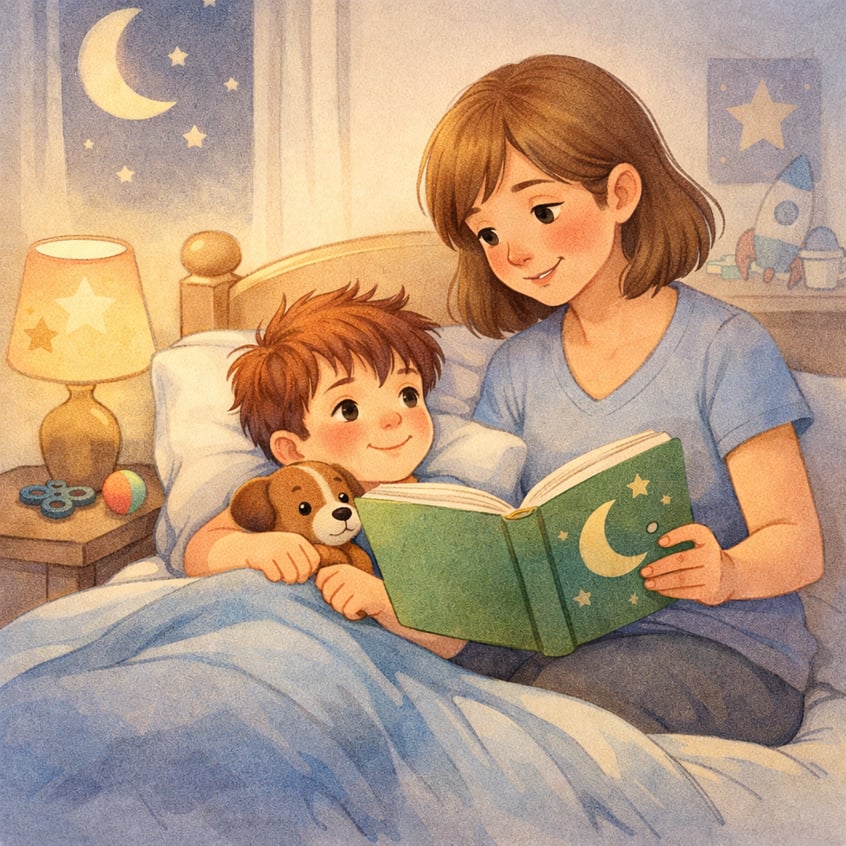
Choose relaxing activities like a warm bath, reading, or quiet music. Visual supports, such as picture charts, can help autistic children follow the routine.
Better bedtime tips:
- Avoid screens at least one hour before bed.
- Give clear, consistent cues to start the routine.
- Use positive reinforcement, like reward charts, for each completed step.
- If your child wakes up, calmly return them to bed with minimal interaction.
- Move bedtime earlier by 15 minutes at a time until you reach the ideal hour.
Safe Sleep Aids and Behavioral Approaches
When routines aren’t enough, other methods can help. Behavioral approaches are the first-line treatment for sleep issues, such as gradually moving farther from your child’s bed until they fall asleep on their own. A sleep specialist—like a psychologist or pediatrician—can guide you through these techniques.
Creating a safe sleep environment is essential. Address sensory needs with blackout curtains or preferred bedding fabrics, and remove distractions like toys and electronics to reinforce that the bedroom is for sleeping.
If behavioral strategies don’t work, a doctor may suggest:
- Melatonin: Prescription-only; helps regulate sleep-wake cycles.
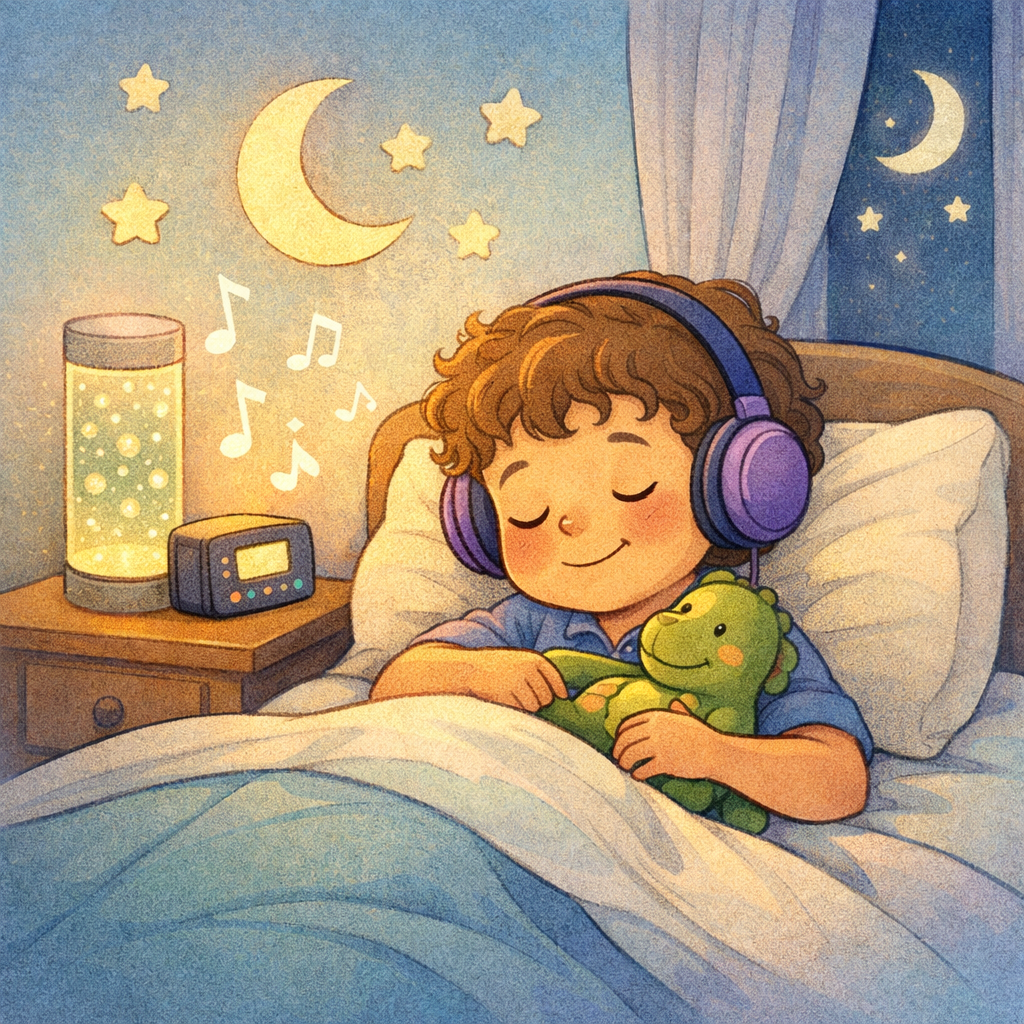
- Sensory Aids: Weighted blankets or white noise machines can be calming but must be used safely.
- Professional Support: Always consult your GP or pediatrician before starting any new medication or supplement.
Conclusion
In conclusion, addressing sleep disorders in autistic individuals can significantly enhance their quality of life. Understanding the unique sleep challenges,ges they face is crucial for parents and caregivers. By implementing practical strategies, creating consistent bedtime routines, and exploring safe sleep aids, you can help improve their sleep patterns and overall well-being. Remember, every child is different, so patience and adaptability are key in finding what works best for them.
If you need further assistance or personalized guidance, don’t hesitate to reach out for consultation or call daar at 02 9133 2500 for support to navigate these challenges effectively.
Frequently Asked Questions
Do autistic adults also experience sleep problems?
Yes, sleep problems are not limited to autistic children. Many autistic adults continue to experience sleep issues. While the specific challenges may change with age, difficulties with falling asleep, staying asleep, and irregular sleep patterns can persist throughout life for many individuals with ASD.
What treatments are available for sleep disorders in people with autism?
Treatments for sleep disorders in people with autism primarily focus on behavioral approaches, such as creating consistent bedtime routines. If these fail, a doctor may prescribe sleep aids like melatonin. Modifying the sleep environment to address sensory needs is also a key part of treatment.
Where can I find support for managing sleep challenges in autistic children?
Support for managing sleep challenges in autistic children can be found by consulting your GP, pediatrician, or a sleep specialist. These professionals can offer evidence-based strategies. Support groups and reputable autism organizations can also connect family members with resources and share experiences about managing sleep issues.
.svg)




.svg)