
.png?width=48&height=48&name=Group%201%20(3).png)























12 March, 2026

Autism and Sleep: Unpacking Common Sleep Issues

Key Highlights
- Up to 80% of children on the autism spectrum experience sleep difficulties, which can affect their quality of life.
- Common sleep issues include trouble falling asleep, frequent night waking, and shorter overall sleep duration.
- These sleep disturbances often lead to more daytime behavioral problems and challenges with attention.
- Establishing consistent bedtime habits and good sleep hygiene are effective first steps.
- Behavior-based interventions and, in some cases, prescribed melatonin, can help manage sleep problems.
Introduction
A good night's rest is crucial for everyone's growth and well-being. For many individuals on the autism spectrum, however, sleep doesn't come easily. Sleep disturbances are a common challenge, leading to a wide range of sleep issues that can disrupt daily life for both the individual and their family. Understanding the unique sleep patterns and difficulties associated with autism is the first step toward finding effective solutions and improving overall health.
Understanding the Link Between Autism and Sleep Problems
Many people on the autism spectrum face significant sleep disturbances, which can affect their sleep quality and sleep duration. These problems often start in early childhood, around 30 months of age, and can persist if not addressed. The connection is complex, involving how the brain is wired and how individuals interact with their environment.
Poor sleep can worsen daytime behaviors, anxiety, and attention issues, creating a challenging cycle. Exploring how autism influences sleep patterns and the underlying factors is key to developing supportive strategies.
How Autism Affects Sleep Patterns
Individuals on the autism spectrum often have different sleep patterns than their neurotypical peers. A common issue is taking much longer than the usual 20–30 minutes to fall asleep, often due to anxiety, difficulty winding down, or missing bedtime cues.
Frequent night wakings are also typical. Some may struggle to fall back asleep or become active during the night, disrupting the household and reducing total sleep time. While research often centers on children, these issues can persist into adulthood and affect long-term well-being.
As a result, many autistic individuals get less sleep than recommended for their age. There’s no evidence they need less—persistent challenges limit their rest.
Biological and Environmental Factors in Sleep Problems in Autism
Sleep disturbances in individuals with ASD are not caused by a single issue but a combination of biological and environmental factors. Biologically, some autistic individuals may have irregular production of melatonin, the hormone that regulates our sleep-wake cycles. This can disrupt their internal clock, making it hard to feel sleepy at night.
Co-occurring conditions also play a significant role. For instance, conditions like epilepsy can interrupt sleep due to seizures or the fear of having them. Gastrointestinal issues and sensory sensitivities are other factors that can make it difficult to rest comfortably. The sleep environment itself, including light, noise, and fabrics, can also contribute to sleep problems.
Here is a breakdown of some contributing factors:
|
Category |
Examples |
|---|---|
|
Biological Factors |
Irregular melatonin production, co-occurring conditions like epilepsy or ADHD, gastrointestinal issues. |
|
Environmental Factors |
Sensitivity to light, noise, or textures in bedding; presence of screens or distracting toys in the bedroom. |
|
Behavioral Factors |
Anxiety, difficulty with routines, unmet need for specific bedtime rituals or objects. |
Effective Strategies to Address Sleep Problems in Autism
Addressing sleep difficulties for someone on the autism spectrum requires a thoughtful and individualized approach. Simple changes to routines and the sleep environment can significantly improve sleep quality and reduce sleep disturbances. The focus should be on creating a calm, predictable, and comfortable transition into rest.
For more persistent issues, behavior-based interventions and therapeutic approaches can provide structured support. By establishing consistent habits and considering safe sleep aids, you can tackle these challenges head-on.
Establishing Consistent Routines and Sleep Hygiene
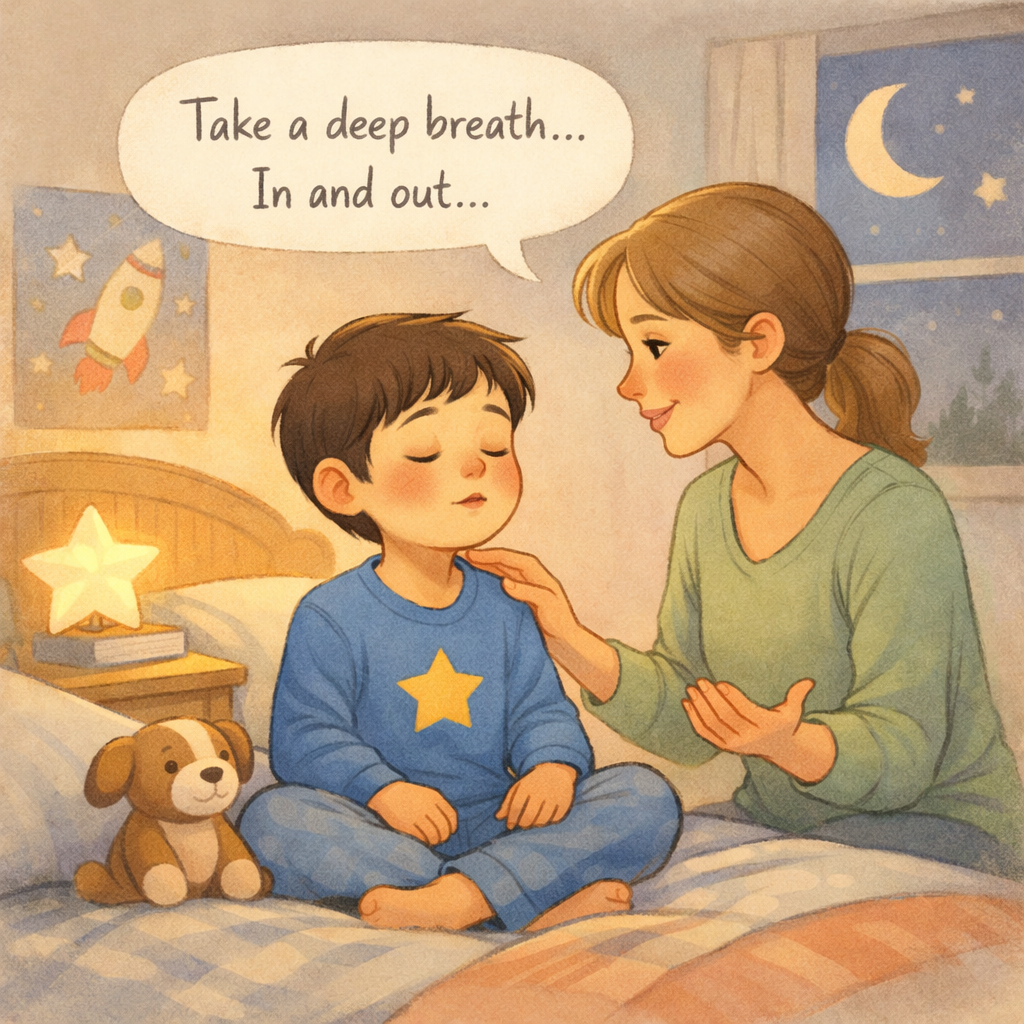
Establishing strong bedtime habits is key to improving sleep for children with autism. Consistent bedtimes that match your child’s natural sleep needs, along with a calming routine, help them wind down and make sleep transitions smoother for the whole family.
Visual aids, like picture charts outlining each step, can encourage independence and reduce anxiety. If your child struggles to sleep alone, gradually increasing the distance between you each night can ease the transition.
Tips for a successful bedtime routine:
- Limit screen time at least one hour before bed.
- Choose relaxing activities like a warm bath, reading, or quiet music.
- Use positive reinforcement, such as reward charts, to encourage participation.
- If your child resists, calmly guide them back to the routine.
Safe Sleep Aids and Therapeutic Approaches

When behavioral strategies aren’t enough for insomnia or sleep issues, other approaches may help. Non-medication options are best to try first, but sometimes extra support is needed to improve sleep and quality of life.
Melatonin is a common medical option. This hormone, naturally produced by the body, can be prescribed as a supplement. Studies show it helps autistic children fall asleep faster and wake less at night. Always consult your doctor before starting any medication to ensure proper dosage and monitor side effects.
Other helpful aids include:
- Creating a sensory-friendly bedroom: Choose comfortable bedding fabrics, remove tags, use blackout curtains, and consider earplugs for noise sensitivity.
- Behavioral interventions: A sleep psychologist or pediatrician can create a tailored behavioral plan.
- Reducing anxiety: Calming activities in the daily routine can lower stress that affects sleep.
Conclusion
Understanding the link between autism and sleep issues is key to improving quality of life. Recognizing how autism affects sleep and using strategies like consistent routines and safe sleep aids can help create a more restful environment. Supporting families and caregivers is essential. Taking proactive steps leads to better sleep and well-being for autistic individuals.
For personalized solutions or guidance, contact us for a consultation or call daar at 02 9133 2500.
Frequently Asked Questions
Are sleep issues in autism different for adults and children?
Yes, while the core sleep difficulties can be similar, their expression may change with age. Sleep patterns in autistic children often involve bedtime resistance and night waking. While older children and adults on the autism spectrum may also face these issues, they might be more affected by anxiety or co-occurring conditions that disrupt sleep.
What professional support is available for sleep problems in autism in Australia?
In Australia, professional support for sleep issues related to ASD can be accessed through your GP, who can refer you to a sleep pediatrician or a psychologist specializing in behavior-based interventions. These professionals can help create a tailored plan to improve sleep and quality of life for individuals on the autism spectrum.
How can families and caregivers support better sleep for autistic loved ones?
Family members can provide immense support by establishing a consistent bedtime and a calming routine. Practicing good sleep hygiene, creating a comfortable sleep environment, and using visual aids to explain the bedtime process can reduce anxiety and help your loved one learn to settle into their own bed for a restful night.
Why do so many people with autism have sleep problems?
Individuals with autism often experience sleep problems due to sensory sensitivities, anxiety, and irregular circadian rhythms. These factors can disrupt their ability to fall asleep or stay asleep. Additionally, co-occurring conditions like ADHD or anxiety disorders may further exacerbate sleep challenges in those on the autism spectrum.
.svg)




.svg)