
.png?width=48&height=48&name=Group%201%20(3).png)























31 March, 2026

Restrict Screen Time Before Bed: Simple Strategies for Sleep
Key Highlights
- Using electronic devices before bed is associated with delayed sleep onset and shorter total sleep time.
- The blue light from screens can suppress melatonin, the hormone that helps you feel sleepy, making it harder to get quality sleep.
- Engaging with stimulating content on social media or video games can increase alertness, disrupting your ability to fall asleep.
- Creating a screen-free bedroom and setting a digital curfew are effective ways to restrict screen time.
- Replacing screens with calming activities like reading or listening to quiet music can significantly improve your sleep.
- Even the presence of a portable electronic device in the bedroom is linked to poorer sleep quality.
Introduction
Do you find yourself scrolling through your phone or watching TV right before trying to sleep? While it might feel like a relaxing way to wind down, this common habit can seriously impact your sleep health. Evening screen time is a major obstacle to getting quality sleep for many people. Improving your sleep hygiene by managing your use of electronic devices is a simple yet powerful step toward waking up refreshed. Let's explore how screens affect your sleep and what you can do about it.
How Screen Time Affects Your Ability to Fall Asleep
Blue light from screens disrupts sleep by signaling to your brain that it's still daytime, which suppresses melatonin production—the hormone that regulates your sleep-wake cycle. Reduced melatonin delays sleep, making it harder to fall asleep. Limiting screen time before bed helps your body prepare for rest and supports healthier sleep habits.
Stimulation and Alertness: Why Screens Keep You Awake
Screen time can make it harder to fall asleep, not just because of light exposure but also due to the content you consume. In fact, activities like playing video games or scrolling through social media can be the main culprit that stimulates your nervous system and increases alertness, making it difficult to wind down.
Engaging with fast-paced shows or late-night emails keeps your brain active and delays restful sleep. Even non-stressful content can disrupt pre-sleep calm if it's interactive.
Additionally, screen brightness increases alertness. The combination of intense light and stimulating content signals your brain to stay awake, interfering with relaxation and sleep.
How Scrolling Delays Natural Sleep Onset
Have you ever checked your phone for "just five minutes" and lost an hour? This is a common example of how screen time delays sleep, contributing to shorter sleep duration. Using phones or devices before bed often pushes back your sleep schedule—a phenomenon called time displacement.
This bedtime delay increases sleep latency, or the time it takes to fall asleep after getting in bed. Engaging activities like scrolling social media or watching videos make it easy to stay up later, especially at night. A common misconception is that simply lowering your phone’s brightness or switching to 'night mode' is enough to avoid disruptions, but the stimulating content and blue light from screens can still interfere with your ability to wind down and naturally fall asleep.
Many believe that any screen use is fine if they feel tired, but even passive viewing keeps your brain alert and can lead to eye strain. Screen habits compete with sleep, and the longer you use your device, the later you’ll fall asleep—cutting into essential rest.
Does Everyone Experience Sleep Disruption From Screens?
While screens can make it harder to fall asleep, the impact varies by individual. Some people are more sensitive to screen light intensity, leading to greater melatonin suppression and poorer sleep. Research shows that children are especially vulnerable—one study found melatonin suppression in kids was twice as high as in adults, possibly due to their larger pupils letting in more light.
Other factors, such as pre-existing conditions, gaming experience, or risk-taking personality traits, can also affect how screens have a greater impact on sleep. In short, while screens disrupt sleep for many, some individuals are affected much more than others.
Effects of Evening Screen Use on Kids and Teens
Electronic devices in bedrooms significantly impact children's and teens' sleep. Most teens and 30% of younger children now get insufficient sleep. Studies show evening screen use leads to later bedtimes and less total sleep duration.
About 60% of youth use devices before bed, disrupting sleep quality and patterns. Limiting screen time is crucial because it directly interferes with healthy sleep cycles.
Why It’s Important to Limit Screen Time for Kids at Night
Limiting children’s screen time at night is crucial for their health. Insufficient sleep increases the risk of obesity, impaired cognition, and poor mental health. Most adolescents don’t get enough sleep, according to the National Sleep Foundation.
Setting screen limits before bed helps prevent late bedtimes and shortens sleep loss, which can harm mood stability, learning, and behavior. Establishing these boundaries supports healthy sleep habits and overall development. Turning off devices before bedtime is a simple step that greatly benefits your child’s physical and mental well-being.
How Evening Devices Disrupt Children’s Sleep Cycles
Evening use of portable electronic devices disrupts children’s sleep by interfering with their circadian rhythm. Screen light before bed tricks the brain into thinking it’s still daytime, causing the brain to produce less melatonin, and kids are more sensitive to this effect than adults.
This exposure suppresses melatonin, the hormone that signals sleep, which is regulated by the pineal gland. Studies show evening light lowers melatonin in children more than in adults, delaying their sleep cycle and making it harder to fall asleep at a healthy hour.
This disruption not only delays sleep onset but also reduces sleep quality, leading to less restorative rest. Removing devices from bedrooms helps protect children’s natural sleep patterns.
Australian Guidelines for Evening Screen Time for Kids
While these guidelines highlight American recommendations, experts worldwide agree on limiting children's screen time to support healthy sleep, especially considering the time of day. The American Academy of Pediatrics suggests turning off all screens 30–60 minutes before bed and keeping devices out of bedrooms.
This reduces light exposure and stimulation before sleep. Families should establish a consistent "power-down" routine, replacing evening screen use with bright overhead lighting and calming activities like reading or quiet conversation to help children prepare for sleep.
Following recommended sleep durations is also important. Here are general guidelines based on the National Sleep Foundation:
|
Age Group |
Recommended Daily Sleep |
|---|---|
|
Newborns (0–3 months) |
14–17 hours |
|
Infants (4–11 months) |
12–15 hours |
|
Toddlers (1–2 years) |
11–14 hours |
|
Preschoolers (3–5 years) |
10–13 hours |
|
School-aged (6–13 years) |
9–11 hours |
|
Teenagers (14–17 years) |
8–10 hours |
Long-term Impacts of Bedtime Screen Habits
Yes, consistently using screens before bed can lead to long-term sleep problems and increased daytime sleepiness. What starts as a simple habit can evolve into chronic issues with falling asleep and staying asleep. These bedtime screen habits disrupt your body's natural sleep-wake cycle night after night, making it progressively harder to get quality sleep without intervention.
Over time, this pattern can result in chronic sleep loss, which is linked to a host of negative health outcomes. Understanding the cumulative consequences for both adults and adolescents is crucial for motivating change and prioritizing healthy sleep.
The Cumulative Consequences for Adults Over Time
For adults, chronic poor sleep from nightly screen use has serious long-term effects on melatonin levels. Consistently getting too little sleep disrupts metabolism and hormones, raising the risk of weight gain and obesity while encouraging unhealthy eating.
Poor sleep also harms mental health by worsening mood, emotion regulation, anxiety, and depression. Ongoing restless nights and daytime fatigue make daily functioning harder.
These risks show why it’s important to limit screen time at night. What seems harmless now can lead to lasting health problems. Prioritizing sleep is essential for your long-term physical and mental well-being.
Sleep Challenges in Adolescents Linked to Nightly Devices
Adolescents often struggle with sleep due to nightly device use. Social pressures, academic demands, and technology can disrupt sleep, as screen light suppresses the release of melatonin and delays sleep onset. This makes it harder for teens to get the recommended 8-10 hours of rest.
Exciting activities like video games before bed also raise heart rate, delay sleep, and reduce REM sleep—vital for learning, memory, and emotional health. Disrupted REM and decreased heart rate variability can affect teens’ mood and performance the next day.
Chronic poor sleep in teens is linked to emotional issues, peer conflicts, and even suicidal thoughts. With most teens keeping devices in their bedrooms, long-term sleep problems and related health risks are widespread.
Can Overusing Screens at Night Lead to Chronic Issues?
Absolutely. Excessive nighttime screen use can cause chronic problems beyond next-day fatigue, including reduced sleep efficiency. Persistent poor sleep creates a “vicious cycle,” where sleep issues and psychological problems reinforce each other, increasing the risk of long-term mental health challenges.
Sleep problems early in life often predict later psychological issues. Too much screen time at night disrupts restorative sleep, undermining emotional regulation and stress management—both crucial for good mental health.
Prioritizing good sleep habits is essential for prevention. Limiting screens before bed protects sleep quality and overall well-being, as supported by findings in the Journal of Psychiatric Research, while ignoring this issue can lead to lasting sleep and mental health problems.
Simple Strategies to Limit Screen Time Before Bed
Ready to reclaim your evenings and improve your sleep? Implementing a few simple strategies can make a huge difference in reducing your evening screen time and limiting the negative effect of devices on your rest. One of the most effective methods is to establish a "digital curfew," where all electronic devices are turned off at a specific time each night.
Setting clear screen time limits as part of your daily routine helps create a healthy boundary between your connected life and your rest. This change in screen use doesn't have to be drastic. Let's look at some practical ways to create a screen-free bedroom, set curfews for the whole family, and use tools to help you power down.
Creating a “Screen-Free” Bedroom Routine
One of the best ways to improve your sleep hygiene is to make your bedroom a screen-free zone. Simply having devices in your room can lead to poorer sleep. Removing TVs, computers, tablets, and phones eliminates the temptation to use them at night.
Instead, create a relaxing bedtime routine with calming, screen-free activities. This signals your brain to wind down and helps prepare you for restful sleep.
Try these simple habits:
- Charge all devices outside the bedroom.
- Spend the last 30–60 minutes before bed on calm activities like reading a book, stretching, or listening to music.
- Keep your bedroom cool, dark, and quiet for optimal rest.
Setting Consistent Digital Curfews for the Family
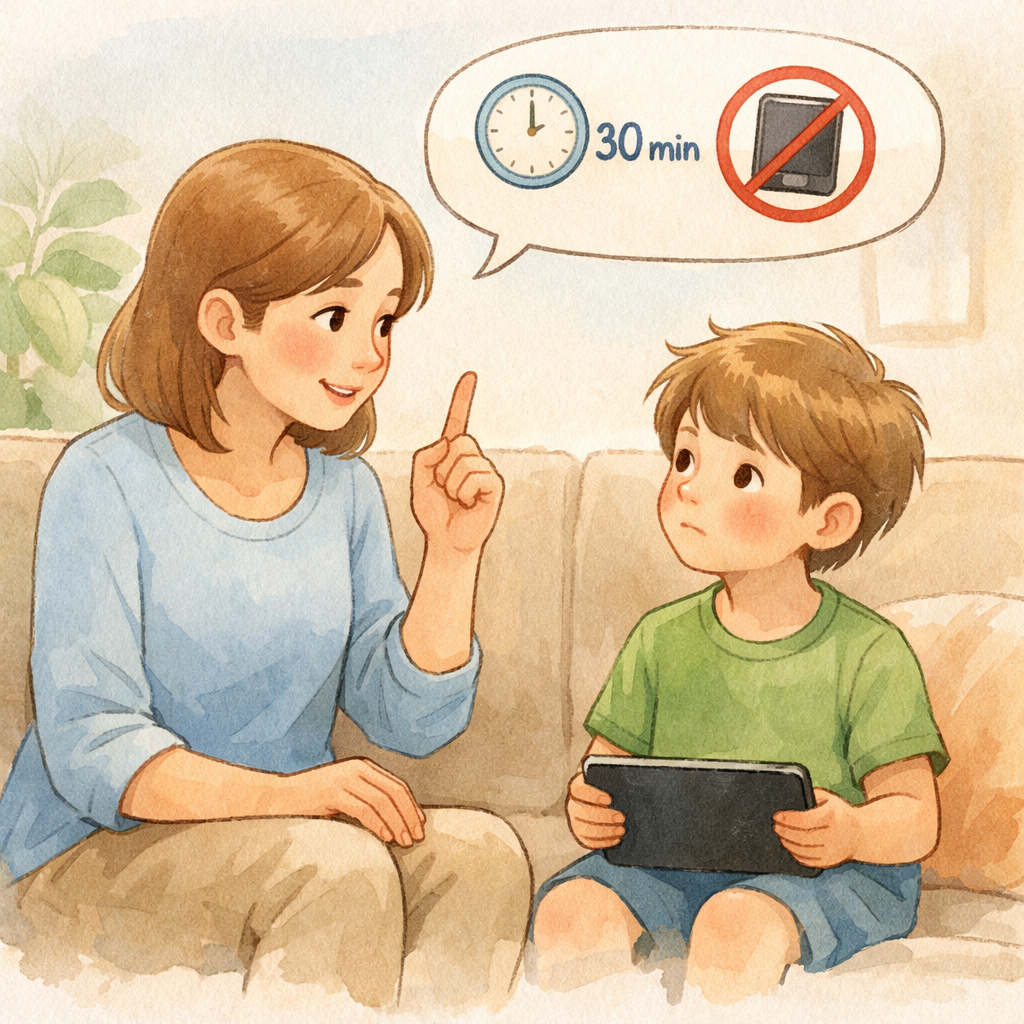
A digital curfew helps manage family screen time by setting a specific hour, typically 30-60 minutes before bed, when all devices are turned off. Consistency matters—apply the rule daily, even on weekends.
Parents should model good behavior by following the same rules. Discussing the benefits, like improved sleep and feeling better the next day, helps older kids understand its value.
Tips for a family digital curfew:
- Decide together on a curfew time.
- Set up a charging station outside bedrooms for all devices.
- Use screen-free time to connect as a family or play quiet games.
Using Apps and Tools to Track or Reduce Screen Exposure
If you’re having trouble sticking to your screen time limits, technology can help. Most smartphones have built-in features that track your screen use and let you set daily app limits. When you hit your limit, the app may be blocked for the rest of the day—a helpful reminder to take a break.
Here are some tools to help manage your screen time:
- Built-in settings: Use “Screen Time” on iOS or “Digital Wellbeing” on Android to set app limits, schedule downtime, and monitor usage.
- Night mode: Enable features like “Night Shift” or “Eye Comfort Shield” to reduce blue light in the evening.
- Parental control apps: These let you set screen time rules and automatic shutdowns for kids’ devices.
Alternative Wind-Down Activities Without Screens
So, you've decided to reduce your evening screen time. What do you do with that extra time? Incorporating alternative wind-down activities into your daily routine is essential for good sleep hygiene. The goal is to find something that calms your mind and body, making the transition to sleep smooth and natural.
There are many wonderful non-screen activities you can try. From calming hobbies to relaxing exercises, you can easily replace nighttime scrolling with something that truly helps you rest. Let's explore some appealing alternatives for both kids and adults.
Calming Activities to Replace Nighttime Scrolling
Choose relaxing activities you genuinely enjoy to replace screen time and prepare your mind for sleep. This simple change in your nightly routine can greatly improve your rest.
Focus on low-stimulation options—quiet, gentle, and repetitive activities. Try creative tasks like coloring or journaling, or meditative practices such as deep breathing or listening to an audiobook.
Here are some ideas:
- Read a physical book or magazine. Paper reading is less stimulating than screens.
- Listen to calming podcasts or instrumental music. Relax without visual stimulation.
- Journal about your day. Writing helps clear your mind and reduce stress before bed.
Relaxing Hobbies for Kids and Adults Before Sleep
Discovering screen-free, relaxing hobbies is a great way for families to practice good sleep hygiene together. Enjoyable group activities make it easier to put away devices in the evening and help strengthen family bonds.
For kids, calming options include drawing, building with blocks, or doing puzzles. Adults might prefer knitting, gentle yoga, or caring for indoor plants. The key is to choose activities that feel restorative rather than like chores.
Here are some relaxing hobbies for all ages:
- Doing a jigsaw puzzle as a family—a quiet, collaborative activity that requires gentle focus.
- Coloring or drawing—adult coloring books are popular for reducing stress.
- Reading stories aloud—a timeless, comforting activity that can relax both listener and reader.
Tips for Making Non-Screen Alternatives Appealing
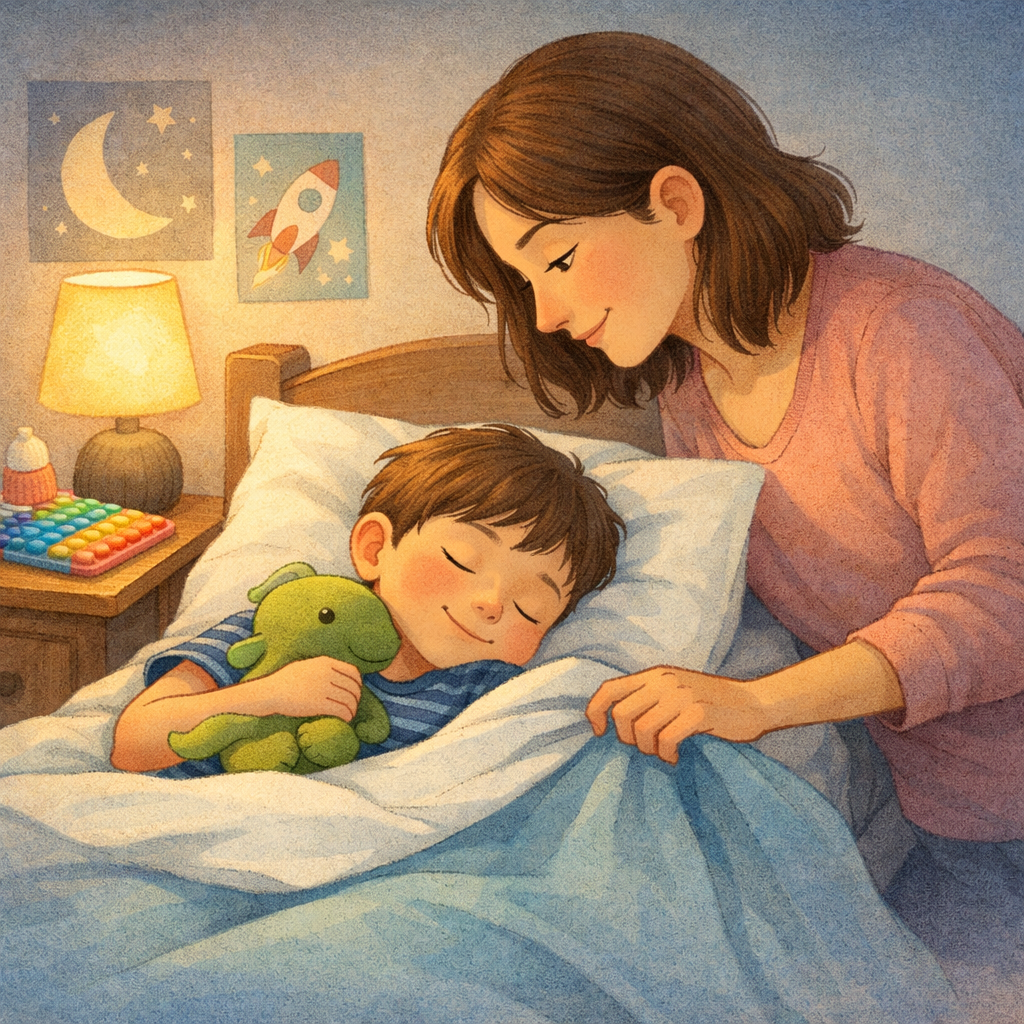
Transitioning away from screens can be challenging, especially when they're so entertaining. The key to making non-screen activities stick is to make them just as appealing. This involves a bit of planning and a shift in mindset from what you "should" do to what you "want" to do.
Create an environment that invites relaxation and makes these alternative activities easily accessible. If you want to read more, keep a book on your nightstand. If you want to try journaling, leave a notebook and pen where you'll see them. Make the healthy choice the easy choice.
Here are some tips to make your screen-free time more enjoyable:
- Create a "cozy corner." Designate a comfortable chair with a soft blanket and a warm lamp specifically for relaxing activities like reading or listening to music.
- Make it a special ritual. Brew a cup of herbal tea or light a calming candle to signal the start of your wind-down time.
- Involve the family. Turn it into a game or challenge to see who can come up with the most creative screen-free activity for the evening.
Conclusion
In conclusion, limiting screen time before bed is key to better sleep and overall well-being. Screens disrupt natural sleep cycles, but simple changes—like adding reading or meditation to your nighttime routine—can help you fall asleep more easily. A randomized controlled trial suggests setting boundaries for yourself and your family to ensure everyone sleeps better.
Ready to improve your evenings and sleep? Contact us for a consultation or call daar at 02 9133 2500 and personalized strategies.
Frequently Asked Questions
How long should I avoid screens before going to sleep?
For optimal sleep hygiene, experts recommend avoiding all screen time for at least 30 to 60 minutes before bed. This screen-free window allows your brain to naturally produce melatonin, helping you achieve a quicker sleep onset latency and more restorative hours of sleep. If you must use a device, use a night mode.
Is it true that dimming my phone screen or using night mode helps?
Yes, it can help. Dimming your screen brightness and using a night light mode that shifts the display to warmer tones reduces your exposure to alerting blue light. While this is better than full-brightness screen use, the most effective approach is to avoid screens altogether before bed. A dim light is less disruptive.
What if I need to use my device before bed occasionally?
If you occasionally need to use a device, try to minimize the impact on your quality sleep. Use features like "Night Shift" and nighttime mode to reduce blue light exposure, lower the screen brightness, and choose non-stimulating content. Keep the duration of your screen media habits as short as possible to protect your rest.
.svg)




.svg)