
.png?width=48&height=48&name=Group%201%20(3).png)























24 April, 2026

How Speech Therapy for Kids Boosts Communication Skills
Key Highlights
- Speech therapy, led by skilled language pathologists, helps children enhance their communication skills and build confidence. Early intervention is crucial for addressing challenges in language development and achieving better outcomes. Typically, children do not always need a referral to see a speech therapist. However, requirements can vary based on where you live and your healthcare provider’s policies, so it’s a good idea to check with your child’s doctor or local services to determine if a referral is necessary for speech therapy.
- Early intervention is crucial for addressing challenges in language development and achieving better outcomes.
- Therapy addresses various issues, including pronunciation, language fluency, and social communication. Parents play a vital role by supporting their child's progress with at-home activities and consistent encouragement. Speech therapy offers benefits beyond speech, improving academic performance, social skills, and emotional well-being. In Australia, coverage for speech therapy for kids by health insurance varies. Some private health insurance plans include speech therapy in their extras cover, but it is important to check with your provider to understand what is included and whether referrals or specific requirements are needed.
- Parents play a vital role by supporting their child's progress with at-home activities and consistent encouragement.
- Speech therapy offers benefits beyond speech, improving academic performance, social skills, and emotional well-being.
- The therapy process is personalized, starting with an assessment and leading to a tailored treatment plan.
Introduction
It can be frustrating for both you and your child when they struggle to communicate. You want your little one to feel heard and understood. Speech therapy is a specialized service designed to help children build their communication skills with confidence. This guide explores how expert support can make a significant difference in your child's language development, helping them express their thoughts and connect with the world around them. Let's look at how this supportive journey unfolds.
Identifying Communication Difficulties in Children
Many parents wonder if their child needs extra help with their language skills. Speech therapy is designed for any child facing speech difficulties, delays, or needing support to develop their communication abilities. If you have concerns about your child’s speech, a speech pathologist can provide the right guidance. When looking for a pediatric speech therapist, it's important to seek someone who holds relevant certifications, such as a master's degree in speech-language pathology and a state license, as well as experience working with children.
Recognizing the signs of communication difficulties is the first step toward getting support. If your child seems to struggle more than their peers, it might be time to consider an evaluation. We'll explore the common indicators that suggest your child could benefit from speech therapy.
Common signs your child may need speech therapy
Determining if your child's speech is developing normally can be difficult. While children progress at different rates, certain signs suggest they may need professional help. These challenges can impact their ability to communicate and connect with others.
Consider consulting a specialist if you notice any of the following:
- Unclear speech, husky voice, or stuttering
- Trouble understanding or following instructions
- Difficulty forming sentences or expressing thoughts
- Problems with social interaction or conversation
- Issues with reading or writing
Early attention to these signs can make a big difference.
Types of speech and language issues in children
Speech and language issues in children can affect how they make sounds, understand others, or express themselves. These range from simple pronunciation mistakes to complex conditions like childhood apraxia of speech, where the brain struggles to coordinate speech movements.
Identifying your child’s specific issue is essential for effective treatment. Speech therapy can help with many problems, including speech sound disorders, language delays, fluency disorders (like stuttering), and voice disorders.
Here are some common disorders:
|
Disorder Type |
Description |
|---|---|
|
Speech Sound Disorders |
Trouble making speech sounds correctly (articulation or phonological errors). |
|
Language Disorders |
Difficulty understanding others (receptive) or expressing ideas and feelings (expressive). |
|
Fluency Disorders |
Disrupted flow of speech, such as stuttering. |
|
Childhood Apraxia of Speech |
The brain has difficulty planning movements needed for clear speech. |
Benefits of Speech Therapy for Kids
Speech therapy offers transformative benefits that go far beyond just improving a child's speech. Through targeted language therapy and engaging speech therapy sessions, children can build the essential communication skills they need to succeed in all aspects of life. These benefits have a ripple effect, boosting confidence and strengthening relationships.
Early intervention is particularly powerful, as it sets a strong foundation for future learning and social engagement. By addressing challenges early, we can help children overcome obstacles and feel more confident in their ability to express themselves. Let's look at how therapy specifically enhances communication and the other advantages it brings.
How speech therapy boosts communication skills
Speech therapy improves a child's communication skills. A speech pathologist helps your child speak clearly through engaging exercises that target specific sounds.
Therapy also boosts overall language development by expanding vocabulary and teaching proper sentence structure, enabling your child to express ideas and feelings confidently.
These sessions empower your child to communicate effectively, close developmental gaps, and build connections with others in a supportive environment.
Emotional, social, and academic advantages
Speech therapy offers benefits beyond communication. Improved social skills help children make friends, join conversations, and understand social cues, leading to stronger relationships and a sense of belonging.
Academically, strong language skills support school success. When children follow instructions, express themselves clearly, and develop reading and writing abilities, their performance and confidence in the classroom grow.
These gains also boost emotional well-being. Being understood reduces frustration and anxiety. In therapy’s supportive environment, children build self-esteem as they master new skills—setting the stage for future success and personal growth.
The Speech Therapy Process: What Parents Can Expect
Starting the speech therapy process can feel like a big step, but it is a structured and supportive journey tailored to your child’s needs. The first step is always a thorough assessment to understand your child's unique strengths and challenges. This evaluation forms the basis for creating personalized treatment plans that target specific goals.
This collaborative approach ensures that the therapy is effective and meaningful for your child. By understanding what to expect, you can feel more prepared and confident in the process. Now, let’s explore the details of how goals are set and what happens during a typical session.
Steps in evaluating and setting goals for your child
The process starts with a thorough assessment by a speech pathologist to understand your child’s communication skills. This includes standardized tests, play-based observations, and a review of developmental history.
From there, the speech pathologist collaborates with you to set clear, personalized goals focused on your child’s needs—whether in articulation, language comprehension, or social skills. This teamwork ensures everyone is aligned for your child’s success.
Key steps in this phase:
- Initial assessment to identify strengths and challenges
- Setting specific, measurable communication goals
- Creating a personalized treatment plan
- Regularly reviewing progress and updating goals
What happens during a typical speech therapy session?
In a typical speech therapy session, a speech pathologist uses fun, engaging activities—like games, storytelling, and picture cards—to target your child's goals. By making learning playful, children stay motivated and willing to try new skills.
Activities are carefully selected to address specific speech and language needs. For example, articulation exercises may be presented as games, while language-building tasks encourage sentence formation. The therapist gives ongoing feedback and encouragement to boost your child’s confidence.
Progress is closely tracked throughout each session to identify improvements and areas needing more focus. This ensures therapy stays tailored to your child’s needs, helping them steadily build communication skills over time.
Techniques and Activities Used in Pediatric Speech Therapy
Pediatric speech therapy relies on a wide array of creative and proven techniques to help children thrive. Speech language pathology professionals design treatment plans that are not only effective but also fun, ensuring children stay engaged. These methods are tailored to improve specific language skills and address individual challenges.
The goal is to make learning feel natural and enjoyable. From evidence-based methods that ensure progress to playful exercises you can practice at home, these activities are central to a child's success in therapy. Let’s explore some of the specific techniques and exercises used.
Evidence-based methods for children’s progress
In speech pathology, evidence-based methods are essential for effective therapy. These proven techniques ensure your child’s treatment is grounded in science, leading to better results.
Speech pathologists tailor interventions to each child’s needs, such as structured drills for speech sounds or play-based activities for language development. Progress is closely monitored to ensure effectiveness.
Common evidence-based approaches include:
- Articulation Therapy: Targeting the production of specific speech sounds.
- Language Intervention Activities: Using games and storytelling to build vocabulary and sentence structure.
- PROMPT: A tactile method for motor speech difficulties.
- Hanen (More Than Words): Teaching parents strategies to support social communication.
Fun exercises and activities you can do at home
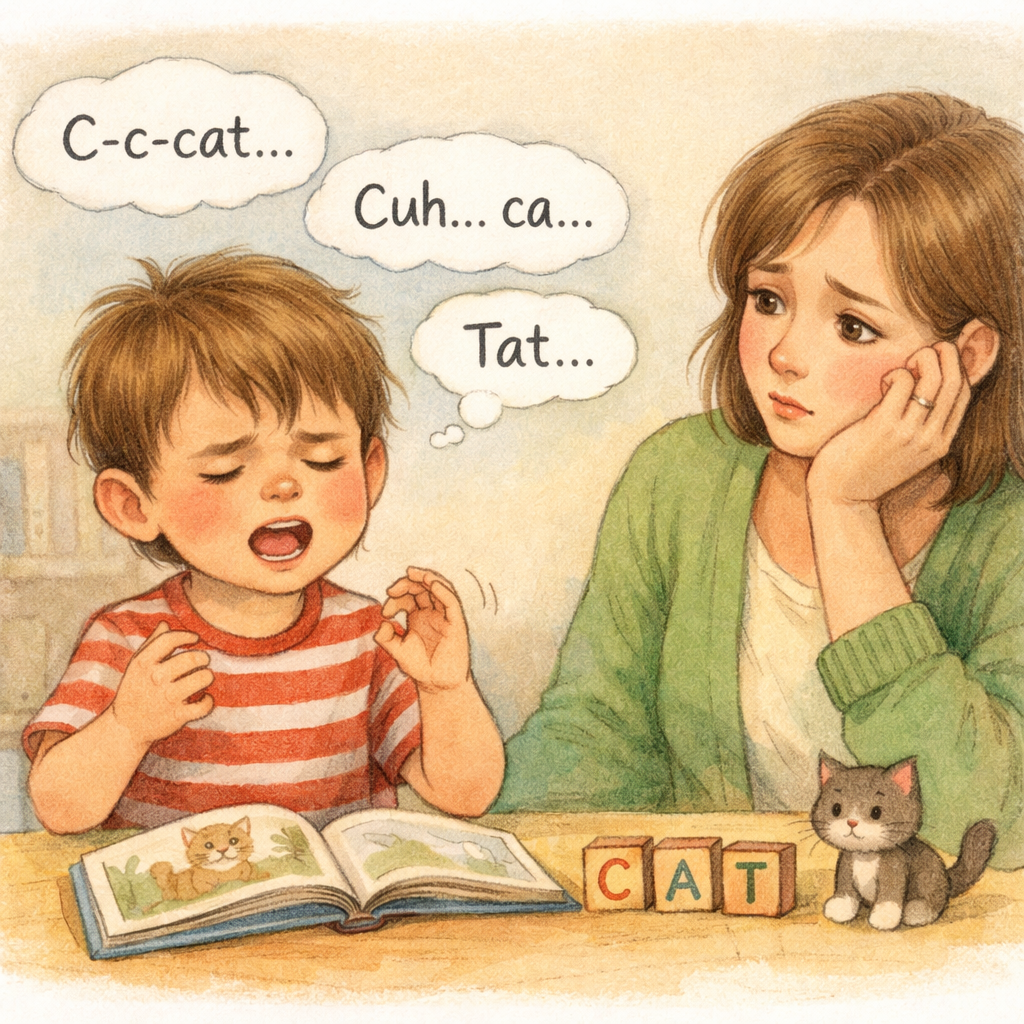
Supporting your child’s progress at home is highly effective. Adding practice to daily routines reinforces therapy and boosts communication skills. Simple, consistent activities build confidence and speed up development.
Talk and read with your child regularly. Narrate your actions during meals or bath time to model language. Shared book reading builds vocabulary and comprehension—even a few focused minutes help.
Try these activities at home:
- Play games: Board and interactive games like Simon Says teach turn-taking and following directions.
- Use visual aids: Picture cards or simple sign language help children express themselves.
- Sing songs and rhymes: Music and rhymes develop phonological awareness.
- Sound hunts: Choose a sound and find objects around the house or outside that start with it.
Conclusion
In summary, speech therapy for kids is not just about correcting speech; it's a transformative journey that enhances communication skills, emotional development, and social interactions. By recognizing the signs of communication difficulties early and engaging in targeted therapy, parents can provide their children with the tools they need to thrive academically and socially. The techniques and activities used in pediatric speech therapy are designed to be fun and effective, ensuring that children remain motivated throughout the process. If you're looking to give your child the best chance at successful communication, consider exploring the options available in speech therapy.
Don't hesitate to reach out for a consultation or call daar at 02 9133 2500 for further guidance or information!
Frequently Asked Questions
How long does it take to see improvement from speech therapy for kids?
The timeline for improvement in speech therapy varies for each child. A child's progress depends on their specific challenges, the frequency of therapy sessions, and their engagement. Some children show noticeable improvement in a few months, while others may need longer-term support to achieve the best outcomes.
Can parents participate in their child’s speech therapy at home?
Absolutely! Parent involvement is crucial for success. Your speech therapist will often provide strategies and activities to incorporate into your daily routines. As a key family member, you can reinforce the therapy plan at home, which significantly boosts your child’s progress in developing their communication skills.
At what age should a child begin speech therapy if they have delayed development?
Early intervention is key. A child can begin speech therapy at any age, even as young as 18 months, if there are signs of language delays. For young children, addressing speech development issues early can lead to much better outcomes. Don't hesitate to seek an evaluation if you have concerns.
.svg)




.svg)