
.png?width=48&height=48&name=Group%201%20(3).png)























2 January, 2026

Understanding Behaviour Therapy: Techniques and Benefits

Introduction
Are you looking for practical tools to improve your mental health? Behavior therapy is a focused treatment that aims to change potentially harmful behaviors. Unlike therapies that explore the past, this approach is action-oriented and centers on your current challenges. Based on the core principles of behaviorism, it operates on the idea that all behaviors are learned and can be modified. This makes it a powerful method for addressing various psychological problems and building healthier habits, sharing some elements with cognitive behavioral therapy.
Key Highlights
-
Behavior therapy is a practical approach focused on changing harmful behaviors to improve your mental well-being.
-
It is highly effective for treating various conditions, including anxiety disorders, phobias, and depression.
-
Techniques often include social skills training, positive reinforcement, and methods from cognitive behavioral therapy.
-
The therapy helps both children and adults develop new skills to enhance their social interactions.
-
Ultimately, the goal is to improve your emotional regulation and overall quality of life.
Behavioral Therapy Applications
Behavioral therapy is a versatile treatment used to address a wide range of mental health disorders. Its structured and goal-oriented nature makes it effective for individuals of all ages facing different challenges. During a therapy session, a therapist works with you to create customized treatment plans that target specific behaviors.
This adaptability allows therapists to help children with developmental issues and adults struggling with conditions like anxiety or depression. The following sections will explore how these applications work in more detail.
Helping Children With Social and Emotional Disorders
Behavioral therapy greatly benefits children with social or emotional disorders by providing a structured way to teach essential social skills that may not develop naturally. Skills like sharing, taking turns, and understanding others’ perspectives can be challenging, but therapy helps children overcome these obstacles.
Therapists use engaging techniques such as play therapy, which creates a fun, low-pressure environment for practicing new skills through interactive games and activities. This approach builds healthier relationships and boosts self-esteem.
By breaking complex behaviors into manageable steps, therapy empowers children to learn and grow. This targeted support is crucial for managing difficult behaviors and helping them succeed at home, in school, and with peers—making behavioral therapy an effective solution for social behavior disorders.
Supporting Adults With Anxiety, Phobias, or Depression
Behavioral therapy offers significant relief for adults with anxiety disorders, phobias, or depression. These conditions can make daily life overwhelming, but therapy provides practical tools to manage them. For example, individuals with social anxiety can learn to handle interactions more comfortably and confidently.
Techniques like cognitive restructuring help identify and challenge negative thoughts that drive anxiety. This approach is especially empowering for panic disorder. Therapy also creates a safe space to practice social skills, gradually building confidence.
Through social learning, you observe and practice healthier behaviors. By addressing both skill deficits and underlying anxiety, behavioral therapy reduces avoidance and helps you engage more fully in personal and professional life, leading to stronger connections.
Using NDIS-Funded Behaviour Supports
In Australia, the National Disability Insurance Scheme (NDIS) helps make behavioral therapy accessible for people with disabilities, including some mental health conditions. If eligible, you can receive funding for services that build skills and support independence.
NDIS funding may cover positive behavior support, which identifies the causes of challenging behaviors and creates personalized strategies to address them. Therapists develop tailored plans to reduce harm and teach more effective coping skills.
Key NDIS-funded services include:
-
Creating and implementing behavior support plans
-
Training for caregivers and families
-
Specialized therapeutic interventions
Social Skills Training Within Behaviour Therapy
A fundamental component of behavior therapy is social skills training (SST). This hands-on approach is designed to improve how you handle different social interactions. A therapist uses behavior analysis to pinpoint which skills are most challenging for you and then introduces techniques to help you improve one step at a time.
Based on the principles of social learning, SST often involves practicing and rehearsing social scenarios during a therapy session. This structured method helps you learn and master new skills in a safe, supportive environment, ultimately building your confidence.
Building Communication and Assertiveness Skills
Social skills training aims to improve communication, including both verbal and nonverbal cues like conversation, eye contact, and body language. A key element is active listening, which helps you connect with others.
The training also builds assertiveness—expressing your thoughts and needs respectfully—which is especially helpful if you often defer to others. Practicing these skills strengthens your coping strategies in social situations.
Social skills training fits into behavior therapy by focusing on observable actions and equipping you with practical tools, such as:
-
Asking open-ended questions to keep conversations going
-
Saying "no" politely
-
Expressing your needs confidently
Role-Playing and Modeling Social Interactions
Role-playing and modeling are core behavior therapy techniques for teaching social skills. Based on social learning theory, these methods involve observing a therapist model a skill—like joining a conversation or giving a compliment—and then practicing it through role-play. This rehearsal takes place in a safe, supportive setting, allowing you to try new behaviors without real-world pressure.
Practicing scenarios such as asking for help or ending conversations builds confidence and “muscle memory” for social interactions. By rehearsing, you’re better prepared to use these skills in daily life, making social situations less intimidating and more manageable.
Collaboration With Families and Caregivers
For behavior therapy to succeed, especially with children, family and caregiver involvement is crucial. Skills learned in therapy must be reinforced at home, so therapists and sometimes social workers collaborate closely with families to ensure a unified approach.
This partnership aligns therapy strategies with home routines. Parents and caregivers receive guidance on applying treatment techniques daily, creating a consistent and supportive environment for the child.
Effective collaboration means everyone works toward shared goals. Key elements include:
-
Regular communication between family and therapist
-
Active participation in goal setting and review
-
Consistent use of reinforcement strategies at home
Benefits of Behaviour Therapy
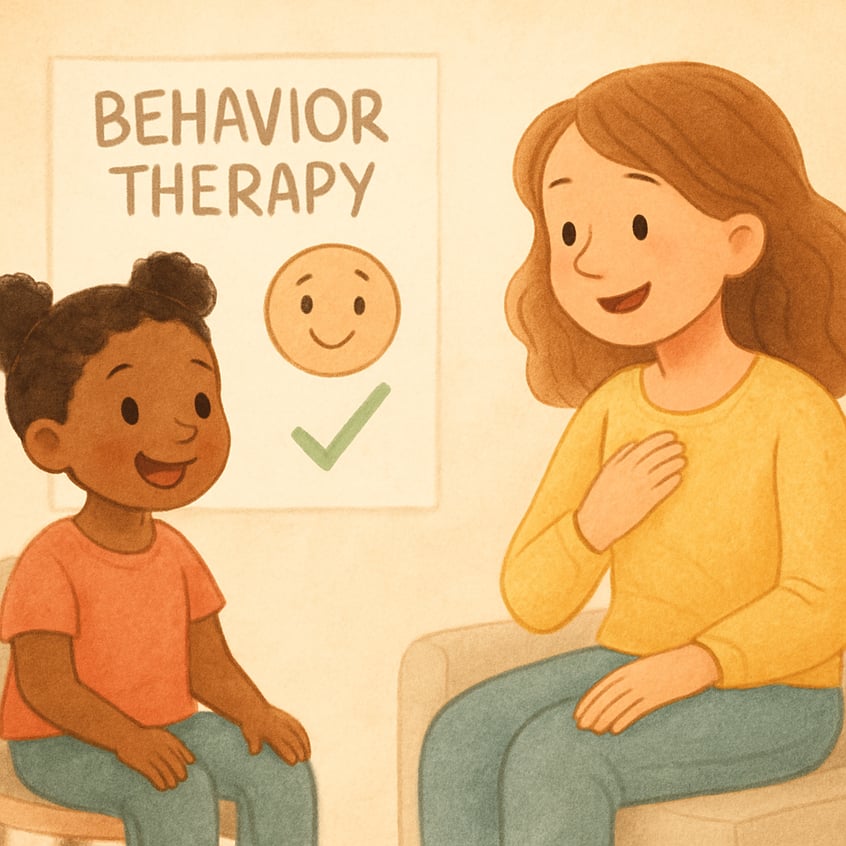
The benefits of behavior therapy extend far beyond just changing behaviors. This approach can significantly improve your overall mental health by equipping you with practical coping mechanisms for your daily life. A key part of the process is positive reinforcement, which rewards progress and motivates you to continue growing.
Main techniques include skills training, role-playing, and gradual exposure, which are all designed to build confidence and reduce anxiety. The following sections will cover some of the most impactful benefits, such as improved emotional regulation and better relationships.
Improvement in Emotional Regulation
One of the most significant benefits of behavior therapy is an improvement in emotional regulation. This is your ability to manage feelings in a healthy way, which is vital for successful social interactions. For many people, emotions like anxiety or frustration can become overwhelming and lead to negative consequences.
Therapy provides practical strategies to recognize and manage these feelings effectively. You learn to identify your emotional triggers and develop coping skills to handle challenging situations. This process involves replacing maladaptive behaviors with more adaptive behaviors that support your well-being.
By improving your ability to regulate emotions, you can prevent outbursts, reduce meltdowns, and foster more positive interpersonal relationships. This skill is transformative, as it enhances your resilience and leads to a much higher quality of life.
Building Positive Habits for Daily Life
Behavior therapy helps you build positive daily habits through a personalized, goal-oriented approach. Clear, achievable goals are broken into manageable steps to prevent overwhelm.
Positive reinforcement is used to reward progress, making change feel satisfying and encouraging lasting habits.
Key steps include:
-
Identifying specific behaviors to improve
-
Establishing a consistent routine for new skills
-
Tracking progress to stay motivated
Enhancing Relationships and Social Engagement
Behavior therapy is highly effective for improving social engagement and relationships in both children and adults. By teaching practical communication skills, it helps you connect with others more meaningfully—especially for those whose mental health affects social functioning.
As your confidence grows, forming and maintaining healthy relationships becomes easier. The therapy equips you with tools for everything from small talk to conflict resolution, reducing anxiety in social situations.
For instance, learning assertiveness can transform interactions. Instead of reacting passively, you learn to express your needs clearly and respectfully.
|
Situation |
Passive Response |
Assertive Response |
|---|---|---|
|
Someone cuts in front of you in line |
Staying silent and feeling frustrated |
"Excuse me, I believe I was next in line." |
|
A colleague takes credit for your work |
Hoping someone else notices |
"I'm glad you liked the idea I presented earlier." |
Safety, Risks, and Considerations of Behaviour Therapy
While behavior therapy is highly effective, it's important to be aware of potential risks and considerations. The process of confronting difficult behaviors and emotions can sometimes lead to temporary discomfort or distress. Understanding these potential negative consequences is part of responsible risk management.
A qualified therapist will always prioritize ethical practice to ensure your safety and well-being. They will discuss any potential side effects with you and create a supportive environment to help you navigate any mental health issues that arise during treatment.
Common Side Effects and Risk Management
Behavior therapy, like any treatment, can have side effects. Confronting fears or difficult emotions may temporarily increase anxiety, sadness, or anger—this is a normal part of progress.
For example, PTSD therapies often involve discussing painful memories, which can be emotionally challenging. Therapists use risk management techniques such as gradual exposure, allowing you to face fears step by step without feeling overwhelmed.
This approach helps build resilience and is effective for treating phobias and some substance abuse behaviors by developing coping skills in a supportive environment.
Ensuring Safeguards and Ethical Practice in Australia
In Australia, behavior therapy follows strict standards to ensure ethical practice and client safety. Registered psychologists and accredited social workers must adhere to a code of conduct that prioritizes your well-being throughout therapy.
Therapists assess your needs thoroughly before treatment and use only evidence-based techniques. They maintain confidentiality and professional boundaries at all times.
These high standards mean you can trust you are in a safe, supportive environment focused on effective, respectful care that protects your safety and dignity.
Tailoring Behaviour Supports to Individual Needs

One of the greatest strengths of behavior therapy is its ability to be tailored to your individual needs. An effective treatment plan is never one-size-fits-all. The process begins with a thorough assessment and behavior analysis to understand your unique strengths, challenges, and circumstances.
Based on this assessment, your therapist collaborates with you to set specific goals. These goals become the roadmap for your therapy journey, ensuring that every session is focused and productive. This personalized approach makes the therapy more engaging and increases the likelihood of long-term success.
The customization of treatment plans includes:
-
Identifying the most relevant skills to work on.
-
Choosing therapeutic techniques that align with your personality and learning style.
-
Adjusting the plan as you make progress and your needs change.
Finding a Qualified Behaviour Therapist in Australia
Finding the right behavioral therapist is a crucial step toward achieving your goals. When searching for a practitioner in Australia, it's important to look for someone qualified to treat your specific mental health conditions. Consider their experience with the type of therapy you're interested in, such as CBT or social skills training.
Start by asking for referrals from your doctor or searching professional directories online. Before committing, ask about their approach and how they create treatment plans. The following sections will provide more guidance on what to look for and what to ask.
Qualifications and Credentials to Look For
When searching for a behavior therapist, it's essential to check their qualifications and credentials. In Australia, this means looking for professionals who are registered with a relevant governing body, such as the Psychology Board of Australia or the Australian Association of Social Workers.
These credentials ensure that the therapist has met rigorous standards for education, training, and ethical practice. Don't hesitate to ask a potential therapist about their background and experience with behavior therapy specifically. A qualified professional will be transparent about their qualifications.
Key credentials to look for include:
-
Registration as a psychologist or a mental health social worker.
-
Specialized training or certification in specific therapeutic approaches.
-
Membership in professional organizations like the Association for Behavior Analysis International.
Questions to Ask Before Starting Behaviour Therapy
Before you begin therapy, it’s a good idea to have an initial consultation to ensure the therapist is the right fit for you. This is your opportunity to ask questions and get a feel for their approach. A good therapeutic relationship is key to successful treatment.
Ask about how they structure a typical therapy session and what their process is for developing treatment plans. You should also inquire about their experience with the specific mental health issues you're facing and the behavioral therapy techniques they use. This will help you feel more confident and prepared.
Consider asking questions like:
-
What is your approach to treating [your specific concern]?
-
How do you measure progress?
-
What can I expect in our first few sessions?
Making the Most of NDIS Funding for Behavioural Supports
If you have an NDIS plan, you can use your funding to access valuable behavioral supports. The key is to ensure that these supports are "reasonable and necessary" to help you achieve the goals outlined in your plan. This financial support can cover a range of services designed to improve your skills and independence.
To make the most of your funding, work with your support coordinator or therapist to clearly link the services to your NDIS goals. For example, if your goal is to improve community participation, your plan could fund positive behavior support to help you develop the social skills needed to do so.
Clear communication and well-defined support plans are essential. This ensures that the NDIS understands how the therapy will help you, making the approval process smoother.
|
NDIS Funding Aspect |
How to Maximize It |
|---|---|
|
Support Plans |
Clearly define how behavior support will help you achieve specific goals in your NDIS plan. |
|
Therapist Choice |
Choose an NDIS-registered provider who has experience creating behavior support plans. |
|
Financial Support |
Use your funding for assessments, therapy sessions, and training for caregivers as needed. |
Conclusion
In conclusion, understanding behavior therapy is vital for anyone looking to improve mental health and daily life. Its techniques help children with emotional issues and adults facing anxiety or depression, offering clear benefits like better emotional regulation, positive habits, and healthier relationships. If you're considering behavior therapy, seek a qualified therapist who can personalize the approach. Taking the first step can lead to a brighter future—don’t hesitate to reach out for a consultation to see how behavior therapy can help you.
If you're interested, reach out for daar for a consultation today or call daar at 02 9133 2500.
Frequently Asked Questions
Is behaviour therapy effective for both children and adults?
Yes, behavior therapy is an effective treatment for both children and adults. While the techniques are adapted to be age-appropriate, the core principles remain the same. It is a versatile approach for various mental health conditions, providing tailored strategies to help individuals of all ages achieve their specific goals.
What role does the NDIS play in behaviour therapy services?
The NDIS provides crucial financial support for behavior therapy services for eligible individuals with disabilities, including certain mental health conditions. It funds behavioral supports through individualized support plans, helping people access the therapy they need to build skills, manage behaviors, and improve their quality of life.
How do I select the right behaviour therapist near me in Australia?
To find the right behavioral therapist in Australia, start by checking their qualifications and ensuring they are registered with a professional body. Ask questions about their experience, the treatment plans they offer, and what a typical therapy session looks like to ensure their approach is a good fit for your needs.
.svg)




.svg)