
.png?width=48&height=48&name=Group%201%20(3).png)























30 January, 2026

What is Behaviour Therapy for Children: A Parent's Guide
Introduction
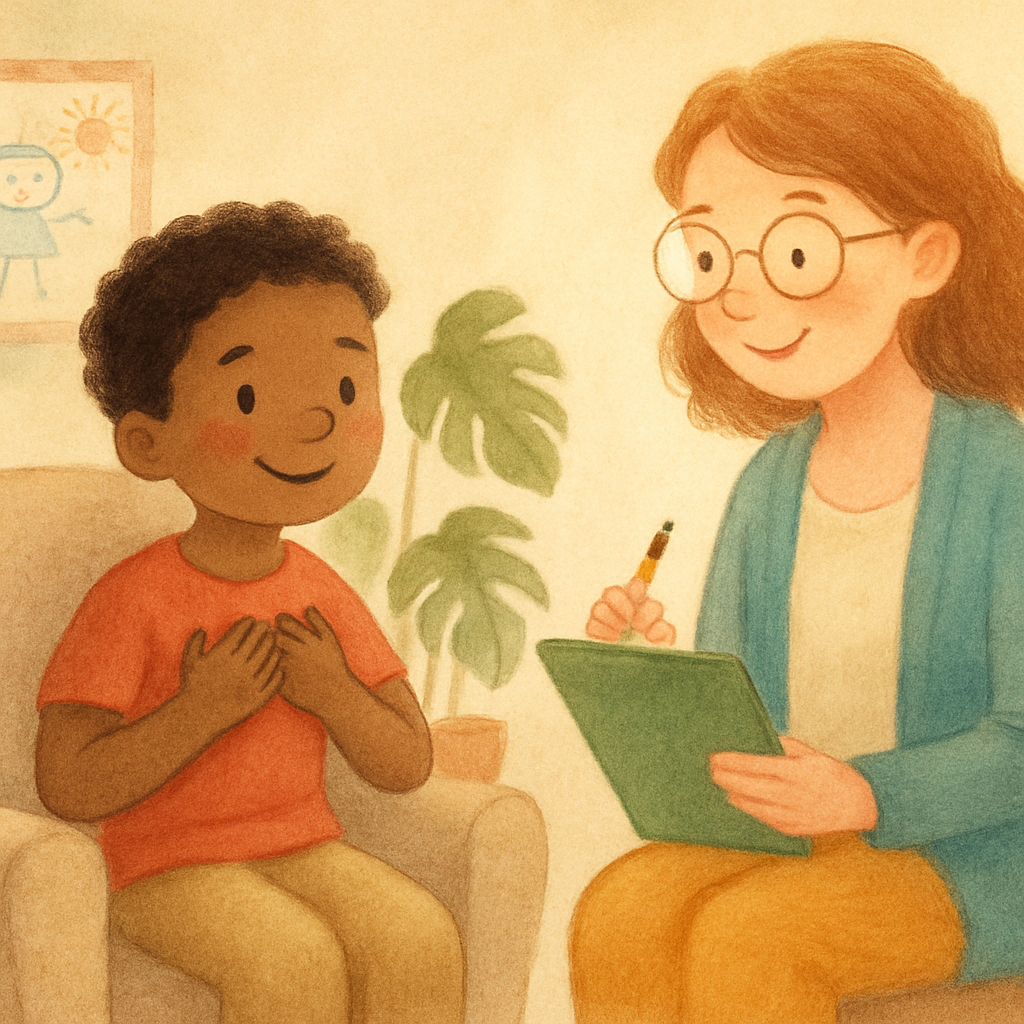
As a parent, watching your child struggle with their behaviour or emotions can be challenging. You are not alone; many children face these hurdles. Behavioural therapy is an effective tool that provides proven strategies to help your child navigate these difficulties. This guide will explain what behavioural therapy involves, how it supports children’s mental health, and the important role you play in their journey. The focus of therapy sessions is to address behavioural problems and improve emotional regulation, building a foundation for resilience and confidence.
Key Highlights
- Behaviour therapy helps young children modify negative actions by teaching healthier habits and emotional regulation skills.
- A core technique is positive reinforcement, which uses rewards to encourage desirable behaviours during and after therapy sessions.
- This therapeutic approach is effective for various mental health problems, including anxiety, ADHD, and obsessive-compulsive disorder.
- Parental involvement is essential for reinforcing new skills at home and ensuring long-term positive changes.
- The goal of behaviour therapy is to equip children with the tools they need to build confidence and manage their emotions effectively.
Signs Your Child May Benefit From Behaviour Therapy
Every child experience emotional up and down, but persistent struggles may signal the need for extra support. If behavioural issues consistently disrupt life at home or school, consider seeking professional help. These behaviours aren't about being "bad"—they reflect a need for better coping tools.
Early intervention is key. Addressing patterns of problematic behaviour early can prevent escalation and help your child develop healthier ways to manage emotions. The next sections cover common challenges, warning signs, and how therapy can help different age groups.
Common Behavioural Challenges in Children
Children often express their struggles through their actions, and what seems like simple misbehaviour might signal deeper issues. When disruptive behaviours become consistent, it can impact their learning, friendships, and self-esteem. Behaviour therapy works by identifying these problematic behaviours and the thoughts or feelings driving them, then teaching the child new, more positive ways to respond.
This approach addresses not just the outward actions but also the underlying social and emotional behavioural issues. For example, a child with anxiety might act out in social situations because of negative thoughts. Therapy helps them reframe this thinking, which in turn improves their behaviour.
Keep an eye out for ongoing patterns of these behaviours:
- Frequent anger, arguing, or defiance
- Trouble focusing or following directions
- Lasting mood changes, like sadness or frustration
- Difficulty making or keeping friends
- Aggression or persistent defiance
Indicators for Seeking Therapy Support
Deciding to seek professional help is a positive first step toward supporting your family’s well-being. If your child’s behaviour regularly disrupts family life, affects their schoolwork, or lowers their quality of life, it may be time to consult a behavioural therapist. You don’t need to wait for problems to become severe; early support can help your child thrive.
If you feel overwhelmed or are unsure how to break negative patterns, expert guidance can provide you with effective strategies. Therapy sessions offer a structured environment to learn new skills, from emotional management to conflict resolution. This support can empower both you and your child.
Consider reaching out to a professional if your child frequently struggles with:
- Intense anger or anxiety
- Difficulties in social settings
- Behaviours that disrupt home or school routines
- A noticeable decline in their overall quality of life
Age Groups and Suitability of Behaviour Therapy
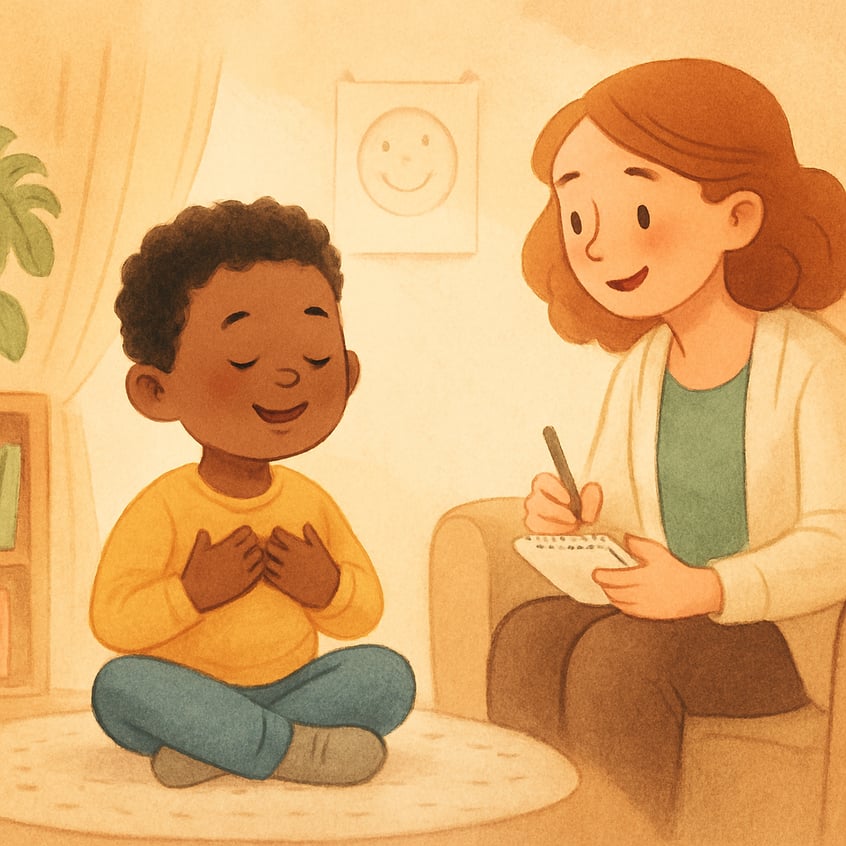
One of the great strengths of behaviour therapy is its adaptability. The types of therapy and techniques used can be tailored to fit a wide range of ages, from young children to adolescents. For younger kids, therapy often involves play-based activities and significant parental involvement to ensure skills are practiced at home. This early intervention is key for foundational skill development.
For older children and teens, the focus may shift more toward developing cognitive skills. They learn to identify the connections between their thoughts, feelings, and actions. This helps them gain more control over their responses to challenging situations.
The approach is customized to be engaging and effective for each developmental stage.
|
Age Group |
Common Therapeutic Approach |
Key Focus |
|---|---|---|
|
Toddlers & Preschoolers |
Play therapy, Parent-led strategies |
Building core communication skills, managing tantrums, basic emotional expression. |
|
School-Aged Children |
Cognitive Behavioural Therapy (CBT), social skills groups |
Improving focus, developing friendships, managing anxiety, problem-solving. |
|
Teenagers |
CBT, Dialectical Behaviour Therapy (DBT) |
Handling complex social pressures, managing mood disorders, building independence. |
Main Benefits of Behaviour Therapy for Children
Behaviour therapy offers a wealth of benefits that extend beyond just correcting problematic behaviours. It equips children with essential life skills for emotional regulation and social interactions. By using methods like cognitive behavioural therapy, therapists help children understand and manage their thoughts and feelings in a healthier way.
This approach is highly effective for a range of mental health conditions, leading to improved self-esteem, better relationships, and greater independence. The following sections will explore how therapy improves coping skills, enhances social abilities, and provides specific support for conditions like ADHD.
Emotional Regulation and Coping Skills
Behavioural therapy aims to teach children emotional regulation. When kids struggle with intense feelings, it can lead to outbursts or withdrawal. Therapy offers a safe space to identify, process, and express emotions in healthy ways.
A key technique is cognitive restructuring, which helps children recognize and challenge negative thoughts. For example, replacing "I can't do anything right" with a more balanced belief empowers them to manage frustration, sadness, or anxiety.
Therapy gives children practical tools for handling stress, building resilience, and developing lifelong coping strategies. This leads to greater confidence and emotional stability.
Impact on Social Skills and Relationships
Behavioural challenges can strain a child's relationships with family, friends, and teachers. Behaviour therapy addresses this by building positive social and communication skills. Through targeted activities, children learn to interact more effectively.
In therapy, children practice handling difficult social situations in a supportive setting. This reduces problem behaviours like aggression or withdrawal and encourages empathy and cooperation. Therapists help children understand social cues and respond appropriately.
As these skills improve, children form healthier relationships and feel more connected to others, boosting self-esteem and overall happiness. Social success reinforces ongoing growth.
Benefits for ADHD and Other Conditions
Behaviour therapy is a highly effective treatment for children with ADHD, offering practical strategies to manage impulsivity, inattention, and hyperactivity. It helps improve organization, focus, and self-control.
This approach also benefits children with autism by enhancing communication and social skills. For anxiety and OCD, behaviour therapy helps children confront fears and reduce compulsive behaviours.
By targeting specific challenges, behaviour therapy equips children to succeed at school, home, and with peers—dramatically improving their quality of life.
Techniques and Methods Used in Behaviour Therapy
Behavioural therapists use a variety of evidence-based techniques to help children change their behaviour. These methods are practical, goal-oriented, and tailored to each child's specific needs. Core strategies include positive reinforcement, where desirable behaviours are rewarded, and behaviour analysis, which helps identify the triggers behind certain actions.
Other common methods include exposure therapy for anxiety and role-playing for social skills. The goal is to replace unhelpful habits with positive ones. The following sections will provide more detail on some of these powerful and effective techniques.
Positive Reinforcement Strategies
Positive reinforcement is a cornerstone of behaviour therapy and a powerful tool for encouraging change. The idea is simple: by rewarding a desired behaviour, you increase the likelihood that the child will repeat it. This approach helps children learn new skills and reduces the frequency of negative behaviours.
The key is to make the rewards meaningful and the goals achievable. Working with your child to create a reward system can be a motivating and fun process. Consistency is crucial for this strategy to be effective, as it helps solidify the connection between the action and the positive outcome.
Here are some simple ways to use positive reinforcement:
- Define clear behaviours you want to see, such as "using kind words."
- Choose motivating rewards, like extra playtime or simple praise.
- Set realistic goals so your child can experience success.
- Reward the behaviour consistently right after it happens.
- Use a chart to track progress and celebrate achievements.
Graded Exposure and Fear Hierarchies
For children struggling with anxiety or phobias, graded exposure is a highly effective technique. This form of exposure therapy involves helping a child face their fears in a gradual, controlled way. The first step is to create a "fear hierarchy," which is a list of situations related to the fear, ranked from least to most scary.
With the therapist's guidance, the child starts by confronting a situation low on the list. Once they feel comfortable, they move on to the next step. This process helps break negative patterns of avoidance and teaches the child that they can manage their anxiety. It is a powerful tool for emotional regulation.
This technique is often paired with response prevention, especially for conditions like OCD. This involves resisting the urge to perform a compulsive behaviour, teaching the child that their feared outcome does not happen. This step-by-step approach builds confidence and reduces anxiety over time.
Role-Playing and Social Skills Training
Role-playing is a fun and interactive way to teach children new communication and social skills. In a therapy session, the child can practice handling challenging social situations in a safe and supportive setting. This technique is often a key part of play therapy, especially for younger children.
By acting out scenarios, a child can explore different ways to respond to conflict, express their needs, or make friends. The therapist can provide immediate feedback and guidance, helping the child build confidence for real-life interactions. Role-playing makes learning abstract social rules more concrete and understandable.
This method helps children develop skills in:
- Starting conversations
- Sharing and taking turns
- Resolving disagreements peacefully
- Understanding others' perspectives
Supporting Your Child at Home
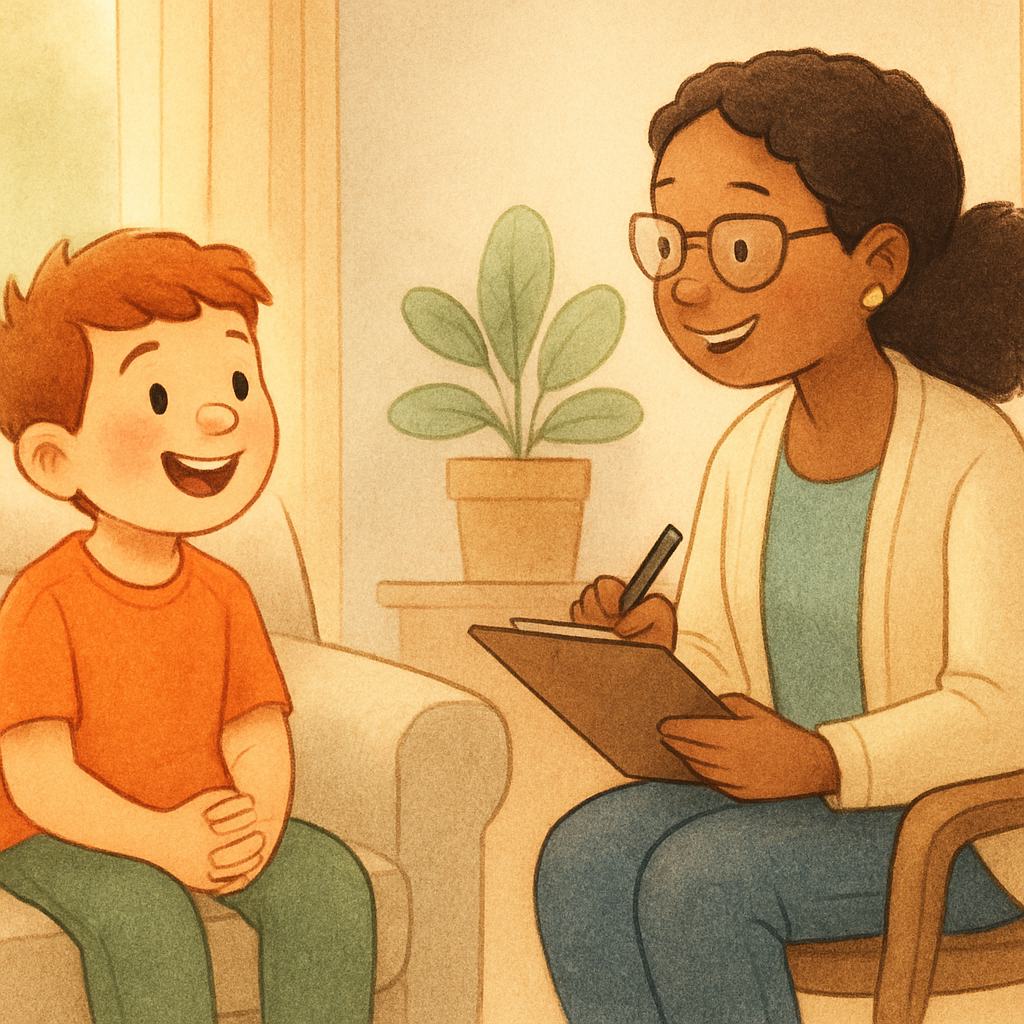
Your involvement is one of the most critical factors in your child's success with behaviour therapy. You are an active partner in the process. The strategies learned in therapy are most effective when they are reinforced by family members in daily interactions. Parent training is often a component of therapy, giving you the tools to help your child.
By applying techniques like positive reinforcement and consistent communication skills at home, you create a supportive environment for lasting change. The following sections will offer specific strategies you can use and explain how to work collaboratively with your child's therapist.
Home Strategies for Parents
Supporting your child's progress at home is vital for building lasting positive habits. As part of parent training, you can learn simple yet effective strategies to use in your daily life. These techniques create a consistent environment where your child can practice their new skills.
One of the most powerful tools is positive reinforcement. Recognizing and rewarding good behaviour helps reduce negative behaviours and makes the learning process more motivating. Consistency is the key to making these strategies work and helps your child understand expectations clearly. This can also be a focus in family therapy sessions.
Here are some strategies you can implement at home:
- Use specific language, like "Please share your toys," instead of "Don't be selfish."
- Work with your child to choose meaningful rewards.
- Set clear and achievable goals for desired behaviours.
- Be consistent with rewards and consequences.
- Model positive conflict resolution in your own interactions.
Working Collaboratively with Therapists
A strong partnership with your child’s behavioural therapist is key to achieving the best results. This collaborative care ensures that everyone is working toward the same goals with a consistent approach. Open communication between you and the therapist is essential for an effective treatment plan.
Your active involvement truly matters. By learning techniques from the therapist during therapy sessions and sharing feedback on what works at home, you help tailor the plan to your child’s specific needs. This teamwork provides you with the tools to support your child's success with other health services, at school, and in social situations.
To foster a collaborative relationship:
- Share regular updates on your child's progress and challenges.
- Ask questions and seek clarification on therapeutic techniques.
- Participate in family sessions if they are recommended.
- Implement the agreed-upon strategies consistently at home.
Conclusion
In conclusion, behaviour therapy can be a transformative journey for children facing various challenges. By recognizing the signs that your child may benefit from therapy and understanding the techniques employed, you can empower them to develop essential emotional and social skills. As a parent, your involvement is crucial; utilizing home strategies and collaborating with therapists can enhance the effectiveness of the treatment. Remember, fostering an environment of support and understanding at home will significantly aid your child's progress.
If you’re ready to take the next step in supporting your child's mental health, don’t hesitate to reach out for a consultation or call daar at 02 9133 2500 to explore the best options tailored for your family.
Frequently Asked Questions
Can behaviour therapy help children with autism?
Yes, behaviour therapy is highly effective for children with autism spectrum disorder. A specific type called Applied Behaviour Analysis (ABA) is widely used to improve communication, social skills, and daily living abilities. Therapy sessions are tailored to address the unique challenges associated with this and other mental health conditions.
Are fun games or activities part of behaviour therapy sessions?
Absolutely. For young children, behavioural therapy often incorporates fun activities and games. This approach, known as play therapy, helps make therapy sessions engaging and allows children to learn and express themselves in a natural way. These activities are designed to teach new skills while feeling like play, blending cognitive therapy principles with enjoyment.
How does behaviour therapy differ from occupational therapy for kids?
Behaviour therapy primarily focuses on addressing behaviours and thought patterns related to mental health problems. In contrast, occupational therapy helps children develop the motor skills and practical abilities needed for daily activities, such as writing or getting dressed. While both therapies can be part of a child's support plan, their goals are different.
.svg)




.svg)