
.png?width=48&height=48&name=Group%201%20(3).png)























31 December, 2025

Understanding Specialised Behaviour Support: Key Insights

Introduction
When someone you care for has complex needs and shows challenging behaviours, standard approaches may not be enough. This is where specialist behaviour support can make a genuine difference. It’s an approach designed for individuals who display behaviours of concern that can affect their safety, well-being, or ability to participate in daily life. This type of behaviour support moves beyond simple management to understand the underlying reasons for actions, creating pathways for meaningful and positive change.
Key Highlights
-
Specialised behaviour support offers personalized strategies to improve quality of life and reduce concerning behaviours.
-
The NDIS funds these services, turning functional assessments into practical, individualised behaviour support plans.
-
Positive Behaviour Support (PBS) is a key approach, focusing on understanding the reasons behind behaviours to create positive change.
-
Qualified behaviour support practitioners collaborate closely with families and support networks to implement and monitor plans.
-
The goal is to teach new skills and create supportive environments, rather than just managing behaviours.
Understanding Positive Behaviour Support vs. Restrictive Practices
In specialist behaviour support, the focus is on creating lasting positive change. Positive Behaviour Support (PBS) is a person-centered approach that seeks to understand why a behaviour of concern occurs. A behaviour support practitioner develops behaviour support strategies to help the individual learn new skills and improve their quality of life, which encourages positive behaviour.
On the other hand, restrictive practices are actions that limit a person’s choices or movement, sometimes used for safety. While they may be necessary in some situations to prevent harm, the goal of PBS is to reduce or eliminate the need for them by addressing the root causes of challenging behaviours.
Main Features of Positive Behaviour Support
Positive Behaviour Support (PBS) focuses on understanding the person behind the behaviour. It views all behaviour as a form of communication and aims to identify unmet needs driving challenging actions. By addressing these needs, PBS promotes a supportive environment for positive change.
Creating a behaviour support plan involves a thorough, collaborative assessment to determine the purpose of behaviours. The plan includes proactive strategies to teach new skills and reduce stress.
Key features:
-
Identifying reasons behind behaviours
-
Modifying environments to prevent triggers
-
Teaching positive skills, such as better communication
-
Aiming for long-term quality of life improvement
Common Examples and Risks of Restrictive Practices
While behaviour support aims to use positive strategies, understanding restrictive practices is essential. These interventions limit a person’s rights or freedom of movement and should only be used as a last resort to prevent harm. Regulated restrictive practices must be closely monitored and documented in a behaviour support plan, to reduce and eventually eliminate their use.
Restrictive practices can harm quality of life and human rights, causing distress and physical harm without addressing underlying causes. The NDIS enforces strict rules to ensure these measures are temporary while positive strategies are implemented.
|
Type of Restrictive Practice |
Description |
|---|---|
|
Seclusion |
Confining someone alone in a room against their will. |
|
Chemical Restraint |
Using medication to control behaviour. |
|
Mechanical Restraint |
Using devices to restrict movement. |
|
Physical Restraint |
Using physical force to restrict movement. |
Core Services Included in Specialised Behaviour Support
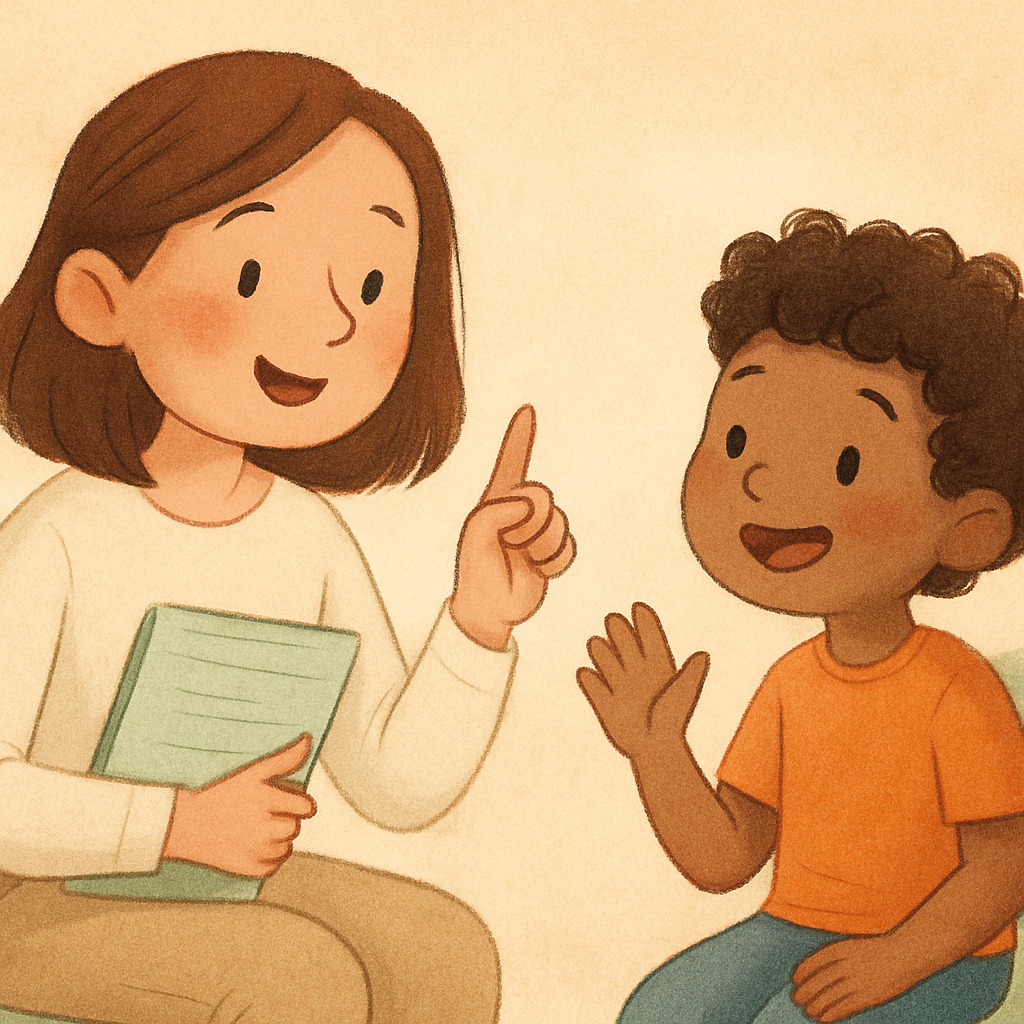
Specialized behaviour support services are part of the disability insurance scheme, designed to assist individuals with challenging behaviours. Qualified practitioners develop personalized plans to improve quality of life and promote independence, following NDIS Commission guidelines for safety and effectiveness.
These comprehensive services include detailed assessments, evidence-based support plans, and training for families and support sutaff. The next sections outline the specific types of NDIS-funded support and strategies used to help people with disabilities.
Types of Supports Funded by the NDIS
The NDIS funds specialist behaviour support to improve quality of life. To access these services, your plan must include funding under “Improved Relationships” or “Behaviour Support.” A planner will assess eligibility if challenging behaviours affect daily life or restrictive practices are used.
The process begins with a functional behaviour assessment, funded by the NDIS, to develop a personalized support plan. Funding is flexible, allowing you to choose a registered provider.
NDIS may fund:
-
Functional behaviour assessments to identify triggers
-
Development of an individualized behaviour support plan
-
Training for you, your family, and support workers
-
Ongoing monitoring and review of strategies
Strategies for People with Disabilities
Effective behaviour support strategies emphasize being proactive rather than reactive. The goal is to teach new skills and create a supportive environment, not just manage challenging behaviours. This often means improving communication so individuals can express needs more effectively, reducing frustration and difficult behaviours.
A positive behaviour support plan serves as a roadmap for the entire support network—family and support workers alike—ensuring consistency and reinforcing positive change. While Improved Daily Living programs build general life skills, specialist behaviour support targets complex or high-risk behaviours with formal plans to reduce these behaviours and any restrictive practices.
Common strategies include:
-
Teaching functional communication to replace challenging behaviours
-
Modifying environments to reduce triggers and promote calm
-
Establishing routines and using visual supports
Working With a Specialist Behaviour Support Provider
Choosing a specialist behaviour support provider means you are bringing an expert onto your support team. A behaviour support practitioner will guide the process, but they will not do it alone. The best outcomes come from a collaborative approach, where the provider works closely with you, your family, and anyone else who supports you to create and implement the support plan.
This partnership ensures everyone is on the same page and can apply the strategies consistently across different environments, like at home, school, or in the community. The following sections will detail what you can expect from your provider and how they engage with your support network.
What to Expect From Your Provider Under the NDIS
When you engage a specialist behaviour support provider, you can expect a structured, person-centered approach. Your practitioner will get to know you, assess your behaviours, and tailor strategies to your needs.
They will develop a formal support plan with proactive strategies to build new skills and reactive strategies for managing challenges. Your family and support team will receive training to confidently implement the plan. High NDIS standards ensure safe, effective support.
Your provider should:
-
Conduct a thorough functional behaviour assessment
-
Develop a clear, individualized support plan
-
Train your family and staff on the plan’s strategies
-
Regularly monitor progress and adjust the plan as needed
Collaboration with Families and Support Networks
A collaborative approach is key to a successful support plan. Your specialist provider treats family and support networks as essential partners, recognizing your insights into your loved one’s strengths and needs. This input helps create a practical, effective plan for everyday life.
Practitioners involve families and staff through training, coaching, and ongoing feedback, ensuring everyone understands and feels confident using the strategies. Working together builds a consistent, supportive environment for lasting positive change.
Collaboration includes:
-
Involving family in goal-setting and planning
-
Offering hands-on training for staff
-
Keeping communication open with regular meetings and updates
Conclusion
In conclusion, understanding specialized behaviour support is key to improving life for individuals with disabilities. Recognizing the difference between positive behaviour support and restrictive practices helps you make informed, respectful choices. Working with a specialist provider ensures you receive personalized strategies and comprehensive support for better outcomes.
If you’re interested in NDIS specialized behaviour support, consider reaching out for a consultation or call daar at 02 9133 2500!
Frequently Asked Questions
How can I access specialised behaviour support through the NDIS?
To access specialist behaviour support, discuss your needs with your NDIS planner. If approved, you will receive funding in your plan, typically under "Improved Relationships." You can then choose a registered NDIS provider, and their behaviour support practitioner will work with you to develop and implement a plan.
What training do behaviour support practitioners need?
A behaviour support practitioner must meet the NDIS Commission's standards, which are outlined in the Positive Behaviour Support Capability Framework. They typically hold a degree in psychology, education, or social work and have experience in disability or mental health. They must also engage in ongoing professional development and supervision.
How is progress monitored in specialised behaviour support?
Progress is monitored through ongoing data collection and regular reviews of the behaviour support plan. The assessment process isn't a one-time event. Practitioners use behaviour analysis to track the frequency and intensity of behaviours, ensuring the positive behavioural support strategies are working and making adjustments as needed for the best outcomes.
.svg)




.svg)