
.png?width=48&height=48&name=Group%201%20(3).png)























17 April, 2026

Understanding Social Anxiety in Kids: Key Signs & Solutions
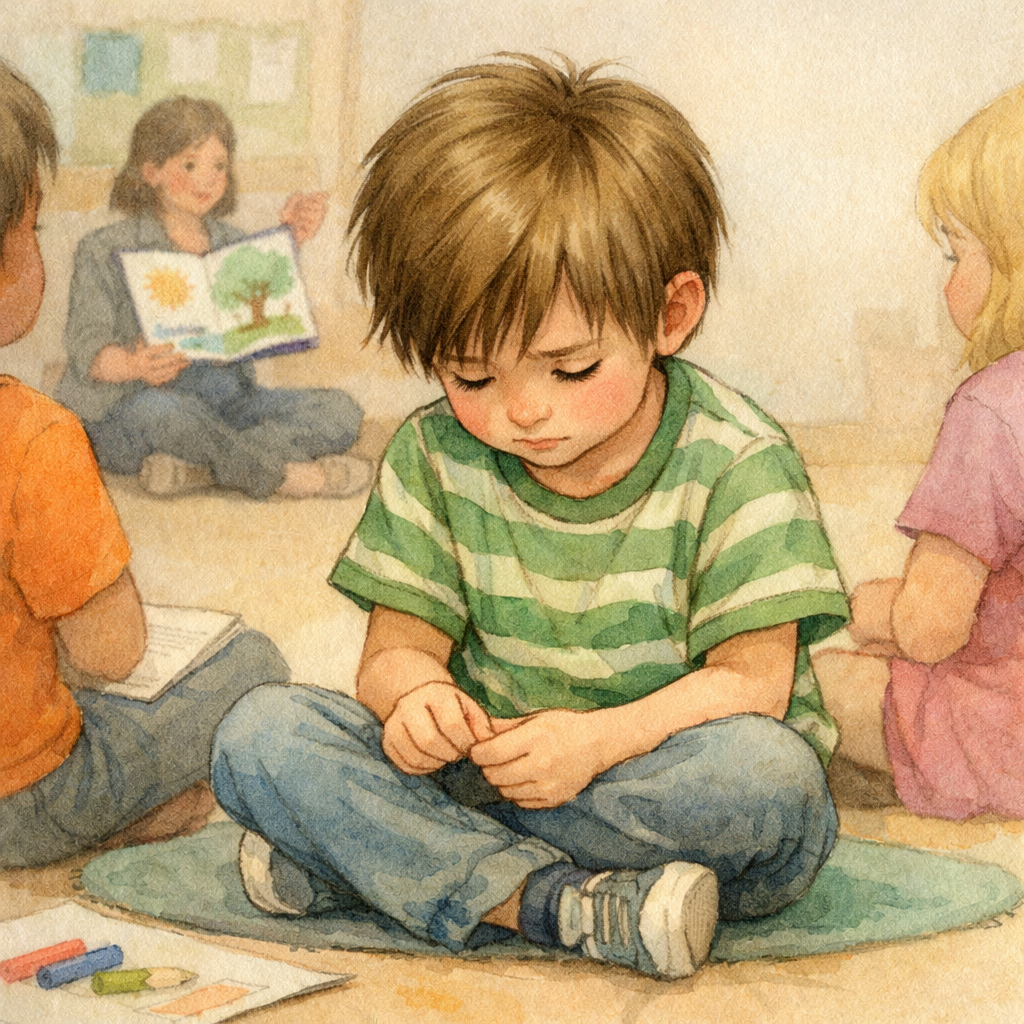
Childhood is fundamentally a highly social journey. From navigating Playground politics and participating in classroom discussions to attending birthday parties and joining sports teams, children are constantly required to interact with the world around them. For many kids, these interactions are exciting opportunities for joy and connection. However, for a child struggling with social anxiety, these same everyday situations can trigger an overwhelming, paralyzing wave of fear.
Social anxiety often begins to show in kids during late childhood, typically around ages 8 to 13, though symptoms can appear earlier in some children as social demands increase.
Social anxiety in children is a highly common but profoundly impactful emotional challenge where kids feel intense fear, panic, or extreme discomfort in social situations. They live with a persistent, exhausting worry that they are constantly being watched, judged, or evaluated negatively by their peers and adults. When left unaddressed, this debilitating fear can severely affect a child's school academic performance, their ability to form meaningful friendships, and their foundational self-confidence.
Fortunately, social anxiety is not a life sentence. A child's brain is remarkably adaptable, and their nervous system can be retrained. With early parental support, deep empathy, and healthy, science-backed coping strategies, children can gradually overcome social anxiety, unlearn their fears, and actively build much stronger social skills. In this comprehensive guide, we will explore the critical difference between normal shyness and a clinical anxiety disorder, the physical and emotional signs to watch for, the underlying root causes, and the highly effective tools you can use to help your child step confidently into the world.
Understanding the Difference Between Typical Shyness and Social Anxiety
Before diving into the symptoms, it is essential to distinguish between a naturally introverted personality and an active anxiety disorder. Being shy is a common, perfectly healthy personality trait. A shy child might take a little longer to warm up to a new crowd, prefer quietly playing with one best friend over a large group, or feel a bit nervous before the first day of school. However, once a shy child observes their environment and feels safe, their nervousness naturally dissipates, and they are able to engage and enjoy themselves.
Social anxiety, on the other hand, is not a personality trait; it is an intense, disproportionate fear response. A child with social anxiety does not eventually "warm up." Instead, their brain's internal alarm system (the amygdala) incorrectly identifies social interactions as dangerous biological threats. Their fear is completely disproportionate to the actual situation. This anxiety causes extreme distress, actively interferes with their daily functioning, and forces them to aggressively avoid activities they might otherwise genuinely want to participate in.
Recognizing the Deep Signs of Social Anxiety in Kids
Children, especially young ones, often lack the emotional vocabulary to articulate complex feelings of anxiety. They rarely say, "I am feeling socially evaluated and judged." Instead, their anxiety manifests through intense behavioral changes and uncontrollable physical reactions.
Avoidance of Social Situations
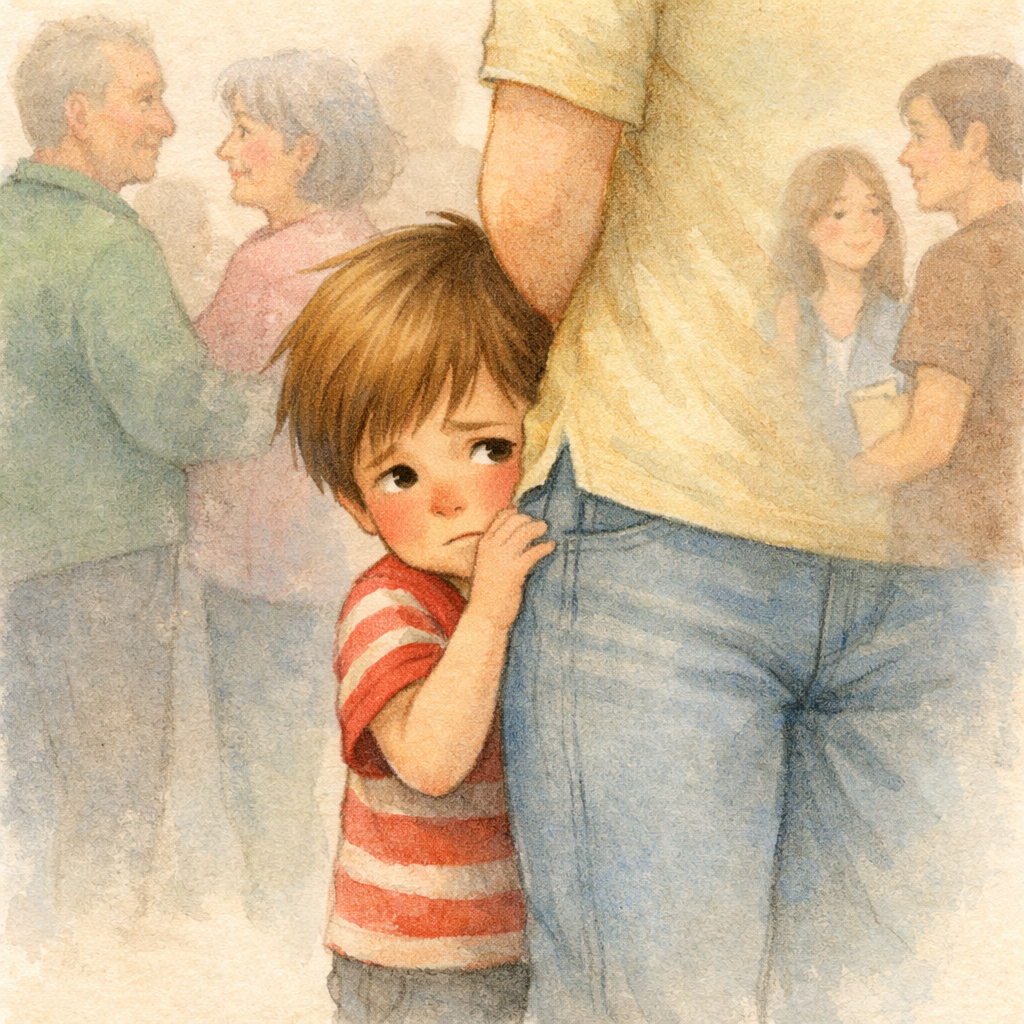
The most glaring hallmark of social anxiety is severe avoidance. Children may go to extreme lengths to avoid school activities, unstructured group play, or speaking in front of others. This often looks like a child begging to stay home from a birthday party they talked about all week, chronically hiding behind a parent's legs when introduced to someone new, or refusing to participate in recess. In older children and teens, avoidance might manifest as skipping lunch periods, dropping out of clubs, or refusing to use public restrooms for fear of being perceived by strangers.
Excessive Shyness or Disproportionate Fear
While a little nervousness is normal, children with social anxiety feel extreme, paralyzing nervousness when meeting new people or interacting in groups. Their fear centers heavily around the possibility of doing something deeply embarrassing or humiliating. They may constantly worry about saying the wrong thing, tripping in the hallway, or answering a question incorrectly. Because of this intense fear of judgment, they often freeze up entirely, displaying a "deer in the headlights" reaction when directly spoken to.
Intense Physical Symptoms
Anxious thoughts instantly trigger the body's fight-or-flight response, leading to very real, very distressing physical symptoms. Before or during social settings, symptoms can include profuse sweating, severe stomach aches, uncontrollable trembling, sudden nausea, or a rapid, pounding heartbeat. It is remarkably common for younger children to complain of sudden stomach cramps or headaches every morning right before the school bus arrives, as their body physically manifests the emotional dread of the upcoming social school day.
Extreme Difficulty Speaking in Public
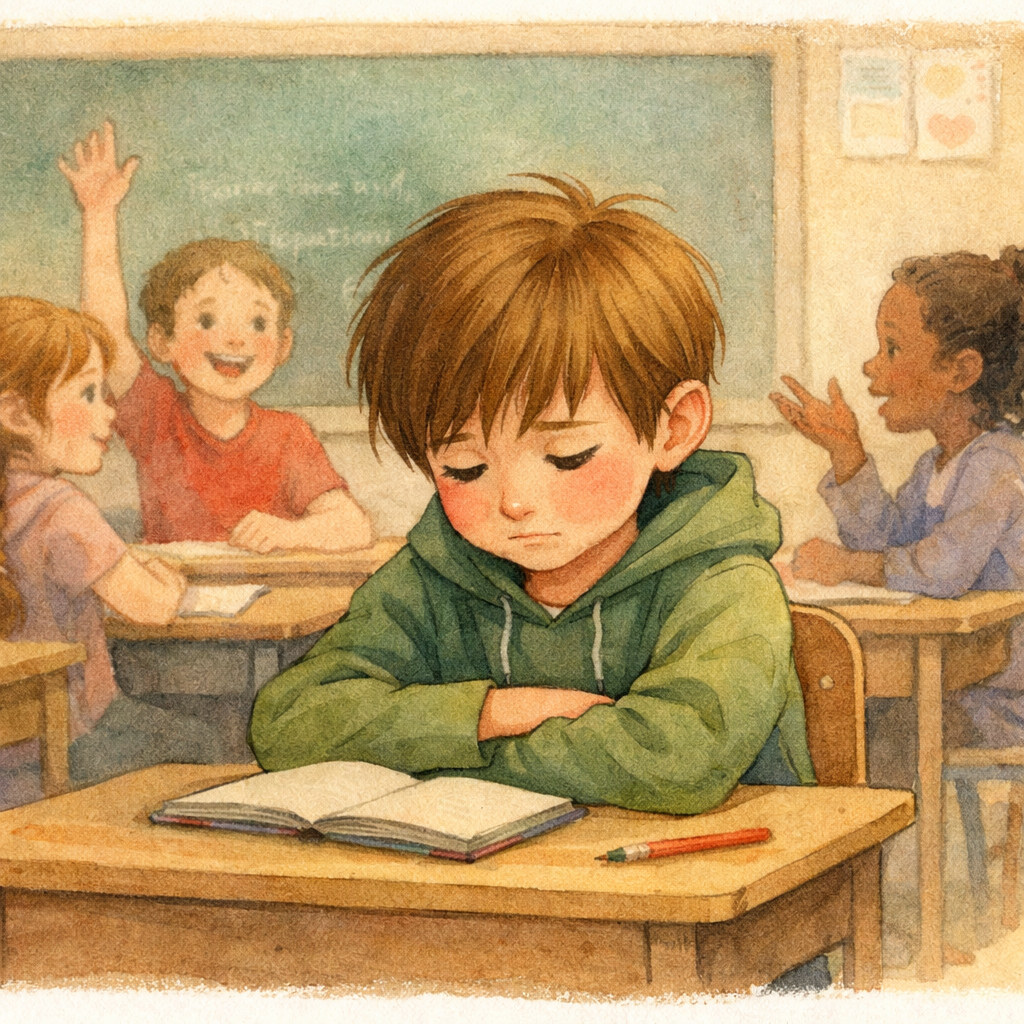
Children with social anxiety frequently struggle to answer questions in class, completely freezing even when they confidently know the correct answer. This fear of speaking out loud can become so severe that it develops into a sub-condition known as selective mutism, where a child is fully capable of speaking comfortably at home but physically cannot force words out of their mouth in specific social environments, such as the classroom or around certain relatives.
Exploring the Root Causes of Social Anxiety in Children
Anxiety is rarely the result of a single event; rather, it is a complex intersection of biology, environment, and personal experiences. Understanding the root cause of your child's fear can help you tailor your approach to supporting them.
Genetics and Family History of Anxiety
Anxiety often runs powerfully in families. If a parent, grandparent, or sibling struggles with anxiety disorders, the child is biologically predisposed to have a highly sensitive, highly reactive nervous system. Furthermore, children are brilliant observers. If they consistently watch a primary caregiver model anxious behaviour, model anxious behaviours—such as avoiding crowds, acting highly stressed before social gatherings, or frequently expressing fear of judgment—the child will naturally internalize the belief that the social world is an inherently dangerous place.
Negative Social Experiences or Bullying
A single, highly traumatic social event can act as the catalyst for long-term social anxiety. If a child experiences severe teasing, chronic bullying, peer rejection, or a deeply humiliating public moment (like vomiting in the classroom or being laughed at while reading aloud), their brain immediately files that experience away as a major threat. Moving forward, the brain trigger-fires anxiety in any similar situation in a misguided attempt to protect the child from experiencing that profound emotional pain again.
Overprotective Parenting Styles
While it comes from a place of deep, protective love, an overly accommodating or "helicopter" parenting style can inadvertently fuel social anxiety. When parents constantly step in to rescue a child from minor social discomforts—like speaking for them at a restaurant, immediately removing them from a birthday party when they cry, or actively sheltering them from new experiences—the child never gets the crucial opportunity to learn that they are capable of surviving awkwardness. The primary message the child's brain receives is that they are fragile and the world is too scary for them to handle independently.
Low Self-Esteem and Lack of Confidence
Children who struggle with low self-worth or who possess a harsh, highly critical inner voice are incredibly vulnerable to social anxiety. If a child internally believes they are unintelligent, physically unattractive, or uninteresting, they will automatically assume that every single person they meet is judging them through that exact same highly critical lens.
Sudden Changes in Environment or School
Major life transitions are highly destabilizing for a developing nervous system. Experiencing a parental divorce, facing the death of a family member, moving to a completely new city, or transitioning from elementary to middle school removes a child's established safety net. These major disruptions can strip away their foundational confidence, triggering severe social anxiety as they struggle to adapt to unfamiliar, entirely unpredictable new peer groups.
Highly Effective Ways to Help Children Overcome Social Anxiety
Watching your child suffer from paralyzing fear is deeply painful for any parent. However, the most important thing you can do is avoid the trap of helping them avoid their fears. Avoidance feeds anxiety; exposure starves it. Here are the most effective, developmentally appropriate strategies to help your child gently face and overcome their social fears.
Encourage Gentle, Gradual Exposure to Social Situations
Child psychologists refer to this as the "stepladder approach." Instead of tossing your child into the deep end of a massive social gathering, break their goals down into tiny, highly manageable steps. If your child is terrified of talking to strangers, step one might simply be making eye contact with the grocery store cashier while you handle the talking. Step two might be practicing saying "hello" to the mail carrier. Step three could involve them eventually handing the money to the cashier themselves. Celebrate every single micro-victory along the ladder. Gradual exposure teaches the child's brain that social interactions are safe, slowly overwriting their internal alarm system.
Practice Social Skills at Home Through Role-Playing
Anxiety heavily thrives on the terrifying unknown. You can intentionally remove this unknown factor by actively practicing social interactions at home in a safe, completely judgment-free environment. Use role-playing to rehearse exact scripts for highly stressful upcoming situations. If they are nervous about the first day of school, pretend you are a new student and have them practice walking up to you, saying their name, and asking to play. Rehearsing these specific scripts builds essential muscle memory, giving them a mental anchor to lean on when the real anxiety eventually hits.
Praise Exceptional Effort, Not Just the Outcomes
When an anxious child attempts something frightening, the ultimate result does not matter; the brave attempt is everything. Praise their effort, not just their outcomes. If your child tries to ask a peer to play on the Playground but gets ignored, immediately validate their incredible bravery for trying. Say something like, "I know you were feeling so scared, but you walked right up and used your strong voice anyway. I am so incredibly proud of your courage." When a child realizes that their worth is tied to their resilience rather than their social success, their intense fear of failure begins to dramatically shrink.
Explicitly Teach Deep Relaxation Techniques
Because social anxiety causes a severe physical reaction in the body, children need concrete physical tools to counteract the panic. Teach relaxation techniques like deep rhythmic breathing before the high-stress event occurs. Teach them "box breathing" or have them imagine they are slowly smelling a beautiful flower and then gently blowing out a flickering candle. You can also teach grounding exercises, such as asking them to quickly name five things they can see, four things they can touch, and three things they can hear. These deep, physical exercises forcefully lower the heart rate, shifting the brain out of the panicked amygdala and back into the logical prefrontal cortex.
Maintain Open Communication and Emotional Validation
Never dismiss, mock, or minimize your child’s intense fears. Saying things like "There is nothing to be afraid of" or "You are being completely silly" immediately shuts down communication and makes the child feel deeply misunderstood and completely isolated. Instead, maintain open communication and provide deep emotional support by validating their feelings, even if the fear seems entirely irrational to you. Say, "I can see that walking into that loud classroom makes your tummy feel sick right now. It is okay to feel scared. We can do hard things together, and I am right here with you."
The Critical Importance of Seeking Professional Intervention
While consistent parental support is powerful, chronic social anxiety that severely interferes with a child's ability to attend school, eat, or sleep often requires specialized professional help. A licensed child psychologist can equip your child with highly specialized tools to identify and actively challenge their own catastrophic thoughts, completely transforming the way their brain processes social situations. Do not hesitate to engage the help of a school counselor or therapist if the anxiety persists.
Building Resilient Confidence: Helping Your Child Overcome Social Anxiety
Help your child build resilient confidence and powerfully overcome social anxiety with unwavering patience, deep empathy, and structured support. Early guidance and intentional exposure can make a massive, life-altering difference in their long-term emotional growth and holistic social development. You have the power to safely guide your child out of fear and into a thriving, connected life!
Are you looking for more actionable, expert-backed advice to help your child navigate complex emotions? Reach out for a consultation or call daar at 02 9133 2500.
Frequently Asked Questions (FAQs)
1. What exactly is social anxiety in kids?
Social anxiety goes far beyond normal childhood shyness. It is a highly intense, persistent fear of social situations where children profoundly worry about being heavily judged, publicly embarrassed, or ultimately rejected by their peers and surrounding adults. This debilitating fear actively prevents them from participating in normal, age-appropriate activities and causes severe emotional and physical distress.
2. How can I reliably tell if my child actually has social anxiety?
Clear signs include a severe, chronic avoidance of normal social activities (like refusing to go to school or birthday parties), extreme physical shyness, displaying physical panic symptoms in social settings (such as sweating, crying, or complaining of sudden stomach aches), and a paralyzing fear of speaking in groups or answering questions out loud in the classroom.
3. Can social anxiety in children be successfully and permanently treated?
Yes, absolutely. Childhood social anxiety is highly treatable. With consistent parental support, structured and gradual exposure to feared situations and a deeply positive, supportive home environment, the vast majority of children completely learn to manage their fears, drastically build their social confidence, and improve significantly over time.
.svg)




.svg)