
.png?width=48&height=48&name=Group%201%20(3).png)























15 April, 2026

Sleep Time for Kids: Finding the Perfect Bedtime
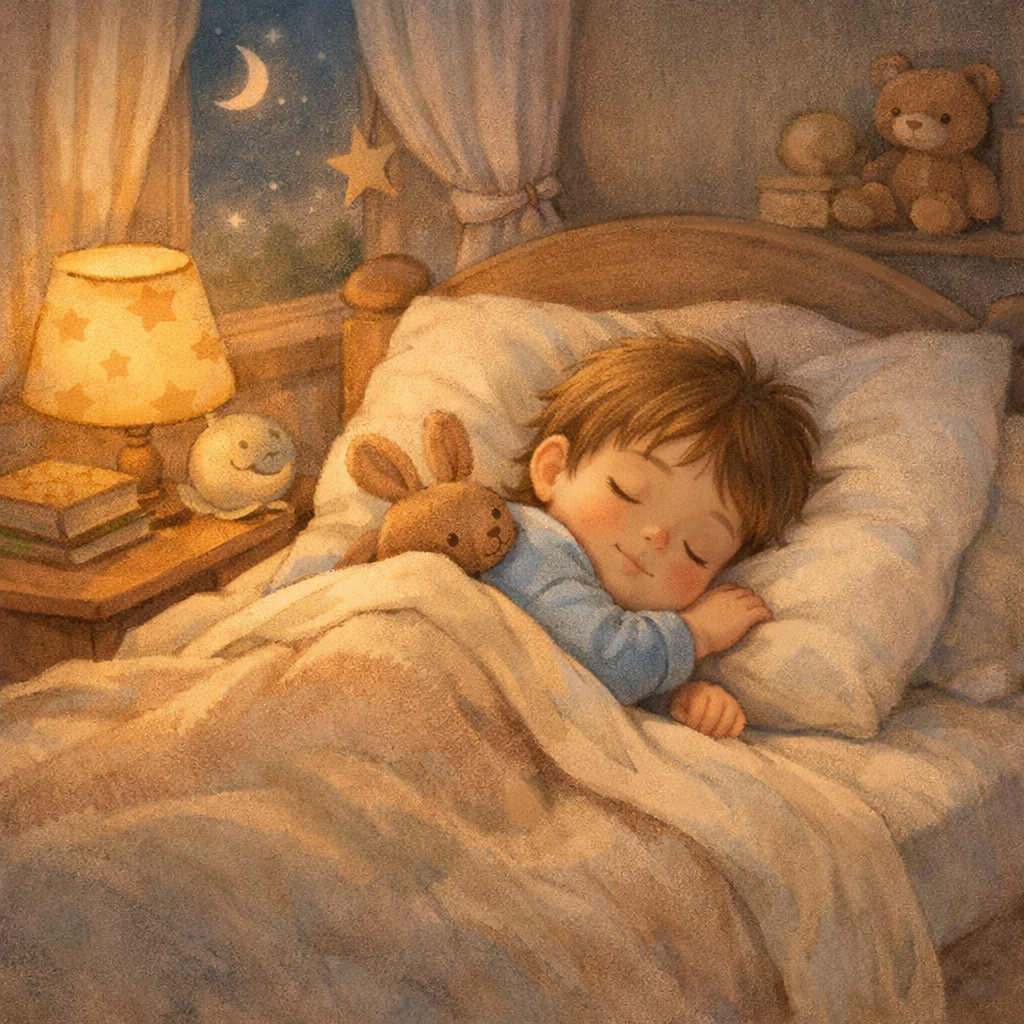
If there is one daily milestone that dictates the peace and harmony of a household, it’s bedtime. Navigating the perfect sleep environment and time for kids can sometimes feel like solving a complex puzzle. Between stalling tactics, "one more cup of water" requests, and early morning wake-ups, finding the right rhythm is essential for both you and your child, especially to prevent potential mental health issues.
Establishing a solid kids sleep schedule is about more than just getting a quiet evening for yourself; it’s a biological necessity for your child's growth, as highlighted in the consensus statement. In this comprehensive guide, we will explore exactly how much sleep kids need, including the average number of hours of sleep recommended for their age, pinpoint the best bedtime for children by age, and share practical ways to build healthy sleep habits for kids.
Why Bedtime Matters for Children’s Health and Development
Sleep isn't just a physical time-out; it is a highly active period for your child's developing body and brain. Securing the proper sleep time for kids, as the national sleep foundation emphasizes, impacts almost every facet of their well-being, including how much sleep children truly need for optimal health.
- Brain Development: While kids sleep, their brains consolidate learning and store memories. Proper rest improves focus, problem-solving skills, and academic performance. Insufficient sleep can hinder these crucial processes.
- Emotional Regulation: A well-rested child has a much easier time managing big feelings. Adequate sleep helps keep the brain's emotional center balanced, reducing daily tantrums and anxiety.
- Physical Growth: Deep sleep triggers the pituitary gland to release human growth hormone, which is vital for tissue repair and physical growth.
- Overall Health & Immunity: Sleep bolsters the immune system, helping children fight off colds and stay healthy throughout the school year.
How Much Sleep Do Kids Need? Recommended Sleep Time by Age
Because children grow so rapidly, their sleep needs change constantly. Here is the recommended amount of sleep children need by age (including daytime naps) and sample schedules to help you find the best bedtime for children in your home, ultimately enhancing their quality of life.
Infants (4–12 Months)
- Total Sleep Needed: 12–16 hours
- Sample Schedule:
- Wake Up: 7:00 AM
- Naps: 2–3 naps totaling 3–4 hours
- Bedtime: 7:00 PM
Toddlers (1–2 Years)
- Total Sleep Needed: 11–14 hours
- Sample Schedule:
- Wake Up: 6:30 AM
- Nap: 1:00 PM – 3:00 PM
- Bedtime: 7:30 PM
Preschoolers (3–5 Years)
- Total Sleep Needed: 10–13 hours
- Sample Schedule:
- Wake Up: 7:00 AM
- Nap: Most drop naps by age 4 or 5
- Bedtime: 7:30 PM (to compensate for dropped naps)
School-Aged Children (6–12 Years)
- Total Sleep Needed: 9–12 hours
- Sample Schedule:
- Wake Up: 6:30 AM (for school)
- Bedtime: 8:00 PM – 8:30 PM
Teens (13–18 Years)
- Total Sleep Needed: 8–10 hours
- Sample Schedule:
- Wake Up: 6:00 AM
- Bedtime: 9:30 PM – 10:00 PM
Signs a Child is Not Getting Enough Sleep
Not sure if your current kids' sleep schedule is working? Watch out for these common signs ofsleep deprivation, especially in kids who were born full term:
- Extreme difficulty waking up in the morning.
- Falling asleep during short car rides during the day.
- Hyperactivity or "bouncing off the walls" in the evening.
- Frequent mood swings, irritability, or meltdowns over minor things.
- Trouble concentrating on schoolwork or chores.
Tips to Create a Consistent Bedtime Routine
Building healthy sleep patterns and habits for kids starts long before their head hits the pillow. A predictable routine signals to the body that it’s time to wind down. If your kids are having trouble sleeping, following a consistent routine can help them feel more relaxed and ready for bed.
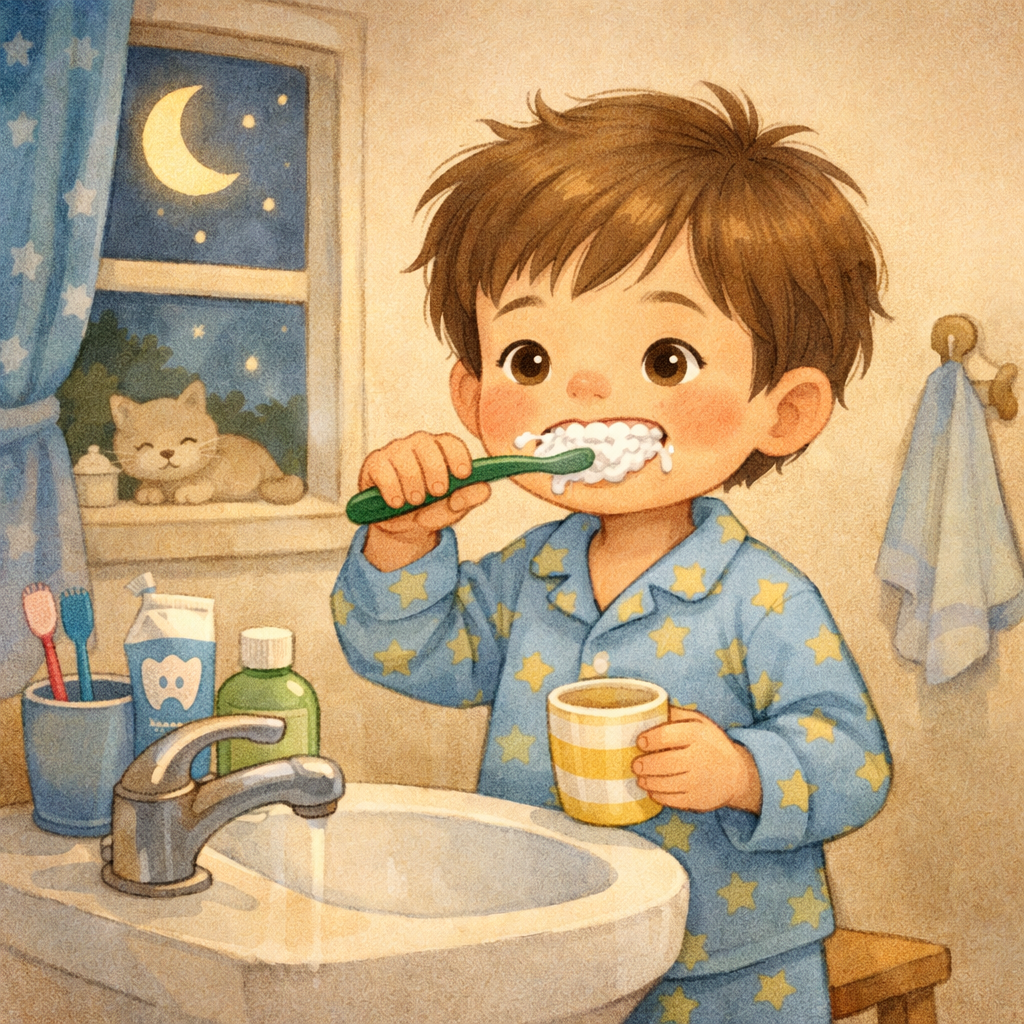
- Follow a Sequence: Try a basic 30-to-45-minute routine, like bath, pajamas, teeth brushing, and reading a book.
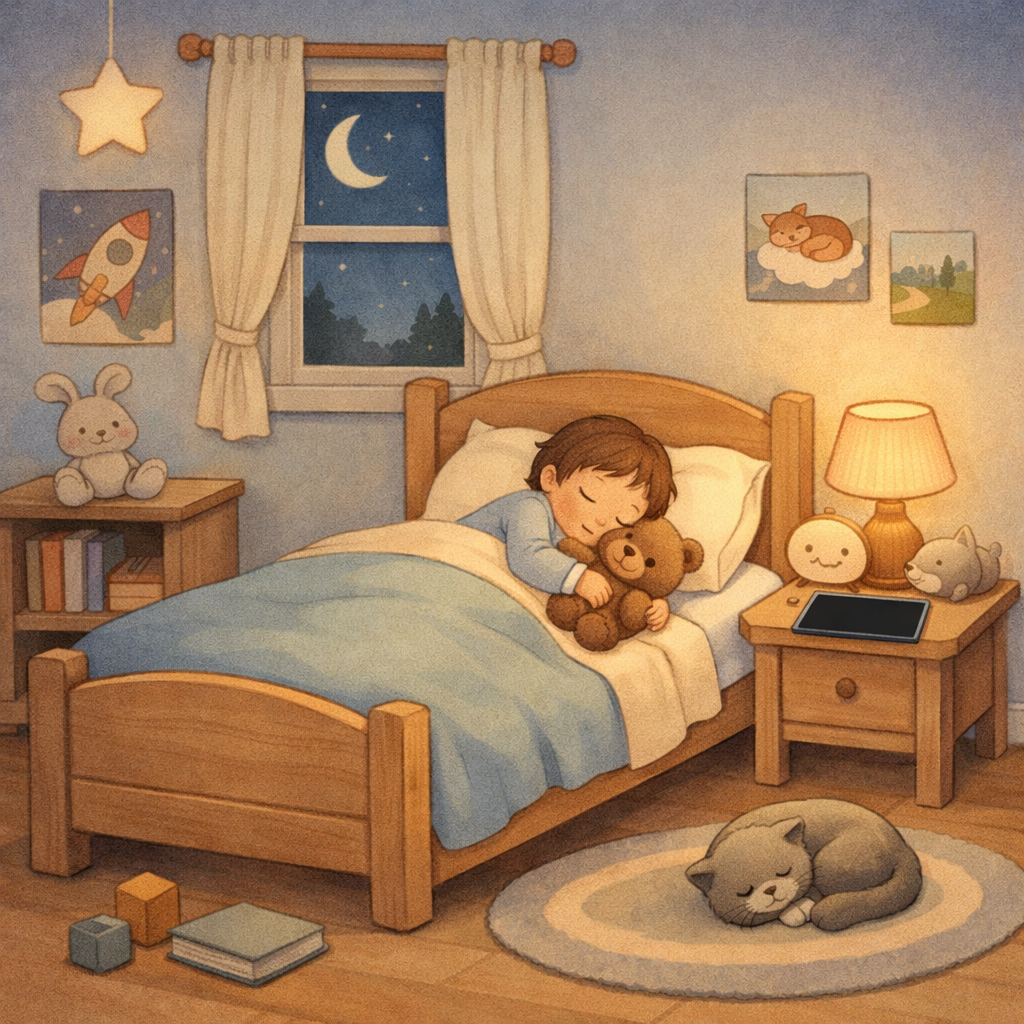
- Keep the Bedroom Sleep-Friendly: The room should be dark (use blackout curtains), cool (around 65°F–68°F), and quiet (white noise machines work wonders).
- Enforce a Digital Curfew: The blue light from screens blocks melatonin production. Turn off all tablets, TVs, and phones at least an hour before the target sleep time.
Common Sleep Challenges and How to Solve Them
Even with the best intentions, sleep hiccups happen. Here is how to handle common roadblocks:
1. The Bedtime Staller
If your child constantly asks for extra hugs, more water, or another story, offer choices early in the routine to give them control ("Red pajamas or blue?"). Additionally, keeping a sleep diary on a regular basis can aid in tracking their nighttime requests. Use a visual timer so the clock, not the parent, dictates when lights go out.
2. Night Wakings
If your child frequently wakes up in the middle of the night, ensure they are falling asleep independently and developing good sleep habits to prevent issues like night terrors. If you stay in the room until they fall asleep at 8:00 PM, they will expect you to be there when they wake up at 2:00 AM.
3. Early Birder Risers
For kids who wake up before the sun, invest in a "tot clock" that glows red when it is time to sleep and green when it is acceptable to get out of bed based on the recommended amount of sleep. Encouraging regular physical activity during the day can also help promote better sleep habits.
Ready for Peaceful Nights? Take Action Today!
Establishing the perfect sleep time for kids doesn't happen overnight, but consistency is the key to unlocking happier days and peaceful evenings. Start your consistent bedtime routine tonight!
Reach out for a consultation or call daar at 02 9133 2500 and take the first step toward building healthy sleep habits for your child today!
Frequently Asked Questions (FAQs)
What is the best bedtime for kids?
The best bedtime for children depends entirely on what time they need to wake up. Take their wake-up time and count backward using the recommended hours of sleep for their age, especially for children 1 to 2 years of age. For most toddlers and school-aged kids, the sweet spot is between 7:30 PM and 8:30 PM, based on general guidelines.
How many hours should a child sleep each night?
It varies by age. Infants need 12-16 hours, toddlers require 11-14 hours, preschoolers need 10-13 hours, and school-aged children should get consistent sleep of 9-12 hours, while teens need 8-10 hours of sleep per 24-hour cycle, which is crucial for their overall physical health.
How can I fix my child’s sleep schedule?
To fix a broken kids sleep schedule and promote optimal health, shift their bedtime and wake time gradually to establish a more regular sleep schedule. Move their bedtime 15 minutes earlier every few days until you reach the goal time. Pair this with a strict "no screens before bed" rule and lots of morning sunlight to reset their internal clock.
.svg)




.svg)