
.png?width=48&height=48&name=Group%201%20(3).png)























16 March, 2026

Tips for Healthy Sleep with Autism and Sleep
If you are the parent or caregiver of an autistic child, you already know that bedtime can sometimes feel like the most challenging part of the day. Instead of a peaceful winding down, evenings might be filled with restlessness, resistance, or hours of wide-awake energy. You are not alone in this struggle. Sleep problems autism, particularly related to stages of sleep such as rapid eye movement sleep, are incredibly common, affecting up to 80% of children on the autism spectrum.
When a child doesn't get enough rest, the effects ripple through the entire household. Poor sleep can significantly impact an autistic child’s mood, making emotional regulation more difficult the next day. It can hinder learning, decrease focus, and increase daytime behavioural challenges. Furthermore, when your child isn't sleeping, neither are you, which takes a heavy toll on family well-being, parental mental health, and can lead to feelings of exhaustion. Studies suggest that sleep issues are quite common in both autistic children and adults, but they tend to be more prevalent and severe in autistic children. However, many autistic adults continue to experience sleep challenges, which can affect daily functioning and quality of life.
The good news is that while autism and sleep can be a complex puzzle, there are proven, compassionate strategies to help. By understanding the root causes of these challenges, including sensitivities to certain stimulants, and implementing a consistent, tailored sleep routine for your autistic child, you can dramatically improve sleep quality for your little one—and bring much-needed rest to your entire family. It's also important to note that autistic women may experience different sleep issues compared to men. Research suggests sensory sensitivities, anxiety, or co-occurring conditions can have varying impacts on sleep depending on gender, so addressing sleep challenges often requires a personalized approach.
Common Sleep Problems in Autism
Every autistic child is unique, and their sleep challenges, including sleep disorders, can vary widely. However, researchers and parents alike note several recurring patterns when it comes to autism sleep difficulties. Understanding what you are dealing with is the first step toward finding a solution.
Typical sleep challenges include:
- Difficulty Falling Asleep (Sleep Onset Insomnia): Many autistic children lie awake for hours after being put to bed. Their minds and bodies may struggle to transition from the active daytime state to a relaxed, sleep-ready state.
- Frequent Night Waking: Staying asleep is often just as hard as falling asleep. A child might wake up multiple times during the night and struggle to self-soothe and return to sleep independently.
- Early Waking: Some children wake up extremely early in the morning—sometimes at 3:00 or 4:00 AM—ready to start the day, regardless of what time they went to bed. Clinicians can assess sleep issues in people with autism by gathering detailed sleep histories from caregivers, using sleep diaries, and employing standardized questionnaires or tools designed to track patterns of sleep and early waking. In some cases, actigraphy or overnight sleep studies may also be recommended to better understand the nature and severity of sleep problems.
- Irregular Sleep Patterns: You might notice that your child’s sleep schedule is highly unpredictable. They might sleep well for a few days and then experience a week of severe sleep disruptions.
- Sensory Sensitivities at Bedtime: The bedroom environment might be overwhelming. The texture of the sheets, the hum of a fan, or a sliver of light from the hallway can be intensely distracting or uncomfortable for a child with sensory processing differences.
Why Autistic Children Often Struggle With Sleep
To effectively help your child, it is helpful to understand why these sleep disruptions occur, including the impacts on sleep duration. Autism and sleep issues are rarely a matter of a child simply 'refusing' to sleep; they are usually rooted in biological, neurological, and emotional factors.
Differences in Melatonin Production
Melatonin is the hormone responsible for regulating our sleep-wake cycles. Research suggests that many autistic children with autism spectrum disorder (ASD) produce less melatonin than their neurotypical peers, or they release it at irregular times. This biological difference makes it genuinely harder for their bodies to recognize that it is time to sleep.
Sensory Processing Differences
Children on the autism spectrum often experience the world differently through their senses. They may exhibit repetitive behaviors and be hyper-reactive to stimuli that others easily ignore. A tag on pajamas, the smell of laundry detergent, or the sound of traffic outside can feel magnified, keeping their nervous system on high alert and preventing relaxation.
Anxiety or Bedtime Resistance
Anxiety is a common co-occurring condition with autism, often exacerbating sleep anxiety. As bedtime approaches, the quiet and dark can amplify a child's worries. Additionally, the transition from a preferred activity (like playing or watching a video) to a non-preferred activity (going to sleep) can trigger resistance and distress.
Need for Structure and Predictability
Autistic children often thrive on routine and predictability. If bedtime routines are inconsistent or if the transition to sleep feels abrupt and unstructured, the child may feel unmoored and anxious, making it difficult to get enough sleep and thus nearly impossible to achieve restful sleep.
How to Create a Sleep Routine for an Autistic Child
Creating an autistic child's bedtime routine requires patience, consistency, and a willingness to tailor the environment to your child's specific needs, including ensuring a comfortable room temperature. Here are practical steps to build a routine that works.
1. Keep Consistent Bedtime and Wake Times
Our bodies rely on internal clocks. Set a strict, consistent bedtime and wake-up time for your child, and stick to it every single day—even on weekends. Consistency helps regulate their internal clock and reinforces when it is time to rest.
2. Use Visual Schedules or Bedtime Charts
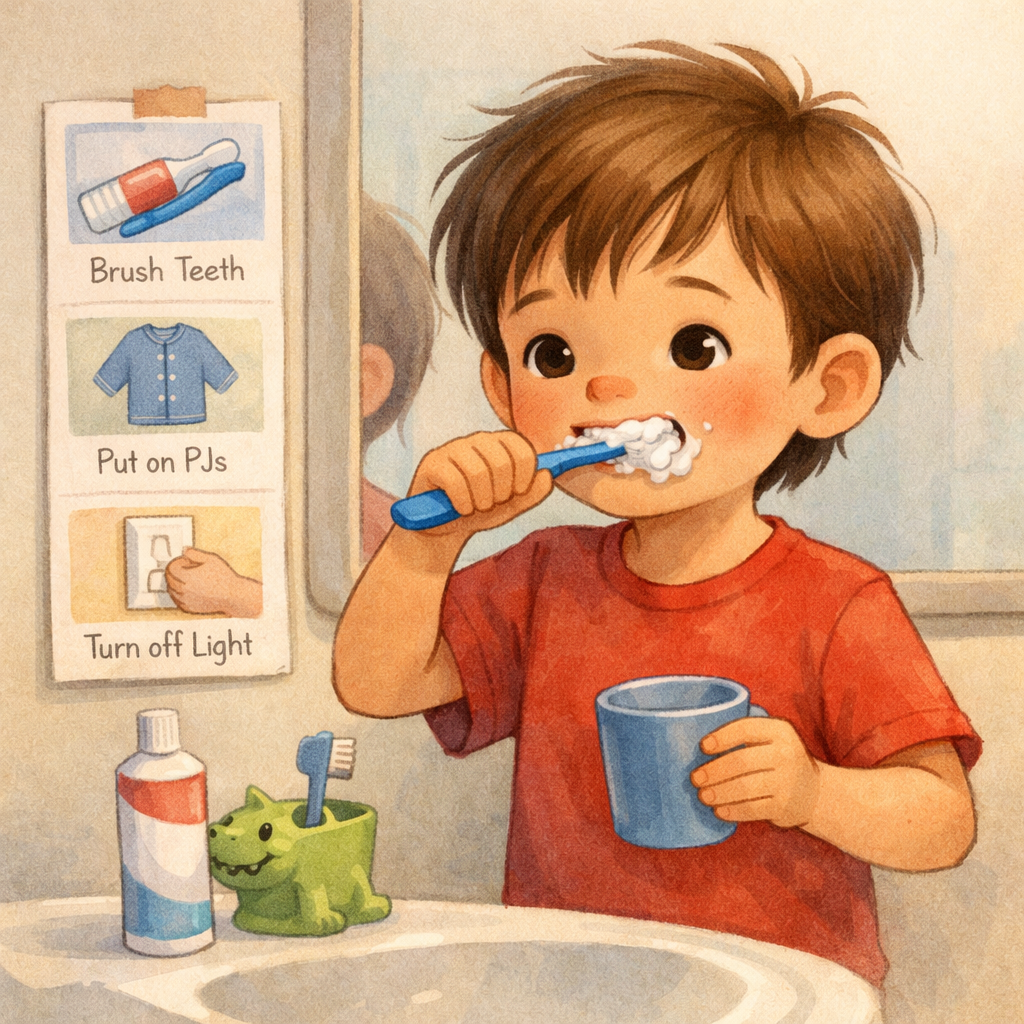
Because many autistic children are visual learners, a visual schedule focusing on good sleep hygiene can be a game-changer. Create a chart with pictures or simple words showing the exact steps of the bedtime routine (e.g., Bath -> Pajamas -> Brush Teeth -> Read Book -> Sleep). This provides predictability and reduces anxiety about what comes next.
3. Create Calming Bedtime Activities
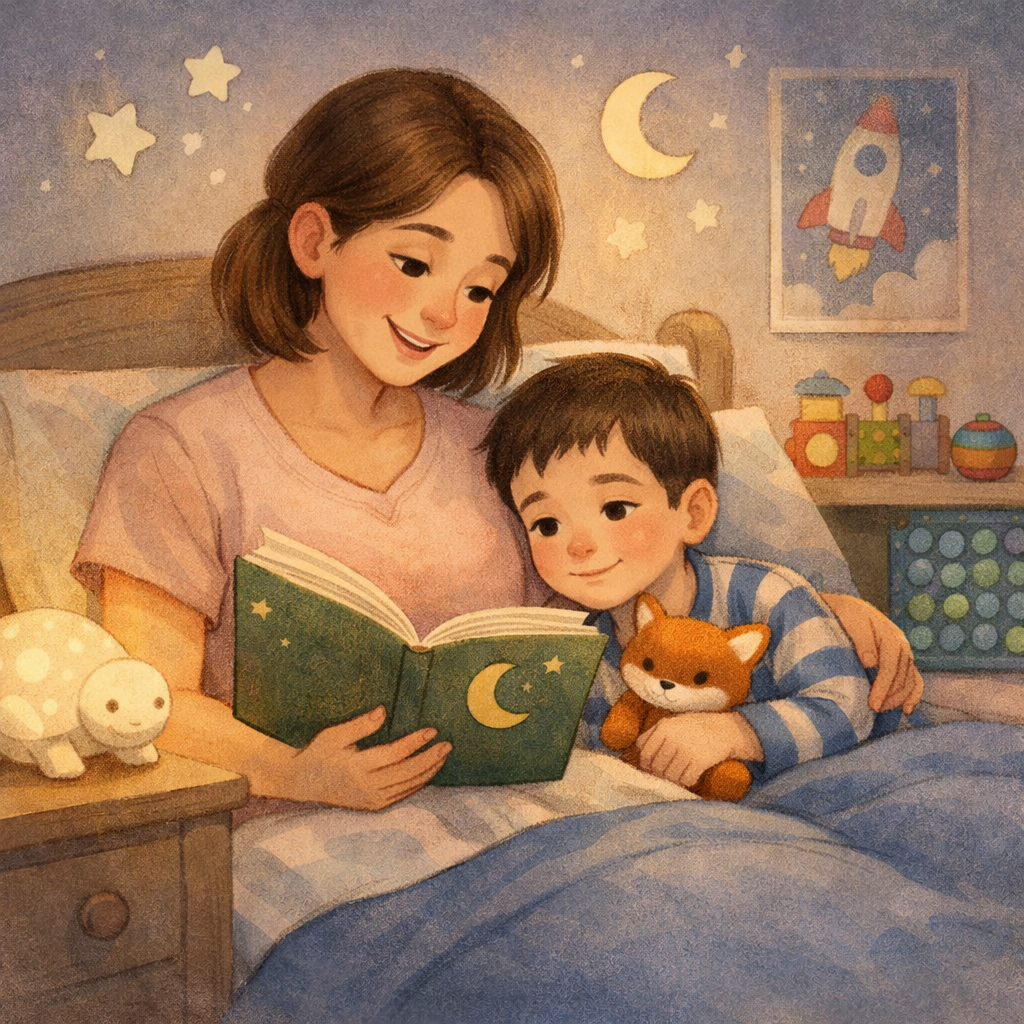
The hour before bed should be focused on winding down. Incorporate calming activities that help soothe your child's nervous system. This might include a warm bath, gentle stretching, reading a favorite book, or listening to soft, rhythmic music.
4. Limit Screens Before Bedtime
The blue light emitted by tablets, phones, and televisions interferes with the brain's natural production of the sleep hormone melatonin. Turn off all screens at least one to two hours before bedtime to give your child's brain a chance to prepare for sleep.
5. Design a Sensory-Friendly Bedroom Environment
Evaluate your child's bedroom through a sensory lens.
- Light: Use blackout curtains to block outside light. If they need a nightlight, choose a dim, warm-toned light (like red or amber) rather than bright white or blue.
- Sound: If your child is sensitive to household noises, consider a white noise machine or a fan to provide a consistent, soothing auditory backdrop.
- Touch: Ensure pajamas are tag-free and made of soft, breathable fabric. Let your child choose bedding that feels comfortable to them.
6. Gradually Introduce Routine Changes
If your current bedtime is chaotic, don't try to change everything in one night. Autistic children can find sudden changes deeply distressing. Introduce new elements of the sleep routine for autistic people gradually, one step at a time, offering plenty of praise and reassurance.
Practical Tips for Parents
Beyond the basic routine, here are a few actionable suggestions to help manage autism sleep difficulties, as these challenges are prevalent among children with autism compared to the general population:
- Use Weighted Blankets (If Appropriate): For some children, the deep pressure provided by a weighted blanket can be incredibly calming and help them feel secure. Always consult with your pediatrician or occupational therapist to ensure you choose the correct weight (usually around 10% of the child's body weight) and that it is safe for your child.
- Create a Predictable Bedtime Sequence: The order of events matters just as much as the events themselves. Doing the same things in the same order every night signals to the brain that sleep is imminent.
- Manage Nighttime Awakenings: If your child wakes in the night, keep interactions brief, boring, and low-light. Gently guide them back to bed without engaging in play or lengthy conversations. The goal is to reinforce that nighttime is for sleeping.
- Track Sleep Patterns: Keep a sleep diary for a few weeks. Note what time your child goes to bed, when they wake up, what they ate, and any daytime behaviors. This can help you identify hidden triggers for poor sleep and is valuable information to share with a doctor.
Conclusion
Navigating sleep problems in autism can be an exhausting journey, but there is hope. By understanding your child's unique sensory and biological needs, you can begin to transform bedtime from a nightly battleground into a peaceful transition. Hypersomnia, a condition that can affect some autistic children, is important to consider in this process. Remember that building a healthy autistic child bedtime routine takes time, patience, and a lot of trial and error. Celebrate the small victories, stay consistent, and be gentle with yourself and your child as you figure out what works best.
Consistent sleep routines are vital not just for your child's development and happiness, but for addressing sleep disturbances and your family's overall well-being. You do not have to figure this out entirely on your own.
If your child struggles with sleep, you’re not alone. Explore our resources on autism support and download our free bedtime routine guide to help create a comfortable sleep environment and calmer nights for your family.
Reach out for a consultation or call daar at 02 9133 2500 for personalized guidance on helping your autistic child get the rest they deserve.
FAQ Section
Why do autistic children often have sleep problems?
Autistic children frequently experience sleep problems due to a combination of biological, sensory, and behavioral factors related to autism spectrum disorder (ASD). Neurologically, they may have irregular melatonin production, making it hard for their bodies to regulate sleep cycles. Sensory processing differences can make the bedroom environment feel overwhelming, while high levels of anxiety and a strong need for predictable routines can make the transition to sleep highly stressful.
What is the best sleep routine for an autistic child?
The best sleep routine for an autistic child is one that is highly predictable, visually supported, and sensory-friendly. A simple routine might look like this: turning off screens an hour before bed, taking a warm bath, putting on comfortable pajamas, following a visual schedule chart, reading a calming story, and sleeping in a dark, quiet, and cool room. Developing healthy sleep habits and consistency is the most important element.
How long should it take an autistic child to fall asleep?
Typically, a child should fall asleep within 20 to 30 minutes of going to bed. However, due to autism sleep difficulties, it is not uncommon for autistic children to take an hour or more to settle. If your child consistently takes longer than 45-60 minutes to fall asleep or if bedtime is causing severe distress, it may be time to evaluate their routine or consult a professional for tips on achieving a more restful sleep.
When should parents seek help for autism-related sleep issues?
Parents should seek professional help if sleep problems persist despite establishing a consistent routine, if the lack of sleep is causing severe behavioral issues or safety concerns during the day, or if the child snores loudly or gasps for air (which could indicate sleep apnea). Additionally, food allergies and sensitivities, particularly to caffeine, may disrupt sleep, so discussing these with a pediatrician or a sleep specialist can rule out underlying medical conditions and may lead to options like melatonin supplements.
.svg)




.svg)