
.png?width=48&height=48&name=Group%201%20(3).png)























16 April, 2026

Kids Sleep and Growth: Why Sleep Is Essential for Child Development
When you finally tiptoe out of your child’s bedroom after tucking them in for the night, it is easy to view sleep as merely a quiet break—a time for them to rest and for you to finally relax. However, beneath that peaceful, sleeping exterior, an incredible amount of biological work is taking place, which can impact daytime sleepiness and overall health.
Sleep is not just rest for children; it is a highly active, critical time when their bodies and brains grow, develop, and recharge for the future. The relationship between kids' sleep and growth is one of the most fascinating aspects of human biology. From spurring sudden jumps in physical height to drastically improving emotional well-being and cognitive function, quality sleep plays a significant role in shaping a child’s overall development.
If you have ever caught yourself wondering if your child's bedtime battles are truly worth the effort, the answer is a resounding yes. In this comprehensive guide, we will dive deep into child development and sleep, explore the fascinating science of growth hormones, and share actionable, parent-tested tips to help you build healthy sleep habits and maintain a consistent sleep schedule for kids.
How Sleep Affects Child Growth and Development
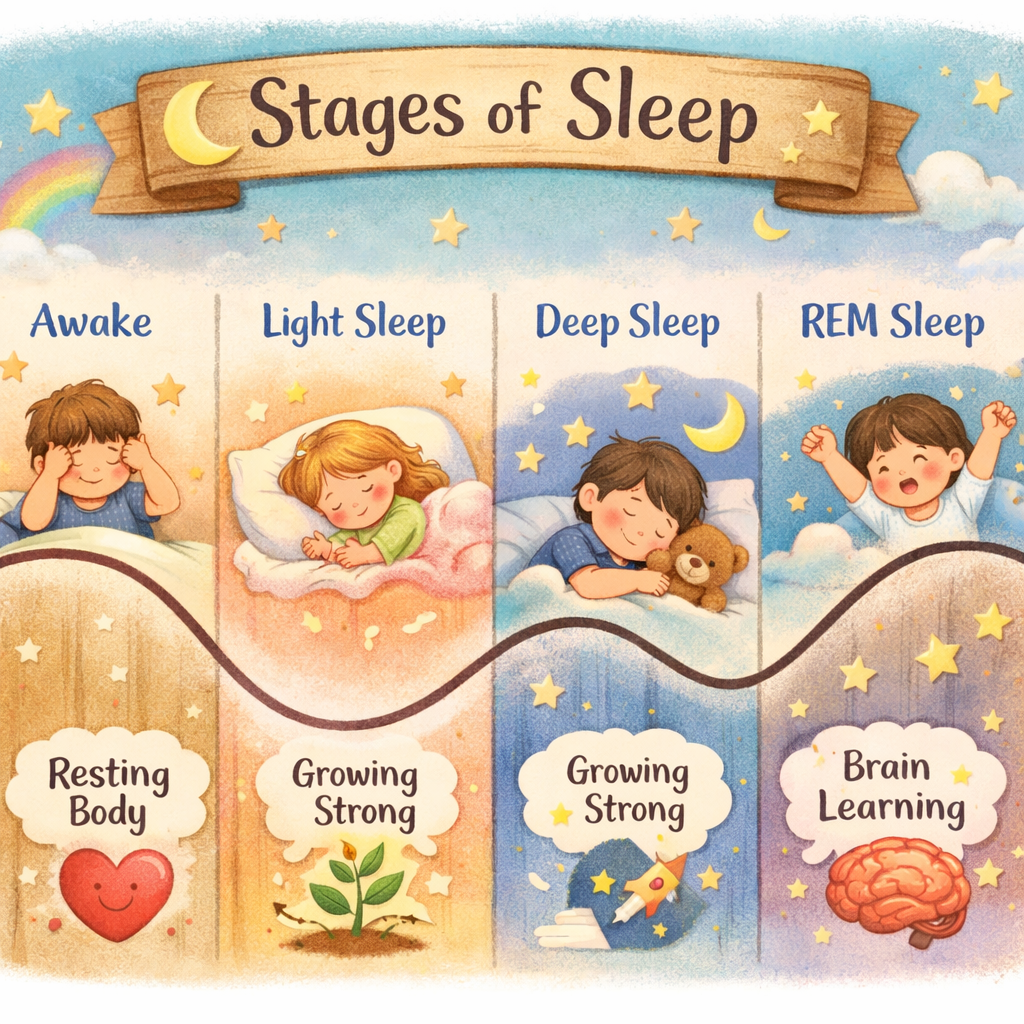
To truly understand the importance of the amount of sleep for kids, we have to look closely at what happens inside the body when the lights go out. Sleep occurs in cycles, moving between light sleep, deep sleep, and REM (Rapid Eye Movement) sleep. Each stage serves a specific, vital purpose for a growing child.
It is during slow-wave, deep sleep that the magic of physical growth and memory consolidation happens. Throughout these deep sleep cycles, a child’s pituitary gland releases human growth hormone (HGH). This specific hormone is the primary engine responsible for height, bone lengthening, muscle development, and cellular tissue repair. In fact, children produce and release the vast majority of their daily growth hormone while they are asleep.
At the same time, the brain is undergoing its own nightly workout. During REM sleep, the brain processes learning, organizes the day's events, solidifies memory, and works on emotional regulation, which is crucial for obtaining sufficient sleep.
Without enough quality, uninterrupted sleep, this delicate cycle is broken. Children who chronically miss out on sleep may experience delayed physical growth, immense difficulty concentrating in the classroom, a weakened immune system, and severe mood challenges. Simply put, the child growth hormone sleep connection is the biological foundation of a healthy growth and thriving kid.
Key Benefits of Healthy Sleep for Kids
The transformative power of a good night's rest impacts nearly every system in a child's body. Here are the four major pillars of how sleep fuels development:
1. Supports Physical Growth
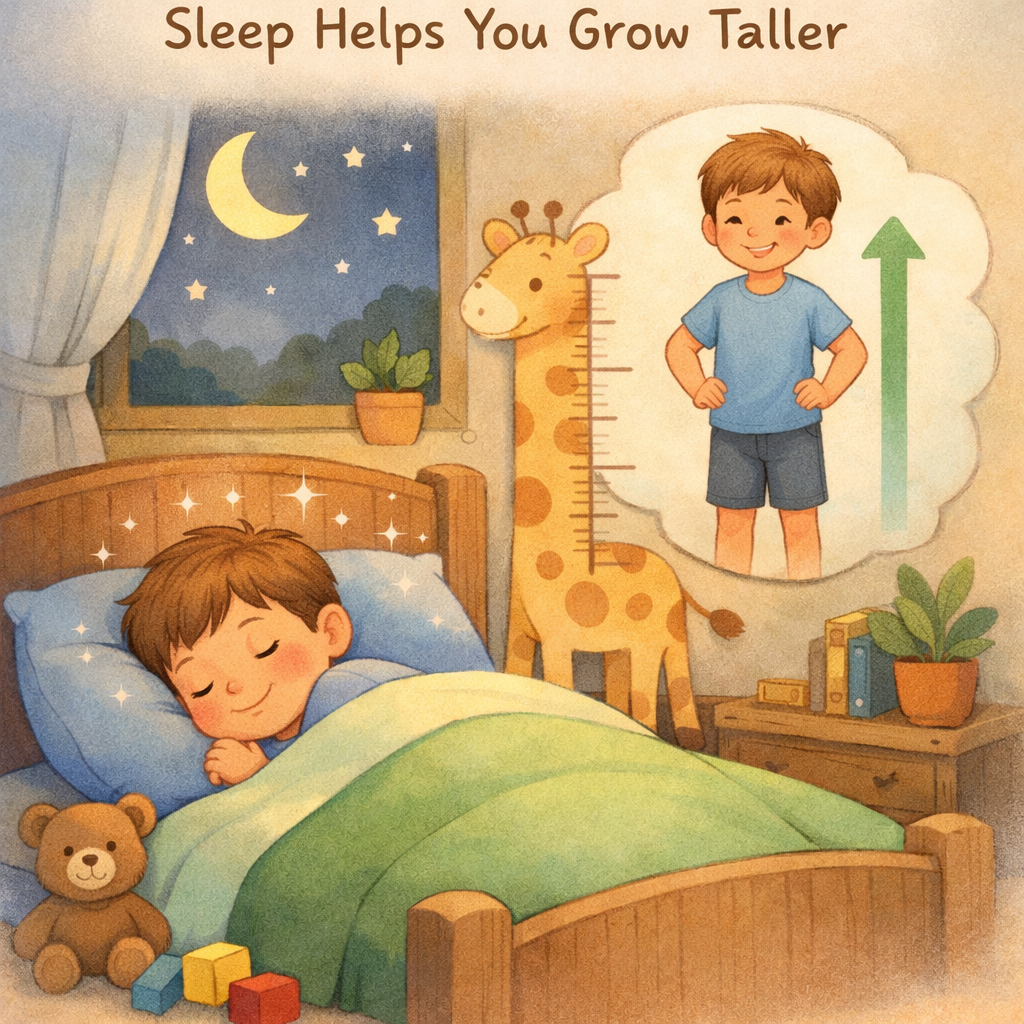
As mentioned, human growth hormone is primarily released during deep sleep, making consistent rest crucial for proper physical development and healthy sleep patterns. When a child enters a deep sleep cycle, their body focuses intensely on healing and growing. This is why children often sleep longer and deeper during major "growth spurts." Adequate sleep ensures their bones lengthen properly, their muscles recover from the physical demands of playground running and jumping, and their internal organs develop at a healthy pace.
2. Boosts Brain Development
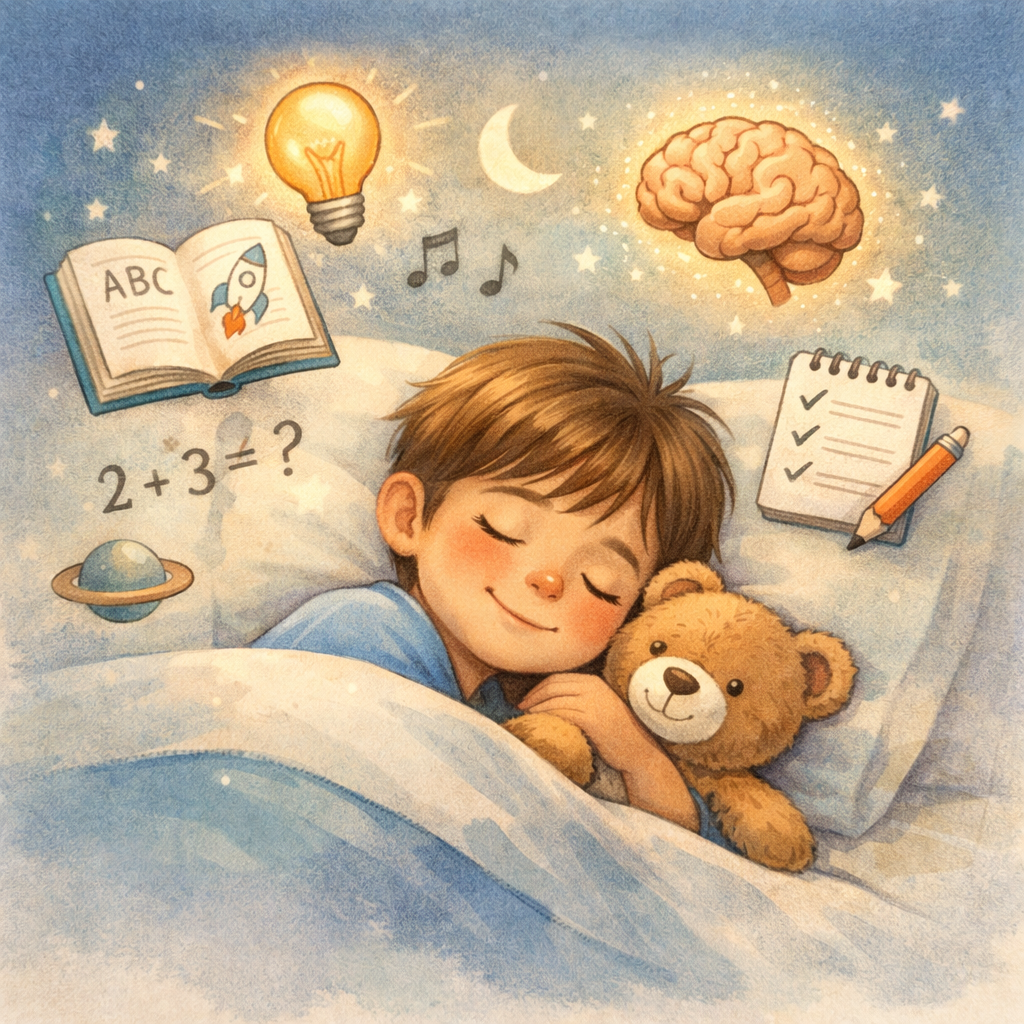
The link between sleep and brain development cannot be overstated. Think of a young children's brain like a messy desk at the end of a busy school day. Sleep is the filing system that organizes that desk. While they snooze, their brain strengthens neural connections, improves focus, and enhances executive functioning and problem-solving skills. Children who get their recommended hours of sleep consistently perform better academically, have an easier time grasping complex subjects like math and reading, and boast significantly sharper memories.
3. Improves Emotional Regulation
We have all witnessed the epic, world-ending meltdown of an overtired toddler or the sharp attitude of a sleep-deprived preteen. Well-rested children are significantly better equipped to manage stress, handle social conflicts, regulate their own emotions, and control their behaviour. Sleep restores the balance between the brain's emotional center (the amygdala) and the logical, decision-making center (the prefrontal cortex). Without sleep, the emotional center goes into overdrive, leading to tantrums, mood swings, increased anxiety, and irritability.
4. Strengthens Immunity
Adequate sleep is your child's natural armor against illnesses. While they are sleeping, their immune system produces infection-fighting proteins called cytokines. These proteins target inflammation and fight off viruses. Children who are chronically short on sleep, experiencing insufficient sleep, produce fewer of these protective proteins, making them much more susceptible to catching the common colds, flus, and stomach bugs circulating their daycare or school.
Tips to Improve Your Child’s Sleep
Knowing the science is half the battle; the other half is getting your energetic child to actually go to sleep! If your family is struggling with bedtime due to poor sleep, implementing these proven strategies can help you foster lasting, healthy sleep habits for kids:
Establish a Consistent Bedtime Routine
Children's brains thrive on predictability. A consistent, step-by-step bedtime routine, as recommended, signals to their nervous system that the busy day is over and it is time to wind down. Aim for a 30-to-45-minute routine that includes calming activities like taking a warm bath, putting on cozy pajamas, brushing teeth, and reading a favorite story together in a dimly lit room.
Create a Calm and Comfortable Sleep Environment
The bedroom should be a sanctuary optimized strictly for rest and to support physical health. Create a "sleep cave" by keeping the room cool (paediatricians generally recommend between 65°F and 68°F). Use high-quality blackout curtains to prevent early morning sunlight or neighborhood streetlamps from disrupting their rest. Finally, incorporate a white noise machine or a quiet fan to block out sudden, jarring household noises that might pull them out of a deep sleep cycle.
Limit Screen Time Before Bed
In the digital age, this is often the hardest rule to enforce, but it is undoubtedly the most important for overall health. The artificial blue light emitted by televisions, tablets, video games, and smartphones tricks the brain into thinking the sun is still up. This completely halts the body's natural production of melatonin, the hormone that makes us feel sleepy. Limit all screen time for at least one hour before your target bedtime to allow their natural sleep hormones to take over.
Encourage Physical Activity During the Day
A physically tired child is a sleepy child! Regular, vigorous physical activity during the day helps burn off excess energy and builds up a natural "sleep debt" that makes falling asleep at night much easier. Regular exercise, such as encouraging at least 60 minutes of active, outdoor play every day, can be beneficial. Just be sure to avoid intensely vigorous playground games or sports within two hours of bedtime, as the resulting adrenaline spike can accidentally keep them awake.
Maintain Regular Sleep and Wake Times
It is incredibly tempting to let kids stay up late on Friday night and sleep in until noon on Saturday. Unfortunately, this creates "social jetlag," throwing their delicate circadian rhythm entirely out of whack, which can lead to issues like obstructive sleep apnea. By Sunday night, they won't be tired, making Monday morning a nightmare for everyone. Try to maintain regular sleep and wake times seven days a week, keeping weekend wake-ups within an hour of their typical weekday schedule.
Help your child grow stronger, smarter, and healthier
Starting with better sleep tonight. By prioritizing a predictable routine and a peaceful environment, you are giving them the ultimate foundation for lifelong wellness, which can also prevent potential sleep problems.
Want to explore more parenting tips and expert advice? Reach out for a consultation or call daar at 02 9133 2500 and stay informed every step of the way as you navigate your child's amazing developmental journey!
Frequently Asked Questions (FAQs)
1. How many hours of sleep does a child need?
Sleep needs vary significantly by age and developmental stage, but general guidelines are clear. Infants (4-12 months) need 12-16 hours; toddlers (1-2 years) need 11-14 hours; preschoolers (3-5 years) need 10-13 hours; and most school-aged children (6-12 years) require 9–12 hours of sleep each night for optimal growth and cognitive development.
2. Does sleep really affect a child’s height?
Yes, it absolutely does! The human growth hormone (HGH), which is directly responsible for lengthening bones and growing tissue, is predominantly released during the deepest stages of sleep. Therefore, consistent, high-quality, uninterrupted rest heavily supports proper height and helps prevent conditions like growth hormone deficiency, as well as overall physical development.
3. What are signs my child isn’t getting enough sleep?
Unlike adults who simply look tired and yawn, children often mask their exhaustion with hyperactive behaviour. Common signs your child is experiencing inadequate sleep include intense irritability, difficulty concentrating on simple tasks, frequent emotional meltdowns over minor issues, clumsiness, intense cravings for sugary foods, and extreme difficulty waking up in the morning.
.svg)




.svg)