
.png?width=48&height=48&name=Group%201%20(3).png)























15 April, 2026

A Parent's Guide to Sleep Health Standards for Kids
If there is one thing that dictates the mood of your entire household, it is how well your children slept the night before. Whether you are navigating the unpredictable nights of infancy or trying to wake a groggy teenager for high school, every parent has wondered at some point: how much sleep do children need, really? Sleep plays a vital role in a holistic health care framework, as it supports children’s physical growth, emotional balance, and function. Prioritizing quality sleep, especially good sleep quality, alongside good habits for children, is a key element of nurturing their overall well-being within a holistic approach to health.
Understanding expert-backed sleep health standards is one of the most powerful ways to support your child’s development. Proper rest does more than just prevent epic daytime meltdowns—it builds a foundation for lifelong wellness, and if you need guidance, specifically about avoiding substances like nicotine, consult your GP.
In this comprehensive guide, we will break down the ideal sleep hours by age, explore the incredible benefits of adequate relaxation, and provide you with actionable strategies to create peaceful, restorative nights for your whole family. The Sleep Health Foundation plays a key role in promoting healthy sleep habits and healthy sleep by providing evidence-based information, resources, and guidelines to help individuals and families understand the importance of good sleep habits and how to achieve them.
Why Sleep Matters: Following Healthy Sleep Guidelines for Kids
Sleep is not just a biological pause button; it is a highly active and essential state where your child's body and brain do their most important work, rejuvenated by a quality mattress. This fact sheet outlines how when families follow healthy sleep guidelines for kids, the developmental benefits are profound:
- Brain Development & Learning: During sleep, the brain consolidates memories and processes new information. Well-rested kids boast better attention spans, sharper problem-solving skills, and a higher capacity for learning at school. That’s why it is important to standardise care for sleep health: consistent, evidence-based guidelines help ensure that all children have access to optimal sleep routines, reducing health disparities and supporting healthy development and wellbeing across a wide population.
- Physical Growth: The pituitary gland releases the vast majority of a child's human growth hormone (HGH) during deep sleep. This directly fuels their physical development and muscle repair, supporting their natural body clock. Emotional Regulation: Sleep helps balance the emotional centers of the brain. Well-rested children are more resilient, empathetic, and significantly less prone to anxiety and tantrums. Sleep hygiene refers to a set of habits, routines, and environmental factors that promote consistent, high-quality sleep. Good sleep hygiene, such as having a regular bedtime, limiting screen time before sleep, and creating a comfortable sleep environment, helps ensure children receive the restorative rest they need for optimal growth and emotional well-being. Poor sleep hygiene can lead to disruptions in sleep quality, which can negatively impact both physical and emotional development.
- Emotional Regulation: Sleep helps balance the emotional centers of the brain. Well-rested children are more resilient, empathetic, and significantly less prone to anxiety and tantrums.
- Overall Health & Immunity: Sleep produces infection-fighting proteins called cytokines. Hitting the recommended sleep marks means your child is naturally better equipped to fight off the common colds passing through the Playground.
Ideal Sleep Hours by Age: The Official Standards
Established clear milestones for paediatric sleep, including guidance on common sleep disorders. Here is the recommended sleep duration for kids over a 24-hour period (which includes daytime naps for younger children) to feel refreshed and energized the next day:
Infants (4 to 12 Months)
- Recommended Sleep: 12 to 16 hours
- The Details: Babies are growing at an astonishing rate. To support this massive physical and growth, they need multiple daytime naps coupled with longer nighttime stretches. (Note: Guidelines start at 4 months, as newborn sleep patterns are highly irregular.
Toddlers (1 to 2 Years)
- Recommended Sleep: 11 to 14 hours
- The Details: As toddlers master walking and talking, their bodies work overtime. They typically transition from two daily naps to one solid afternoon nap during this phase.
Preschoolers (3 to 5 Years)
- Recommended Sleep: 10 to 13 hours
- The Details: Most preschoolers drop their daily nap around age 4 or 5. To compensate for the lost daytime rest, their nighttime bedtime usually needs to be shifted slightly earlier.
School-Aged Children (6 to 12 Years)
- Recommended Sleep: 9 to 12 hours
- The Details: With the demands of school, homework, and extracurriculars, protecting this sleep window is tough but crucial for academic focus and immune health.
Teens (13 to 18 Years)
- Recommended Sleep: 8 to 10 hours
- The Details: Puberty shifts a teen's internal circadian rhythm, making them naturally want to stay up later. However, they still require a significant amount of sleep to regulate teenage hormones and support advanced brain development.
Actionable Tips to Improve Your Child's Sleep Habits
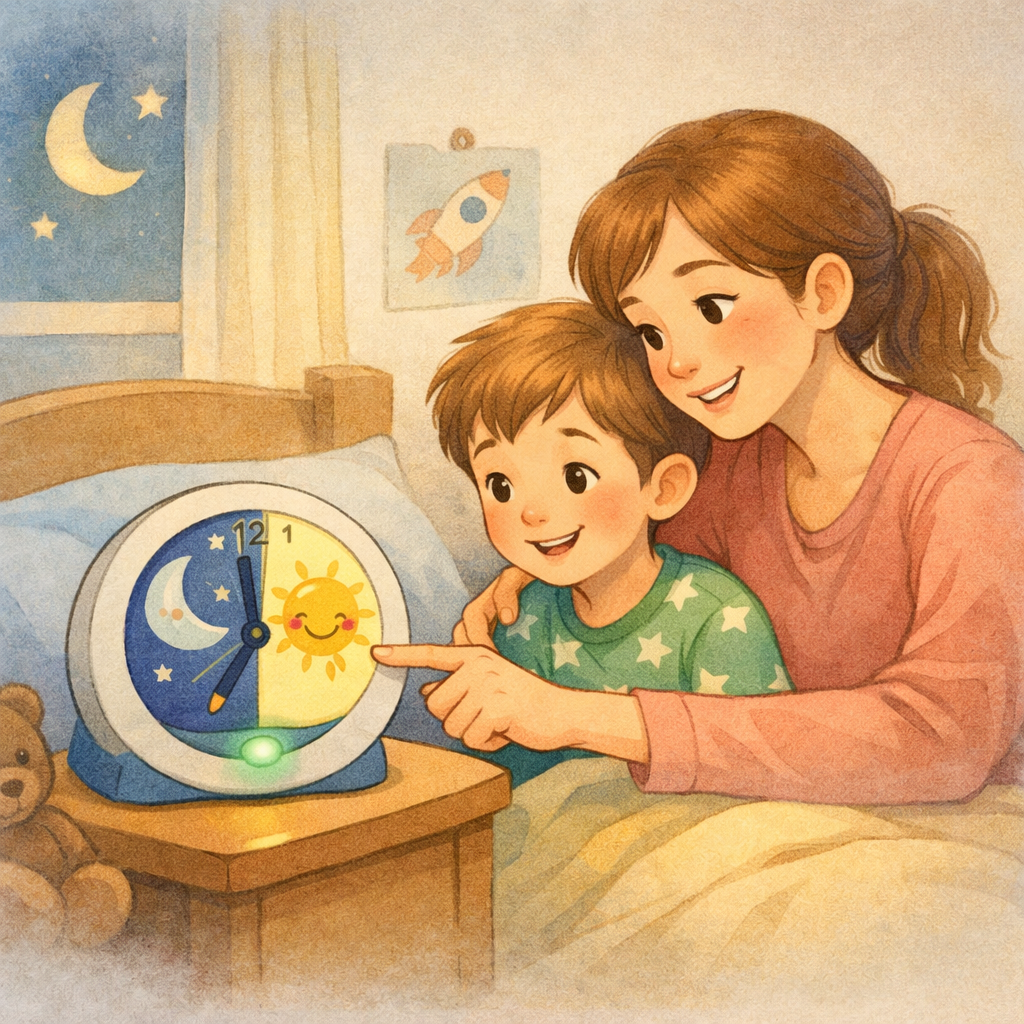
Knowing the numbers is only half the battle. If you are struggling to help your child meet these sleep health standards, try implementing these parent-friendly strategies:
- Establish a Consistent Bedtime Routine: A predictable 30-to-45-minute wind-down routine signals to the brain that sleep is coming. Follow the "4 B's": Bath, Brush (teeth), Book, and Bed.
- Create a Sleep-Friendly Environment: Turn their bedroom into a "sleep cave." Keep it dark with blackout curtains, cool (around 65°F to 68°F), and quiet. A white noise machine is incredibly helpful for drowning out household chatter.
- Limit Evening Screen Time: The blue light from tablets and TVs blocks the production of melatonin (the sleep hormone). Enforce a digital curfew and turn off all screens at least 60 minutes before bedtime.
- Manage Sleep Challenges Calmly: If your child stalls or resists bedtime, offer limited choices to give them a sense of control ("Do you want the blue pajamas or the red ones?") while holding firm to the lights-out boundary.
Ready to Transform Your Family's Nights?
Helping your child meet proper sleep health standards is one of the best investments you can make in their future happiness and health.
Start improving your child’s sleep routine, reach out for a consultation or call daar at 02 9133 2500 today!
Frequently Asked Questions (FAQs)
How many hours of sleep do kids need by age?
The ideal sleep hours by age vary as children grow. Infants (4-12 months) need 12-16 hours; toddlers (1-2 years) need 11-14 hours; preschoolers (3-5 years) need 10-13 hours; school-aged children (6-12 years) need 9-12 hours; and teens (13-18 years) need 8-10 hours per 24-hour period, while the average healthy adult requires approximately 7 to 9 hours of sleep, as recommended.
What happens if a child doesn’t get enough sleep?
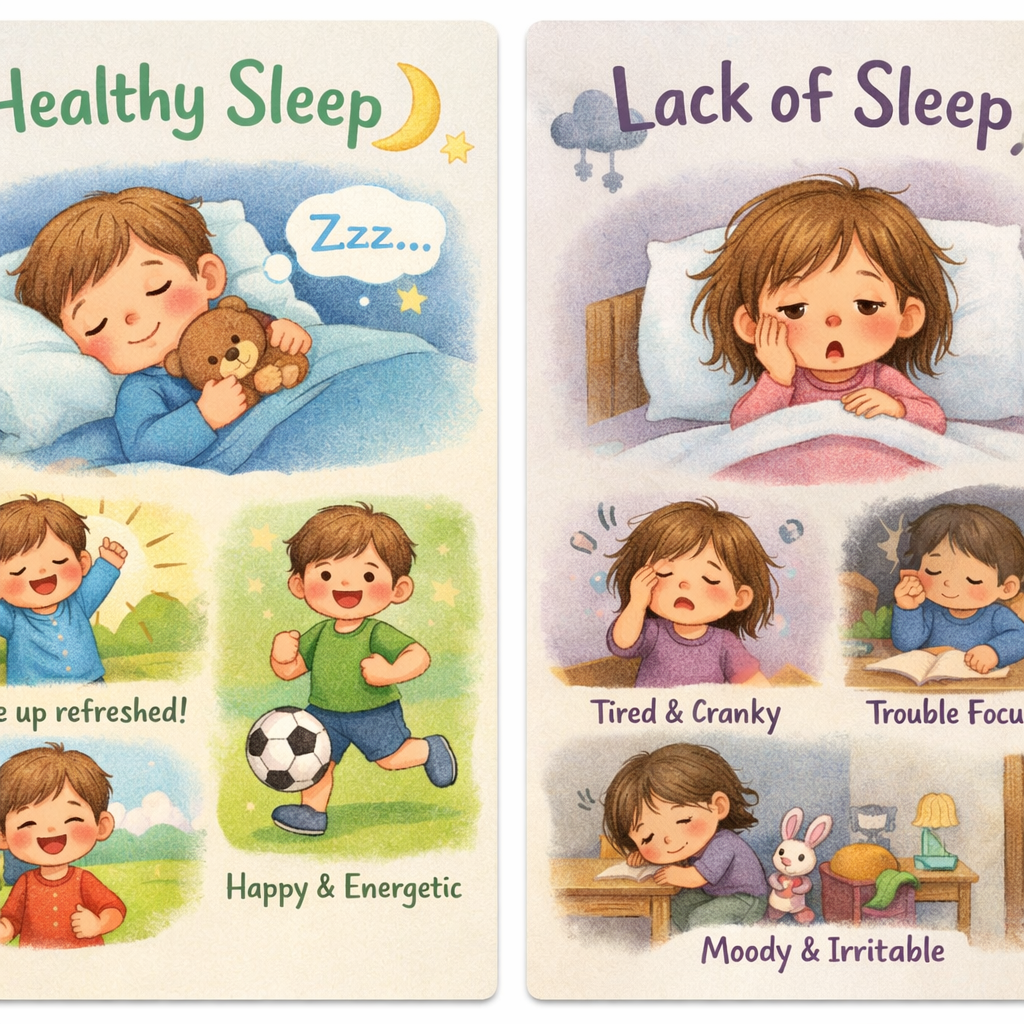
Failing to meet sleep health standards can lead to a host of issues, including insomnia. Better sleep habits, like ensuring adequate rest, can help mitigate these problems. Chronically sleep-deprived children often suffer from behavioural problems (like hyperactivity or increased tantrums), poor academic performance, difficulty focusing, and a weakened immune system that makes them more prone to illnesses.
What is the best bedtime for children?
The best bedtime depends on your child's age and when they need to wake up. To find the perfect bedtime, take their required wake-up time and subtract their recommended sleep duration for kids. For example, if your 7-year-old needs 10 hours of sleep and wakes up at 6:30 AM, their ideal lights-out time is 8:30 PM. Good sleep health relies on progressing through all stages of sleep, including light sleep, deep sleep, and REM (rapid eye movement) sleep, where the heart rate can vary, and wakefulness fluctuates. Each stage plays a role in physical and mental restoration, and a consistent bedtime helps children complete these vital sleep cycles for healthy development.
.svg)




.svg)