
.png?width=48&height=48&name=Group%201%20(3).png)























15 April, 2026

The Ultimate Guide to the Recommended Sleep Duration for Kids: Age-by-Age Health Standards
If there is one universal truth in parenting, it is that sleep—or the lack of it—dictates the mood of the entire household. Whether you are soothing a fussy infant or trying to drag a sleepy teenager out of bed for high school, you have likely asked yourself: Are they actually getting enough rest? When it comes to overall health, experts generally recommend aiming for 7 to 9 hours of sleep each night for adults, with some evidence suggesting that sleep loss can occur when 8 to 9 hours may be optimal for many people. While 7 hours may be sufficient for some individuals, 9 hours often provides more restorative benefits, especially for those recovering from stress or illness.
Understanding exactly how much sleep kids need by age is one of the most powerful tools in your parenting toolkit. By following established sleep health standards for children, you can transform chaotic bedtimes into peaceful evenings and set your child up for lifelong health. When considering the difference between sleeping 7 and 9 hours, it's important to note that some children may be short sleepers who thrive on less sleep; however, 9 hours of sleep generally provides more restorative benefits, including better mood regulation, improved memory retention, and stronger immune function. In contrast, only 7 hours may leave children more vulnerable to irritability and decreased cognitive performance, underlining why meeting recommended sleep durations is so important for kids.
In this comprehensive guide, we will break down the ideal sleep hours for kids, explore the incredible benefits of adequate rest, and provide actionable tips to help your family meet these essential health milestones, including aspects related to disease control. It is important to note that for adults, most experts recommend between 7 and 9 hours of sleep per night for optimal wellness, as this amount supports good physical health, mental well-being, and overall functioning.
The Power of Rest: Why Meeting Sleep Standards Matters
Sleep is not just a biological pause button; it is a highly active state where your child's body and brain do their most important work. When children meet the recommended sleep duration for kids, the benefits are profound. For adults, consistently sleeping 7 hours instead of 9 hours may lead to lower energy levels, as most adults need around 7 to 9 hours of sleep for optimal functioning. If your body requires 9 hours to feel fully rested, getting only 7 hours, or experiencing little sleep, could result in decreased alertness and tiredness throughout the day.
- Brain Function & Academic Success: During sleep, the brain consolidates memories and processes new information. Well-rested kids have better attention spans, sharper problem-solving skills, and a higher capacity for learning. Getting enough sleep, consistently around 7 hours instead of 9 hours, may have different effects on longevity, as several studies suggest that both too little and too much sleep can impact overall health and lifespan. While 7 hours may be adequate for some, research often associates 7-8 hours per night with optimal longevity, whereas regularly sleeping less or more than this range may lead to adverse health outcomes over time.
- Physical Growth: The pituitary gland releases the majority of a child's human growth hormone (HGH) during deep sleep, directly fueling their physical development and muscle repair. Emotional Regulation: Sleep helps balance the emotional centers of the brain. Children who hit their sleep targets are more resilient, empathetic, and less prone to meltdowns. Experts determine that 7 to 9 hours is ideal for adult sleep by analyzing large-scale studies that examine the relationship between sleep duration and health outcomes, such as cognitive function, immune system strength, and overall well-being. These studies also highlight that long-term sleep deprivation may contribute to health concerns like high blood pressure. These recommendations are also supported by clinical evidence showing that consistently getting deep sleep within this range allows most adults to maintain physical health, emotional stability, and optimal daily functioning.
- Emotional Regulation: Sleep helps balance the emotional centers of the brain. Children who hit their sleep targets are more resilient, empathetic, and less prone to meltdowns.
- Immune System Support: Sleep produces infection-fighting proteins called cytokines. A well-rested child is naturally better equipped to fight off the common colds passing through their classroom.
The Risks of Sleep Deprivation in Children
On the flip side, falling short of healthy sleep guidelines for children can create a domino effect of negative consequences. Behavioural Issues: Unlike adults who get sluggish when tired, sleep-deprived kids often become hyperactive. In fact, chronic sleep deprivation in children can often mimic the symptoms of ADHD. Sleep needs do vary between groups—while young adults and older adults both generally require 7 to 9 hours of sleep, older adults may find their sleep becomes lighter and more fragmented as they age, even if the total amount required does not differ dramatically, and they may ultimately need less sleep as they get older. It’s still important for all age groups to avoid sleep deprivation to support overall health and well-being.
- Behavioural Issues: Unlike adults who get sluggish when tired, sleep-deprived kids often become hyperactive. In fact, chronic sleep deprivation in children can often mimic the symptoms of ADHD.
- Poor Academic Performance: A lack of sleep directly impairs executive function, making it incredibly difficult for kids to focus, follow multi-step directions, or retain what they learned in school.
- Weakened Immunity: Failing to get enough rest suppresses the immune system, making children more susceptible to frequent illnesses and keeping them sick for longer periods.
How Much Sleep Do Kids Need by Age?
Here is the breakdown of the ideal sleep hours for kids within 24 hours (including daytime naps for younger children):
1. Infants (4 to 12 Months)
- Recommended Duration: 12 to 16 hours
- The Details: Babies are growing at lightning speed. To support this massive physical and cognitive growth, they need multiple daytime naps coupled with longer nighttime stretches. (Note: Guidelines start at 4 months, as newborn sleep patterns are highly irregular).
2. Toddlers (1 to 2 Years)
- Recommended Duration: 11 to 14 hours
- The Details: Toddlers are mastering walking, talking, and exploring. They typically transition from two daily naps down to one solid afternoon nap during this phase.
3. Preschoolers (3 to 5 Years)
- Recommended Duration: 10 to 13 hours
- The Details: Most preschoolers will drop their daily nap around age 4 or 5. To compensate for the lost daytime rest, their nighttime bedtime generally needs to be moved slightly earlier.
4. School-Aged Children (6 to 12 Years)
- Recommended Duration: 9 to 12 hours
- The Details: With school, homework, and sports, protecting this sleep window is tough but crucial. Consistent rest is required to maintain their immune systems and academic focus.
5. Teenagers (13 to 18 Years)
- Recommended Duration: 8 to 10 hours
- The Details: Puberty shifts a teen's internal circadian rhythm, making them naturally want to stay up later and sleep in later. Despite this biological shift, they still require a significant amount of sleep to support their developing brains and regulate teenage hormones.
Sample Sleep Schedules for Success
To help you hit the recommended sleep duration for kids, it helps to work backward from the time they need to wake up. Regularly sleeping less than 7 hours or more than 9 hours can affect children’s health, mood, and cognitive abilities, potentially leading to issues such as difficulty concentrating, irritability, weakened immunity, or behaviour challenges. Poor quality sleep, including irregular sleep patterns, can also have detrimental effects. Therefore, adhering to appropriate sleep duration can support growth, learning, and overall well-being. Here are two sample schedules: Sample Toddler Schedule (Needing ~13 total hours):
Sample Toddler Schedule (Needing ~13 total hours):
- 7:00 AM: Wake up 12:30 PM - 2:30 PM: Afternoon Nap (2 hours) 7:15 PM: Bedtime routine begins 8:00 PM: Asleep (11 hours of night sleep) Within the recommended 7 to 9 hour range, certain lifestyle factors can influence how much sleep you personally need. Factors such as your age, physical activity level, stress, and overall health may require you to adjust your total sleep time. For example, individuals who are highly active or under significant stress may benefit from the higher end of the sleep range or may also include short naps in their schedule.
- 12:30 PM - 2:30 PM: Afternoon Nap (2 hours), which can help prevent daytime drowsiness.
- 7:15 PM: Bedtime routine begins
- 8:00 PM: Asleep (11 hours of night sleep)
Sample School-Aged Schedule (Needing ~10 total hours):
- 6:30 AM: Wake up for school
- 7:45 PM: Bedtime routine begins (screens off, pajamas, reading)
- 8:30 PM: Lights out and asleep
Practical Tips to Meet Healthy Sleep Guidelines for Children
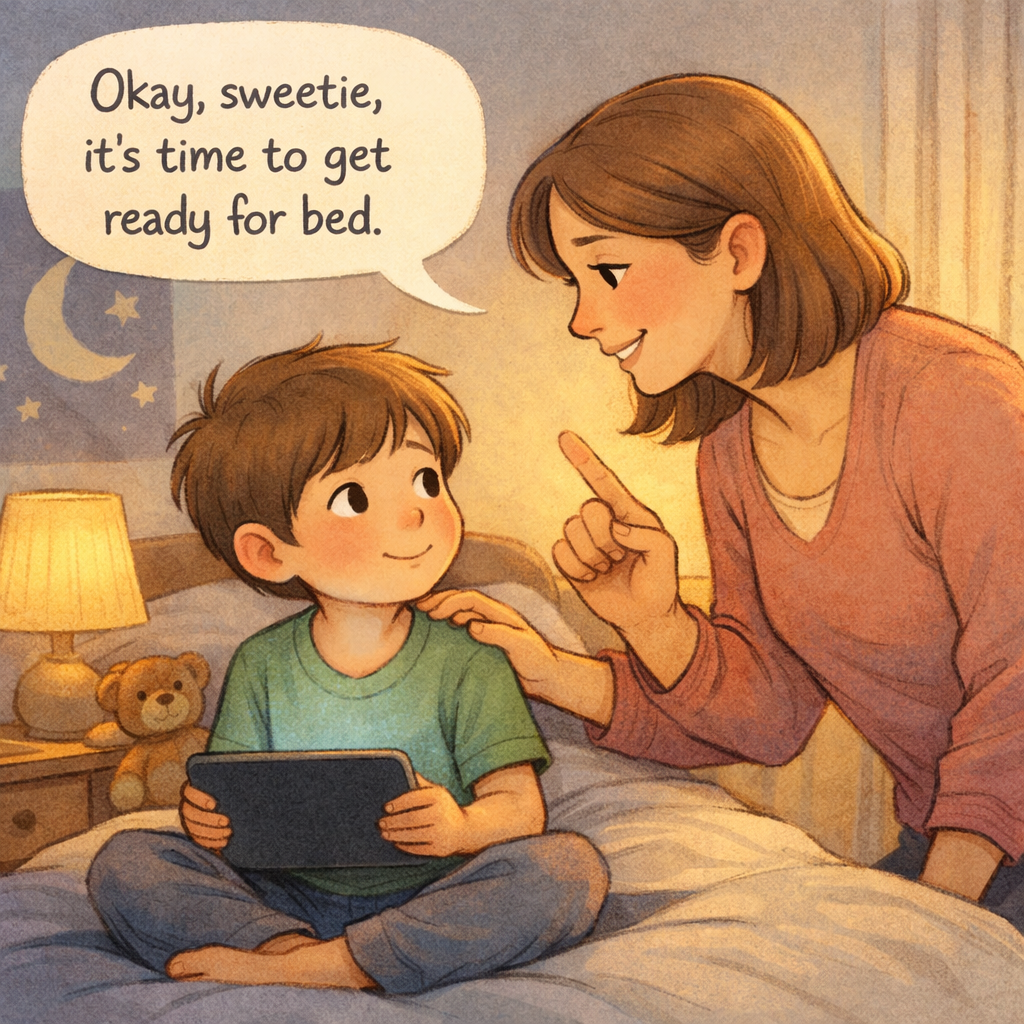
Knowing the numbers is great, but getting your child to actually sleep for that long is the real challenge! While sleep guidelines provide a general range of the recommended amount of sleep, it’s important to remember that sleep needs can vary; for example, some people feel rested with 7 hours while others need 9 hours due to factors like age, genetics, and overall health. Here are practical, parent-friendly strategies to ensure they get the rest they need:
- Establish a Consistent Routine: Whether they are 2 or 12, a predictable 30-to-45-minute wind-down routine signals to the brain that sleep is coming, ensuring you wake up feeling refreshed the next day. Think: bath, brush teeth, read a book, and dim the lights.
- Enforce a Digital Curfew: The blue light from tablets, TVs, and phones blocks melatonin (the sleep hormone), which can increase the risk of heart disease. Turn off all screens at least 60 minutes before bedtime to help their brains transition into a state of rest.
- Optimize the Sleep Environment: Create a "sleep cave." The bedroom should be dark (hello, blackout curtains!), cool (around 65°F to 68°F), and quiet. A white noise machine is incredibly helpful for drowning out household chatter, enhancing both sleep quantity and quality.
- Keep Weekends Consistent: Limit the "weekend sleep-in." Letting kids stay up incredibly late and sleep till noon on weekends disrupts their circadian rhythm, leading to an increased risk of Sunday night bedtimes being a nightmare. Try to keep weekend wake-up times within an hour of their weekday schedule.
By prioritizing these sleep health standards for children, you are not just surviving the bedtime routine—you are giving your child the ultimate foundation for a happy, healthy, and thriving life.
Reach out for a consultation or call daar at 02 9133 2500 for expert guidance tailored to your child’s needs.
Frequently Asked Questions (FAQ)
1. Do daytime naps count toward my child's total recommended sleep duration?
Yes, absolutely! For infants, toddlers, and preschoolers, the how much sleep do kids need by age guidelines represent the total hours of nightly sleep needed in 24 hours. If your 2-year-old needs 13 hours of sleep and takes a 2-hour afternoon nap, they only need 11 hours of nighttime sleep to meet their healthy sleep quota.
2. How can I tell if my child is chronically sleep-deprived?
Every child has an occasional bad night, but chronic sleep deprivation, which can sometimes be caused by conditions like obstructive sleep apnea, often shows up in their daytime behaviour. If your child is extremely difficult to wake up in the morning, falls asleep inappropriately (like during short daytime car rides), is unusually irritable, highly emotional, or hyperactive, they are likely not hitting their ideal sleep hours for kids.
3. Is it safe to give my child melatonin to help improve their sleep quality and reach the recommended sleep hours?
While over-the-counter melatonin gummies are popular, paediatricians generally advise using them only as a short-term solution (such as combating jet lag or shifting a schedule) and strictly under a doctor's supervision. Melatonin does not cure poor sleep habits or screen-induced sleeplessness. Perfecting their sleep environment and establishing a screen-free bedtime routine should always be the priority before introducing supplements.
.svg)




.svg)