
.png?width=48&height=48&name=Group%201%20(3).png)























15 April, 2026

Sleep and Growth for Kids: Essential Facts to Know
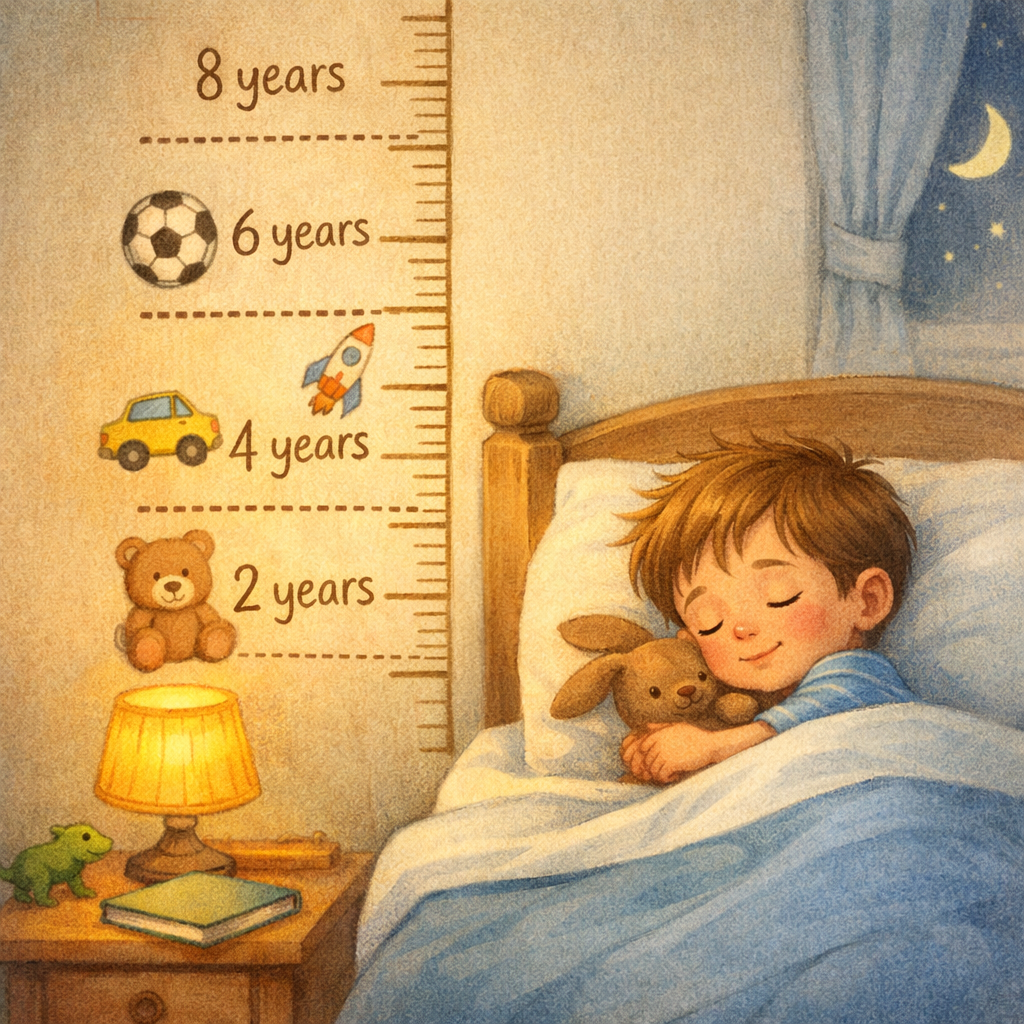
Have you ever looked at your child after a long night's sleep and thought they literally looked bigger? It turns out, your eyes aren't deceiving you. The old saying that kids grow in their sleep is actually backed by science.
For parents, getting kids to bed can sometimes feel like a daily marathon. But understanding the deep connection between sleep and child growth can serve as a powerful motivator to stick to those bedtime routines. In this guide, we dive into the incredible science behind how sleep fuels your child's body and brain, answer the question of how much sleep kids need, and share practical tips to help your little ones get the restorative rest they require.
Does Sleep Help Kids Grow? The Science Explained
If you have ever wondered, does sleep help kids grow? the answer is a resounding yes. Sleep is not just a time for the body to power down; it is a highly active period for biological development.
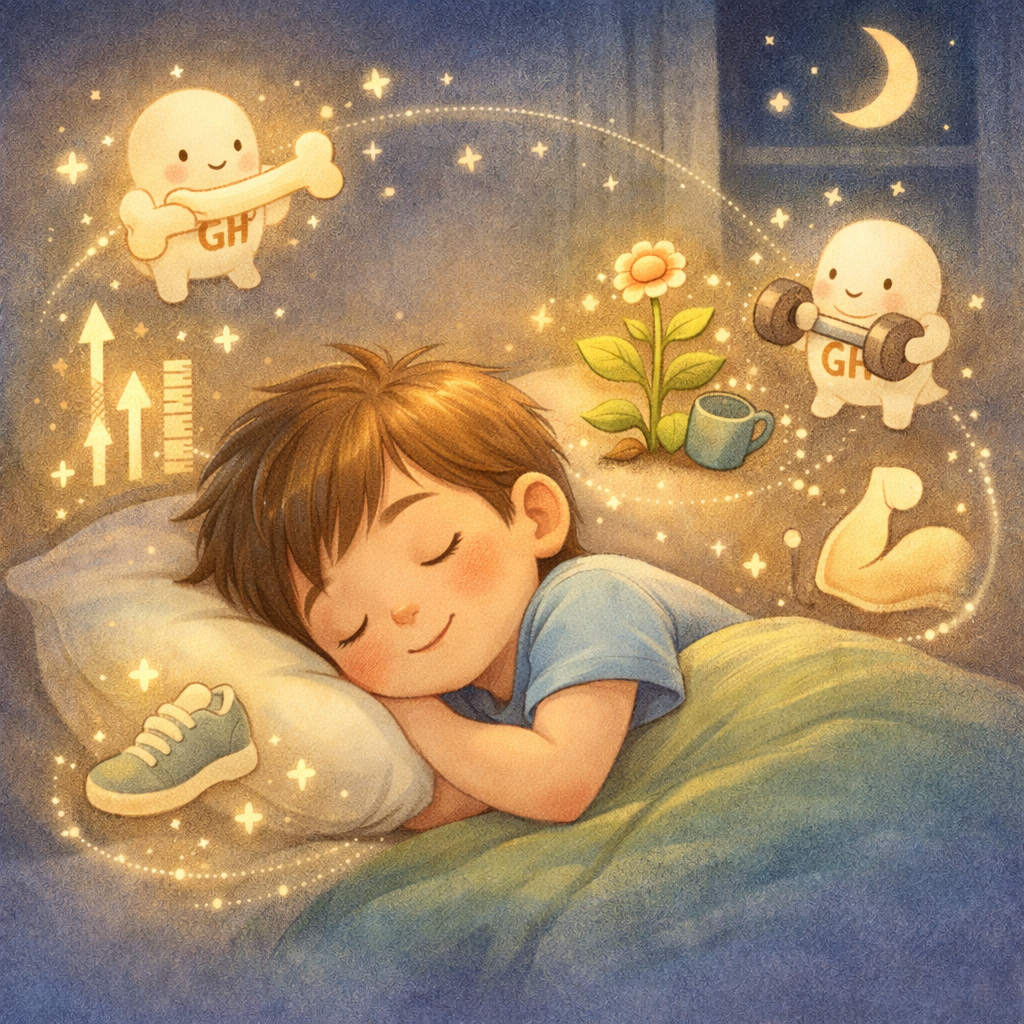
The magic happens during the deep sleep phase, also known as slow-wave sleep. During this critical stage, the pituitary gland releases a surge of human growth hormone (HGH). This hormone is the primary engine behind your child's physical growth, tissue repair, and muscle development.
When it comes to growth hormone in children, sleep, timing, and quality are everything. The most significant release of HGH occurs shortly after a child fallfalls into deep sleep. If a child's sleep is constantly interrupted, or if they stay up too late and miss out on sufficient deep sleep cycles, their body may not release enough of this crucial hormone. Over time, chronic sleep deprivation can actually slow down physical growth and development.
Beyond Height: Brain Development and Overall Health
While physical growth is a major piece of the puzzle, the benefits of sleep for kids' development extend far beyond their shoe size. Proper rest is the foundation of a healthy, thriving child.
- Brain Development & Cognitive Function: During sleep, the brain is busy organizing and storing what it learned during the day. This "filing" process improves memory, problem-solving skills, and attention spans, setting kids up for success in school.
- Emotional Regulation: We all know the crankiness of an overtired toddler! Adequate sleep helps children regulate their emotions, reducing tantrums, mood swings, and anxiety.
- Immune System Strength: Sleep bolsters the immune system. While kids snooze, their bodies produce infection-fighting proteins called cytokines, which help them fend off colds, flus, and other bugs.
How Much Sleep Do Kids Need? A By-Age Guide
To support healthy growth, children require vastly different amounts of sleep depending on their stage of development. So, how much sleep do kids need? Here are the recommendations:
1. Infants (4 to 12 Months)
- Total Sleep Needed: 12 to 16 hours (including naps)
- Why it matters: Babies triple their birth weight in the first year! This rapid, massive growth requires a tremendous amount of sleep.
2. Toddlers (1 to 2 Years)
- Total Sleep Needed: 11 to 14 hours (including naps)
- Why it matters: As toddlers master walking, talking, and climbing, their brains and bodies need ample downtime to recover and process new physical skills.
3. Preschoolers (3 to 5 Years)
- Total Sleep Needed: 10 to 13 hours (including naps, though many drop the nap by age 4 or 5)
- Why it matters: Preschoolers are developing complex language and social skills. Quality nighttime sleep ensures their brains have the energy to absorb these massive developmental leaps.
4. School-Aged Children (6 to 12 Years)
- Total Sleep Needed: 9 to 12 hours
- Why it matters: Between growth spurts, academic demands, and heavy extracurricular activities, school-aged children rely on deep restorative sleep to keep their immune systems strong and focus sharp.
Practical Tips for Improving Your Child's Sleep Quality
Knowing how much sleep they need is one thing; actually, getting them to sleep is another! Here are some parent-tested, expert-backed ways to improve sleep quality and support your child's growth.
Master the Bedtime Routine
Children crave predictability. A consistent, calming bedtime routine signals to their brain that it is time to transition from playtime to sleep time.
- Keep it brief: Aim for 30 to 45 minutes.
- The 4 B's: Follow a sequence like Bath, Brush (teeth), Book, and Bed.
- Wind down: Offer a gentle massage or practice deep breathing together to soothe their nervous system.
Optimize the Sleep Environment
Creating a "sleep cave" can dramatically improve how quickly your child nods off and how long they stay asleep.
- Keep it dark: Invest in blackout curtains to prevent early morning light from halting their melatonin production.
- Keep it cool: The ideal bedroom temperature for sleep is between 65°F and 68°F.
- Keep it quiet: Use a white noise machine to drown out household chatter, creaky floorboards, or neighborhood sounds.
Manage Screen Time Wisely
The blue light emitted by tablets, TVs, and smartphones tricks the brain into thinking it is daytime, suppressing the natural release of melatonin (the sleep hormone).
- Turn off all screens at least 1 to 2 hours before bedtime.
- Replace evening screen time with quiet activities like building blocks, coloring, or reading.
Common Sleep Problems and Their Impact on Growth
Sometimes, despite your best efforts, sleep issues arise. Addressing these promptly is vital so they don't interfere with your child's development.
- Sleep Apnea & Snoring: If your child regularly snores loudly, gasps for air, or breathes through their mouth at night, they may have pediatric sleep apnea (often caused by enlarged tonsils or adenoids). Because apnea constantly pulls the child out of deep sleep, it severely impacts the release of growth hormone in children's sleep. Consult your pediatrician if you notice these signs.
- Bedtime Resistance: Toddlers and preschoolers love to stall. This can push their actual sleep time far too late, resulting in chronic sleep debt. Setting firm, loving boundaries and offering limited choices (e.g., "Do you want to read the dinosaur book or the train book?") can help them feel in control without delaying bedtime.
- Night Terrors: Unlike nightmares, night terrors happen during deep, non-REM sleep. Frequent night terrors are often a sign that a child is overtired. Prioritizing an earlier bedtime can usually resolve this issue.
Sweet Dreams for Healthy Growth
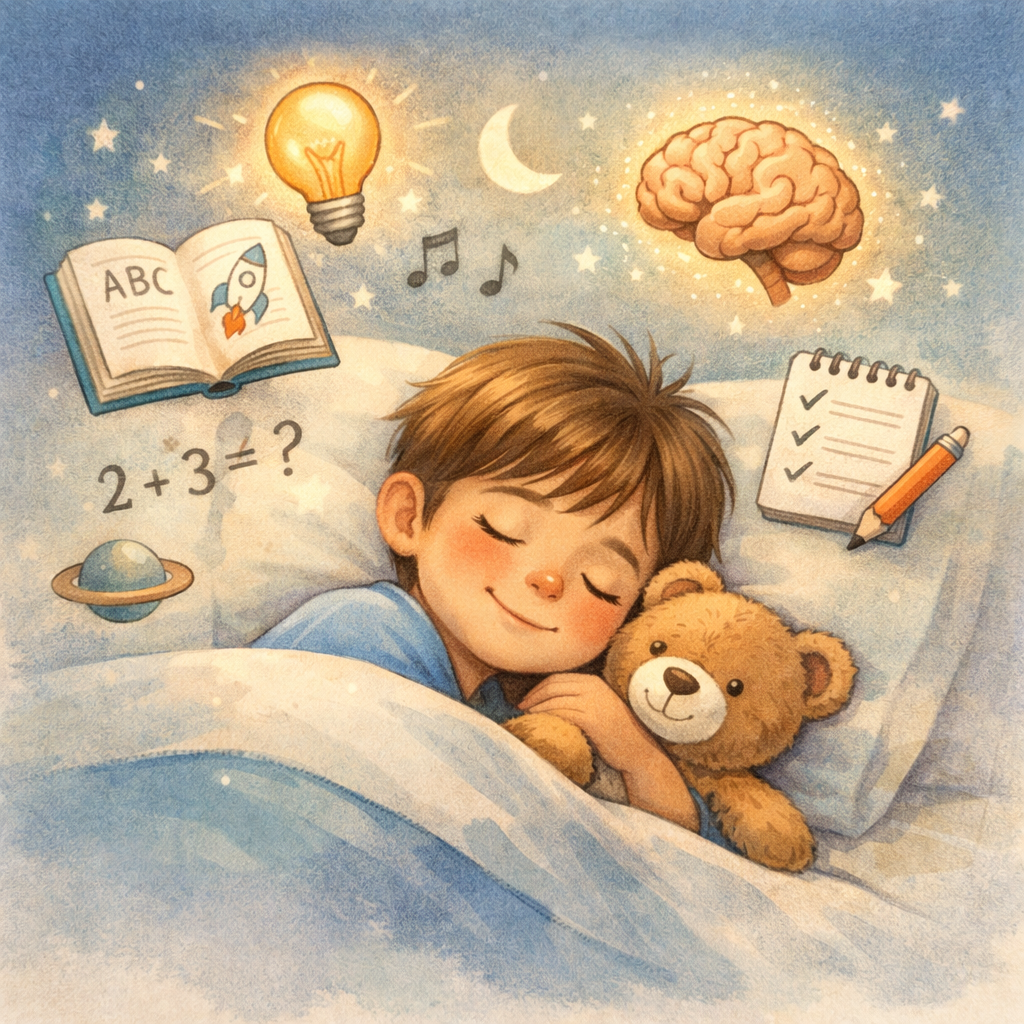
The link between sleep and child growth is a powerful reminder that rest is just as important as the healthy meals you prepare and the love you provide. By understanding how much sleep kids need and establishing healthy sleep hygiene early on, you are giving your child the ultimate tool to grow taller, learn faster, and thrive happily.
Take a deep breath, stick to that bedtime routine, and enjoy the peace of mind knowing that while they sleep, they are doing exactly what they are supposed to do: growing!
Reach out for a consultation or call daar at 02 9133 2500 for expert guidance tailored to your child’s needs.
Frequently Asked Questions (FAQ)
1. Do children actually sleep more during a growth spurt?
Yes, they do! If you notice your child suddenly taking longer naps, sleeping in, or acting unusually tired, a growth spurt might be the culprit. Because physical growth requires a massive amount of energy, the body naturally craves more rest to compensate. During these phases, the benefits of sleep for kids' development are working in overdrive, so it is perfectly fine to let them snooze a little longer than usual.
2. If my child goes to bed late but sleeps in, does it still affect their growth?
While getting the total recommended hours is important when considering how much sleep kids need, timing also matters. The deepest part of sleep, when the brain triggers the largest release of growth hormone in children sleep typically happens in the first few hours after falling asleep. Going to bed excessively late can throw off your child's natural circadian rhythm and potentially disrupt that crucial hormone release window. It is generally better to maintain an earlier, consistent bedtime.
3. Can my child "catch up" on missed sleep over the weekend to help them grow?
It is a common strategy for busy families, but unfortunately, "binge sleeping" on the weekends does not fully reverse the effects of sleep deprivation during the week. While it might make them feel less cranky on Saturday morning, an erratic sleep schedule disrupts their internal body clock. For optimal sleep and child growth, providing a consistent bedtime and wake-up time seven days a week is the best approach.
.svg)




.svg)