
.png?width=48&height=48&name=Group%201%20(3).png)























1 October, 2026

Is Screen Time and Children’s Behaviour Linked to Anxiety?

Key Highlights
- Screen time can shape children’s behaviour, especially when daily use becomes hard to manage.
- Research suggests excessive screen time may raise anxiety and other mental health concerns in kids.
- Some children use screens as a coping mechanism, which can keep emotional problems going.
- Too much screen use may affect social skills, empathy, and everyday communication.
- Tantrums and rough transitions can appear when a child has trouble stopping screen use.
- Parental controls and clear family rules can help you set healthier limits.
Introduction
Screens are part of daily life, so it is natural to wonder what children’s screen time may be doing to their feelings and actions. Current research points to a real link between screen use and mental health in kids, especially when habits become excessive. Some children seem more irritable, anxious, or emotionally overwhelmed after long periods on devices. At the same time, children who are already struggling may turn to screens for comfort. That makes this topic important for every parent.
Understanding Screen Time in Children
Screen time is a broad term. It includes TV watching, video games, online homework, messaging, social media, and educational content. Not all types of screen time work the same way, and screen content matters.
For young children, the amount of time spent on devices can quickly replace sleep, movement, and social contact. That is why daily time limits are often discussed by age. To make sense of what counts and what may be too much, it helps to break screen habits into clear categories.
Types of Digital Devices and Their Usage Patterns
Children use various digital devices throughout the day—watching TV, playing video games, using tablets for schoolwork, or messaging friends on phones. Some screen time is passive, while other activities are interactive or social.
How children use screens matters as much as the device itself. TV watching differs from gaming or social media use. Educational content can be helpful, but excessive screen time may reduce physical activity, family interaction, and rest. Older children often spend more time online for homework and socialising.
Warning signs include your child getting upset when screens are turned off, losing interest in outdoor play, or having trouble switching to non-screen activities. If device use disrupts sleep, mood, or daily routines, it's important to pay attention.
Recommended Daily Screen Time by Age Group
Parents often want one clear answer, but daily time limits are usually based on years of age. The American Academy of Paediatrics guidance shared in the compiled information gives a simple starting point. It can help you set reasonable limits at home.
|
Age group |
Suggested daily screen time |
|---|---|
|
Two years and below |
No screen time |
|
2 to 4 years of age |
No more than 1 hour each day |
|
6 through 18 years of age |
No more than 2 hours daily |
You may also see advice from groups like Common Sense Media, but the compiled information here specifically points to the American Academy of Paediatrics. The main idea is balance. If a child’s screen time is replacing sleep, movement, or connection with others, even age-based limits may need closer attention.
Emotional and Behavioural Effects of Excessive Screen Use
Excessive screen time is linked with changes in emotional wellbeing and daily behaviour. Research reviewed across many studies found that more electronic screen use was tied to a greater chance of socioemotional problems in children.
These effects can show up in different ways. Some children develop internal struggles such as anxiety or low mood, while others show behavioural problems like aggression or hyperactivity. Children’s mental health can also affect screen habits in return, which helps explain why some families feel stuck in a cycle. The next sections break that down.
Connection Between Screen Time and Anxiety in Kids
A large review in Psychological Bulletin analysed 117 studies involving over 292,000 children under 10. Researchers found that increased screen time is linked to higher rates of anxiety, depression, aggression, and hyperactivity.
Experts from the University of Southern Queensland, the University of Otago, and other institutions contributed to the research. Since the studies tracked children over time, the findings offer stronger evidence for this link—even though other factors may be involved.
Importantly, the relationship is two-way: more screen time can increase emotional issues, and children who are already upset may use screens to cope. This cycle can lead to tantrums and difficult transitions when screen time ends.
Signs Your Child May Be Experiencing Tantrums and Transitions Due to Screens
Sometimes, the clearest sign isn’t the screen, but your child’s reaction when it’s turned off. If they struggle to shift from devices to homework, meals, bedtime, or play, it may signal an issue—especially if these transitions are repeatedly stressful.
Watch for these signs:
- Tantrums when screen time ends
- Irritability during daily transitions
- Difficulty calming down without a device
- Strong resistance to non-screen activities
- Relying on screens to cope with boredom or frustration
If these patterns persist, emotional issues may be at play. Too much screen time can leave some children mentally drained or overstimulated. If this sounds familiar, consider both how much time and what type of content your child is consuming.
How Screen Time Influences Children’s Social Skills and Development
Children learn through people, play, and shared experiences. When electronic screen use takes over too much of the day, it can reduce social interaction that supports language development, empathy, and emotional growth.
This matters most in early childhood, when learning happens quickly through watching, copying, and talking with others. If screens start replacing real-world practice, some parts of development may get less support. To understand that better, it helps to look at communication first, then compare digital play with outdoor and face-to-face time.
Impact on Communication, Empathy, and Relationship Building
Face-to-face conversation teaches children how to listen, respond, notice feelings, and build trust. If a large share of the day goes to passive consumption, there is simply less time to practice those skills. That can affect communication in subtle but important ways.
Young children especially learn by observing adults and joining ordinary daily routines. Too much screen exposure may narrow those opportunities. The compiled information notes that excessive use can affect social interactions and linguistic growth, which are both key parts of relationship building.
As children get older, social media and messaging add another layer. Digital contact can connect friends, but it is not the same as reading body language or managing real-world emotions together. When screen habits crowd out in-person moments, empathy and healthy connection may suffer over time.
Digital Play Versus Outdoor and Face-to-Face Interactions
Digital play can be fun and sometimes useful, but it should not replace everything else. Children also need outdoor activity, face-to-face conversation, and physical activity to support mood, focus, and social growth. When screens take over, emotional and behavioural strain can build.
A better balance often includes:
- Time for outdoor activity each day
- Screen-free family moments, especially around meals
- Face-to-face play with siblings or friends
- Reasonable limits that leave space for sleep and movement
This is not about banning all devices. It is about making sure digital play does not push aside the experiences children need most. If your child seems tense, isolated, or reactive, review whether too much screen time is reducing active play and real connection.
Parental Strategies for Managing Screen Time and Supporting Healthy Behaviour
Parents do not have to choose between total freedom and strict bans. A more helpful approach uses parental controls, device tools, regular breaks, and family agreements to guide screen use in realistic ways.
The compiled information also suggests something important: some children need emotional support, not just restrictions. If a child is using screens to cope, limits work best when paired with sleep, movement, calm routines, and time with people. That makes screen rules easier to follow and more effective in the long run.
Using Parental Controls, Device Tools, and Family Agreements to Set Limits
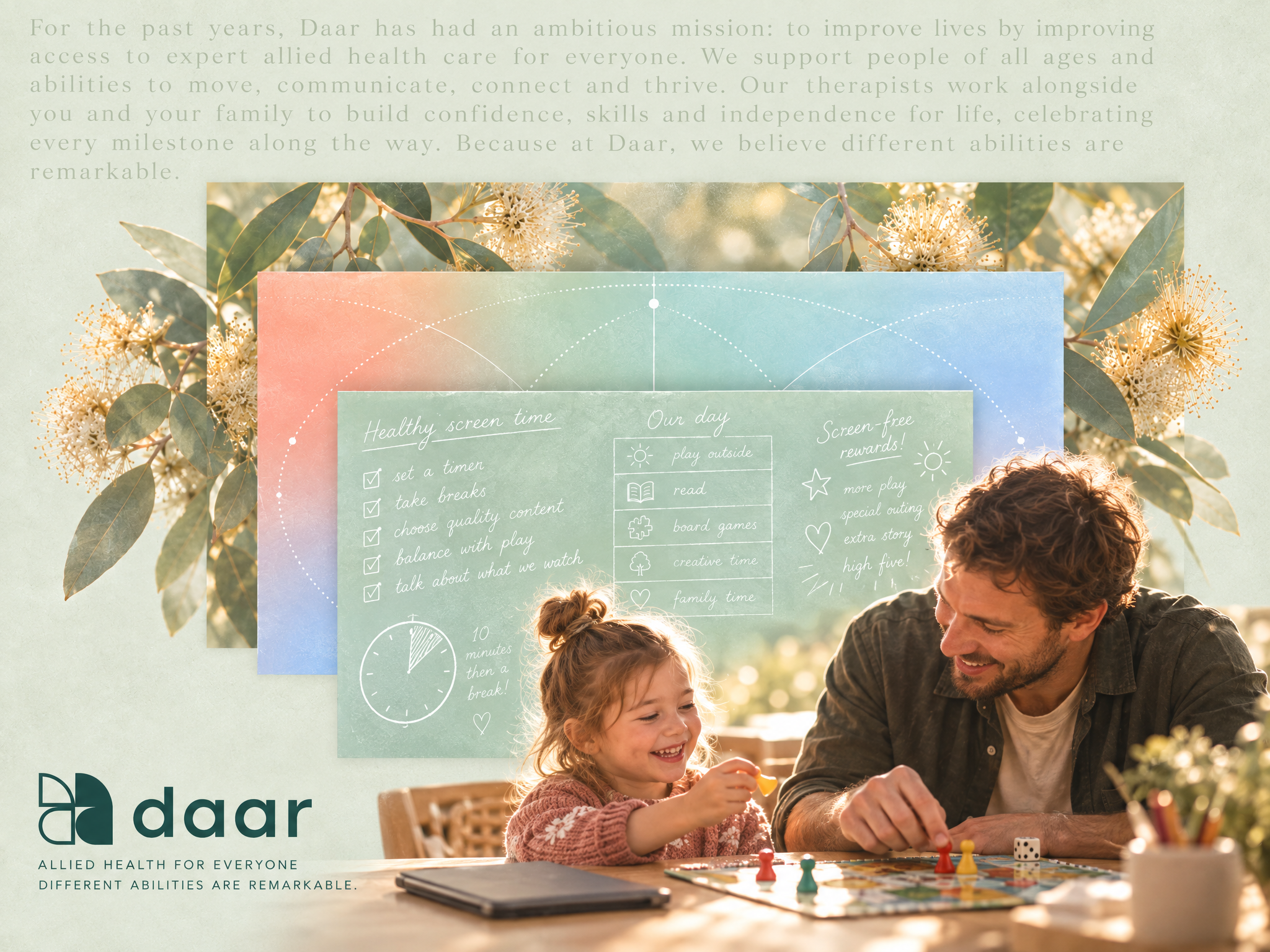
You can start with built-in device tools on phones and tablets to support daily time limits. These settings can help you track usage, set cutoffs, and reduce conflict by making limits more predictable. Parental controls are especially useful when children move between school, games, and entertainment on the same device.
Keep your plan simple:
- Set reasonable limits by age and daily routine
- Block or reduce access during meals, bedtime, and family time
- Choose age-appropriate screen content
- Use regular breaks during longer screen sessions
Family agreements help too. Talk with your child about when screens are okay, when they are off, and what happens if rules are ignored. If you want free resources, built-in device tools are a practical place to begin because many phones and tablets already include them at no extra cost.
Conclusion
In conclusion, understanding the link between screen time and children's behaviour is crucial for fostering their emotional well-being. By recognising the signs of anxiety and the effects of excessive screen usage, parents can implement effective strategies to manage their children's digital consumption. Encouraging a healthy balance between screen time and face-to-face interactions can significantly enhance their social skills and overall development. As you navigate your child's digital landscape, remember the importance of setting limits and promoting activities that contribute to their mental health.
If you need assistance in developing a balanced screen time strategy, feel free to reach out for a consultation or call daar at 02 9133 2500 for more insights!
Frequently Asked Questions
What are the recommended screen time limits for children to minimise anxiety risks?
The American Academy of Paediatrics guidance in the compiled information suggests no screen time for children two years and below, no more than one hour daily for ages 2 to 4, and no more than two hours for ages 6 to 18. These daily time limits can help reduce anxiety risk.
How does excessive screen time impact children's mental health and behaviour?
Excessive screen time is linked with mental health concerns such as anxiety, depression, aggression, and hyperactivity. Much screen time may also lead to behavioural problems during transitions. Children who feel upset may then use screens as a coping mechanism, which can keep the pattern going.
What types of content should children avoid to reduce anxiety linked to screen time?
The compiled information suggests screen content matters. Video games were linked with higher risk than educational content or general recreational use. If you are worried about anxiety and emotional well-being, be cautious with intense or prolonged gaming and monitor social media use so screens do not become emotionally overwhelming.
.svg)




.svg)