
.png?width=48&height=48&name=Group%201%20(3).png)























22 September, 2026

Screen Time and Children’s Behaviour: Setting Healthy Limits
Key Highlights
- Screen use can support learning, but clear screen time limits help protect healthy development.
- Too much screen time may be linked to behavioural problems, sleep issues, and weaker social skills.
- Younger children benefit more from play, reading, and time with people than passive media.
- Parental controls can block risky content and make screen use easier to supervise.
- Balanced days should include physical activity, family connection, and offline fun.
- As kids grow, rules should change with age, maturity, and the kind of content they use.
Introduction
Screens are part of daily life, so managing children’s screen time can feel hard. The good news is that you do not need to ban every device. What matters most is how screen use fits into your child’s day and whether it supports healthy development. Some digital media can be useful, especially when you watch or play together. Still, children’s screen time should not crowd out sleep, play, reading, movement, and face-to-face interaction.
Recognising Signs of Problematic Screen Time
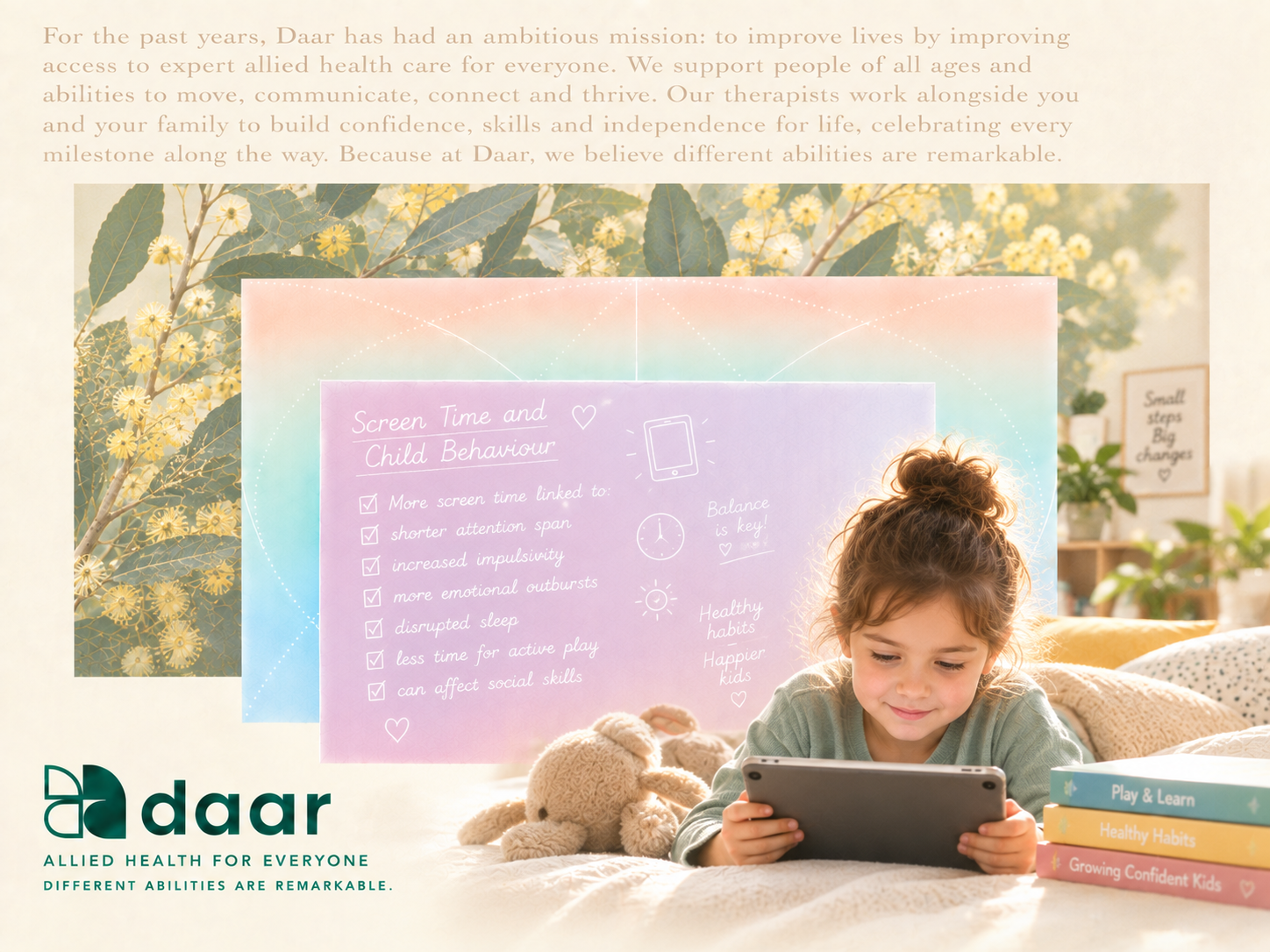
Too much screen time can show up in everyday behaviour before you notice bigger issues. You may see more irritability, trouble sleeping, attention problems, or less interest in play and conversation. Over time, these changes can affect social skills and daily routines.
You should also watch for signs that screen habits are affecting mental health or learning. If your child seems upset when devices are removed, struggles to focus, or spends less time with family and friends, it may be time to look closer. The next sections break down what these warning signs can look like.
Identifying Behavioural Changes, Including Tantrums and Mood Swings
Changes in your child’s behaviour can be an early sign of too much screen time. Toddlers may have more tantrums when devices are taken away, while older children might become irritable, restless, or withdrawn—making daily routines more challenging.
Mood swings around screen use are also common. Some kids appear fine while watching but get upset when the screen turns off. Others lose interest in family time, reading, or play. If this happens often, it could signal that screen habits are affecting your child’s emotional well-being.
A decline in social skills or repeatedly choosing screens over real-life interactions is another warning sign. While tantrums and mood swings aren’t always caused by screens, recurring patterns suggest it’s worth paying attention.
Indicators That Screen Time May Be Affecting Emotions or Learning
Screen habits can impact your child's learning and mood. Too much screen time is linked to behavioural issues, less reading and problem-solving, and delays in language and social skills. If your child is less engaged in daily activities, pay attention.
Look for ongoing changes—not just an occasional bad day—that disrupt routines, schoolwork, or relationships. Patterns matter more than single incidents.
Watch for signs like:
- Trouble focusing, listening, or finishing simple tasks
- Less interest in books, conversation, or playing with others
- Stronger reactions when screen time ends (tears, anger, clinginess)
Setting Healthy Screen Time Limits for Different Age Groups
Screen time limits work best when they match your child’s age and stage. The American Academy of Pediatrics discourages media use, except video chatting, for children younger than 18 months. For ages 18 to 24 months, if you introduce media, keep it high quality and avoid solo use.
For younger children ages 2 to 5, the guidance is one hour a day of high-quality programming. With older children, there is no single number that fits every family. You will need clear rules, steady supervision, and a plan that fits your child’s needs and daily routine.
Recommended Daily Guidelines for Australian Children
If you are comparing advice across countries, the age-based approach stays fairly similar. The compiled guidance here comes from the United States, but it can still help families thinking about screen time limits for Australian children. The main idea is simple: younger kids need tighter limits and more shared use with adults.
Here is a clear text table based on the recommended guidelines provided:
|
Years of age |
Recommended guidelines |
|---|---|
|
Younger than 18 months |
Avoid media use except video chatting |
|
18 to 24 months |
If introduced, use high-qualityality content and avoid solo viewing |
|
2 to 5 years of age |
Limit to one hour a day of high-quality programming |
|
Older children |
Set clear, reasonable limits based on maturity, content, and routine |
For families in the United States or elsewhere, quality matters as much as the amount of time. Watching together, choosing age-appropriate media, and protecting sleep, play, and family routines should guide your decisions.
Tailoring Screen Time Rules as Kids Grow Older
As children grow, set boundaries that match their age and maturity. Young children may need close supervision and short sessions, while older kids or teens may need rules around homework, bedtime, and social media. One approach won’t fit all ages.
Consider the type of screen time: watching shows, playing games, video chatting, and schoolwork are different activities. Effective rules should address both time spent and content—not just the device.
Adjust rules by:
- Setting stricter limits for entertainment than for schoolwork
- Updating expectations as your child shows more responsibility
- Reviewing household rules regularly to ensure they still work for your family
Practical Strategies to Manage and Reduce Screen Time
You can manage screen time more easily when you build routines before problems start. Start with simple steps: create tech-free times, keep screens out of bedrooms, and avoid entertainment media during homework. These choices reduce screen time without turning every day into a battle.
It also helps to use parental controls and plan balanced routines that include sleep, meals, play, and family connection. When your child knows what to expect, limits feel more normal. The next two sections cover useful tools and everyday habits that make screen rules easier to follow.
Tools and Parental Controls for Regulating Screen Use
Parental controls make screen time safer and easier to manage by blocking content, limiting device use, and reducing exposure to risky media. Some tools are built into devices; Common Sense Media reviews can help you choose what’s best for your child.
These controls are especially useful as kids start using social media or browsing independently, but they don’t replace parental involvement. Keep asking about what your child watches and plays, and talk about privacy.
Helpful options include:
- Device settings or apps that limit daily use or set shut-off times
- Filters that block violent or inappropriate content
- Common Sense Media reviews to check age suitability before downloading or viewing
Creating Balanced Routines and Encouraging Offline Activities
Healthy habits grow faster when screens are not the only source of fun. Balanced routines give your child a clear place for meals, homework, rest, and play. When the day already includes enjoyable offline activities, it becomes easier to say no to extra screen time.
You do not need an elaborate plan. Focus on regular family time, active play, and simple screen-free moments. Unstructured play is especially valuable for a young child. It supports growth in ways passive media cannot and creates room for conversation, movement, and imagination.
Try building routines around:
- Outdoor play or other physical activity every day
- Tech-free meals and one screen-free part of the evening
- Family time with reading, games, or shared chores instead of background TV
Conclusion
In conclusion, managing screen time is crucial for fostering healthy behaviour in children. By recognising the signs of problematic usage and setting appropriate limits based on age, parents can help their kids navigate the digital world more effectively. Implementing practical strategies such as establishing balanced routines and encouraging offline activities will not only reduce excessive screen time but also promote healthier emotional and cognitive development. Remember, it's about finding the right balance that works for your family. Make sure to take proactive steps today to safeguard your child's well-being and nurture their growth.
Reach out for a consultation or call daar at 02 9133 2500 for expert guidance tailored to your child’s needs.
Frequently Asked Questions
Can high screen time negatively impact my child’s development or learning abilities?
Yes. Much screen time, especially passive or poor-quality media, can take away from reading, play, conversation, and problem-solving. Excessive screen time has also been linked to delays in language and social growth, which may affect development and learning abilities. Children’s screen time should support, not replace, real-life interaction.
Are tantrums and mood swings in toddlers often linked to too much screen time?
They can be. Too much screen time may be linked with tantrums, mood swings, and other behavioural problems, especially when a device is removed. That said, screens are not always the only cause. Parental controls, supervision, and steady routines can help reduce conflicts around devices.
Is there a difference between educational and entertainment screen content for children?
Yes. Educational content can be more helpful, especially when you watch with your child and connect it to real life. Entertainment content is not always harmful, but the types of screen time matter. High-quality screen content should not replace play, conversation, and activities that build social skills.
.svg)




.svg)