
.png?width=48&height=48&name=Group%201%20(3).png)
























17 April, 2026

Excess Screen Time and Stress Hormones in Children
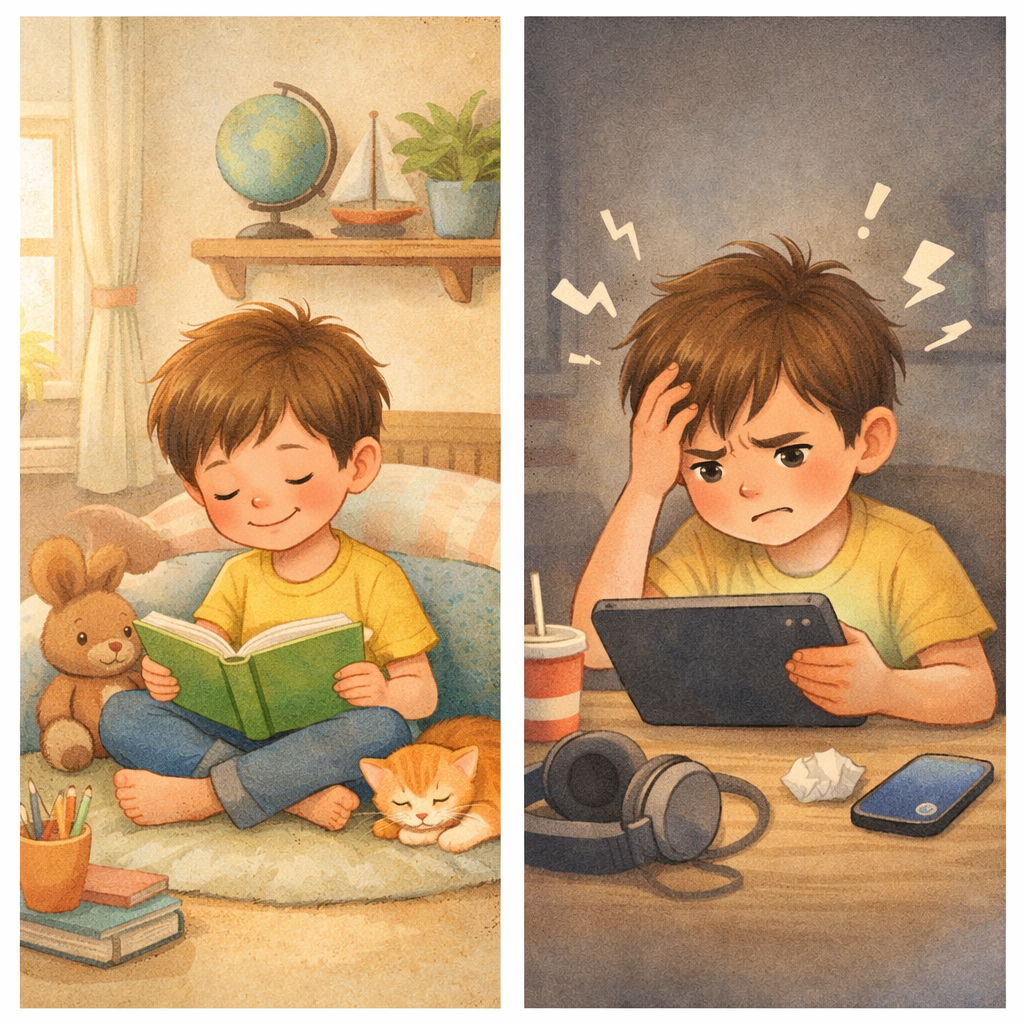
What is the long-term effect of too much screen time?
Excess screen time in children can lead to a range of long-term effects, including increased stress hormones like cortisol. This may contribute to anxiety, sleep disturbances, and potential behavioural issues. Establishing healthy screen time limits is crucial for promoting emotional well-being and cognitive development in children.
In today’s hyper-connected digital world, screens are practically inescapable. From interactive classroom tablets and educational games to evening cartoons and fast-paced smartphone apps, children are spending more time looking at digital devices than any previous generation. While technology undoubtedly offers incredible educational and entertainment value, this total immersion and electronic stimulation come with a hidden biological cost. Some main signs that a child's stress or anxiety may be linked to too much screen time include noticeable mood swings after device use, difficulty sleeping or changes in sleep patterns, appearing more irritable or restless, withdrawing from family activities, and showing reduced interest in non-screen-related play. Parents may also notice increased difficulty concentrating or managing emotions, which can be linked to extended periods on digital devices.
Excess screen time in children is increasingly being linked by researchers and pediatricians to significant changes in their stress hormones, especially cortisol. When kids spend long, uninterrupted hours on screens, their developing nervous systems are constantly bombarded. Whether they are frantically swiping on a phone, watching a high-stimulation TV show, or playing intense multiplayer gaming devices, the prolonged exposure can make a negative impact as it intensely overstimulates the brain. Over time, this digital overload inherently disrupts the body's natural sleep-wake cycles, severely limits deep restorative rest, and artificially forces stress levels to remain dangerously high.
In this comprehensive guide, we will explore exactly how digital devices and digital media hack your child's biological alarm system, unpack the profound long-term developmental effects of high screen exposure, and provide you with highly actionable, practical strategies to establish realistic, healthy screen habits for your entire family.
How Screen Time Affects Stress Hormones
To understand why a child might have a massive emotional meltdown when you finally turn off the television, you have to look at what is happening chemically inside their brain. Screen exposure, particularly in the hours immediately before bedtime, directly interferes with the body’s highly sensitive, natural stress, sleep cycles, and ultimately their physical health.
First, there is the issue of biological stimulation. Many video games, fast-paced cartoons, and short-form social media videos are intentionally designed to be hyper-engaging. They trigger rapid-fire releases of dopamine (the reward chemical) mixed with adrenaline and cortisol. When a child is playing a stressful game or watching an intense action sequence, their brain’s threat center (the amygdala) cannot effectively differentiate between digital danger and real-world danger, which can lead to difficulties in engaging in social situations. As a result, the body initiates a mild "fight or flight" response, pumping cortisol into the bloodstream to keep the child intensely alert and focused on the screen.
Second, there is the biological impact of blue light on sleep patterns. Digital screens emit a very specific, harsh wavelength of artificial blue light that mimics bright midday sunlight. When this light hits a child's eyes, it signals the pineal gland in the brain to completely halt the production of melatonin (the sleep hormone). Because melatonin and cortisol operate on a biological seesaw, suppressing melatonin automatically keeps circulating cortisol levels elevated. Instead of naturally winding down as the evening progresses, the fast-paced digital content combined with bright blue light keeps the brain effectively locked in a heightened state of alert anxiety.
4 Profound Effects of High Screen Time on Children
When the digital world constantly commands a child's nervous system, their developing body begins to bear the physical and psychological burden of chronic stress, leading to potential mental health concerns. Here are the four primary ways excessive screen time impacts child development:
1. Increased Stress Hormones and Constant Alertness
As mentioned, excessive screen use acts as a continuous trigger for the adrenal glands. When a child engages in heavy screen use daily, their cortisol levels remain chronically elevated. This artificially high baseline makes it profoundly harder for children to naturally relax, switch off their racing thoughts, or sit still. However, in contrast to this, positive effects can emerge when screen time is used for educational purposes or to connect socially. They become trapped in a continuous physiological state of being "tired but wired," where their bodies are demanding physical rest, but their brains are chemically stuck in survival mode due to the circulating stress hormones.
2. Severe Sleep Disruption and Deprivation
Sleep is the critical period when the brain clears out excess stress hormones, but excessive screen exposure from electronic devices directly sabotages this process. Screen exposure right before bed significantly delays sleep onset (how long it takes a child to finally fall asleep) and drastically reduces the overall quality of their sleep architecture. Because blue light suppresses melatonin, children often suffer from highly fragmented sleep, frequent middle-of-the-night awakenings, and a severe lack of deep, slow-wave sleep. This sleep deprivation further impacts hormone balance, leading to a vicious cycle of high stress and poor rest.
3. Emotional and Behavioural Changes (The "Screen Hangover")
A brain running on high cortisol and low sleep is a recipe for behavioural disaster. Children with prolonged screen use frequently experience what experts call a "screen hangover." When the device is finally removed, their dopamine levels crash while their cortisol levels remain incredibly high. This chemical imbalance makes children noticeably more irritable, intensely anxious, and highly emotionally reactive over minor inconveniences, impacting their capacity for social interaction. They are far more prone to aggressive behaviour, explosive tantrums, and an inability to self-soothe emotionally.
4. Reduced Focus and Impaired Learning Ability
The human brain adapts exactly to what it is exposed to. Numerous studies show that high-stimulation screen content wires a child's brain to expect immediate satisfaction, rapidly changing visuals, and constant entertainment. When a child transitions to a low-stimulation environment—like a quiet classroom or focusing on complicated homework—they struggle immensely. High screen time heavily impairs the prefrontal cortex, leading to a drastically reduced attention span, severely impaired working memory, poor impulse control, and ultimately, a noticeable drop in academic performance.
Healthy Screen Time Habits for Kids
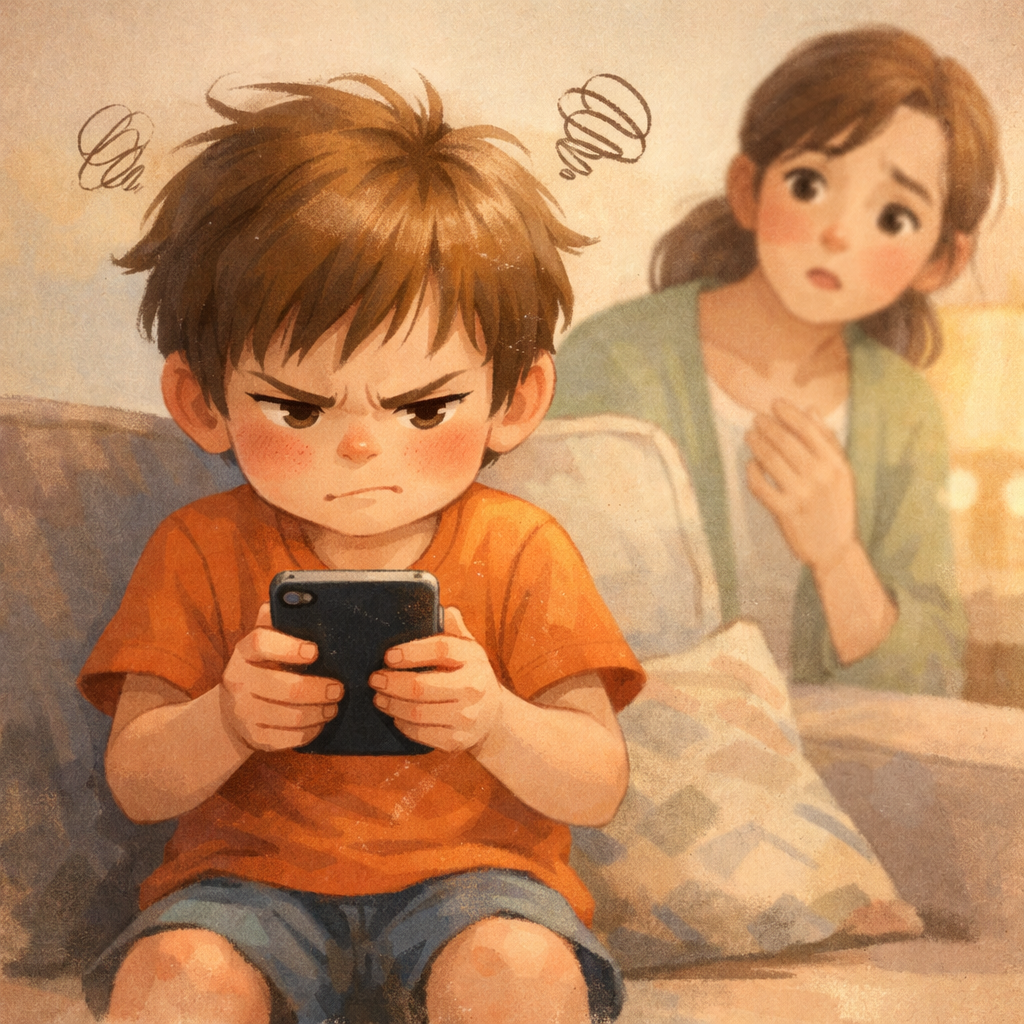
You do not need to banish all technology from your home to protect your child's hormones, especially for young people. The goal is intentional, balanced moderation. Here are five powerful habits to successfully manage screen time and support a healthy nervous system:
- Set strict daily screen time limits based on age: Follow basic pediatric guidelines to establish firm boundaries regarding the effects of screen time. For toddlers and preschoolers, limit high-quality programming to exactly one hour a day. For school-aged children, establish a consistent daily allowance (e.g., 1-2 hours of recreational screen time) and rigorously enforce it. Communicate these limits clearly so your child knows exactly what to expect.
- Avoid all screens at least 1 full hour before bedtime: Implementing a strict "digital curfew" is the single most effective way to protect melatonin release and lower evening cortisol. Turn off televisions, tablets, and phones 60 to 90 minutes before sleep. Replace this time with calming, tactile activities like reading physical books, taking a warm bath, or listening to quiet music to manually relax the nervous system.
- Encourage outdoor play and daily physical activity: The fastest biological way to metabolize and burn off excess cortisol is through vigorous physical exercise. Ensure your child engages in at least an hour of outdoor, active play every single day. Exposure to natural sunlight also helps perfectly reset their circadian rhythm, acting as a reset button that counters the negative effects of digital blue light.
- Promote highly engaging, screen-free family time for younger kids: Create dedicated blocks of time where the whole family unplugs. Institute rules like 'no phones at the dinner table' or 'screen-free car rides.' Use this time to foster deep conversations, play board games, or cook together. This human connection releases oxytocin, a powerful bonding hormone that actively reduces stress and fights cortisol.
- Create permanent device-free zones (especially bedrooms): Protect your child's sleep environment fiercely. The bedroom should be a sanctuary strictly optimized for rest, not digital entertainment. Keep all TVs, computers, and video game consoles out of their sleeping space to promote better language development. Create a central charging station in the kitchen or living room where all personal devices physically remain overnight so children are not tempted to sneak screen time under the covers.
Take Back Control of Their Digital Health
You have the power to protect your child’s delicate mental health, emotional stability, and internal hormone balance by proactively managing their screen time effectively and incorporating green time into their daily routine. Do not let digital devices dictate your child's mood and sleep! Start building much healthier, intentional digital habits today, and watch their focus, behaviour, and sleep immediately improve.
Reach out for a consultation or call daar at 02 9133 2500 for more expert parenting strategies, science-backed child wellness tips, and highly practical guidance delivered directly to your inbox.
Frequently Asked Questions (FAQs)
1. How exactly does excess screen time affect stress hormones in young children?
Excess screen time directly increases a child's cortisol (stress hormone) levels by intensely overstimulating their developing brain. Fast-paced video games and flashy media trigger a mild "fight or flight" response, signaling the adrenal glands to release adrenaline and cortisol. This intense stimulation, combined with physical inactivity, disrupts the nervous system's natural relaxation cycles, leaving the young child in a chronic state of heightened biological alert.
2. Is screen time immediately before bed really that harmful for kids?
Yes, it is deeply harmful to their sleep architecture. Screen use immediately before bed directly bombards a child's eyes with artificial blue light, which tricks their brain into thinking it is daytime. This stops the release of melatonin (the sleep hormone) and keeps stress hormone activity unnaturally high. This deadly combination severely delays sleep onset, causes frequent nighttime awakenings, and drastically reduces the restorative deep sleep required for healthy development, especially when kids are exposed to much screen time.
3. How much recreational screen time is actually considered safe for children?
Safe limits depend heavily on the child's developmental age. Pediatric experts generally recommend absolutely no screen time for children under 18-24 months (except for video chatting with family). For children ages 2 to 5, limit screen time to just one hour of high-quality educational media programming per day. For school-aged children and teens, parents should place consistent, strict limits (typically around 2 hours of recreational use) and always aggressively prioritize offline activities, outdoor physical exercise, and 9-12 hours of sleep above all screen usage.
.svg)




.svg)