
.png?width=48&height=48&name=Group%201%20(3).png)























29 September, 2026

Managing Screen Time and Children’s Behaviour Effectively

Key Highlights
- Screen time can affect children’s screen time patterns, behaviour, and mental health over time.
- Excessive screen time is linked with anxiety, aggression, hyperactivity, and trouble managing emotions.
- Some children use screens as a coping mechanism, which can deepen behaviour challenges.
- Parents can support better social interaction by setting reasonable limits and planning regular breaks.
- Parental controls and device settings help manage access, timing, and screen content.
- Age-based guidance and free built-in tools give families a practical starting point.
Introduction
For many families, screen use is part of daily life. Children watch shows, play games, message others, and even use devices for homework. That is why managing screen habits matters so much, especially for young children whose routines and mental health are still developing. This blog explains what screen time includes, how spending much time on screens may affect behaviour, what signs to watch for, and which simple tools can help you guide healthier habits at home.
Understanding Screen Time and Its Impact on Children
Screen time includes many activities, not just TV watching. Your child’s screen time may involve video games, social media, online homework, messaging, or educational content. The types of screen time matter because screen content and the amount of time spent on it can affect children in different ways.
Today, screens are woven into everyday routines, so it is easy for much screen time to build up without notice. Research suggests excessive screen time may shape emotional behaviour and social development, especially when use becomes frequent, hard to stop, or replaces other parts of daily life.
Emotional and Behavioural Effects of Excessive Screen Time
A major review in Psychological Bulletin found that excessive screen time increases the risk of emotional and behavioural problems in children under 10. Covering 117 studies and over 292,000 children, the research linked screen use to issues like anxiety, depression, aggression, hyperactivity, and low self-confidence.
Emotional wellbeing can be affected both internally (worry) and externally (acting out). The relationship works both ways—children with existing problems may seek comfort in screens, which can then worsen their struggles over time. Research by Rachael Taylor and others supports this cycle: screens not only reflect but also intensify these issues.
How Screen Time Influences Tantrums and Transitions
Many parents find that ending screen time can trigger strong reactions like tantrums, whining, or refusal. This is common when children use screens as a coping mechanism; research shows those with emotional difficulties often turn to devices for comfort, making transitions to other tasks harder.
Over time, kids may rely more on screens and less on face-to-face interaction, missing chances to practice coping skills. Setting healthy limits and calm routines around transitions can help.
Recognising Signs of Unhealthy Screen Time in Children
The signs of too much screen time are not always obvious at first. You may notice mood changes, trouble stopping, or less interest in other routines. Watching your child’s health, behaviour, and reactions during and after device use can give you more useful clues than usual snapshots taken at one moment.
It also helps to look at patterns, not just minutes. Are daily time limits hard to follow? Is passive consumption replacing play, conversation, or calmer activities? These cues can point you toward habits that need attention before they grow into bigger challenges.
Common Warning Signals in Behaviour
Behaviour can change before parents link it to screen use. Warning signs may show up during device time, after screens are taken away, or later in the day. Excessive screen time looks different for each child, but repeated patterns need attention.
Watch for:
- Frequent meltdowns or irritability when screen time ends
- Strong resistance to limits or constant requests for more access
- Less interest in family, play, or offline activities
- Increasing reliance on passive viewing over conversation or active learning
A shift in mood is another clue. A child may seem more anxious, reactive, or unsettled after using screens. If these behaviours become routine, consider adjusting habits, content, or timing instead of waiting for them to resolve on their own.
Observing Changes in Social Skills and Emotional Responses
Social skills and emotional responses in children can significantly shift under the influence of excessive screen time. Engaging too much with electronic devices often leads to passive consumption of content, diminishing opportunities for meaningful face-to-face interaction, which is crucial for developing socioemotional abilities. Observational studies, such as those from the University of Southern Queensland, underline that children overly reliant on screens may exhibit increased behavioural issues, withdrawing from social situations and displaying difficulties in emotional regulation.
Recognising these changes is essential for fostering a balanced approach to screen use. Effective strategies, like establishing reasonable daily time limits, can enhance a child's emotional wellbeing and provide emotional support. Parents can also encourage regular breaks from screens to promote physical activity and initiate more interactions that bridge the gap between virtual and real-world communication.
Strategies for Managing Screen Time and Promoting Positive Behaviour
Managing screen time works best when you stay proactive instead of waiting for conflict. Reasonable limits, clear routines, and regular breaks can help children know what to expect. This supports positive behaviour and makes daily transitions smoother.
You do not need complicated systems to begin. Built-in device tools, parental controls, and age-based guidance offer a practical way to shape habits. The next sections cover limits by age and simple settings that families can use right away.
Establishing Consistent Screen Time Limits by Age
Age-based limits help families make decisions that fit a child’s stage of development. The compiled research shows younger children and older children may respond differently to screen exposure, so daily time limits should not be one-size-fits-all. Parents often look to the American Academy of Pediatrics and Common Sense Media for broad guidance.
Here is a simple text table you can use as a planning tool for language development:
|
Age group |
Practical focus for families |
|---|---|
|
0–5 years of age |
Keep screen use very limited, choose educational content carefully, and stay involved |
|
6–10 years of age |
Set firmer daily time limits, watch gaming closely, and protect time for routines and connection |
Consistency matters as much as the number itself. When families apply limits in the same way each day, children know what comes next. That reduces arguments and helps screens stay in balance with sleep, conversation, and other healthy activities.
Parental Tools and Device Settings for Healthy Screen Habits
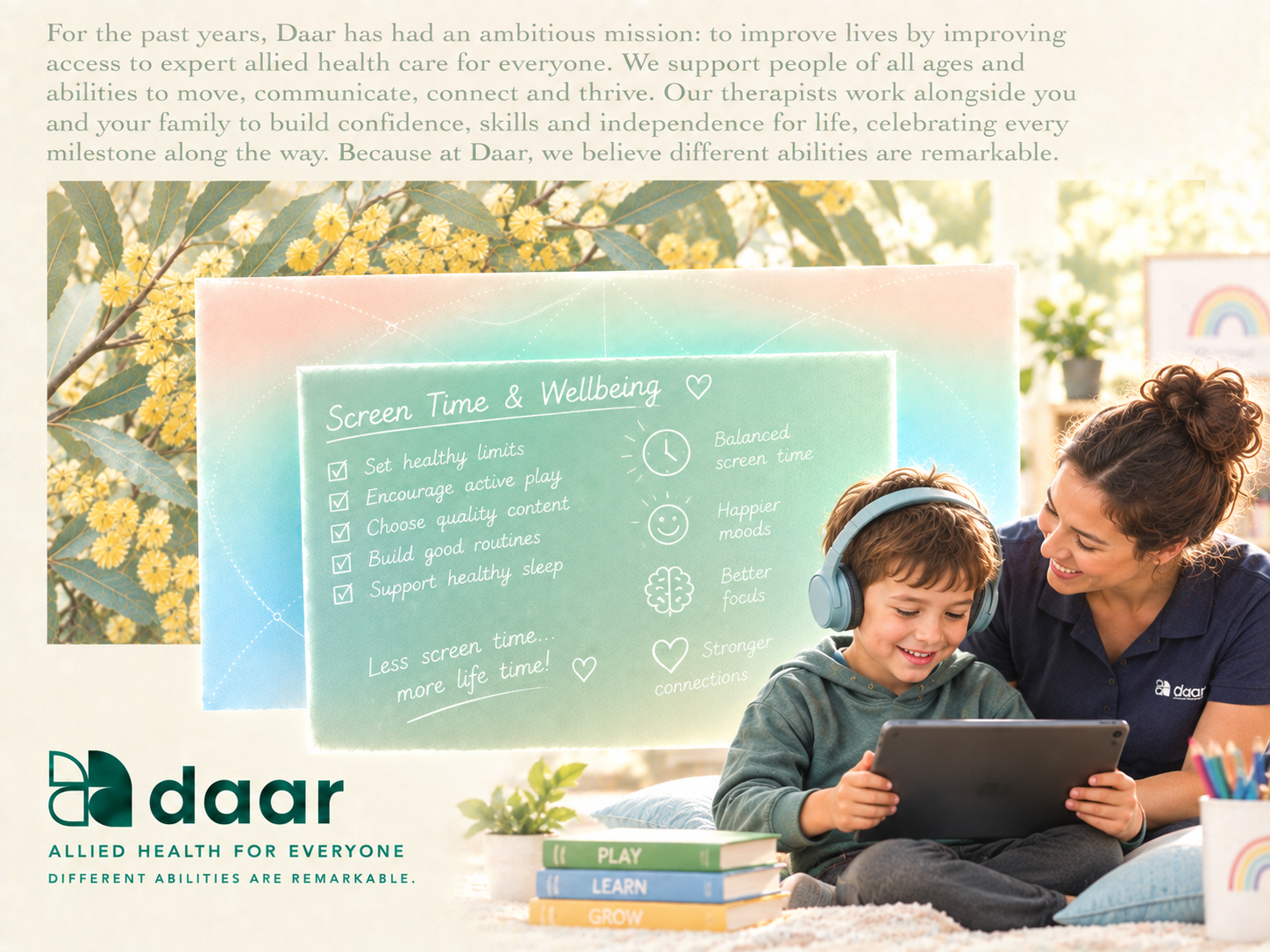
Built-in tools make managing screen time easier. Parental controls and device settings let you set when screens are available, which apps can be used, and how long your child has access—reducing the need for constant reminders.
Helpful features include:
- Daily app timers that cut off access after a set time
- Content filters to block inappropriate games, videos, or sites
- Downtime schedules for homework, meals, or bedtime
- Parental control apps to track usage and adjust rules
Start simple—try setting game time limits or making bedtime device-free. Free built-in controls on phones and tablets often meet most families’ needs, especially when paired with calm discussions and consistent follow-through.
Conclusion
In conclusion, managing screen time is crucial for nurturing healthy behaviour in children. By understanding the emotional and behavioural impacts of excessive screen exposure, parents can identify warning signs and implement effective strategies to foster positive habits. Establishing consistent limits, utilising parental control tools, and promoting engaging offline activities can make a significant difference in supporting your child's development. Remember, it’s about balance—encouraging responsible screen use while prioritising meaningful interactions and experiences beyond the screen.
Together, we can create a healthier environment for our children to thrive. If you have any questions or need further guidance, feel free to reach out for a consultation or call daar at 02 9133 2500!
Frequently Asked Questions
Can too much screen time cause tantrums or issues with transitions?
Yes, too much screen time can make tantrums and transitions harder for some children. When screen use becomes a main way to cope or calm down, stopping it may trigger frustration, anger, or clingy emotional behaviour, especially when moving to meals, homework, or bedtime.
What is the recommended screen time for different age groups?
Recommended screen time often depends on years of age. Families commonly use guidance from the American Academy of Pediatrics to shape daily time limits, with very limited use for younger children and more structured limits for older kids. Educational content and parent involvement matter just as much as minutes.
How can parents help children develop healthier screen habits?
Parents can build healthier screen habits by setting clear routines, choosing better screen content, and using parental controls to support limits. Add regular breaks, keep expectations steady, and pay attention to mood changes. A calm, consistent approach helps children practice positive behaviour without making screens the center of every conflict.
.svg)




.svg)