
.png?width=48&height=48&name=Group%201%20(3).png)























19 August, 2026

Reducing Screen Time Addiction in Children: Practical Steps
Key Highlights
- Clear screen time limits help reduce excessive screen time and support better daily habits.
- Your child’s screen time should not replace sleep, learning, play, or physical activity.
- High-quality digital media matters more than simply counting minutes on a clock.
- Parental controls can help you block unsuitable content and manage access with less stress.
- Tech-free routines at meals and bedtime make family life calmer and more predictable.
- Small changes, repeated daily, can lower screen dependence without turning every limit into a battle.
Introduction
Screen use is now part of everyday family life, so it can feel hard to know where healthy media use ends and screen addiction begins. Some content can teach, entertain, and even support connection. Still, when screens start replacing sleep, play, conversation, and movement, problems can build quickly. If you are worried about your child, you are not overreacting. With a few practical steps, you can guide screen habits in a way that feels steady, realistic, and supportive.
Why Do Children Become Addicted to Screens?
Children grow up surrounded by screen media, so frequent screen use can start feeling normal very early. Today’s kids are often called digital natives because digital technology is built into learning, play, and social time.
At the same time, video gaming, online entertainment, and constant access can make screens hard to leave. Young children’s brains are still developing, including areas tied to attention, self-control, and even the suppression of socially unacceptable impulses. That is why some kids struggle more than adults when limits appear.
Psychological Drivers Behind Screen Use
Many children are drawn to screens because they offer instant rewards. Video games, short videos, and social media provide quick stimulation with little effort, making them appealing to bored or restless kids.
Screens can also become a way for children to manage emotions. Kids may use devices to escape frustration, sadness, or stress, relying on screen time for short-term relief—even if it leads to bigger problems later.
There’s also a brain health aspect. Research shows that addictive digital media use can affect areas of the brain tied to control and emotion. Ultimately, screens are appealing because they’re soothing, exciting, and hard to resist.
Role of Digital Devices and Media in Everyday Life
Digital devices like phones, tablets, TVs, and laptops are now a common part of homes, schools, and waiting rooms. They’re used for learning, entertainment, and communication—often increasing daily screen time without families noticing.
For kids, screens aren’t just for fun; they’re used for schoolwork, messaging, education, and videos. Because screens serve so many roles, children may turn to them by default when they’re bored or need comfort.
This easy access makes it simple for kids to form strong screen habits. If devices are given during meals, car rides, or emotional moments, they quickly become part of the routine—and the more automatic this pattern gets, the harder it is to break.
Impact of Excessive Screen Time on Child Development
Much screen time can affect several parts of a child’s development, especially when it replaces sleep, face-to-face interaction, reading, and play. Research in the compiled information links heavy screen use with delays in language, attention difficulties, and reduced learning time.
It can also lead to poor sleep and behavioural problems, which then spill into school and home life. So what are the effects of too much screen time on children’s development? They often show up in thinking, mood, behaviour, and daily functioning. The next sections break that down more clearly.
Cognitive, Emotional, and Social Effects
Overexposure to screens can negatively impact cognitive development in many ways; although certain high-quality media content may aid learning, excessive passive consumption or simultaneous use of multiple media types is associated with diminished attention spans, limited executive functioning, and poorer academic achievement. Increased screen time often reduces opportunities for active learning and hands-on problem-solving.
Screens may also hinder language development, as they tend to decrease verbal interactions with adults; young children acquire language abilities mainly through interactive communication rather than simply hearing isolated words from digital devices. Furthermore, background television can distract children and undermine meaningful conversational exchanges.
On an emotional and social level, excessive screen usage may make it harder for children to regulate their emotions or accurately interpret others’ feelings. Studies referenced in the compiled research highlight potential drawbacks for empathy, interpersonal skills, and impulse control, noting that these issues become especially pronounced when screen habits are both repetitive and excessive.
Health Risks Linked to Screen Dependency Disorder
Yes, there can be real health risks linked to screen addiction in children. The compiled information connects heavy screen dependence with physical discomfort, sleep problems, and wider mental health concerns. These effects may build slowly, which is why families sometimes miss them at first.
Some warning signs and health risks include:
- back pain from long periods of sitting or poor posture
- vision problems and eye strain after extended device use
- lack of sleep, especially when screens are used at night
- weight gain, headaches, anxiety, or loneliness in some children
Another concern is that screen time often clusters with other unhealthy habits, such as reduced movement and poor sleep routines. If your child seems preoccupied, irritable when screens are removed, or unwilling to stop despite problems, it may be time to review daily habits and seek guidance from a health professional.
Recommended Screen Time Limits for Children in Australia
Parents often ask what screen time limits actually make sense. Based on the compiled information, the Academy of Pediatrics advises no media use except video chatting for children younger than 18 months. For ages 18 to 24 months, digital content should be high quality and used with an adult.
For children ages 2 to 5, the guidance is to limit a child’s screen time to one hour a day of high-quality programming. For older children, media use should stay balanced so it does not replace sleep, physical activity, learning, or family interaction.
Age-Based Guidance for Children Aged 3 to 11
If your child is between 3 and 11 years of age, a simple age-based plan can make decisions easier. The compiled information gives clear guidance for younger children and broader balance rules for older ones. That helps you set screen time limits without guessing every day.
Here is a practical text table based on the compiled information:
|
Age group |
Guidance |
|---|---|
|
3-5 years of age |
Limit to about 1 hour a day of high-quality content, with adult involvement when possible |
|
6-11 years of age |
Set consistent limits so screens do not replace sleep, schoolwork, play, or physical activity |
|
All young children |
Focus on quality, avoid violent or fast-paced content, and keep screens out of bedrooms |
In early childhood, quality matters as much as quantity. The Academy of Pediatrics also stresses co-viewing when possible, because young children learn better when an adult helps connect what is on screen to real life. That turns passive viewing into guided learning.
How to Set Realistic Screen Time Boundaries
Managing the use of screen media works best when your rules fit real family life. If limits are too strict or unclear, children push back. If they are simple and predictable, kids usually adjust over time. Start with small changes you can actually keep.
Try these practical steps:
- set daily or weekly time limits and keep them consistent
- use parental controls to block or filter unsuitable content
- create tech-free times, such as meals or one night each week
- keep devices out of bedrooms and charge them elsewhere at night
It also helps to stay involved. Preview apps, games, and shows before saying yes. Ask your child what they watched or played that day. When possible, sit with them and talk about the content. Clear supervision lowers conflict and makes it easier to guide habits for children aged 3 to 11.
Practical Steps for Reducing Screen Time Addiction
Reducing screen addiction does not have to mean taking every device away at once. In many homes, steady limits work better than sudden bans. Your goal is to lower screen use while protecting routines, sleep, and connection.
Start by checking the amount of screen time your child gets during meals, before bed, and during downtime. Then swap some of those moments with alternative activities, clear schedules, and parental controls. When children know what to expect, they are less likely to fight every change. The next two sections show how to do that calmly.
Introducing Alternative Activities for Kids
One of the best ways to cut screen time is to offer something else before boredom takes over. Children usually respond better to replacement than removal. If you only say no to screens, frustration grows. If you give appealing options, change feels easier.
Useful alternative activities include:
- physical activity such as biking, dancing, or simple backyard games
- creative play with drawing, building, music, or pretend play
- time outdoors to support movement, mood, and curiosity
- playdates or shared games that build social development
Keep the options visible and easy to start. A basket of art supplies, books, puzzles, or sports gear can help. Unstructured play is especially valuable in early childhood because it supports learning and problem-solving. If you want your child to choose something other than a device, make the non-screen choice feel available, familiar, and fun.
Strategies for Managing Transitions and Avoiding Tantrums
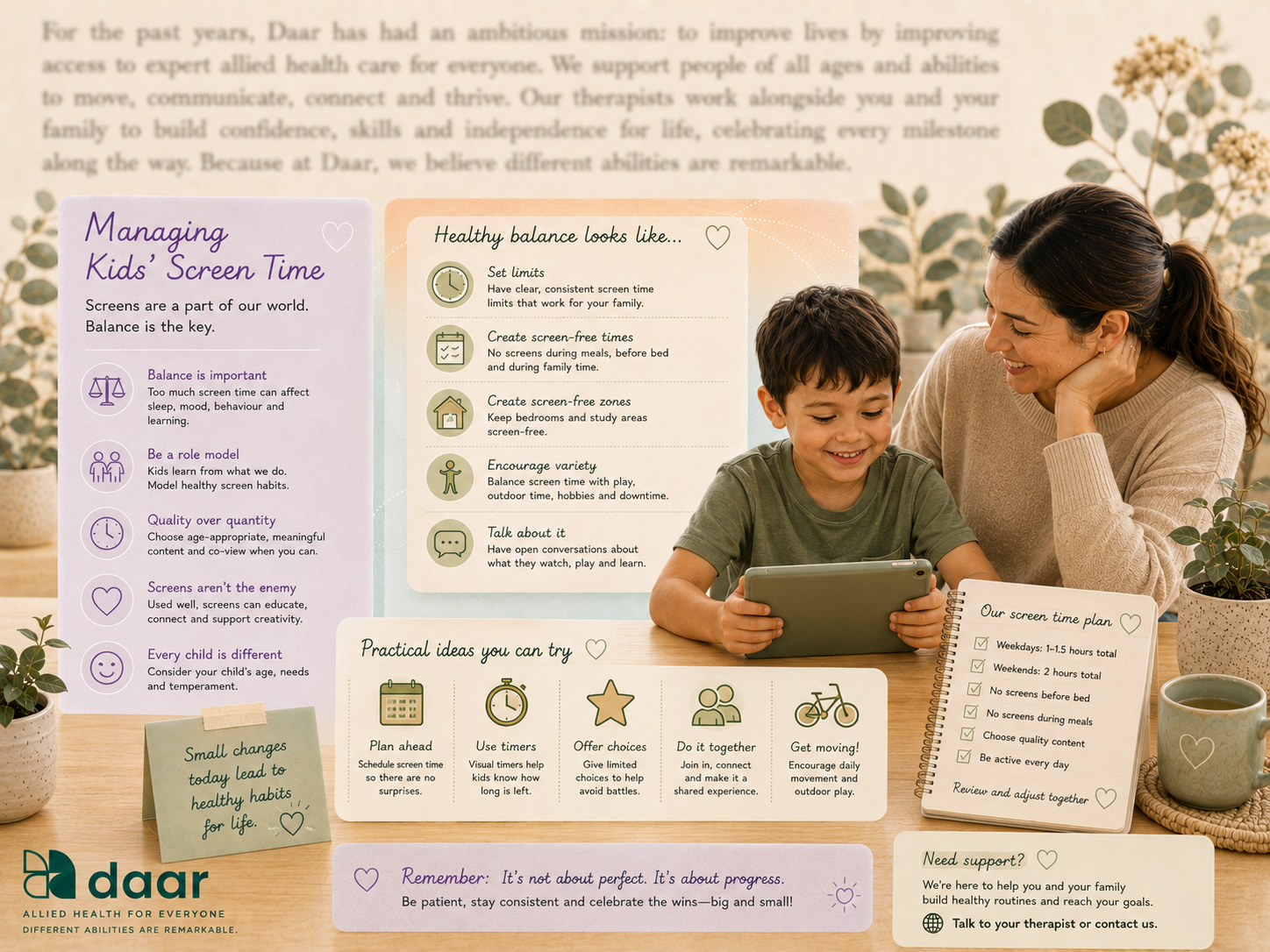
Tantrums often happen during transitions, not because limits are wrong, but because the change feels abrupt. Children who spend much time with screens may need help shifting from high stimulation to ordinary family routines. That is why calm structure matters so much.
To make transitions easier, try this:
- give a short warning before screen time ends
- follow the same family routines each day
- move from screen exposure to a planned activity, snack, or bath
- avoid offering screens as the main fix for boredom or distress
Your child may still protest at first, and that does not mean the plan is failing. Emotional regulation develops with practice. When limits stay predictable, children learn what comes next and recover faster. This also helps reduce behavioural problems tied to sudden device removal. The calmer and more consistent you are, the less power the screen holds.
Conclusion
In conclusion, addressing screen time addiction in children is essential for their overall development and well-being. By understanding the psychological drivers behind screen use and the potential impacts of excessive screen time, parents can take proactive steps to create a healthier balance. Implementing practical strategies such as introducing alternative activities and setting realistic boundaries can help children engage in more fulfilling experiences away from screens. As you navigate this journey, remember that creating open conversations about screen use and its effects can foster mutual understanding. Start making these changes today to support your child's growth and well-being.
If you're looking for personalised advice or strategies, feel free to reach out for a consultation or call daar at 02 9133 2500!
Frequently Asked Questions
How can I talk to my young child about reducing screen time?
Keep the message simple for your young child. Explain that screen media is only one part of the day, not the whole day. Use clear words about when your child’s screen time starts and ends, and pair that with parental controls, routines, and conversations that support language skills and trust.
What are practical tips to help toddlers spend less time on screens?
For toddlers and preschool children, aim for little screen time by building easy non-screen habits. Offer physical activity, books, music, and simple play before boredom grows. Keep media use out of bedrooms, avoid screens before sleep, and watch for signs that much screen time is replacing interaction and play.
How can I manage screen usage without causing conflicts at home?
Protect family life with screen time limits that are simple and consistent. Set clear boundaries for meals, bedtime, and homework, and adjust them for your child’s years of age. When rules stay predictable and adults model the same habits, resistance drops and screen addiction has less room to grow.
.svg)




.svg)