
.png?width=48&height=48&name=Group%201%20(3).png)
























30 March, 2026

Understanding How to Limit Screen Time for Kids Today
Key Highlights
- Understand screen time recommendations from experts like the World Health Organization to guide your child's media use. Occupational therapy tips can provide practical strategies—such as setting consistent routines, integrating movement breaks, and encouraging hands-on play—that help families manage screen time and promote balanced daily habits. Limiting screen time is crucial for a child's physical activity levels and mental health. Occupational therapists can support this by suggesting engaging alternatives to screens and helping structure your child's day to ensure adequate opportunities for physical activity and social interaction.
- Limiting screen time is crucial for a child's physical activity levels and mental health. Occupational therapy tips can help families develop routines and strategies that encourage healthy screen habits, making it easier to balance screen time with engaging physical activity and social interactions. Creating a family media plan helps establish clear rules and healthy screen habits. The type of screen time matters; prioritize educational content over passive entertainment.
- Creating a family media plan helps establish clear rules and healthy screen habits.
- The type of screen time matters; prioritize educational content over passive entertainment.
- Modeling healthy behavior with your own screen use is a powerful way to teach your children.
- Balancing digital media with offline activities supports overall healthy development.
Introduction
In today's digital world, managing screen time for young children has become a major part of parenting. While digital media can be a fantastic tool for learning and creativity, finding the right balance is key. Too much screen time can negatively affect growing minds. It's not just about the amount of time spent in front of a screen; the quality and context of that screen use are just as important for your child's development. Let's explore how to navigate this challenge.
Screen Time Recommendations for Kids in Australia
Health experts and leading organizations like the World Health Organization (WHO) and the American Academy of Pediatrics (AAP) have developed screen time recommendations to help parents. These guidelines are designed to ensure children's media use is balanced with other vital activities like physical play, sleep, and face-to-face social interaction.
These pediatric experts agree that setting limits is essential for healthy development. The recommendations vary by age, acknowledging that the impact of screens changes as a child grows. Let's look at the specific guidelines to help you make informed choices for your family.
Age-Based Guidelines for Daily Screen Use
Following age-specific screen time guidelines can help protect your child’s development. For the youngest children, real-world interaction is far more valuable than any screen. As they get older, a structured approach to media becomes important.
For toddlers and preschoolers, the focus should be on high-quality, educational content, with a strict time limit. For school-aged children and young people, it's about balancing recreational screen time with physical activity and other responsibilities. It is recommended that any screen time be co-viewed with an adult whenever possible.
Here is a breakdown of the Australian recommendations: | Age Group | Recommended Daily Screen Time | Under 2 years | No screen time is recommended, except for video-chatting with family. | | 2-5 years | No more than one hour per day of high-quality programming. | | 5-17 years | Limited to two hours of recreational screen time per day. |
Understanding the Differences Between Educational and Entertainment Screen Time
Not all screen time is created equal. It's helpful to distinguish between educational screen time and time spent on pure entertainment. Educational media use involves interactive and engaging content that promotes learning and problem-solving skills. This could be an app that teaches coding or a program about science.
In contrast, entertainment screen time often involves passive viewing, like watching cartoons or scrolling through videos. While some entertainment is fine, it doesn't offer the same developmental benefits. When you choose screen activities, try to prioritize those that are interactive and educational.
Here are some ways to encourage a healthy media diet:
- Watch with your child to turn passive viewing into an active learning experience by asking questions.
- Choose apps and games that encourage creativity, critical thinking, and problem-solving.
- Use resources from trusted organizations to find age-appropriate, high-quality content.
Why Limiting Screen Time Matters
Setting boundaries on screen use is crucial for your child's healthy development. Excessive screen use is linked to a variety of issues affecting both physical and mental health. When kids spend too much time in front of screens, it often displaces other important activities like playing outside, interacting with family, and getting enough sleep.
Achieving a healthy balance is essential. By managing the amount of time your child spends with digital devices, you help them build a strong foundation for their overall wellbeing. Next, we will discuss the specific impacts on their health and behavior.
Impacts on Physical and Mental Health
The connection between excessive screen time and a child's physical health is well-documented. Long hours spent in front of a screen are sedentary, which is a strong contributor to childhood obesity. Children who are less active are at a higher risk of weight gain and other related health problems. Eye strain and poor posture are also common issues linked to extended device use.
Beyond physical concerns, too much screen time can take a toll on mental health and wellbeing. Overuse of social media, in particular, has been associated with increased anxiety, depression, and feelings of isolation in adolescents. The pressure to compare themselves to others online can negatively impact self-esteem.
The first few years of life are a critical period for brain growth. Learning happens best through real-world experiences and interactions. Excessive screen time can interfere with this crucial development, potentially impacting cognitive and social skills.
Effects on Sleep, Focus, and Behavior
One of the most significant effects of too much screen time is on a child's sleep. The blue light from screens can disrupt the body's production of melatonin, the hormone that regulates sleep. Using devices, especially close to bedtime, can make it harder for children to fall asleep and reduce their overall sleep quality.
You might also notice changes in your child's focus and behavior. Some studies show that preschoolers with several hours of screen time daily are more likely to experience behavioral problems and difficulty with attention. Signs that your child may be spending too much time on screens can include:
- Emotional meltdowns when screens are taken away.
- Difficulty concentrating on non-screen activities.
- A loss of interest in hobbies and social interactions.
Furthermore, extended screen time can impact the development of face-to-face social skills. Children who spend a lot of time on interactive screens, like with gaming, may show reduced empathy and have a harder time in social situations.
Practical Ways to Manage and Limit Screen Time
Now that you understand the "why," let's focus on the "how." Implementing practical strategies to manage screen time can make a huge difference in your household. Creating a family media plan is a great first step, as it helps set clear and consistent rules for everyone.
There are many simple yet effective ways to reduce screen use and encourage a healthier balance. From setting up screen-free zones to using helpful tools, you can guide your child toward better habits. The following sections offer concrete tips for creating a routine and using technology to your advantage.
Creating a Family Routine and Healthy Tech Habits
A consistent family routine is one of the most effective tools for managing screen time. When children know what to expect, they are less likely to push back against limits. Designate specific times for screen use, such as for 20 minutes after school, and stick to them. This helps create healthy expectations around when devices are allowed.
Your own screen use sets a powerful example. Children learn by watching the adults around them, so be mindful of your habits. Prioritize face-to-face family time and put your phone away during important activities like meals. This models the balanced behavior you want to see in your kids.
Here are a few ideas to build healthy tech habits:
- Establish screen-free zones, such as the dining room and bedrooms, to protect family time and sleep.
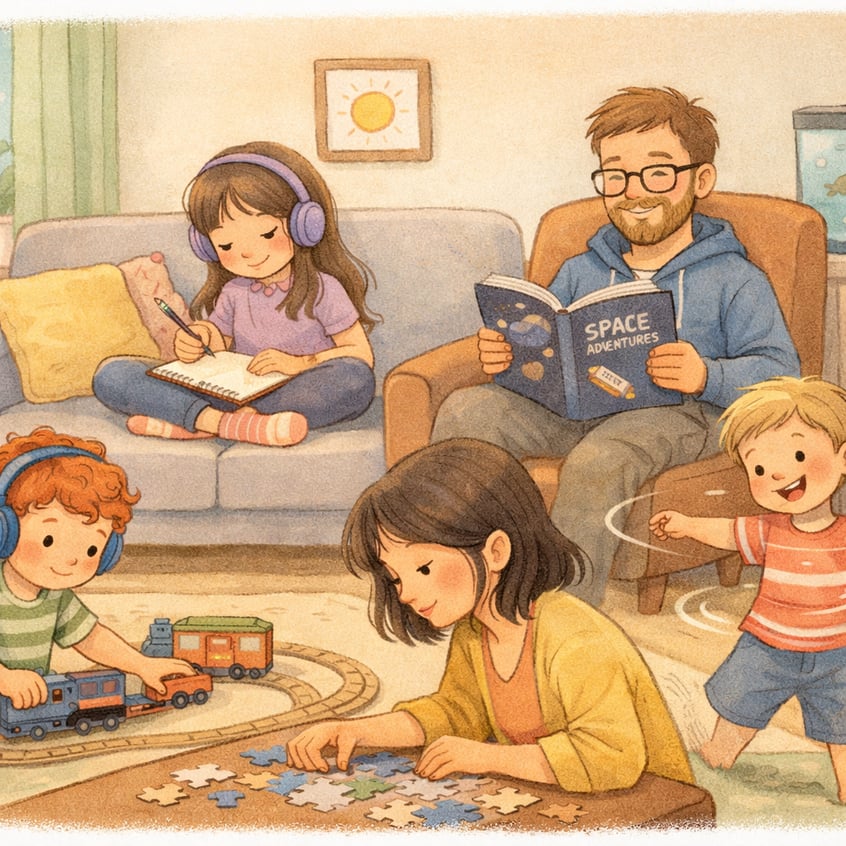
- Encourage offline hobbies and activities that your child enjoys, like sports, reading, or art.
- Implement screen-free days where the whole family engages in activities together without devices.
Using Parental Control Apps and Checklists to Set Boundaries

Technology itself can be a useful ally in screen time management. Parental control apps allow you to set time limits, filter inappropriate content, and monitor your child’s screen usage. Many devices and operating systems have built-in features, like Apple's Guided Access or Android's Screen Pinning, that give you more control.
Creating a simple checklist can also help you and your child track screen time and other activities. A visual chart can empower your child to take ownership of their choices and understand the need for balance. This can be a list of daily tasks to complete before screen time is allowed, such as homework, chores, and outdoor play.
For effective screen time management, consider these tools:
- Use built-in device settings or free parental control apps like Google Family Link to set boundaries.
- Develop a daily or weekly checklist that outlines expectations for screen use and other important activities.
- Explore resources from organizations like the eSafety Commissioner for guidance on online safety.
Conclusion
In conclusion, managing and limiting screen time for kids is essential in fostering their physical and mental well-being. By establishing clear guidelines and incorporating healthy tech habits into your family's routine, you can create a balanced environment where children thrive. Remember to prioritize educational content over entertainment and engage in activities that promote alternative forms of play and learning. The benefits of limiting screen time extend beyond just reducing exposure; they can enhance sleep quality, improve focus, and encourage positive behaviors.
If you're seeking personalized strategies to reduce your child's screen time, don't hesitate to reach out for a consultation or call daar at 02 9133 2500. Together, we can ensure a healthier digital lifestyle for your family.
Frequently Asked Questions
What are effective strategies to reduce my child’s screen time?
Effective strategies include setting clear time limits, creating screen-free zones like bedrooms, and requiring children to complete other activities first. Encourage offline hobbies to replace time spent on gaming or social media. Consistency is key to building healthy screen habits and reducing overall screen time.
How can I encourage healthy alternatives to screens?
Encourage physical activity by playing outside, going for family walks, or signing up for sports. For young kids, make sure toys and art supplies are easily accessible to inspire creative playtime. Fostering hobbies like reading or music helps develop skills and interests away from screens.
Are there free resources or tools to help parents monitor children’s screen time?
Yes, there are many free resources. Parental control apps like Google Family Link can help you manage your child's media use. You can also use built-in features on smartphones and tablets. Creating a simple checklist to track daily screen time against other activities is another effective, no-cost tool.
.svg)




.svg)