
.png?width=48&height=48&name=Group%201%20(3).png)
























6 January, 2026

How Positive Behaviour Support Enhances Quality of Life

Introduction
Do you find that challenging behaviours are affecting your wellbeing or the wellbeing of someone you care for? Actions that are disruptive or harmful, often called behaviours of concern, can stem from unmet needs, stress, or communication difficulties. Positive Behaviour Support (PBS) is a compassionate, evidence-based approach that focuses on understanding the reasons behind these actions. It aims to improve an individual's quality of life by developing supportive strategies that create lasting positive change.
Key Highlights
-
Positive behaviour support (PBS) is a person-centered approach focused on improving an individual's overall quality of life.
-
A behaviour support practitioner develops a personalized behaviour support plan to understand and address concerning behaviours.
-
The goal is to teach new skills and create supportive environments rather than just managing behaviours.
-
NDIS behaviour support can fund these services, including assessment and the creation of practical strategies.
-
Any use of restrictive practices is strictly regulated and aims to be reduced or eliminated over time.
Positive Behaviour Support Plans Explained
A positive behaviour support plan is a personalized guide for you and your support team. Instead of just reacting to behaviours, the plan helps identify underlying causes with the help of a specialist practitioner. Together, you’ll find triggers and understand what the person’s actions are communicating.
The plan focuses on proactive strategies and skill-building to help individuals express their needs more effectively. Its main goal is to boost independence and improve the quality of life at home, school, and in the community.
Core Components of an Effective Support Plan
An effective behaviour management plan is built on a thorough understanding of the individual. The process starts with a detailed functional behaviour assessment, which involves careful data collection through observations and interviews. This helps pinpoint the specific reasons behind a person's actions, forming the foundation of the entire support plan.
This comprehensive plan is much more than a list of rules; it’s a roadmap for positive change. It details proactive and reactive strategies, skill-building opportunities, and any necessary supports. If restrictive practices are in use, the plan must outline a clear path to reduce and eliminate them safely.
The core components ensure everyone involved has a clear role. Key elements include:
-
An understanding of the function or purpose of the behaviour.
-
Proactive strategies to create supportive environments and prevent triggers.
-
Reactive strategies to respond safely and consistently when behaviours occur.
-
A plan for teaching new, more effective communication and coping skills.
Common Strategies and Interventions Used
Positive behaviour support uses individualized strategies to achieve positive outcomes, focusing on proactive approaches that prevent challenging behaviours. These may include modifying the environment, creating predictable routines, and teaching alternative communication methods to address triggers and reduce stress.
Skill development is also key—teaching emotional regulation, social skills, and daily living activities to build confidence and independence. Reactive strategies ensure safe, consistent responses if concerning behaviour occurs.
Common behaviour support strategies include:
-
Functional communication training for expressing needs effectively
-
Visual supports (schedules, choice boards) for predictability
-
Environmental adjustments to reduce sensory overload or stress
-
Teaching emotional regulation and coping skills
-
Building social skills for better interactions
Choosing a Qualified Behaviour Support Practitioner
Choosing the right behaviour support practitioner is essential. Look for someone with proper qualifications who understands your unique goals and needs. A specialist works with you, your family, and your support team to create practical, evidence-based plans.
Regulated by the NDIS Quality and Safeguards Commission, these practitioners provide safe, effective support through assessments, planning, and reporting. This oversight ensures high-quality care focused on improving your life. Knowing their credentials and collaborative approach helps build a successful partnership.
Essential Qualifications and Skills for Practitioners in Australia
To become a behaviour support practitioner in Australia, professionals must meet NDIS Commission standards, usually by holding a relevant university degree (e.g., psychology, education, occupational therapy). They must also demonstrate competence under the Positive Behaviour Support Capability Framework.
Hands-on experience under supervision is required to ensure practical skills. Specialist behaviour support addresses complex cases where behaviours pose risks and require formal, function-based plans—unlike general therapy for milder issues.
The NDIS determines support levels based on how behaviours affect daily functioning.
|
Aspect |
General Behaviour Therapy |
Specialized Positive Behaviour Support |
|---|---|---|
|
Behavioural Issues |
Mild to moderate emotional/social challenges |
Complex, persistent behaviours posing risk of harm |
|
Support Focus |
Broad skill development (communication, emotional regulation) |
Function-based interventions for high-impact behaviours |
|
Plan Complexity |
Simple management strategies |
Detailed behaviour support plan with proactive/reactive strategies |
|
Collaboration |
Mainly with child and parents |
Extensive collaboration (family, school, support workers) |
Collaboration Between Practitioners, Families, and Service Providers
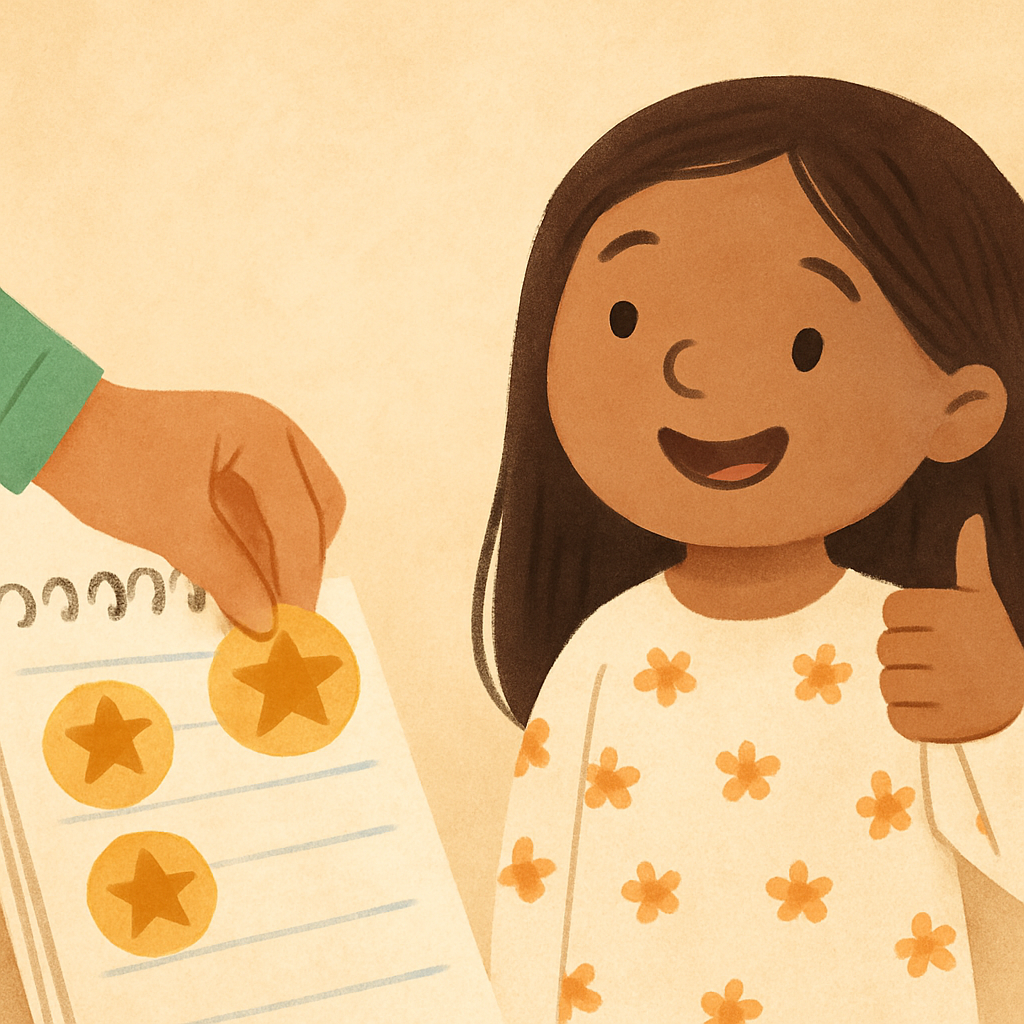
A collaborative approach is essential for effective positive behaviour support. Behaviour practitioners, family members, support workers, and service providers must work together as a unified team. This partnership ensures everyone understands and consistently implements support strategies across all settings—home, school, and the community. Seek support if challenging behaviours affect daily life or safety.
Families are key partners in this process. Your insights into your loved one’s strengths, preferences, and history are invaluable. Practitioners provide training and coaching to empower families and staff, building confidence to apply strategies effectively. Teamwork is especially important for children with autism, as consistency helps them learn and thrive.
Successful collaboration includes:
-
Actively listening to the individual’s and family’s concerns and goals
-
Setting meaningful, achievable goals together
-
Maintaining open communication among all team members
-
Providing training to ensure consistent plan implementation
Measuring Quality of Life Improvements through Positive Behaviour Support
Positive behaviour support is working if you see improvements in an individual’s overall quality of life—not just fewer challenging behaviours. Look for positive changes in independence, social participation, and emotional wellbeing. Consistent data collection tracks progress and shows the impact of your strategies.
PBS stands out because it focuses on lasting quality-of-life improvements, not just behaviour control. By partnering with support networks and using evidence-based methods, PBS creates meaningful change. To access these services, talk to your NDIS planner about including them in your NDIS plan.
Short-Term and Long-Term Outcomes for Individuals
Positive behaviour support delivers immediate and lasting benefits. In the short term, it reduces concerning behaviours by using proactive strategies and creating supportive environments, building momentum and confidence.
Long-term, it promotes skill development and independence. As individuals learn communication and emotional regulation skills, they handle stress better, express needs effectively, participate socially, build relationships, and gain confidence—improving overall quality of life.
For many, including children with autism, this approach fosters resilience and empowerment. The goal is not just to manage behaviours but to provide lifelong tools for wellbeing and sustainable positive change.
Success Stories and Impact on Daily Living
Positive behaviour support makes a real difference in daily life. For example, a child who struggled with transitions may now use a visual schedule and stay calm, while an adult with past outbursts can communicate needs effectively. These services drive meaningful change.
Beyond reducing stress, these strategies open new possibilities—helping individuals join community activities, build friendships, and become more independent at home or school. This boosts confidence and quality of life.
To begin, talk to your NDIS planner about your goals. If eligible, you can get NDIS funding for a registered provider to create a personalized plan. This support builds skills and environments where people with disabilities can thrive.
Conclusion
Positive Behaviour Support (PBS) is a transformative approach that improves quality of life for individuals with diverse needs. By emphasizing positive interventions and personalized support plans, PBS addresses challenging behaviours while fostering relationships and community engagement. Collaboration among practitioners, families, and service providers is key to success. Whether you're considering PBS for a loved one or seeking to enhance your professional skills, the goal is to empower individuals and promote well-being.
Contact us for a consultation or call daar at 02 9133 2500 to learn how we can help you enhance the quality of life through PBS.
Frequently Asked Questions
When should families seek Positive Behaviour Support Services?
Family members should consider seeking behaviour support services when challenging behaviours begin to impact a person's safety, learning, social life, or overall wellbeing. If these behaviours are causing distress or limiting participation in daily activities, NDIS behaviour support can provide the expert guidance and strategies needed to make a positive change.
What strategies are commonly used for children with autism?
Common behaviour support strategies for children with autism focus on skill development and predictability. This includes teaching social skills and emotional regulation techniques, using visual supports like schedules, and providing clear communication methods. Early intervention is key, as it helps children build foundational skills that support them throughout their lives.
How can you access Positive Behaviour Support under the NDIS?
You can access NDIS behaviour support through the National Disability Insurance Scheme. Start by discussing your needs with your NDIS planner during your planning meeting. If it’s deemed reasonable and necessary, NDIS funding for a behaviour support plan can be included in your NDIS plan, allowing you to engage a registered provider.
.svg)




.svg)