
.png?width=48&height=48&name=Group%201%20(3).png)























29 January, 2026

Behaviour Therapy for Kids: 7 Engaging Techniques to Try
Introduction
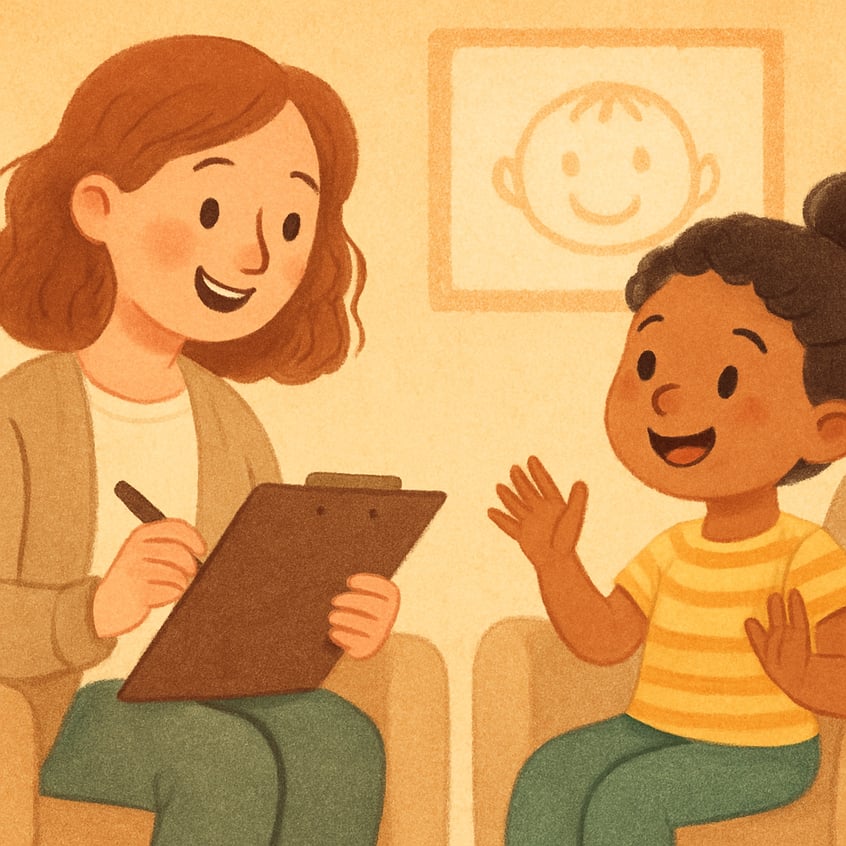
As a parent, you want the best for your child’s mental health and well-being. Sometimes, children face behavioral problems that can be difficult to navigate. Behavioural therapy offers a supportive and effective path forward. This type of therapy provides children with the tools they need to understand their actions, manage their emotions, and develop new, healthier habits. By focusing on practical strategies, behaviour therapy can make a significant difference in children’s mental health and overall happiness.
Key Highlights
Behaviour therapy is a powerful tool that helps children modify behaviors and develop healthier habits and coping skills.
- Techniques like positive reinforcement and reward systems are used to encourage positive behavior change.
- Cognitive behavioral therapy (CBT) helps children understand the link between their thoughts, feelings, and actions.
- Engaging activities such as play therapy and role-playing can improve a child's social skills and confidence.
- This form of therapy supports children's mental health by addressing behavioral challenges effectively.
- Parents and schools can work together to implement strategies that foster long-term positive outcomes.
The Role of Positive Behavior Support (PBS)
Positive Behavior Support (PBS) is a proactive approach used in behavioural therapy that focuses on understanding why a child exhibits certain behaviours. Instead of just reacting to behavioral challenges, PBS aims to prevent them by creating supportive environments and teaching new social skills.
This strategy helps improve a child’s mental health by building confidence and competence. We will explore the core principles of PBS, how it helps with social and emotional growth, and how you can use it at home and in school.
Key principles of positive behavior support for kids
Understanding positive behavior support empowers you to help your child more effectively. This approach recognizes that all behavior has a purpose. By identifying the reasons behind challenging behaviors, you can teach your child healthier ways to meet their needs—shifting from punishment to teaching through positive reinforcement.
Rooted in behavioral and cognitive behavioral therapy, this method creates an environment where your child is set up for success. The goal is to make positive behaviors more rewarding than negative ones.
Key principles:
- Identify the reasons for behavior.
- Teach and model alternative skills.
- Reinforce desired actions positively.
- Foster a supportive, predictable environment.
How PBS addresses social and emotional challenges
Social and emotional challenges can be difficult for children. Positive Behavior Support (PBS) offers a structured approach to help them cope. By teaching key social skills, PBS enables children to manage interactions more effectively—such as using specific phrases for sharing or taking turns—to reduce conflict and frustration.
PBS also supports mental health by helping children recognize and regulate their emotions. Instead of acting out when overwhelmed, they learn to identify feelings and use healthy coping strategies like deep breathing or asking for a hug.
With proactive strategies, PBS prevents emotional outbursts and provides a safe space for practicing new skills, boosting confidence and resilience over time.
Incorporating PBS at home and school
Consistency is essential for helping your child overcome behavioral challenges. Using Positive Behavior Support (PBS) at home and school creates a predictable, supportive environment. When both settings reinforce the same messages, your child learns new skills and builds positive habits faster.
Collaboration between parents and teachers is key. Family therapy or regular check-ins keep everyone aligned. Sharing insights allows you to tailor strategies to your child's needs, making daily life smoother.
Ways to use PBS:
- Set up a shared reward system for home and school
- Keep daily routines consistent
- Use the same language for behaviors and expectations
- Hold regular parent-teacher meetings to track progress
NDIS and Accessing Behavior Therapy for Children
If your child has intellectual disabilities or significant mental health issues, you may be able to access support through the National Disability Insurance Scheme (NDIS). The NDIS can provide funding for behavior therapy, making this effective treatment more accessible for families who need it.
This support can be crucial for helping your child develop essential life skills and improve their overall well-being. Let's look at what the NDIS is, how to navigate the eligibility process, and how you can choose the right provider for your child's needs.
What is the NDIS and how does it help with behavior therapy?
The National Disability Insurance Scheme (NDIS) is an Australian government program that supports people with significant, permanent disabilities. For young people, this includes help for mental health conditions or developmental delays affecting daily life. NDIS funding helps individuals achieve their goals and live more independently.
For behavior therapy, the NDIS can fund services like cognitive behavioral therapy to help children manage behaviors and build new skills. Early intervention aims to address challenges before they escalate, giving young people a stronger start.
By connecting families with approved providers, the NDIS ensures children receive high-quality, evidence-based support tailored to their needs—making a real difference for both children and their families.
Navigating eligibility and funding for therapy services
Applying for the NDIS can feel overwhelming, but breaking it into steps makes it easier. First, check if your child meets eligibility criteria—typically a permanent disability affecting daily activities.
If eligible, you’ll work with the NDIS to create a plan outlining your child’s goals and needed funding. This funding can cover supports like behavioral therapy. Gather all relevant documentation from doctors and specialists to strengthen your application.
Understanding the steps is crucial for accessing the right support.
|
Step |
Action |
|---|---|
|
1. Check Eligibility |
Review NDIS requirements online to see if your child qualifies. |
|
2. Gather Evidence |
Collect medical reports, assessments, and school records about the disability. |
|
3. Submit Request |
Complete and submit the NDIS Access Request Form with supporting documents. |
|
4. Create a Plan |
If approved, meet with an NDIS planner to set goals and develop a funded support plan. |
Choosing the right provider under the NDIS
Once you have an NDIS plan, the next step is choosing the right provider for your child’s therapy. Take time to research providers with experience supporting children with similar needs.
If possible, involve your child in the decision. The right therapist should make your child feel comfortable and understood. Ask about their approach, qualifications, and how they include families in therapy—you are your child’s best advocate.
Tips for choosing a provider:
- Check their qualifications and experience with children.
- Request references or testimonials from other families.
- Schedule a consultation to assess the fit.
- Confirm they are a registered NDIS provider.
- Discuss how they will support your child and track progress.
7 Engaging Behavior Therapy Techniques for Children
Behavioral therapy doesn't have to be boring. In fact, making it fun and engaging is one of the best ways to help children learn. Many creative techniques can address behavioral challenges while feeling like play. These approaches help children build new skills naturally and enjoyably.
From play therapy to structured cognitive behavioral therapy exercises, these methods are designed to be effective and motivating. Here are seven engaging techniques you can try to support your child's development and well-being.
Reward systems and positive reinforcement
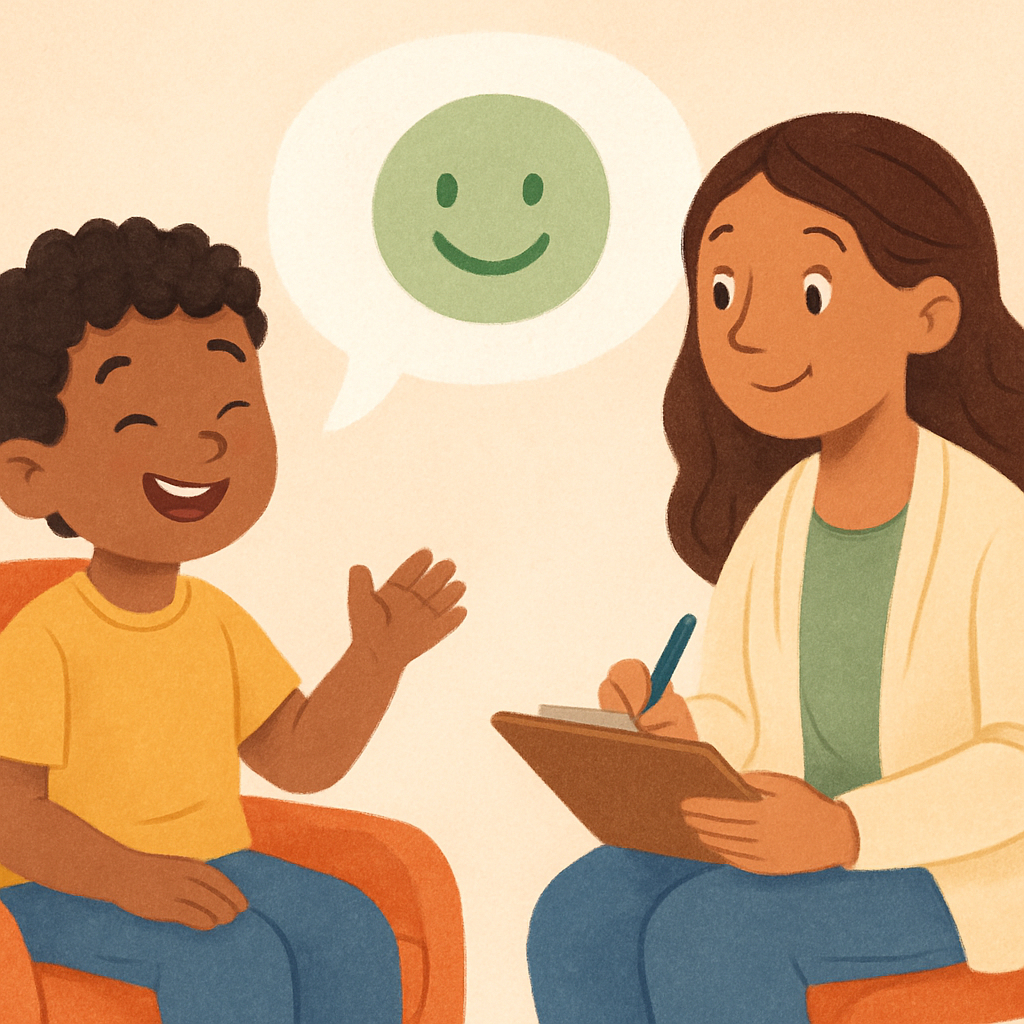
Positive reinforcement is a highly effective behavioral therapy tool. By rewarding positive habits, you encourage your child to repeat them. When children see that good behavior brings rewards, like a sticker chart, they’re more likely to choose those actions.
Focus on praise and encouragement rather than punishment. Acknowledge good behavior immediately so your child connects their actions with positive feelings—boosting motivation, self-esteem, and your relationship.
To set up an effective reward system:
- Define clear target behaviors (e.g., “sharing toys” instead of “being good”).
- Choose rewards that truly motivate your child.
- Set achievable goals for quick wins.
- Give rewards consistently and promptly.
Social stories and role-playing games
Navigating social situations can be challenging for children. Social stories and role-playing are effective behavior therapy techniques for building social skills and confidence. A social story is a brief narrative that describes a situation and models an appropriate response, helping your child prepare for events like birthday parties or doctor visits.
Role-playing lets your child practice these skills in a safe setting by acting out scenarios and trying different coping strategies. This hands-on approach helps children feel more confident and less anxious in real-life situations. It’s a playful way to learn important skills.
These activities help children by:
- Breaking down complex social cues into simple steps
- Practicing conversations and reactions
- Building empathy by exploring different perspectives
- Developing problem-solving and coping strategies
Visual schedules and routines
Predictability comforts children, especially those with behavioral challenges or intellectual disabilities. Visual schedules and routines give structure to the day, reducing anxiety and preventing meltdowns caused by uncertainty or transitions.
A visual schedule uses pictures or words to outline daily activities. It can cover the whole day or specific routines, like bedtime. With a schedule, children know what’s next and feel more in control—encouraging independence and cooperation.
Tips for using visual schedules:
- Use clear, simple images or words.
- Involve your child in making the schedule.
- Display it somewhere visible, like the refrigerator.
- Refer to it consistently.
- Update it as routines change.
Exposure and gradual desensitization exercises
Exposure therapy is an effective treatment for children with anxiety, phobias, or OCD. It gradually and safely exposes them to their fears in a controlled setting, showing that feared outcomes are unlikely and anxiety can be managed. A trained therapist guides the process.
A key part is response prevention, where the child resists compulsive behaviors—like touching a doorknob and delaying handwashing for a child afraid of germs. Over time, anxiety decreases as they realize they’re safe.
This step-by-step approach builds confidence through small wins, empowering children to overcome fears and widen their world.
Play-based therapeutic activities
Play is the natural language of children, making play therapy highly effective for addressing behavioral challenges. This approach uses play to help children express emotions, process experiences, and build new skills in a comfortable, engaging way. It also allows therapists to better understand a child’s perspective.
In play therapy, children might use dolls to act out conflicts or build structures as safe spaces. These activities support motor skill development and offer emotional outlets when words fall short. Guided by the therapist, children work through issues and learn healthier coping strategies.
Benefits of play therapy include:
- Safe expression of feelings
- Better problem-solving and social skills
- Increased creativity and imagination
- Reduced anxiety and stress
- Improved communication with the therapist
Mindfulness and relaxation strategies
Teaching children mindfulness and relaxation gives them lifelong tools for mental health. These simple behavioral therapy strategies help kids focus on the present moment and manage big emotions or anxiety.
Easy techniques like deep belly breathing or progressive muscle relaxation can calm stress. Make it fun—pretend to blow up a balloon or melt like a snowman. These activities help kids notice their bodies and learn how to self-soothe.
Try these strategies:
- Mindful Listening: Close eyes and identify all the sounds around.
- Bubble Breathing: Inhale slowly, then exhale even slower as if blowing bubbles.
- Body Scan: Notice sensations from toes to head.
- Squeeze and Release: Tense, then relax different muscle groups.
Collaborative problem-solving with parents and teachers
A team approach is often best for supporting a child. Collaborative problem-solving brings parents, teachers, and therapists together to understand and address challenges, ensuring consistent strategies and improving school performance and social skills.
The process begins by identifying specific issues or triggers. Instead of imposing solutions, adults work with the child to brainstorm and evaluate options. This empowers the child as an active participant and teaches that their voice matters.
Key elements include:
- Empathy—understanding the child's perspective.
- Defining problems clearly, without blame.
- Inviting the child to help find solutions.
- Working together to choose a solution that suits everyone.
Conclusion
In summary, behavior therapy for children is effective, engaging, and enjoyable. Using techniques like positive reinforcement, play-based activities, and collaborative problem-solving creates a supportive environment for your child to thrive. Understanding Positive Behavior Support (PBS) and using resources like the NDIS can further enhance your approach. Every child is unique, so tailor strategies to their needs. Ready to support your child's development?
Contact us for a consultation or call daar at 02 9133 2500 and explore personalized behavior therapy options for your family.
Frequently Asked Questions
Are there specific behavior therapy options for children with disabilities?
Yes, behavioural therapy is highly adaptable for children with disabilities like autism spectrum disorder or intellectual disabilities. Therapists modify techniques to suit a child's specific needs, and programs like the NDIS can provide funding to ensure children with disabilities receive the specialized support they need to succeed.
How does behavior therapy differ from occupational therapy for kids?
Behavioral therapy focuses on changing thought patterns and problematic behaviors to improve a child's emotional regulation and social interactions. In contrast, occupational therapy helps children develop the practical motor skills and abilities needed for daily activities, such as writing or dressing, to enhance their independence and quality of life.
What are some simple strategies parents can use at home?
Parents can use simple behavioral therapy strategies at home by establishing clear routines and using positive reinforcement, like a reward chart for good behavior. Practicing simple coping strategies together, such as deep breathing, can also help your child manage emotions and build positive habits in a supportive environment.
.svg)




.svg)