
.png?width=48&height=48&name=Group%201%20(3).png)
























5 March, 2026

Exploring Autism and Food: Understanding Dietary Needs

Key Highlights
- Individuals on the autism spectrum often experience food aversions and sensory issues that impact their eating habits.
- Sensory sensitivities to texture, smell, and taste are common reasons why autistic children may refuse certain foods.
- A limited diet can lead to nutritional deficiencies, making it important to focus on nutrient-dense food choices.
- Creating positive mealtime routines and introducing new foods gradually can help improve eating behaviors.
- Understanding and addressing these dietary needs can significantly enhance the quality of life for autistic individuals and their families.
Introduction
If you're a caregiver for a child with autism spectrum disorder (ASD), you might find mealtimes to be a source of stress. What seems simple for many families can become challenging when food refusal is involved. The link between autism and eating habits is complex, often influenced by sensory processing differences. This guide will explore the unique dietary needs of autistic individuals, offering practical strategies to help your child build a healthier and more enjoyable relationship with food.
Understanding the Link Between Autism and Dietary Needs
For many on the autism spectrum, food is more than just nourishment; it's a sensory experience. Autistic individuals often face unique challenges with diet and nutrition that can significantly impact their well-being. Food aversions are common, stemming from heightened sensitivities to textures, tastes, or smells, which can make certain foods overwhelming.
This connection between sensory processing and food choices means that an individual might only eat foods with a specific texture, like crunchy items, while avoiding others entirely. Let’s look closer at why these sensitivities are so prevalent and how they shape eating habits.
Why Food Sensitivities and Aversions Are Common in Autism
Food sensitivities and aversions are common in people with autism, often due to sensory sensitivity. The brain can struggle to process sensory input from food, leading to genuine food refusal—not just picky eating. Children may avoid new foods because their brains handle sensory data differently.
Selective eating is often linked to sensory processing disorder (SPD), where the brain misinterprets sensory signals. This can make kids overly or under-sensitive, causing them to seek more sensory input. Common triggers include taste, texture, smell, or temperature.
As a result, a child might gag on new foods, refuse entire food groups, or become upset if a favorite food changes. These aversions are neurological responses, not behavioral choices, making mealtimes challenging.
The Impact of Sensory Processing on Food Choices
Sensory processing disorder can significantly impact a person's relationship with food. The smell, taste, and texture of food strongly influence preferences. For example, someone with autism may prefer bland foods due to sensitivity or seek intense flavors for sensory input. This often appears as "picky eating," but the reasons are deeper.
Eating can be overwhelming—slimy textures or unexpected bursts can cause lasting aversions. For many on the spectrum, texture is a major factor in food acceptance.
Even contrasting textures, like crunchy carrots in a soft salad, can be intolerable, leading some to eat foods separately. Recognizing these sensory challenges is essential for expanding food options without causing distress.
The Role of Routine and Predictability During Meals
Many autistic individuals prefer routine and predictability, which often extends to their eating habits. They may want the same foods at the same times each day, making it hard to introduce variety. This selectivity can limit essential nutrients in their diet.
Even small changes—like food placement, cooking level, or packaging—can affect whether they will eat something. Keeping meals consistent helps reduce stress and creates more chances to try new foods.
Supportive mealtime routines include clear expectations about the setting and people present to ease anxiety. While routines can lead to rigid diets, they can also be used positively; for example, themed plates tied to special interests can encourage a more varied diet within a predictable structure.
Nutritional Concerns for Autistic Children
The unique eating habits of autistic children often lead to concerns about their nutritional needs. A limited diet due to selective eating can result in an unbalanced nutritional intake, potentially causing medical issues if key food groups are consistently avoided. For example, some children may develop an eating disorder or face challenges with body image due to restrictive food preferences.
It's crucial to be aware of the potential for nutritional gaps and other health problems. We'll now examine the specific risks of nutritional deficiencies and how to strike a healthy balance with different food types.
Risks of Nutritional Deficiencies
A highly restricted diet can cause nutritional deficiencies and harm overall health. Picky eaters often consume less protein, fiber, calcium, vitamin D, folate, magnesium, potassium, zinc, and B vitamins. Children with food aversions are at even higher risk for these deficiencies.
Autistic children may refuse foods due to sensory sensitivities or low muscle tone (hypotonia), which can make chewing and swallowing difficult. This often leads to avoiding entire food groups like meats and vegetables.
Over time, restrictive diets can lower bone density and cause constipation. In some cases, these issues may contribute to eating disorders. Addressing the reasons behind food refusal is crucial to prevent these health risks.
Balancing Macronutrients and Micronutrients
Ensuring a balance of macronutrients (proteins, fats, carbohydrates) and micronutrients (vitamins, minerals) is essential, especially with limited diets. A well-balanced diet supports gut health and brain development. Even if your child eats only certain foods, enriching those choices can help.
There’s no single “best” diet—aim for variety across food groups. For example, if your child prefers starches, offer whole grains like oats or brown rice to increase fiber and nutrients. Introducing small amounts of new foods can also improve nutrition.
Simple meal balancing guide:
|
Nutrient Type |
Examples |
Role in the Body |
|---|---|---|
|
Macronutrients |
Lean proteins (chicken, beans), healthy fats (nuts), complex carbs (whole grains) |
Provide energy; support growth and repair |
|
Micronutrients |
Vitamins (A, C, D, E), minerals (calcium, iron) in fruits, vegetables, fortified foods |
Support immunity, brain development, overall health |
Identifying Red Flags for Poor Nutrition
Early recognition of poor nutrition is crucial for preventing long-term health problems. While picky eating is common, certain behaviors may signal more serious issues. Watch for strong food aversions or refusal that limits your child’s diet to just a few foods.
Red flags include:
- Eating fewer than 20 different foods
- Refusing entire food groups (fruits, vegetables, proteins)
- Fatigue, low energy, or frequent illness
- Significant weight loss or poor growth
If you notice these signs, consult a healthcare provider or registered dietitian. They can assess your child’s nutrition and help develop a plan. Strategies like food chaining and involving your child in meal prep can help, but professional guidance ensures safe and effective solutions.
Best Foods to Include in an Autism-Friendly Diet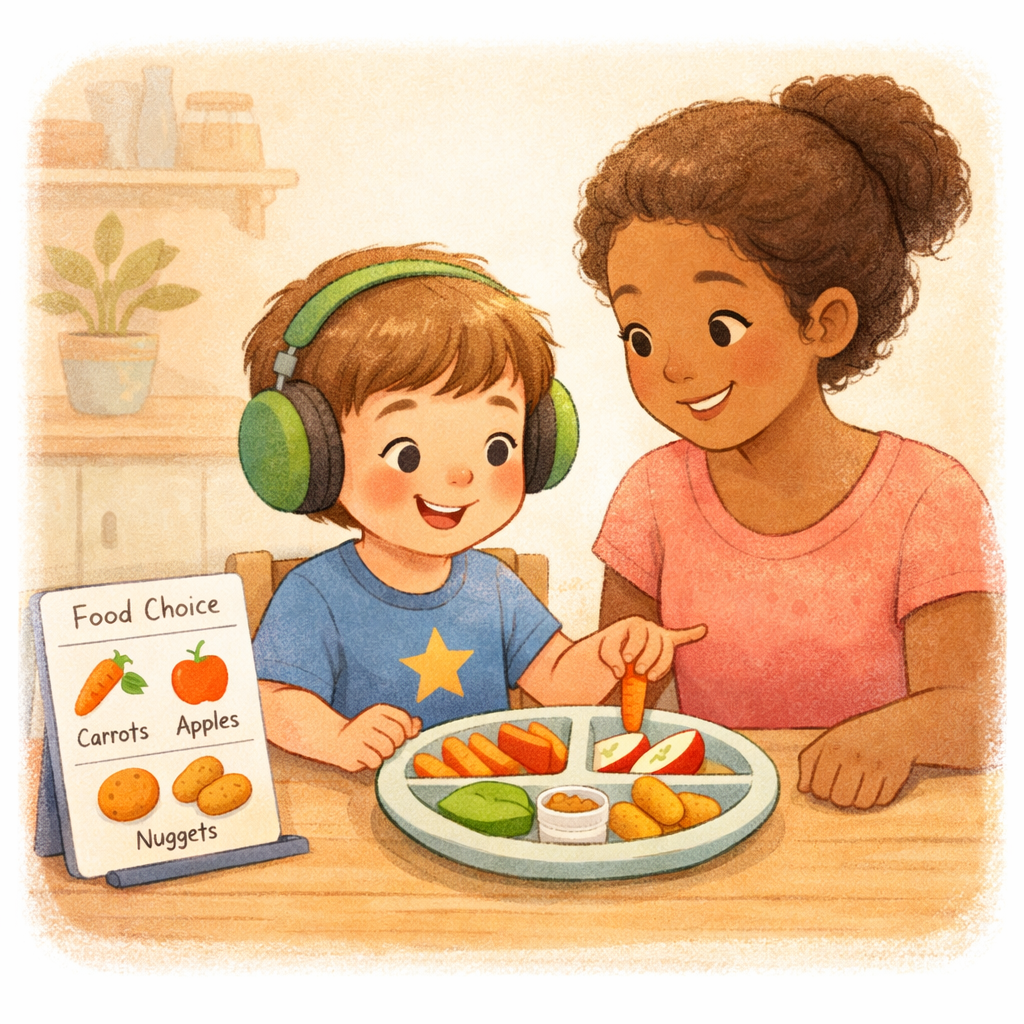
While there's no one-size-fits-all diet for autism, focusing on a variety of foods can improve nutritional intake and prevent deficiencies. Emphasizing lean proteins, healthy fats, and fibrous foods like fruits, vegetables, and whole grains can be incredibly beneficial. These foods support gut health and brain development, which are particularly important for individuals on the spectrum.
Omega-3 fatty acids, found in fish, nuts, and seeds, are also great additions. The following sections will offer specific nutrient-dense options and foods that support gut and brain health, along with tips for introducing them.
Nutrient-Dense Options for Energy and Focus
Choosing nutrient-dense foods maximizes nutrition, especially when options are limited. These foods provide lasting energy, support focus, and improve quality of life. High-quality proteins, healthy fats, and complex carbs are ideal choices.
Omega-3-rich foods boost brain health, while whole grains supply fiber and essential nutrients often missing in processed foods. Simple swaps like using brown rice or quinoa instead of white rice can make a positive impact.
Consider these nutrient-dense foods:
- High-quality proteins: grass-fed beef, pastured chicken, wild-caught salmon
- Omega-3 sources: nuts, seeds, fish
- Fresh or frozen fruits and vegetables
- Whole grains: oats, brown rice, quinoa
Foods That Support Gut and Brain Health
Many autistic individuals experience gastrointestinal issues, and there is a growing understanding of the connection between gut health and brain health. An imbalanced gut microbiome may influence the severity of some autistic symptoms. Therefore, a dietary intervention focused on supporting the gut can be a powerful tool for improving overall well-being.
Foods rich in fiber, such as whole grains, beans, legumes, and a variety of fruits and vegetables, can promote a healthy gut. Probiotics, found in fermented foods or supplements, can also help balance gut bacteria. Additionally, essential fatty acids, particularly omega-3s, are crucial for brain development and function.
While research is ongoing, some studies suggest that dietary changes can lead to improvements in behavior and quality of life. Focusing on a diet that nourishes both the gut and the brain may help alleviate some gastrointestinal discomfort and support cognitive function.
Tips for Introducing New Foods Safely
Helping a picky eater try new foods can be challenging. Be patient—small steps count as progress. Avoid forcing them to eat, as this can do more harm than good. Instead, focus on gradual, positive exposure.
Consider the sensory aspects of the new food. Offer items similar in texture, color, or temperature to their favorites—a method called food chaining—to make new foods less intimidating. Remember, even touching or smelling a new food is a win.
Tips to help:
- Start small: Serve a tiny portion of the new food alongside favorites.
- Involve them: Let your child help prepare meals to get familiar with ingredients.
- Be consistent: Offer the new food regularly without pressure; many exposures may be needed.
- Seek support: Professionals like occupational therapists or ABA specialists can offer expert strategies.
Foods to Avoid in an Autism Diet
Just as some foods can be beneficial, others may worsen symptoms for certain individuals. Children on the autism spectrum have a higher likelihood of food sensitivities, which suggests that some foods are best avoided. Highly refined or processed foods, as well as those with artificial ingredients, are common culprits.
Some families explore gluten-free and casein-free diets, although their effectiveness varies. The following sections will discuss specific ingredients to watch out for and the evidence behind popular dietary interventions.
Understanding Additives and Artificial Ingredients
Many highly processed foods are packed with additives and artificial ingredients, such as colors, sweeteners, and preservatives. For some children with autism, these substances can contribute to behavioral issues or trigger sensitivities. Reading labels and opting for whole, unprocessed foods is a great way to minimize exposure to these ingredients.
It's important to differentiate between food sensitivities and food allergies. An allergy involves an immune system response, while a sensitivity may cause digestive upset or changes in behavior. If you suspect your child is reacting to certain additives, keeping a food and symptom journal can help identify patterns.
Consider avoiding or limiting the following:
- Artificial colors: Often found in candy, drinks, and packaged snacks.
- Artificial sweeteners: Present in many "sugar-free" products.
- Preservatives: Such as BHA, BHT, and nitrates, commonly used in processed meats and cereals.
- Pesticides: Choosing organic produce can help reduce pesticide exposure.
The Debate on Gluten-Free and Casein-Free Diets
The gluten-free, casein-free (GFCF) diet is popular in the autism community. Gluten is found in wheat, barley, and rye; casein is in milk and dairy. Some believe certain children struggle to break down these proteins, impacting behavior and gut health.
While some parents see improvements, scientific evidence is mixed. The GFCF diet may help children with gastrointestinal issues, but it isn’t a universal solution.
If not managed properly, the diet can cause nutritional imbalances, lower bone density, and constipation. Consult a healthcare professional before removing wheat or dairy to ensure your child’s nutritional needs are met.
Recognizing Foods That May Worsen Symptoms
Certain foods can worsen autistic symptoms, especially those affecting behavior and digestion. Some foods may trigger issues like constipation or diarrhea, which can influence mood and eating habits. Highly refined sugars and carbs, for example, may cause blood sugar swings that impact energy and focus.
Watch how your child reacts to specific foods. Do they become more irritable after eating sugar? Do they have stomach pain after dairy? Tracking food intake alongside changes in symptoms can help identify trigger foods.
Careful observation—and eliminating problem foods with a professional’s guidance—can improve your child’s comfort and well-being.
Practical Strategies for Creating Positive Mealtimes
Creating a positive mealtime environment is just as important as the food itself. For a child with sensory issues, a calm and predictable setting can make a world of difference in their eating habits. The goal is to reduce stress and make meals an enjoyable part of daily life, which can greatly improve quality of life for the whole family.
Building healthy routines and making meals sensory-friendly are key components of this approach. The following tips offer practical ways to transform mealtimes from a battleground into a place of connection and exploration.
Building Routines That Encourage Healthy Eating
A consistent routine gives autistic children the structure and predictability they need to feel secure during meals. Setting regular meal and snack times helps them know what to expect. If your child can read, posting the daily schedule where they can see it offers a helpful visual reminder.
Mealtimes also offer a chance to practice social skills. Even if your child prefers to eat alone, having family nearby can foster a sense of togetherness. The social aspect may benefit some children, but always consider your child’s individual needs and preferences.
Routines can also help introduce new foods. For example, "Taco Tuesday" each week provides predictability while allowing you to vary toppings slightly—offering comfort alongside new experiences.
Making Meals Sensory-Friendly
Addressing sensory issues at mealtimes can significantly reduce stress and encourage eating. Creating a sensory-friendly environment involves minimizing overwhelming sensory input. This might mean dimming the lights, turning off screens or loud music, or even providing a quiet room for eating if a bustling family dinner is too much.
Modifying the food itself is another powerful strategy. If your child struggles with certain textures, try puréeing vegetables into a soup or sauce. Presenting food in a visually appealing way, like making smiley faces with fruit, can also make it more inviting. Occupational therapists are excellent resources for personalized advice on managing sensory processing challenges at mealtimes.
Here are some ideas for a sensory-friendly meal:
- Reduce distractions: Turn off the TV and minimize background noise.
- Consider food presentation: Use divided plates to keep foods from touching.
- Modify textures: Offer puréed, smooth, or crunchy versions of foods based on your child's preferences.
- Play calming music: Soft, gentle music can create a more relaxed atmosphere.
Encouraging Exploration and Flexibility with Food

While routine is important, gently encouraging flexibility with food can help expand a child's diet over time. The key is to make exploration fun and low-pressure. Involving your child in meal preparation is a fantastic way to do this. Letting them wash vegetables, stir ingredients, or use a kid-safe knife familiarizes them with a new food without the immediate expectation of eating it.
When dealing with picky eating and food selectivity, celebrate every small win. If your child touches a new food with their fork, smells it, or even just tolerates it on their plate, that's progress. These small steps build confidence and reduce anxiety around trying new things.
Here are some practical ways to encourage exploration:
- Food chaining: Build on food preferences by introducing a new food that is similar to a favorite.
- Fun presentation: Arrange food in engaging shapes or patterns.
- Be a role model: Eat a variety of foods yourself and positively talk about them.
- Avoid pressure: Keep mealtimes neutral and positive, focusing on connection rather than consumption.
Conclusion
Understanding the dietary needs of individuals with autism is essential for their well-being. Recognizing food sensitivities allows us to create nutritious, personalized meal plans. Practical strategies for positive mealtimes improve eating habits and support healthier choices. Finding a balance between physical health and emotional comfort is key.
For personalized guidance or a free consultation, feel free to reach out for a consultation or call daar at 02 9133 2500. Embracing these dietary adjustments can significantly benefit individuals with autism and their families.
Frequently Asked Questions
How can I help my autistic child try new foods?
To help your autistic child try a new food, introduce it gradually and without pressure. Techniques like food chaining, where you offer foods similar to their favorites, can be effective. For more support with selective eating, consider working with professionals like occupational therapists or specialists in ABA therapy for tailored strategies.
Are there special nutrition tips for autistic adults?
For autistic adults, nutritional needs often mirror those of children, with a focus on routine and sensory preferences. It's beneficial to plan meals, incorporate a variety of foods where possible, and be mindful of how diet impacts mental health. A dietary intervention guided by a professional can help ensure all nutritional needs are met.
Can dietary changes improve autism symptoms?
While dietary changes are not a cure, they can improve certain autistic symptoms. A diet that supports gut health and provides balanced nutrition may lead to better behavior, reduced gastrointestinal issues, and an improved quality of life. It’s best to make any dietary changes with guidance from a healthcare professional.
.svg)




.svg)