
.png?width=48&height=48&name=Group%201%20(3).png)























13 March, 2026

Support for autistic children and young people
Key Highlights
Here are the key takeaways from our guide on supporting autistic students: Creating an inclusive classroom environment is essential for the success of all students. Disability standards in education require that schools provide appropriate accommodations and supports for autistic students so they can actively participate and learn alongside their peers in an inclusive classroom. Understanding that autism is a spectrum helps tailor support to individual needs.
- Creating an inclusive classroom environment is essential for the success of all students.
- Understanding that autism is a spectrum helps tailor support to individual needs.
- Effective support strategies include using visual supports and structured teaching methods.
- Collaboration between teachers, families, and support staff is vital for a consistent approach.
- Individualized Education Programs (IEPs) help map out specific goals and accommodations.
- Positive reinforcement and behavior support can encourage appropriate social skills.
Introduction
Welcome to our guide on supporting autistic children and young people. As autism becomes more recognized in schools, creating an inclusive learning environment for every student is more important than ever. An inclusive approach benefits not only autistic children but all students by fostering understanding and acceptance. This article will offer practical, evidence-based strategies to help educators and parents create a supportive educational setting where every child on the autism spectrum can thrive. In addition to inclusive mainstream settings, there are also dedicated schools and specialized programs specifically designed for children with autism. These schools and programs focus on meeting the unique learning and social support needs of autistic students, providing tailored resources and interventions to help them succeed.
Understanding Autism and Individual Needs
Autism Spectrum Disorder (ASD) is a developmental condition that affects how individuals communicate, interact, and perceive the world. Because autism is a spectrum, each person's experience is different, leading to unique needs, especially within the learning process. Recognizing these individual needs is the first step toward providing effective support.
By understanding the specific strengths and challenges of each student, educators can create a more personalized and effective educational experience. This approach ensures that every child receives the right support to succeed academically and socially. Now, let's explore this spectrum in more detail.
Recognizing the Spectrum of Autism in Children and Young People
The "autism spectrum" reflects the diverse strengths and challenges among autistic children and teens. Some may be non-verbal and need substantial support, while others excel academically but struggle socially. There’s no single approach to supporting these students.
Recognizing their differences is key to effective learning plans. Early intervention and personalized strategies can greatly impact development. By focusing on each student’s unique profile, educators can tailor teaching methods and support.
This understanding addresses the distinct challenges autistic students face in school. For instance, a student strong in math but stressed by group work needs different support than one struggling with communication. Recognizing this diversity enables more targeted, successful interventions.
Common Challenges Faced by Autistic Students in School Environments
Students with autism often face unique challenges in typical school settings that impact their learning and well-being. Sensory overload from noise, lights, and busy classrooms can cause anxiety and make it hard to focus.
Social interactions are another challenge. Many autistic students struggle to read social cues, join conversations, or form friendships, which can affect group participation and a sense of belonging. Communication issues—especially with abstract language—can further hinder learning.
Common challenges include:
- Sensory Overload: Bright lights, loud noises, and crowds can be overwhelming.
- Social and Communication Difficulties: Trouble understanding social cues and expressing needs.
- Changes in Routine: Unexpected transitions may trigger stress and anxiety.
With the right support, these challenges can be addressed.
Creating an Inclusive Classroom Environment
An inclusive classroom is a general education setting where students with and without learning differences learn together. Fostering a welcoming environment where differences are valued is the foundation of inclusive education. This approach not only helps autistic students improve their social skills but also teaches all students empathy and acceptance.
Creating a truly supportive environment means making intentional adjustments to the physical space and daily routines. The goal is to make learning accessible to all children, accommodating their diverse needs and ensuring everyone feels safe and respected. Let's look at how to adapt physical spaces and use structured routines.
Adapting Physical Spaces to Support Sensory Needs
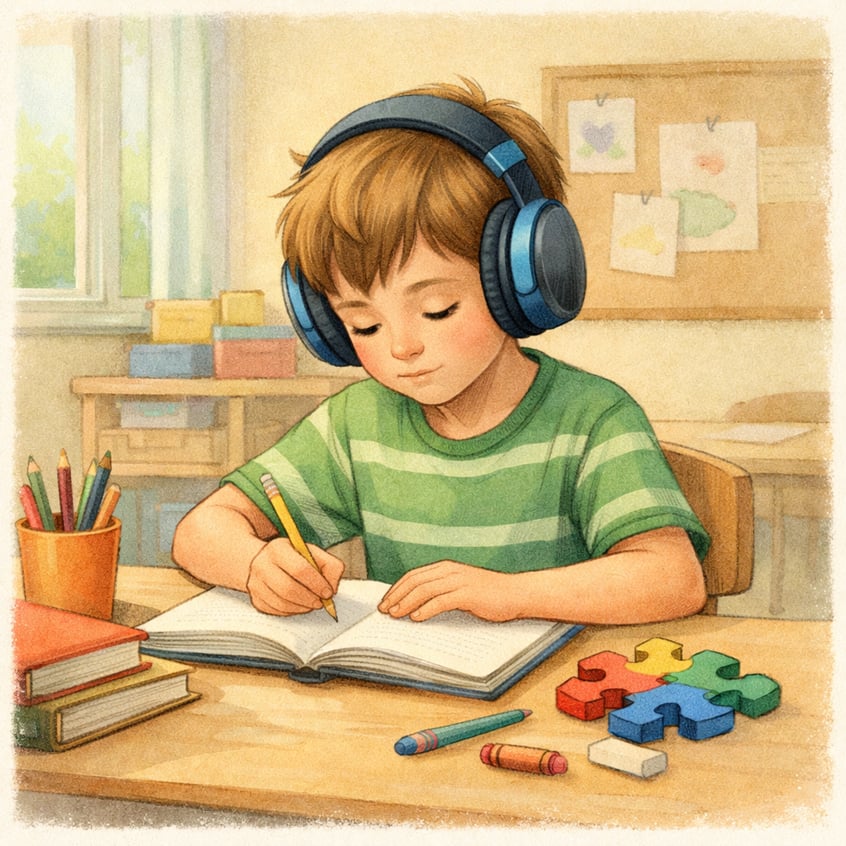
To better support students with autism, teachers can adapt the classroom to meet their sensory needs. Bright lights, loud noises, and constant movement can cause sensory overload. Creating a sensory-friendly space helps students regulate emotions and stay focused.
A "calm-down corner" or quiet area offers a safe retreat for overwhelmed students and can include self-regulation tools.
Ways to adapt the space:
- Sensory Tools: Provide noise-canceling headphones, fidget toys, or weighted blankets.
- Flexible Seating: Allow movement breaks and offer varied seating options to accommodate different needs.
Structured Routines and Visual Supports in Mainstream Schools
Predictability is vital for many autistic students. Structured routines offer security and reduce anxiety from uncertainty. Knowing what to expect helps students manage their energy and focus on learning. Visual supports are essential for establishing these routines.
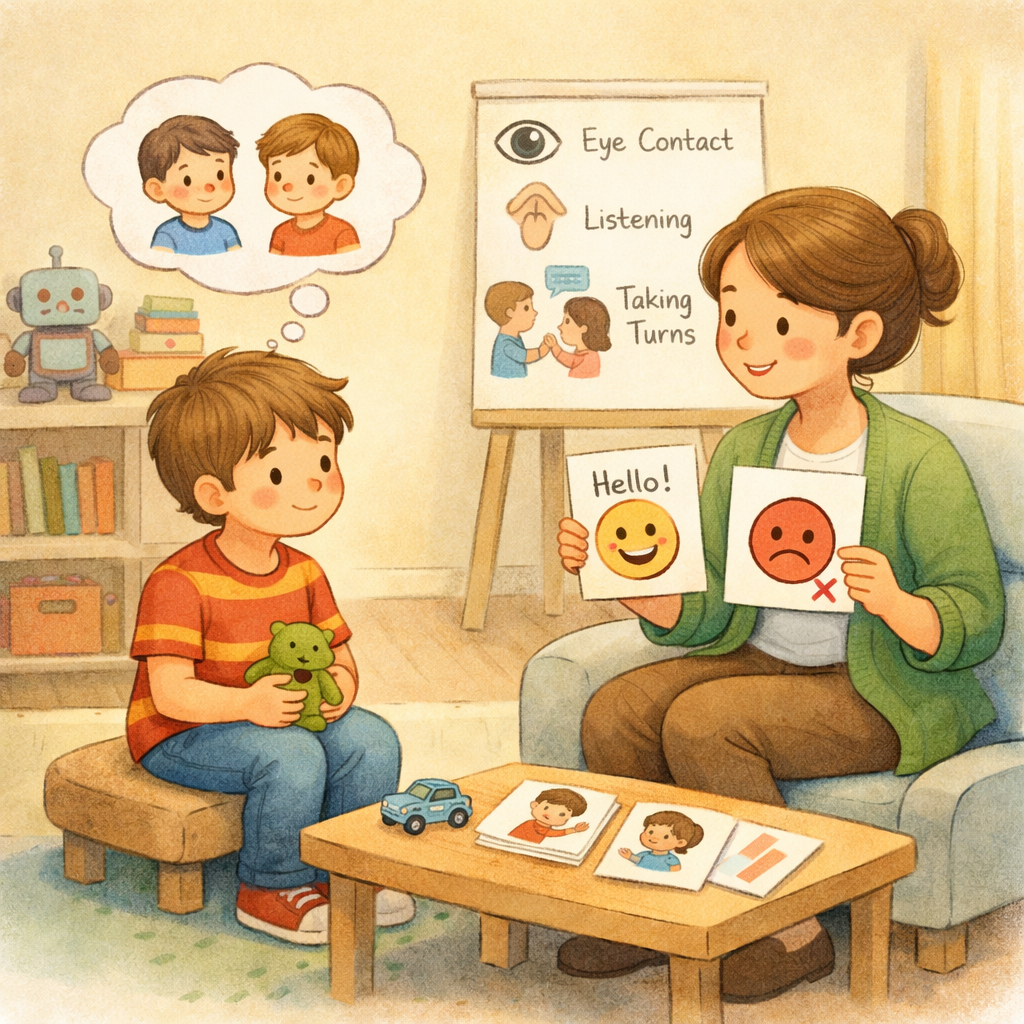
Visual schedules, charts, and picture cards clearly represent daily routines and expectations. They help students understand, remember, and transition smoothly between activities. Breaking complex tasks into smaller visual steps encourages independence and task completion.
Effective visual tools include:
- Visual Timetables: Picture cards or charts outline daily activities so students know what’s next.
- Task Breakdowns: Divide large assignments into simple visual steps to make them more manageable.
Effective Teaching Approaches in Special Education for Autism
Effective teaching for autistic students involves moving beyond one-size-fits-all methods and embracing personalized strategies. Tailoring instruction to address various learning styles is critical. Incorporating a student's special interests into lessons, for example, can significantly enhance engagement and make learning more relevant and enjoyable for them.
Education programs often emphasize the development of an Individualized Education Program (IEP) to outline specific goals. This ensures that teaching methods are aligned with each student's unique profile. Let's examine how individualized plans and positive reinforcement contribute to this tailored approach.
Individualized Learning Plans for Autistic Students
An Individualized Education Plan (IEP) is essential for supporting autistic students. Created by educators, parents, specialists, and often the student, it sets specific, measurable goals based on individual needs—covering academics, social skills, and behavior.
An IEP serves as a roadmap for success by adapting lessons and activities to each student’s learning style. For example, if a student struggles with writing, their IEP might allow for keyboard use or speech-to-text tools.
By setting clear goals, the IEP helps teachers and families monitor progress and adjust support as needed. This personalized plan ensures each student receives the targeted help they need to succeed in school and beyond.
Positive Reinforcement and Behavior Support Strategies
Positive reinforcement is an effective way to encourage desired behaviors and skills in autistic students. By rewarding appropriate social behaviors and academic efforts, students are motivated and better understand expectations. This approach is central to Applied Behavior Analysis (ABA), an evidence-based therapy.
Rather than punishing mistakes, behavior support strategies focus on teaching and reinforcing positive actions—such as praising a student for waiting their turn or using a token system to reward task completion. The aim is to create a positive association with learning and social interaction.
Examples of reinforcement strategies include:
- Praise and Encouragement: Giving specific praise for effort or achievement.
- Reward Systems: Using incentives like token economies to motivate and reinforce desired behaviors.
Programs, Therapies, and Resources for Support
A wide range of programs, therapies, and resources is available to provide comprehensive support for autistic children. These support strategies often extend beyond the classroom, involving specialized therapies and education programs for both students and their families. Organizations like Autism Speaks offer valuable information and resources for navigating these options.
From therapeutic approaches like Applied Behavior Analysis (ABA) to parent training initiatives, these resources aim to build skills and foster development. The following sections will explore some common therapies integrated into schools and the educational resources available for parents and caregivers.
Common Therapies Integrated in School Settings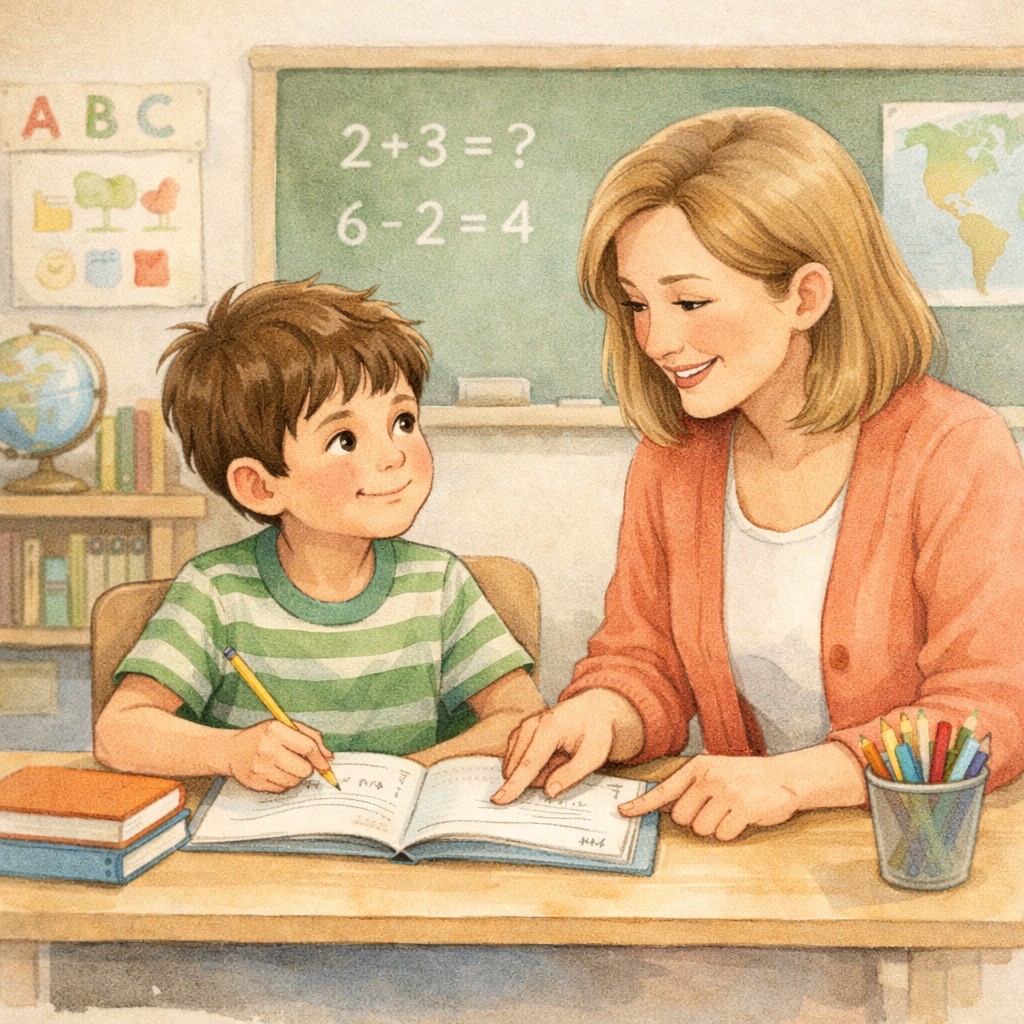
Schools often offer a range of therapies to support autistic students, addressing challenges in communication, social interaction, and behavior. Integrating these services into the school day ensures students receive consistent help where they spend most of their time.
Applied Behavior Analysis (ABA) uses positive reinforcement to teach new skills. Speech therapy supports communication, while occupational therapy focuses on fine motor skills and sensory needs. Social skills training helps students interact with peers.
Here are common therapies:
|
Therapy Type |
Focus Area |
|---|---|
|
Applied Behavior Analysis (ABA) |
Reinforces behavior, communication, and social skills |
|
Speech Therapy |
Improves verbal and non-verbal communication |
|
Occupational Therapy |
Develops fine motor skills and manages sensory needs |
|
Social Skills Training |
Teaches peer interaction and understanding social cues |
Educational Programs and Resources for Parents and Carers
Parents and caregivers play a crucial role in a child's educational journey. Numerous education programs and resources are available to empower them with the knowledge and skills to support their autistic child. These resources can range from online workshops provided by organizations like Autism Speaks to government-funded early intervention services.
In Australia, for instance, the Victorian government's Autism Education Strategy provides resources and programs aimed at helping families. These initiatives often focus on helping parents understand their child's needs, navigate the education system, and implement effective strategies at home. Professional development opportunities are also available for parents who want to learn more.
Here are some examples of available support:
- Parent Training Programs: Workshops that teach strategies for communication, behavior support, and promoting social skills.
- Government Initiatives: Programs like the "Helping Children with Autism" package in Australia offer funding and resources for early intervention.
School-Based Support: Roles and Collaboration
Effective school-based support for autistic students is a collaborative effort. It involves everyone from classroom teachers and principals to specialized school staff and student support services. This team approach ensures that a child's needs are understood and met consistently across all aspects of their school day.
Success depends on clear communication, shared goals, and ongoing training for all staff members. Collaboration between the school and the family is equally important for creating a seamless support network. We will now discuss the specific roles of support staff and how family engagement strengthens this partnership.
The Role of Support Staff in Autism Education Support
Support staff, including teacher's aides, paraprofessionals, and specialists, play a vital part in the education of autistic students. They provide individualized assistance, helping students navigate classroom activities, manage behavior, and engage in social interactions. Their presence allows the classroom teacher to attend to the needs of all students while ensuring the needs of autistic students are met.
These staff members work directly with students to implement strategies outlined in their IEPs, creating a supportive environment for learning. Their role often extends beyond academics to include emotional and behavioral support, making them a key component of a successful inclusion program.
To be effective, support staff require:
- Specialized Training: Knowledge about autism and evidence-based support strategies.
- Continuous Professional Development: Ongoing learning to stay current with the best practices for meeting the needs of autistic students.
Family Engagement and Educator Collaboration

Strong family engagement and educator collaboration are essential for the success of autistic students. When parents and teachers work together as a team, they can create a consistent and cohesive support system that bridges the gap between home and school. This collaborative effort ensures that everyone is aligned on goals and strategies.
Regular communication is the foundation of this partnership. This can involve formal meetings, like student support group discussions, or informal check-ins via email or a communication notebook. By sharing insights and observations, families and educators can better understand the student's progress and challenges.
Key components of successful collaboration include:
- Open Communication: Establishing regular and open lines of communication to share progress and concerns.
- Shared Decision-Making: Involving families in the planning and decision-making process for their child's education, such as through IEP meetings.
Conclusion
Supporting autistic children and young people requires a multifaceted approach that encompasses understanding their unique needs, creating inclusive environments, and employing effective teaching methods. By recognizing the diverse challenges these students face in educational settings, we can adapt our strategies to foster their growth and success. Collaboration among educators, support staff, and families plays a crucial role in providing the necessary resources and encouragement for autistic individuals to thrive. Together, we can build a supportive network that champions each child’s potential.
If you’d like more tailored strategies or resources, feel free to reach out for a consultation or call daar at 02 9133 2500 for personalized support!
Frequently Asked Questions
How can teachers best support students with autism in mainstream classrooms?
Teachers can best support students on the autism spectrum by creating an inclusive classroom that uses structured routines and visual supports. Adapting teaching methods to individual needs and implementing consistent support strategies are also crucial. Building a predictable and understanding environment helps autistic students thrive in mainstream settings.
Are there specific programs in Australia for parents of autistic children?
Yes, Australia offers various education programs for parents of autistic children. The "Helping Children with Autism" package and state-based initiatives like Victoria's Autism Education Strategy provide funding and resources for early intervention. These programs help parents understand their child's diverse needs and develop their communication and social skills.
What is the function of the Autism Education Strategy?
The Autism Education Strategy, implemented by the Victorian Government, aims to improve learning and wellbeing for autistic students. Its function is to promote inclusive education by building teacher capability through ongoing training and professional development, ensuring that the individual needs of every autistic student are met effectively.
.svg)




.svg)