
.png?width=48&height=48&name=Group%201%20(3).png)























29 January, 2026

Enhance Learning: Positive Behaviour Support for Kids
Introduction
As a parent, you want to see your child learn, grow, and thrive. When behaviours of concern arise, it can be challenging to know the best way to respond. This is where positive behaviour support offers a path forward. It is an approach that looks beyond the behaviour itself to create a supportive environment for your child. By focusing on understanding your child’s needs, you can effectively improve their quality of life and help them build a foundation for a happy, successful future.
Key Highlights
- Positive behaviour support is a proactive approach to understanding and addressing challenging behaviours in children.
- It focuses on creating a personalized support plan to teach new skills rather than just punishing actions.
- This method uses positive reinforcement to encourage desired behaviours, helping your child succeed.
- The primary goal is to improve your child's overall quality of life and help them reach their full potential.
- By understanding the purpose behind behaviours of concern, it offers effective, long-term solutions.
- It creates a supportive environment that fosters independence and enhances well-being.
Understanding Positive Behaviour Support for Kids
Positive behaviour support is a compassionate and effective approach centered on understanding why a child exhibits certain behaviours. Instead of simply reacting to challenges, it proactively focuses on teaching new skills and creating a supportive environment where your child feels safe and understood.
This method involves creating tailored behaviour support strategies that can make a meaningful difference in a child’s life. To better grasp its impact, it is helpful to explore its core principles and see how it differs from more traditional discipline methods.
Definition and Core Principles of Positive Behaviour Support
Positive behaviour support for kids is a holistic approach focused on understanding the reasons behind behaviours to improve quality of life. Instead of simply punishing actions, it recognizes that all behaviour has a purpose and considers each child’s strengths, preferences, and needs.
The process starts with identifying factors contributing to the behaviour, such as communication challenges or unmet sensory needs. Using this information, a personalized support plan is created in collaboration with the child, family, and professionals.
Key to this approach is teaching new, effective skills to replace challenging behaviours—helping children find better ways to express emotions and interact with others. This focus on skill-building leads to lasting positive change.
How Positive Behaviour Support Differs from Traditional Discipline
Traditional discipline uses reactive strategies, applying consequences after negative actions. Positive behaviour support (PBS) is proactive, aiming to prevent problem behaviours by understanding their root causes and teaching positive alternatives. Contrary to common myths, PBS isn't about letting kids do whatever they want—it's about teaching better behaviour.
For example, rather than giving a time-out for a tantrum, PBS might use a visual schedule to reduce anxiety during transitions—a likely trigger. It also relies on positive reinforcement, such as specific praise ("I like how you shared your toys"), to encourage good behaviour.
PBS shifts the focus from simply stopping unwanted behaviour to replacing it with appropriate actions. While reactive strategies may offer quick fixes, they rarely address underlying issues. PBS builds lasting skills by meeting children's needs, leading to sustainable improvement.
Why Positive Behaviour Support Matters in Childhood Development
Positive behaviour support is especially important for childhood development, particularly for kids with developmental disabilities. By focusing on understanding and addressing individual needs, this approach does more than just manage behaviour. It helps build a foundation for lifelong skills, improving the child’s quality of life and fostering a sense of independence and well-being.
A well-designed positive behaviour support plan can have a profound and lasting effect on a child's growth. Its benefits extend to critical areas like social and emotional learning as well as academic success in the classroom.
Impact on Social and Emotional Learning
Positive behaviour support (PBS) helps kids with challenging behaviours by nurturing social and emotional learning. Many behavioural issues stem from difficulty expressing feelings or needs. PBS teaches children healthier ways to communicate, recognize emotions, understand social cues, and manage frustration or anxiety. For example, a child may learn relaxation techniques to use instead of acting out.
By replacing disruptive behaviours with effective communication and coping skills, PBS helps children build stronger relationships with family and peers. This boosts confidence and fosters a sense of belonging, supporting long-term emotional health.
The Connection Between Positive Behaviour Support and Academic Success
A child’s behaviour and academic success are closely linked. Disruptive behaviours in the classroom can significantly hinder learning. Schools play a key role in providing positive behaviour support by collaborating with families to create consistent behaviour support plans.
These plans align expectations and routines at home and school, reducing anxiety and triggers for disruptive behaviour. For example, a child who once acted out to avoid difficult tasks may learn to ask for help instead, staying engaged in class.
When children feel supported and understood, their stress decreases and focus improveves. Promoting positive behaviour not only enhances their well-being but also boosts academic achievement by creating a better learning environment. Families can seek professional services to help coordinate support with schools.
How NDIS Supports Positive Behaviour Interventions for Children in Australia
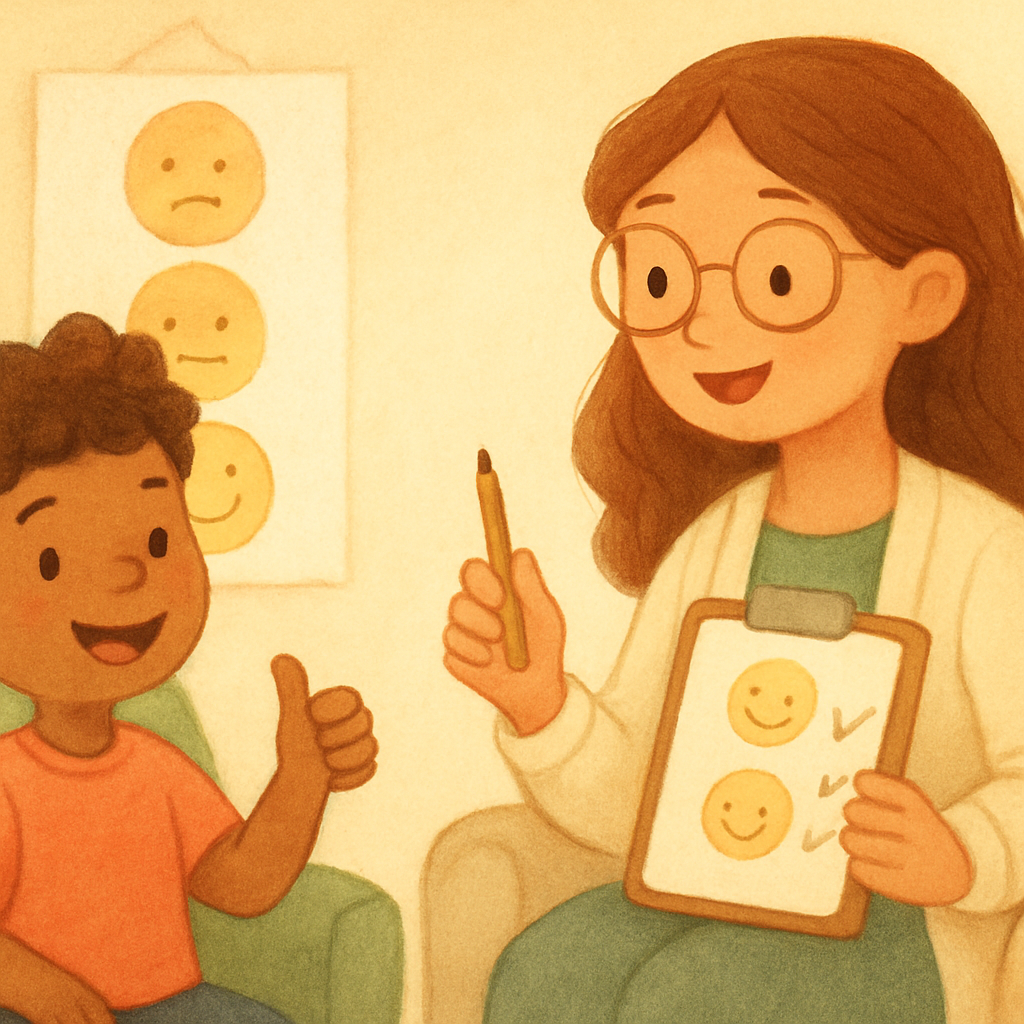
For families in Australia, the National Disability Insurance Scheme (NDIS) is an essential resource for accessing positive behaviour interventions. The NDIS provides funding for behaviour support services designed to help people with disabilities manage challenging behaviours and improve their overall well-being.
Through the NDIS, you can connect with a qualified positive behaviour support practitioner. This professional will work with you to develop a support plan tailored to your child’s unique needs. Understanding how to access this funding and the steps involved is key to getting your child the support they need.
Accessing NDIS-Funded Behaviour Therapy and Support Plans
How do NDIS-funded services support positive behaviour interventions for kids? To access these services, your child’s NDIS plan will need funding under the "Improved Relationships" support category. This funding allows you to engage a registered behaviour support practitioner who specializes in helping children.
The practitioner conducts a thorough assessment to understand your child's needs and collaborates with you to create a formal behaviour support plan. This plan details practical strategies for you, your family, your child's school, and other support people to use consistently. The NDIS funds both the initial assessment and the development of these crucial support services.
The NDIS categorizes these services to ensure clarity. Here is how these supports are typically listed:
|
Support Item Name |
Delivered By |
|---|---|
|
Specialist Behavioural Intervention Support |
Behaviour Support Practitioner |
|
Behaviour Support Plan |
Behaviour Support Practitioner |
Steps for Families to Get Started with NDIS Positive Behaviour Support
Families in Australia can access positive behaviour support services for children through NDIS funding. First, ensure your child has an approved NDIS plan with the necessary funding. If you’re new to the NDIS, start by applying and confirming eligibility.
Once funding is secured, choose a registered provider with qualified behaviour support practitioners. They will work with you to develop a tailored positive behaviour support plan.
The typical process includes:
- Initial Assessment: A practitioner meets with you and your child to identify goals, strengths, and challenges.
- Plan Development: You collaborate to create a customized behaviour support plan.
- Implementation and Training: The team trains and supports you and other caregivers to use the plan’s strategies effectively.
These services help families create meaningful, lasting change.
Conclusion
In summary, Positive Behaviour Support (PBS) is an invaluable approach to fostering the growth and development of children. By focusing on understanding and enhancing positive behaviours, PBS not only supports social and emotional learning but also contributes to academic success. Families can utilize resources like the NDIS to access tailored support plans that cater to their child’s unique needs. Remember, implementing PBS at home can significantly enrich your child's life, shaping a brighter future.
If you’re ready to take the next step in supporting positive behaviour interventions for your child, reach out for a consultation or call daar at 02 9133 2500!
Frequently Asked Questions
What challenges can positive behaviour support address for kids?
Positive behaviour support can address a wide range of challenging behaviours or behaviours of concern. A behaviour support plan helps identify the purpose behind actions like aggression, extended tantrums, or social withdrawal. The goal is to use this understanding to replace these behaviours with positive communication and coping skills.
How can parents and caregivers support PBS at home?
Parents can support positive behaviour support at home by creating consistent routines, using positive reinforcement for desired actions, and following the strategies in the behaviour support plan. Working with support services to apply these PBS strategies consistently helps your child learn new skills and feel more secure and understood.
Where can families find positive behaviour support services for children in Australia?
In Australia, families can find behaviour support services through NDIS-registered providers. You can search the provider portal on the NDIS website or ask your support coordinator for recommendations. A qualified positive behaviour support practitioner can then work with you to create and implement a tailored behaviour support plan.
.svg)




.svg)