
.png?width=48&height=48&name=Group%201%20(3).png)























2 April, 2026

Screen Time Transition Difficulty for Kids: A Parent's Guide
Key Highlights
- Ending screen time can be difficult for children due to a sudden drop in dopamine, the brain's "feel-good" chemical.
- Device withdrawal tantrums are a physiological response, not just bad behavior, and require empathetic handling.
- Understanding the difference between typical frustration and technology withdrawal is key to providing the right support.
- Practical strategies like visual timers and collaborative rule-setting can make transitions from screens smoother.
- Consistent boundaries and clear communication help improve a child's emotional regulation around social media and gaming.
- If struggles persist, professional support like behaviour therapy can teach essential coping skills.
Introduction
Does the end of screen time in your home frequently lead to tears and tantrums? You're not alone. In today's digital world, navigating the transition from a tablet or video game back to reality is one of the most stressful challenges for many parents. These "post-screen time blues" can leave you feeling frustrated and helpless. Understanding what is happening in your child’s brain is the first step toward better child development and managing these difficult moments with empathy and effective strategies.
Understanding Screen Time Transition Difficulty in Children
The intense immediate reaction you see when you take a device away is often referred to as "gadget separation distress" or device withdrawal. This isn't just about your child being disappointed; it's a genuine emotional and physical response to the removal of a highly stimulating activity. This struggle impacts their emotional regulation and can be stressful for the entire family.
Understanding this reaction is crucial for supporting your child's mental health and overall development through early intervention support. It’s important to distinguish between typical frustration and more significant signs of technology withdrawal. The following sections will explore what this behavior looks like and its common indicators.
What Is Technology Withdrawal Versus Typical Frustration?
To tell the difference between a child who is simply upset about losing screen time and one experiencing technology withdrawal, look at the intensity and duration of their reaction to technology use. Typical frustration is brief—a child may complain or pout for a few minutes before moving on.
Technology withdrawal is much more intense and lasts longer, often leading to a meaningful impact on emotional well-being. It results from the sudden loss of dopamine that the brain gets from video games or social media. This isn't just disappointment; it's a physiological crash that makes it hard for your child to handle their emotions.
Such strong reactions can affect emotional regulation and development. While mild frustration is normal, withdrawal suggests difficulty disconnecting from screens and may require a more structured approach to manage.
Common Signs of Device Withdrawal Behavior in Kids
Recognizing device withdrawal is key to addressing it effectively. It’s more than disappointment—these intense reactions show your child is struggling with less screen time and can impact their mental health and family harmony. Our approach includes real stories to help you understand these impacts better. Watch for:
- Explosive Anger: Screaming, hitting, or throwing things.
- Bargaining and Begging: Pleading for more screen time.
- Physical Symptoms: Shaking, sweating, or flushed skin.
- Drastic Mood Swings: Rapidly shifting from happy to upset when screens are removed.
- Disinterest in Other Activities: Refusing to eat, play, or engage with family.
If these behaviors happen often, your child likely needs help managing their device use.
Why Kids Struggle When Screens Are Taken Away
Have you ever wondered why the anger is so intense when a gadget is removed? It’s rarely a personal attack on you. The reason lies in brain chemistry. The digital world, from social media to video games, is designed to be incredibly engaging and can impede a child's professional growth by flooding their brain with dopamine, a 'feel-good' chemical.
When screen time ends, that dopamine supply is suddenly cut off, causing a physiological crash that feels terrible. This abrupt change is jarring and difficult for a developing brain to handle, possibly affecting their communication skills and leading to poor emotional regulation. Let's look closer at the roles of dopamine and other emotional triggers.
The Role of Dopamine and Instant Gratification
Video games, fast-paced videos, and social media constantly reward your child with dopamine from each new level, "like," or notification, making a significant impact on their everyday lives. This creates a cycle of instant gratification the brain learns to crave.
Removing the device abruptly stops this dopamine flow, causing a sudden chemical drop that feels physically and emotionally distressing—a neurological response to losing a powerful reward.
This "dopamine crash" explains explosive reactions when screen time ends. The undeveloped prefrontal cortex can't manage the sudden loss, leading to meltdowns and tantrums.
Emotional Responses and Anger Triggers
Beyond brain chemistry, emotional factors also make ending screen time difficult for overall psychological health. Many digital activities, like video games, create a 'flow state'—deep immersion that's hard to break. Abruptly stopping can feel as jarring as being shaken from deep sleep, often triggering anger.
Children's emotional regulation is still developing. When screen time ends suddenly, their limited impulse control can't manage the frustration, leading to rapid mood swings.
Shifting from the highly stimulating digital world to slower real life can feel boring and frustrating, making this transition especially hard for kids.
Is Technology Withdrawal a Sign of Addiction in Children?
It's natural for parents to worry about addiction when they see strong technology withdrawal reactions. While these behaviors can be a symptom of problematic media use, they don't automatically mean your child has an addiction. Distress upon removal is common even in children with relatively healthy screen habits, largely due to that sudden dopamine drop and loss of interest in offline activities.
However, it is important to understand the difference between a strong habit and a true addiction, as the latter can have more serious implications for child development and mental health. The following sections will help you differentiate between the two and recognize when it might be time to seek therapy services or more support.
Differentiating Between Habits and Addiction
A habit is a regular behavior that doesn’t disrupt daily life. Addiction, however, involves loss of control and negative consequences. If your child’s device use affects sleep, schoolwork, or relationships, it could be more than a habit, just like how a structured graduate program can impact personal development and professional growth.
The key difference is impairment. A child with a strong screen habit may be unhappy when asked to stop but can still enjoy other activities with healthy limits in place. In contrast, an addicted child shows little interest in anything else and may have severe withdrawal symptoms.
Here are some key differences that can make a meaningful difference in understanding the issues at hand:
|
Feature |
Strong Habit |
Potential Addiction |
|---|---|---|
|
Control |
Can stop with reminders; may be unhappy |
Cannot stop without distress; may lie or hide use |
|
Interference |
Screen use fits into daily life |
Screen use disrupts school, sleep, meals, family time, and spending time with loved ones. |
|
Mood |
Generally happy and engaged offline |
Preoccupied, anxious, or irritable when not using device |
|
Withdrawal |
Mild frustration when screen time ends |
Intense anger, anxiety, or depression without device |
For more help, check resources from organizations like Common Sense Media.
Long-Term Effects on Behavior and Emotional Regulation
Frequent technology withdrawal can significantly affect a child's behavior and emotional regulation. Relying on screens to manage feelings may prevent children from learning how to cope with boredom, frustration, or sadness independently, especially with so much screen time, impacting their mental health and ability to handle real-world challenges.
Children who regularly experience intense withdrawal tantrums may develop a lower tolerance for frustration and struggle to focus on important but less stimulating tasks like schoolwork, particularly in those with autism daar. For older students, this can even affect future academic opportunities.
Managing screen time transitions is more than stopping a tantrum—it's about teaching essential emotional regulation skills that benefit children throughout life, including engaging in social activities. Without proper guidance, these struggles can lead to more serious behavioral issues during adolescence.
Practical Strategies for Smoother Screen Time Transitions
The good news is that you can make the shift away from screens much smoother, especially if you start implementing these practical strategies from a young age. By using practical strategies, many of which are rooted in behaviour therapy, you can reduce meltdowns and teach your child valuable self-regulation skills. The goal isn't to eliminate screens entirely but to create routines that make transitions predictable and less stressful.
Establishing clear screen time limits and introducing alternative activities, such as physical activity or opportunities for developing social skills, can make a world of difference with a supportive team. The following strategies will help you create a more peaceful and cooperative environment when it's time to power down.
Setting Consistent Device Limits Without Causing Withdrawal Tantrums
Ambiguity fuels anxiety and resistance. Inconsistent screen time rules lead children to push for more. Clear, predictable device limits, including an agreed-upon amount of time, reduce withdrawal tantrums by making routine—not you—the "bad guy."
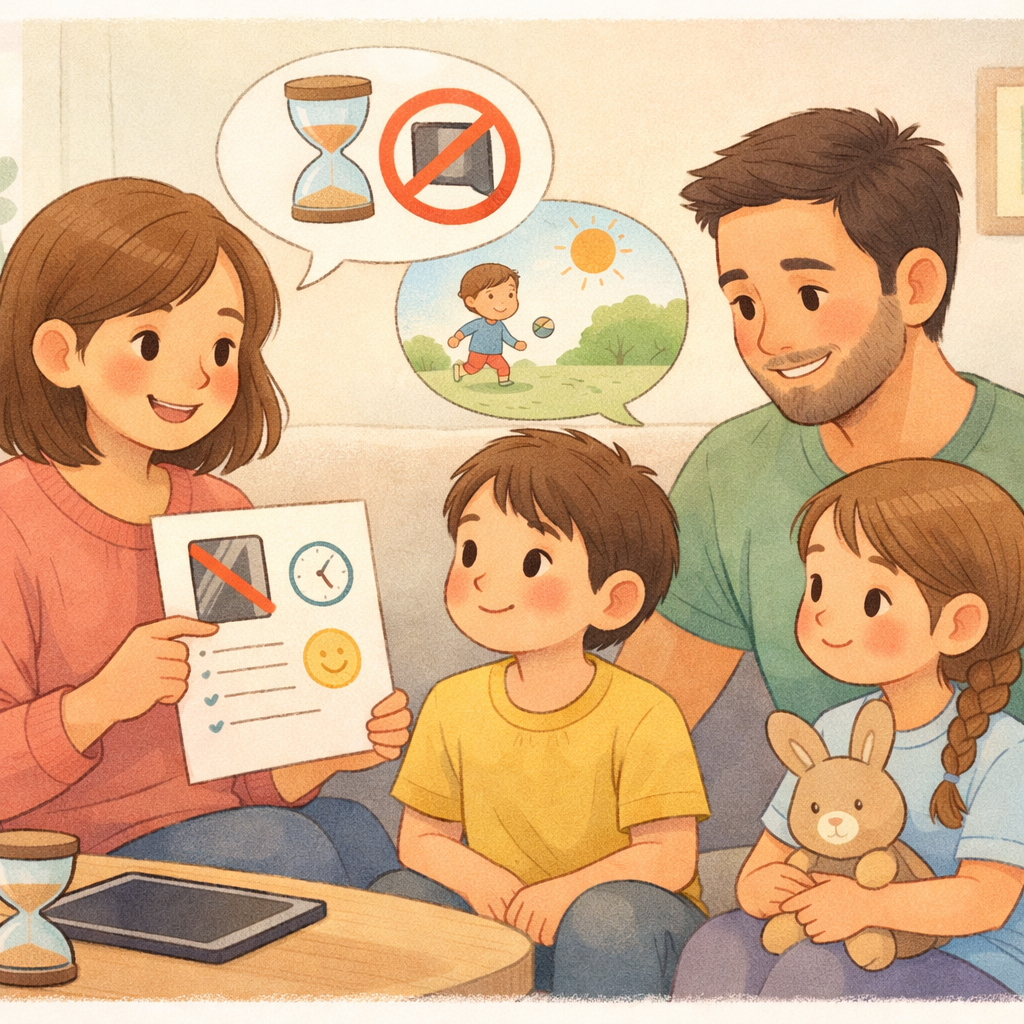
Involve your child in creating a family media plan. When they have input, they’re more likely to accept time limits. This teamwork approach makes you partners, not opponents.
Try these methods:
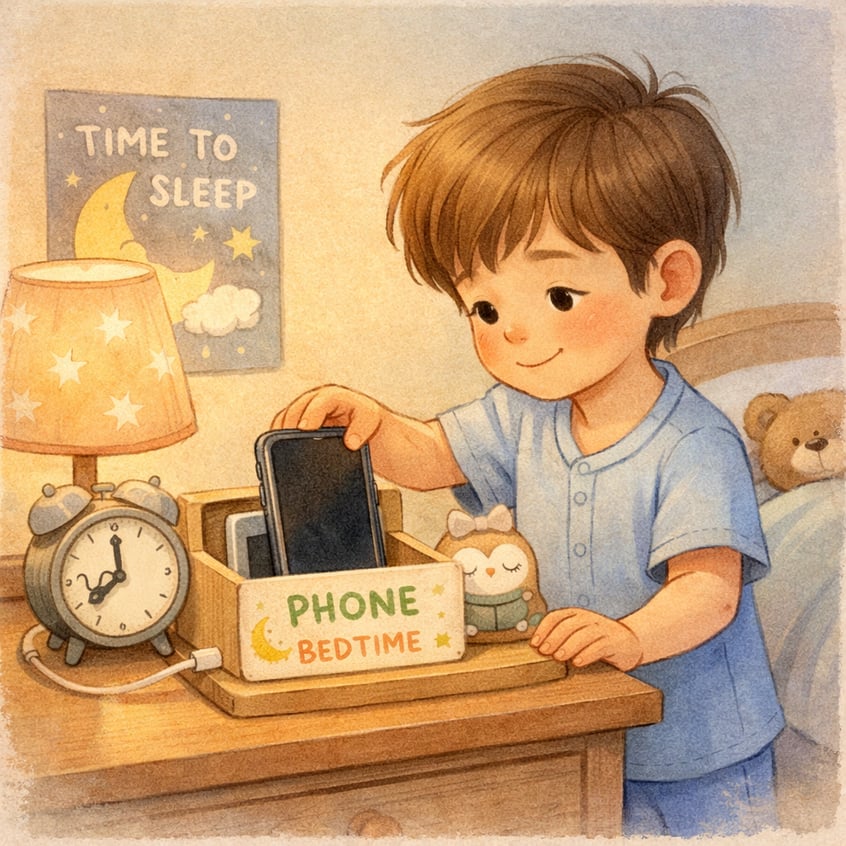
- Set Tech-Free Zones and Times: For example, no screens at dinner or an hour before bed.
- Use “First, Then” Language: Link screen time to completing tasks—“First homework, then screens,” while also encouraging kids to engage in face-to-face interactions with peers.
- Use “First, Then” Language: Link screen time to completing tasks—“First homework, then screens.”
- Model Good Habits: Put away your phone during family time.
Collaborative Endings and Visual Warning Systems
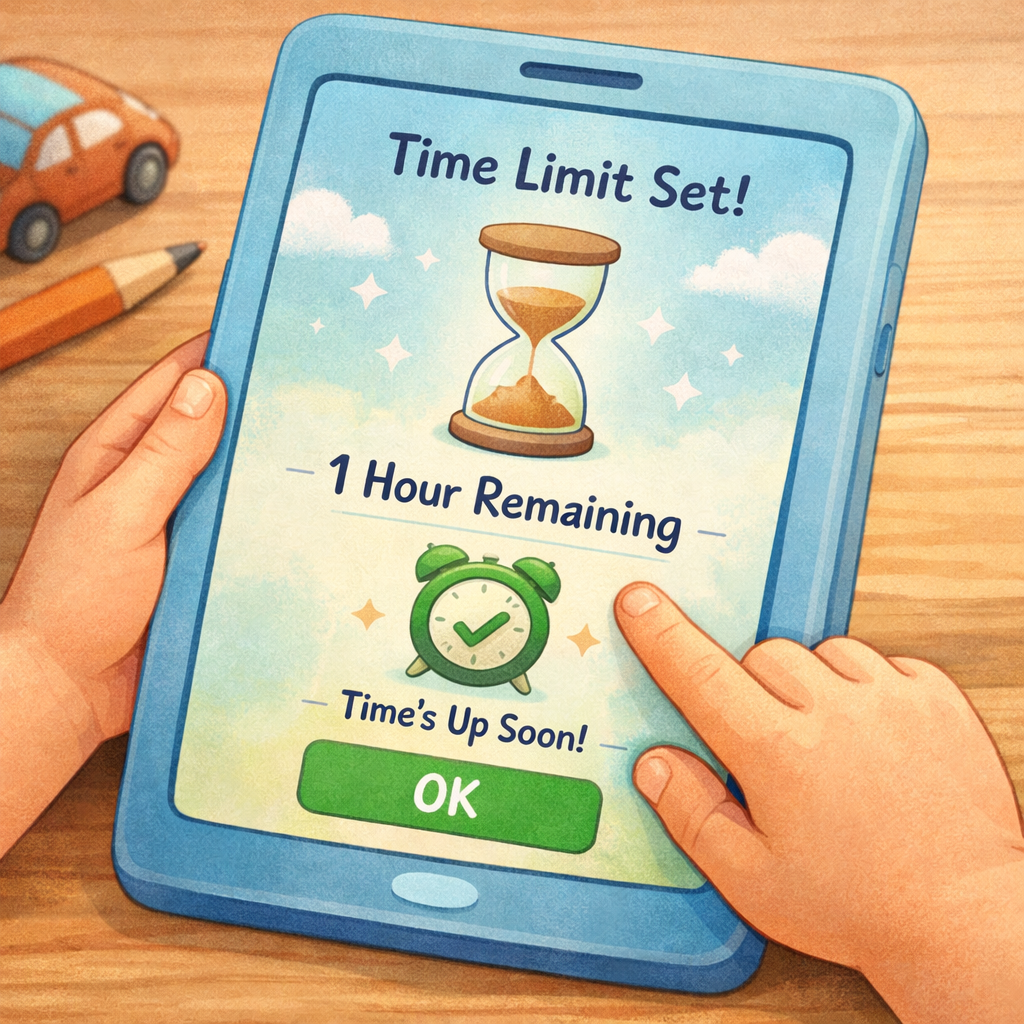
How you end screen time in the living room matters as much as the limits you set. Instead of calling out from another room, approach your child and involve them in wrapping up. Collaborative endings help avoid abrupt cutoffs.
Visual cues are also effective. Abstract warnings like "five more minutes" mean little to a focused young child. A visual timer—such as a sand timer or digital clock—makes time limits clear and helps kids prepare for transitions, as speech therapists recommend for enhancing communication skills.
For smoother screen time transitions, try:
- Timed Warnings: Use a visual timer and give reminders at 10, 5, and 2 minutes.
- Save Points: Let your child finish their level rather than stopping at an exact time.
- Choices: Ask, "Do you want to turn it off now or in two minutes?" to give them control.
These strategies help children manage transitions, reduce conflict, and build self-regulation.
Conclusion
In conclusion, navigating screen time transitions can be challenging for both parents and children. Understanding the underlying reasons behind your child's resistance to giving up screens is crucial. By recognizing the signs of technology withdrawal and implementing practical strategies, you can create a smoother transition process. It's important to keep in mind that setting consistent limits, engaging in collaborative endings, and using visual aids can significantly reduce frustration and help manage emotional responses. Remember, fostering healthy habits around technology requires patience and understanding. As you embark on this journey, know that you're not alone—many parents face similar struggles. Embrace this opportunity to strengthen your relationship with your child while promoting balanced screen time.
Reach out for a consultation or call daar at 02 9133 2500 for expert guidance tailored to your child’s needs.
Frequently Asked Questions
How can parents help kids manage tantrums when devices are taken away?
Stay calm and validate their feelings through daar’s programs without giving in. You can say, "I know you're upset that screen time is over." Acknowledging the emotion provides parent support, but holding firm on the limit is crucial for teaching emotional regulation and preventing future tantrums related to device withdrawal in daily living.
What methods make screen time transitions easier for children?
Using practical strategies like visual timers, giving consistent warnings, and involving kids in setting limits can make screen time transitions much smoother. Principles from behaviour therapy, such as creating predictable routines, help manage expectations. Also, ensure there are fun daily activities that teach new skills and family time planned after screens turn off.
Can teachers handle technology withdrawal behavior in the classroom?
Yes, teachers can manage technology withdrawal by setting clear classroom behaviour expectations and using similar transition strategies. They can upskill caregivers by sharing practical skills that work at school. Consistent approaches between home and school, sometimes developed through student placement programs, create a supportive environment for the child.
.svg)




.svg)