
.png?width=48&height=48&name=Group%201%20(3).png)























2 April, 2026

Screen Addiction: Overcoming the Digital Dependence

Key Highlights
Here's a quick look at what this article covers:
- Screen addiction is a compulsive dependence on digital devices that can harm your daily life and mental health, particularly through the use of the internet.
- Common signs include losing track of time online and feeling anxious when away from your screens.
- Excessive screen time is linked to physical issues like eye strain and mental health problems such as anxiety and depression.
- Children and adolescents are particularly vulnerable to digital dependency due to social media and online gaming.
- Strategies like setting time limits, taking a digital detox, and seeking professional help can help you overcome screen addiction.
- Promoting digital wellness involves creating healthy habits around your use of technology at home and work.
Introduction
In today's digital world, screens and electronic devices are everywhere. From smartphones and tablets to computers and TVs, digital devices have become a central part of our lives. While they offer incredible convenience and connection, it's easy to spend too much time on them. This can sometimes lead to screen addiction, a dependence on technology that negatively impacts your mental health and well-being. Understanding this digital dependence is the first step toward finding a healthier balance and reclaiming your time.
Signs and Symptoms of Digital Dependency
Recognizing digital dependency in your daily life can be tricky. It often starts subtly, like constantly checking your phone for notifications or feeling an urge to scroll through social media whenever you have a free moment. You might find yourself experiencing a loss of control as you spend more time on video games or online than you originally intended, neglecting other responsibilities.
This pattern of behavior is sometimes referred to as internet addiction. While mental health professionals are still discussing its formal classification, the negative effects of internet usage are clear. If you feel anxious or irritable when you can't access your devices, it could be a sign of a deeper issue with your screen use.
Common Behavioral Indicators of Screen Addiction
One major sign of digital dependency is losing control over your screen time. You may intend to check social media platforms briefly but end up spending hours online. This compulsive behavior can disrupt daily routines and responsibilities.
People often use digital devices, including smart devices, to escape problems or change their mood, turning to their phones by default—even when other tasks need attention. This can lead to neglecting hobbies, work, and personal care.
Common behavioral indicators include:
- Spending more time on devices than planned due to problematic technology use
- Feeling anxious or irritable without your phone
- Ignoring social or family obligations for screen time
- Hiding how much time you spend online
- Continuing excessive use despite negative effects
Physical and Mental Health Effects
Excessive use of digital devices can harm both physical and mental health. Physically, digital eye strain is common among frequent computer users, causing discomfort and potentially leading to long-term vision problems.
Mentally, high screen time is linked to anxiety and depression, especially in women. Social media can increase stress through constant stimulation and FOMO.
Key effects include:
- Eye strain: Dry eyes, blurred vision, headaches.
- Anxiety and depression: Higher risk with 4+ hours of daily screen time.
- Sleep problems: Blue light disrupts melatonin and sleep quality.
- Neck and shoulder pain: Poor posture while using devices.
Warning Signs in Children and Adolescents
Young adults, children, and adolescents are especially vulnerable to problematic internet use due to their developing brains and its impact on public health. Warning signs include declining grades, social isolation, and loss of interest in offline activities.
When screen time is limited, withdrawal symptoms like irritability, anger, or sadness may appear. Young people might lie about their device use or break parental rules.
Watch for these warning signs:
- Using devices far longer than intended
- Disrupted sleep from late-night screen use
- Increased conflicts with family over devices
- Neglecting chores, homework, or responsibilities
Impact of Excessive Device Use
The overuse of digital devices can lead to a host of negative consequences related to digital addiction that diminish your overall quality of life. The constant engagement with screens can pull you away from the present moment, affecting your ability to engage in meaningful real-world activities and social interactions.
From strained relationships to declining physical health, the impact is widespread. Understanding these effects is crucial for recognizing the need for change. Let's look at how excessive device use can specifically harm your relationships, physical well-being, and mental health.
Effects on Family, Social, and Work Relationships
Digital dependency can strain relationships with family and friends. Constant smartphone use can make you seem emotionally distant, leading to feelings of neglect and conflict. Family arguments about internet use are common when it disrupts shared time or responsibilities.
This social isolation extends to work, where excessive online activity can hurt productivity and your professional reputation. It also makes balancing work and personal life harder as digital and real-world boundaries blur.
Spending more time online means less face-to-face interaction, weakening social connections and increasing loneliness—even if you have many online "friends." Maintaining strong relationships requires being present, which is difficult when your attention is always on a screen.
Physical Health Consequences of Gadget Overuse
Excessive gadget use can cause several physical symptoms and issues. Digital eye strain from prolonged screen time leads to dry eyes, blurred vision, and headaches. Poor posture—like hunching over devices—results in neck pain ("tech neck") and shoulder stiffness, potentially leading to chronic musculoskeletal problems. Repetitive actions such as typing or swiping may cause carpal tunnel syndrome.
Key physical effects include:
- Digital eye strain: Dry eyes, blurred vision, headaches.
- Neck pain: "Tech neck" from looking down at screens.
- Sleep disturbances: Blue light delays melatonin production.
- Sedentary lifestyle: More screen time means less movement.
Mental Health Outcomes: Anxiety, Depression, and Stress
Excessive screen time is closely linked to poor mental health. High use, especially on social media, often increases anxiety and depression. Unrealistic online portrayals lead to social comparison and lower self-esteem.
Constant connectivity adds stress through FOMO and the pressure to always be available. While some use screens to escape stress, technology can become a source of it, creating a harmful cycle.
Problematic internet use may co-occur with other mental disorders or substance abuse. Screen addiction shares traits with substance use disorders—both can change brain chemistry and reduce self-control.
Risk Factors Influencing Technology Addiction
Several risk factors can make someone more susceptible to technology addiction and addictive use. Conditions like ADHD, depression, or anxiety can increase the likelihood of using digital media as a coping mechanism. The instant gratification provided by the internet can be particularly appealing to individuals struggling with impulse control. These risk factors do not mean an addiction is inevitable but do increase the vulnerability.
For example, the criteria for internet gaming disorder in the DSM-5 highlight how specific online activities can become problematic due to compulsive internet use. Understanding the underlying psychological and environmental contributors is key to addressing technology addiction. Support groups and professional help can be vital for those at higher risk.
Psychological and Environmental Contributors
Psychological factors significantly contribute to technology addiction. People with anxiety, depression, or substance use disorders may use the internet, including the use of social media, to escape or self-soothe. Lack of real-world social support can make online interactions more attractive.
Environmental influences matter too. Easy access to high-speed internet and multiple devices encourages constant connectivity and internet access. Stressful home or work environments may drive people toward the virtual world for relief, especially without strong coping skills.
Cognitive behavioral therapy (CBT) is an effective treatment, helping individuals recognize addictive behaviors and develop healthier coping strategies. Building offline support systems is also essential for recovery.
Influence of Social Media and Gaming
Social media and video games are intentionally engaging, making them common sources of screen addiction. Features like notifications, likes, and infinite scroll trigger dopamine release, reinforcing compulsive use.
Online games provide immersive experiences and a sense of achievement that can be highly addictive. Social media fuels addiction through the pursuit of validation and constant new content, making it hard to log off.
Keyways these platforms drive addiction:
- Constant notifications: Create urgency to check your device.
- Infinite scroll: Promotes endless browsing.
- Reward systems: Instant gratification from achievements or "likes."
- Fear of Missing Out (FOMO): Pressure to stay connected and updated.
Vulnerability Among Youth in Australia
Australian young adults and university students, like their global peers, are vulnerable to excessive internet use, including online gambling. Academic pressures and the need for social connection drive heavy reliance on digital devices, especially social media.
Research shows device usage increases with age, due to both academic demands and easier access to smartphones. The transition from primary to secondary school leads to a significant rise in screen time for both study and leisure.
This heightened use is linked to more physical and psychosocial problems. The table below highlights increased device use and related symptoms among primary and secondary school students:
|
Metric |
Primary School Students |
Secondary School Students |
|---|---|---|
|
Device use ≥ 2 hrs/day (school days) |
38% |
69% |
|
Device use ≥ 2 hrs/day (weekends) |
44% |
90% |
|
Neck pain/aches |
Lower prevalence |
Higher prevalence |
|
Device-related sleep disruption |
Lower prevalence |
Higher prevalence |
Strategies for Overcoming Screen Addiction
If you feel like you're losing control over your screen use, there are effective strategies, including group therapy, to help you regain balance. Overcoming screen addiction often involves a combination of practical changes to your daily habits and seeking support. A digital detox, where you intentionally reduce non-essential screen time, can be a powerful way to reset your relationship with technology.
Developing digital wellness is about making conscious choices rather than letting your devices dictate your time. From setting limits on online shopping to finding new hobbies, the goal is to create a life that is rich and fulfilling both on and offline. Sometimes, joining support groups or seeking professional guidance is the most effective path forward.
Practical Tips for Reducing Screen Time
Reducing screen time may seem daunting, but small changes can have a big impact on computer use. Start by tracking your app and website usage to spot where you spend the most time. Once you know your habits, set realistic limits—like scheduling no-screen periods during meals or before bed—to use technology more intentionally.
Here are some practical tips:
- 20-20-20 Rule: Every 20 minutes, look at something 20 feet away for 20 seconds.
- Set Time Limits: Use app timers to cap social media or gaming to 30–60 minutes daily.
- Tech-Free Zones: Make bedrooms or dining tables screen-free.
- Turn Off Notifications: Silence non-essential alerts.
- Try New Hobbies: Swap screens for reading, exercise, or time outdoors.
Promoting Digital Wellness at Home and Work

Fostering a culture of digital wellness is key to maintaining work-life balance. At work, set clear expectations for after-hours email responses and encourage regular breaks from screens. Favor face-to-face communication over instant messaging to reduce digital fatigue.
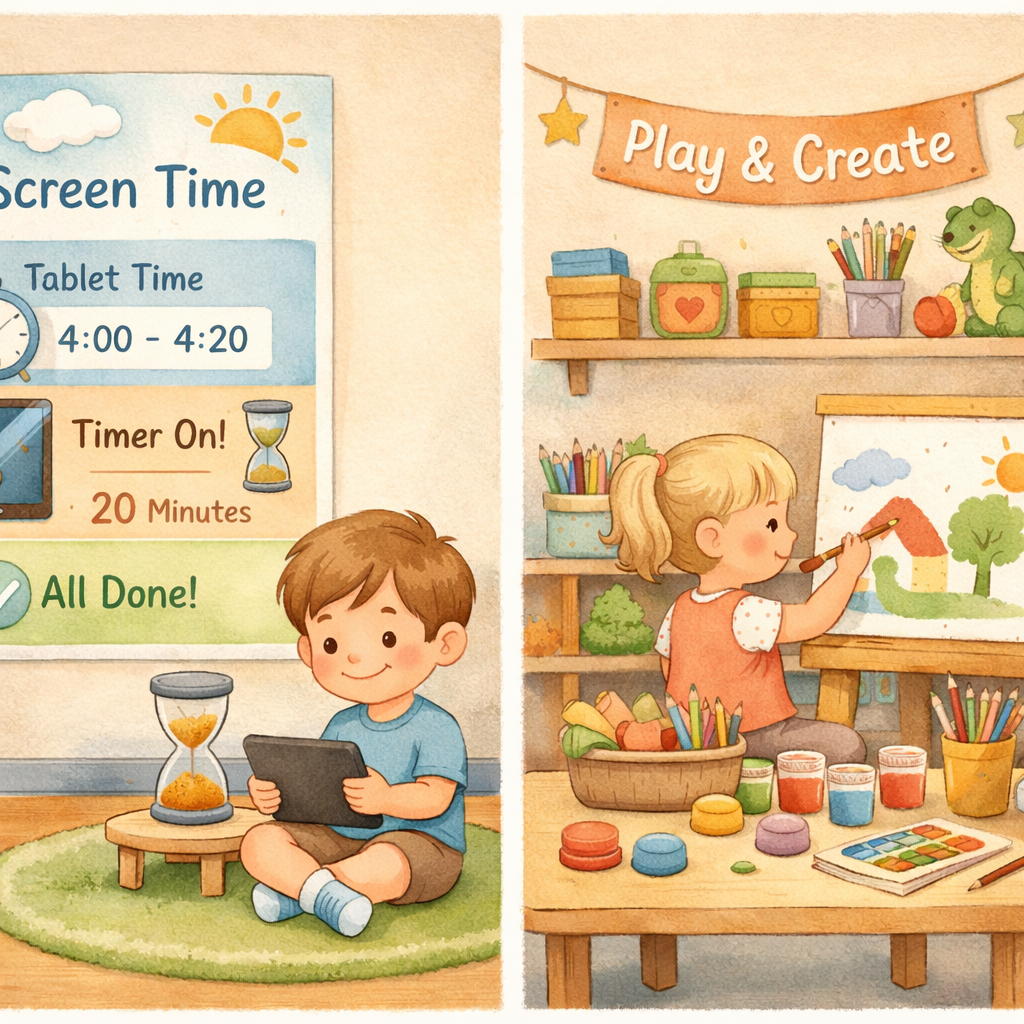
At home, establish healthy internet habits by setting device-free times, such as during dinners, or creating a central charging station outside bedrooms. Parents can model balanced screen use for their children.
If screen time becomes problematic, seek support from friends, family, support groups, or mental health professionals to address any underlying issues.
Conclusion
In conclusion, overcoming screen addiction is vital for mental and physical health. By recognizing digital dependency and its impact on relationships and well-being, you can take proactive steps toward balance. A systematic review of various strategies suggests reducing screen time, promoting digital wellness at home and work, and seeking support when needed. Aim to let technology enhance—not control—your life.
If you're ready for change, reach out for consultation or call daar at 02 9133 2500 for guidance. Start your journey to a healthier relationship with technology today.
Frequently Asked Questions
Is internet addiction recognised by Australian mental health professionals?
While internet addiction and video game addiction are not listed as formal disorders in the Diagnostic and Statistical Manual of Mental Disorders (DSM-5), many mental health professionals in Australia and worldwide recognize problematic internet use as a serious behavioral issue. "Internet gaming disorder" is included for further study, indicating growing acknowledgment in clinical practice.
How can organizations address digital dependency among employees?
Organizations can promote digital wellness by encouraging regular breaks from screens, setting clear policies on after-hours communication, and fostering a better work-life balance. Providing resources like employee assistance programs or support groups can also help address digital dependency and reduce excessive screen time among employees.
What are best practices to prevent screen addiction in children?
To prevent screen addiction in children, parents should set clear limits on screen time and media use. Encourage offline activities, establish tech-free zones like bedrooms, and have open conversations about responsible social media use. Modeling healthy screen habits is also one of the most effective practices.
.svg)




.svg)