
.png?width=48&height=48&name=Group%201%20(3).png)
























31 March, 2026

Reduce Screen Addiction Kids: A Parent's Guide
Key Highlights
- Understand the signs of screen addiction, such as irritability and loss of interest in other activities.
- Set clear time limits on your child's screen time to manage their daily usage effectively.
- Encourage healthy habits by introducing fun alternatives like hobbies and physical activity.
- Implement a digital detox to help reset your family's relationship with technology.
- Model positive screen behavior to teach your children by example.
- Create screen-free zones and times to promote more quality family interactions.
Introduction
In today's digital world, screens are everywhere, making it tough for parents to manage their children’s screen time. You might be wondering how much screen time is too much for your kids. Many parents share this concern about the potential for screen addiction. This guide offers practical advice and simple strategies to help you reduce your child's reliance on devices. You can learn how to foster a healthier, more balanced relationship with technology for your entire family.
Understanding Screen Addiction in Kids
Screen addiction in kids goes beyond just spending time on devices—it affects their mood, sleep, schoolwork, and relationships. Signs include irritability when devices are removed or losing interest in other activities.
Excessive screen time can cause sleep problems, poor grades, social isolation, and moodiness. Recognizing these issues is the first step toward helping your child develop healthier habits and improve their well-being.
Early Signs and Red Flags Parents Should Notice
Parents should watch for early signs of screen addiction. Excessive device use, especially at the expense of homework or social time, is a key warning. If your child becomes angry or anxious when asked to stop, this may signal withdrawal.
Other red flags include:
- Trouble sleeping
- Using screens despite poor grades or social issues
- Losing interest in other activities
- Lying about gaming time
In severe cases, these behaviors may indicate Internet Gaming Disorder. If you notice these signs, act to reduce screen time and encourage healthier habits.
Why Are Kids Prone to Screen Overuse?
Children are particularly susceptible to screen overuse for several reasons. Social media, online games, and streaming shows are designed to be engaging and keep users coming back. For a developing child's brain, the constant stimulation and rewards can be hard to resist. This can quickly turn into too much screen time.
The impact of this overuse on their mental health is a major concern. Studies suggest that excessive screen time can lead to issues with cognitive development, language skills, and thinking tests. The effects aren't just mental; they can be behavioral too. Some negative consequences include:
- Increased moodiness and irritability.
- Poor academic performance.
- Social isolation from friends and family.
- Sleep disturbances due to blue light and overstimulation.
Ultimately, screens can become a way to fill every moment of boredom, preventing kids from developing other interests or learning to entertain themselves. This dependence can have lasting effects on their well-being if not addressed.
Practical Strategies for Digital Detox for Kids
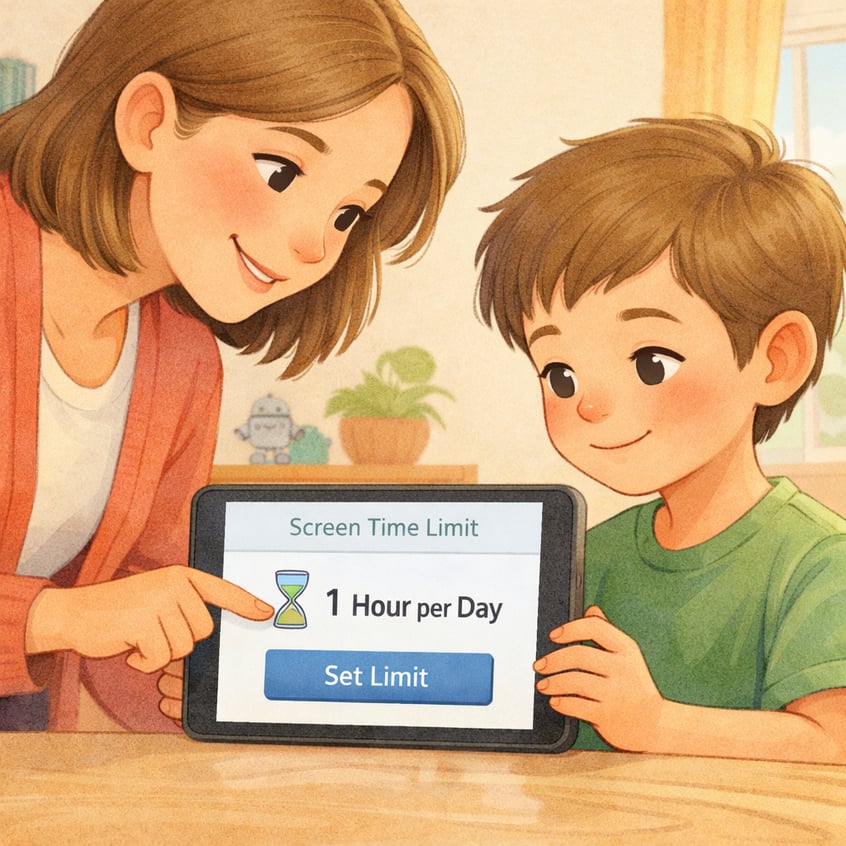
Starting a digital detox can help reset your child's screen habits and create a healthier balance with technology. The goal isn’t to ban devices, but to set clear time limits and use apps to monitor screen time.
Reducing access makes room for other activities. Encourage physical play, plan screen-free family time, and support hobbies. A detox helps your child understand their device use and build self-control. The steps below will guide you in making these changes at home.
Steps to Start a Digital Detox for Kids at Home
Starting a digital detox at home works best with a calm, consistent approach. Instead of banning screens suddenly, discuss screen use with your child and explain the reasons for change. Involve them in setting rules to help them feel empowered.
Clear boundaries are essential. Make small, gradual changes to encourage healthier habits:
- Set specific times and places for device use.
- Establish firm daily screen time limits.
- Use parental control apps to enforce these limits.
- Remove screens from bedrooms to improve sleep.
The goal is to create space for new routines. Be patient—adjusting takes time, but consistency will help your family achieve a healthier digital balance.
Fun Alternatives and Non-Screen Activities for Children
To reduce screen time, offer your child engaging non-screen activities. Fun alternatives help prevent boredom and spark genuine interest. Discuss hobbies or activities you can enjoy together.
Encourage physical activity—this doesn't have to be organized sports. Simple options like family walks, park visits, or bike rides build healthy routines.
Try these ideas:
- Board games or puzzles
- Creative hobbies such as drawing, crafts, or music
- Reading books or listening to audiobooks
- Relaxing activities like yoga or mindfulness
Exciting alternatives show your child that life beyond screens is enjoyable and adventurous, helping them develop new skills and interests while lessening device dependence.
Encouraging Positive Screen Habits for the Whole Family
Healthy screen time habits start with the whole family. When everyone follows the same rules, it feels like a shared lifestyle change, not just a restriction. The best tool you have is your own behavior—children learn by watching you, so model good habits.
Set limits on your own device use to show your kids that life exists beyond screens. For example, put your phone away during meals and conversations. The next sections will detail how to be a strong role model and create a home environment that encourages less screen time for all.
Modeling Healthy Device Use as a Parent
Your children learn screen habits by watching you. To teach them balance, model it yourself. Be mindful of your screen time, especially around your kids—whether working or relaxing, it all looks the same to them.
Show healthy device use by being present. Give your child your full attention during conversations, meals, and family activities—put your phone away to show that quality time matters more than notifications.
Ways to model positive screen habits:
- Set personal limits for social media and apps.
- Keep phones away during family meals.
- Don’t bring devices to bed.
- Choose non-screen activities like reading for relaxation.
By setting a good example, you help your child develop healthy screen habits.
Creating Screen-Free Zones and Routines

Establishing screen-free zones and times sets healthy boundaries for children. For example, making bedrooms screen-free helps improve sleep, as studies show screens can disrupt rest.
Designate family tech-free times, such as during meals or the hour before bedtime. These breaks encourage connection and help kids transition between activities without devices.
A simple family tech plan makes expectations clear:
|
Area/Time |
Rule |
|---|---|
|
Bedrooms |
No screens in bedrooms overnight. |
|
Mealtimes |
All devices put away during family meals. |
|
Before Bed |
No screen time one hour before bedtime. |
|
Family Outings |
Phones only for pictures, not for scrolling. |
Conclusion
In conclusion, tackling screen addiction in kids is essential for their overall well-being and development. By understanding the signs of overuse and implementing practical strategies for a digital detox, parents can help cultivate healthier habits. Encouraging non-screen activities and establishing screen-free zones creates an environment where children can thrive. Remember, you are not alone in this journey; every small step you take can lead to meaningful changes in your child's relationship with technology.
If you're looking for personalized tips and support, don't hesitate to reach out for a consultation or call daar at 02 9133 2500. Together, we can foster a balanced lifestyle for your family!
Frequently Asked Questions
What should I do if my child is already addicted to screens?
If you suspect screen addiction, start by talking to your child and setting clear limits. A gradual digital detox can help reset their habits. If problems like severe mood changes or sleep disturbances persist, don't hesitate to talk to your child's pediatrician for professional guidance and support.
Are digital detoxes safe and effective for kids?
Yes, a digital detox is generally safe and can be very effective when done thoughtfully. It’s not about punishment but about creating balance. By setting reasonable time limits and reintroducing other activities, a detox can improve a child's mental health and help them develop healthier long-term habits.
How do I encourage my child to enjoy non-screen activities?
Encourage non-screen activities by making them fun and accessible. Spend quality time together exploring new hobbies, getting outside for physical activity, or playing games. Let your child experience boredom sometimes, as it can spark creativity and inspire them to find new interests on their own.
.svg)




.svg)