
.png?width=48&height=48&name=Group%201%20(3).png)
























17 April, 2026

No Screen Time Before Bed Kids: Enhance Sleep Quality
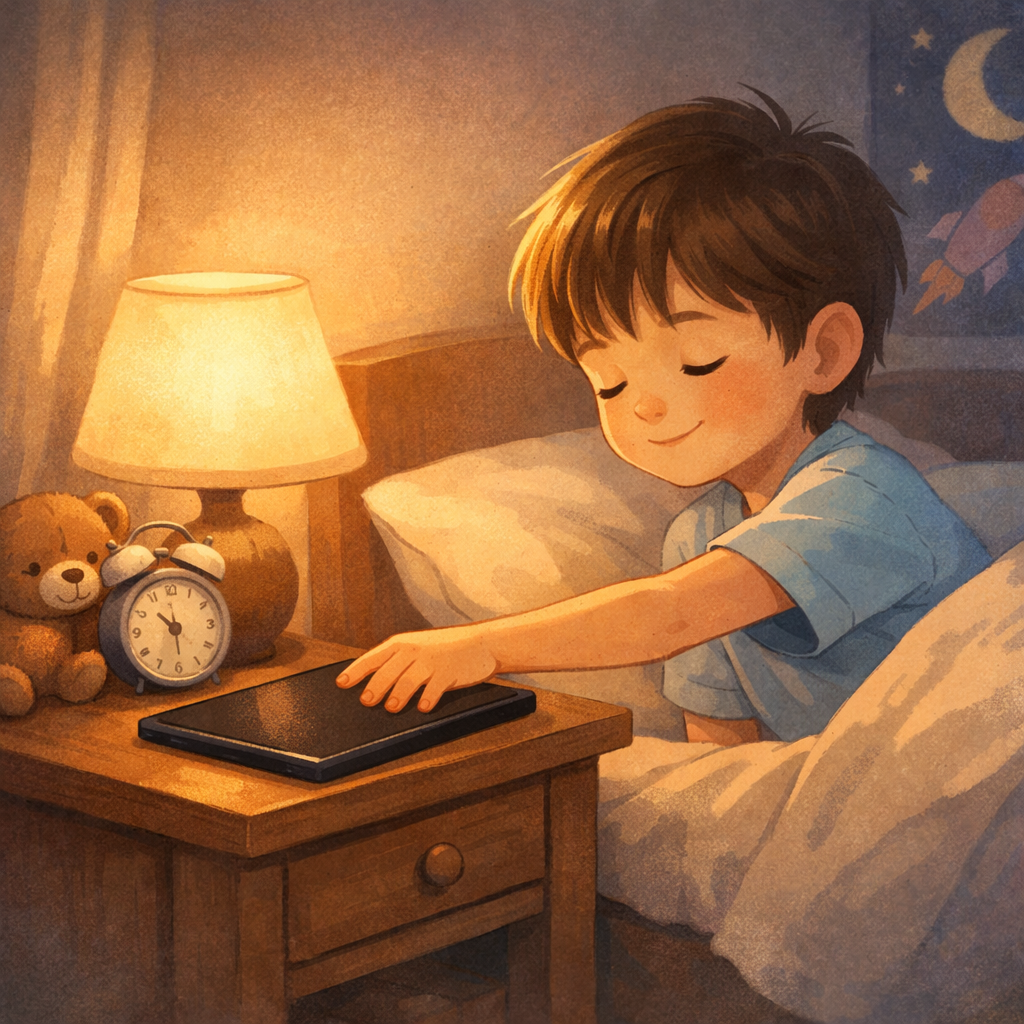
In today’s hyper-connected, technology-driven world, screens and electronic devices are woven into almost every aspect of a child's daily routine. From interactive smartboards in the classroom to afternoon video games and evening television shows, digital devices are virtually impossible to avoid. However, one of the most critical battles modern parents face is managing screen exposure at the end of the day. Screen exposure before bedtime has become an incredibly common habit among children of all ages, but a growing mountain of paediatric research reveals that it is silently sabotaging their rest.
The glow of a tablet, phone, or television right before sleep negatively impacts a child's sleep quality, stunts cognitive development, and severely disrupts hormone balance. Practicing a strict “no screens before bed” rule—often referred to as a digital curfew—is one of the most powerful, transformative parenting strategies you can implement. Removing evening screen time dramatically helps improve sleep architecture, supports vital overnight brain development, and promotes vastly better mood and behaviour the following day.
In this comprehensive guide, we will unpack the precise science of how screens disrupt the sleeping brain, explore the profound health benefits of an evening digital detox, and provide parents with highly actionable, realistic strategies to build a peaceful, screen-free bedtime routine.
The Science of Screens and Sleep: What Happens in the Brain?
To understand why a digital detox before bed is so critical, parents must first understand the biology of human sleep. The body relies on a delicate internal clock called the circadian rhythm, which uses environmental light to influence melatonin secretion and determine when it is time to be awake and when it is time to rest.
When the sun goes down, and the environment grows dark, a small area in the brain called the pineal gland begins producing melatonin, the body’s natural sleep hormone. Melatonin lowers the body temperature, relaxes the muscles, and signals to the nervous system that it is time to shut down for the night, as noted in studies referenced in Google Scholar.
However, digital screens emit a concentrated, artificial blue light. Biologically, this short-wavelength blue light mimics the bright, alerting light of midday sunlight. When a child stares at a screen in the hour before bed, that short-wavelength blue light travels through their optic nerve and completely tricks the brain into believing it is still daytime. The pineal gland immediately halts melatonin production. Without this essential sleep hormone, the child remains chemically wide awake, leading to frustrating bedtime battles, prolonged tossing and turning, and severely delayed sleep onset.
Furthermore, screens cause psychological and cognitive overstimulation. A fast-paced video game, an exciting cartoon, or an interactive app triggers rapid-fire releases of dopamine and adrenaline. Instead of winding down, the child’s nervous system is pushed into a state of high alert, making physical activity and mental relaxation nearly impossible.
Why No Screens Before Bed Matters for Kids
Implementing a digital detox before sleep provides massive, immediate benefits to a child’s physical and mental well-being. Here is an in-depth look at how removing screens transforms their health:
1. Wildly Improves Sleep Quality and Duration
The primary benefit of a strict "no screens" rule is the immediate restoration of your child's natural sleep cycle. By eliminating blue light an hour before bed, you allow their brain to efficiently produce the release of melatonin naturally. This means your child will fall asleep significantly faster, effectively ending the dragged-out, two-hour bedtime struggles.
Beyond just falling asleep faster, avoiding screens heavily improves the quality of the sleep, as highlighted by the National Sleep Foundation. Children who power down devices early enjoy uninterrupted, deeper cycles of restorative Slow-Wave sleep, rather than the fragmented, highly restless sleep associated with late-night screen exposure.
2. Extensively Supports Brain Development
Sleep is the critical period when a child’s brain processes the events of the day, permanently stores new information, and physically builds new neural connections. Quality sleep is absolutely essential for memory consolidation, academic learning, and long-term cognitive growth, as getting enough sleep is vital for overall health.
When screens delay sleep or fracture sleep cycles, the brain misses out on this vital "cleaning and wiring" time. By establishing a screen-free evening routine that promotes better sleep, you are directly protecting your child’s neurological development, ensuring their brain has the uninterrupted time it desperately needs to grow, repair, and prepare for the challenges of tomorrow.
3. Enhances Daytime Behaviour and Mood Stability
A child’s daytime behaviour is a direct reflection of their nighttime rest. Children who engage with screens immediately before sleeping often wake up with a 'sleep hangover'—a state of chronic, low-level exhaustion that can lead to various sleep problems. This sleep deprivation severely impairs their prefrontal cortex, the part of the brain responsible for impulse control and emotional regulation.
Children who completely avoid screens before bedtime wake up truly refreshed. They are significantly less irritable, noticeably more focused in the classroom, and emotionally balanced. They can handle daily frustrations with much greater resilience, drastically reducing the frequency and severity of daytime tantrums and outbursts.
4. Radically Reduces Nighttime Sleep Disruption
Highly engaging digital content effectively overstimulates developing brains, leaving them racing long after the device is finally turned off. This physiological hyper-arousal leads to intense difficulty relaxing. Moreover, it frequently results in nighttime awakenings. A brain that fell asleep while artificially stimulated by a screen struggle to smoothly transition between natural sleep cycles in the middle of the night. Removing the digital stimulation ensures the nervous system is completely calm before the head hits the pillow, allowing the child to sleep soundly straight through the night.
The Hidden Dangers of Late-Night Screen Time
Permitting screens right up until lights-out carries insidious, long-term risks that many parents may not immediately recognize. Chronic evening screen exposure is heavily linked to:
- Increased Risk of Childhood Obesity: Late-night screen time reduces overall sleep duration. Chronic sleep deprivation disrupts the hunger hormones ghrelin and leptin, often leading to intense cravings for sugary, high-calorie foods the following day.
- Elevated Anxiety and Stress: News clips, fast-paced YouTube videos, or engaging multiplayer games can induce a mild "fight or flight" response. Going to sleep with elevated cortisol (the stress hormone) leads to anxiety, nightmares, and a restless mind.
- The "Second Wind" Phenomenon: If a child pushes past their natural window of sleepiness because they are distracted by a screen, their body will release a sudden surge of adrenaline to keep them awake. This creates a frustrating "second wind," making it impossible to get them to sleep for another one to two hours.
Healthy Alternatives to Screen Time Before Bed
Removing a tablet or turning off the television can initially cause friction, especially if the child is accustomed to having it. The secret to a successful transition is entirely replacing the digital stimulation with high-value, calming, low-tech alternatives to help them achieve a good night’s sleep.
Here are excellent, highly recommended activities to seamlessly integrate into your new screen-free routine, considering the impact of screen time:
- Reading a Physical Book: Reading physical, printed books (not e-readers with backlit screens) is the gold standard for bedtime. Reading naturally lowers the heart rate, distracts the mind from the stressors of the day, and gently engages the imagination in a way that promotes instantaneous relaxation. For younger kids, reading aloud together is a massive bonding opportunity.
- Listening to Calm Music or Storytelling: Audio-only stimulation is a fantastic way to wind down. Put on a designated playlist of classical music, nature sounds, or use a screen-free audio player designed for kids that plays quiet bedtime stories. This satisfies the desire for entertainment without the neurological damage of blue light.
- Light Stretching or Relaxation Exercises: Teach your child how to physically release the tension stored in their muscles. Five to ten minutes of simple child-friendly yoga, gentle stretching, or progressive muscle relaxation naturally signals the nervous system to power down completely.
- Talking About the Day with Parents: Replace screen connection with human connection. Spend ten minutes purely talking. Ask them about the "rose and thorn" (the best and worst part) of their day. This practice allows them to verbally process their emotions, ensuring they don't take unresolved anxiety into their sleep.
- Practicing Deep Breathing Techniques: Teach your child simple "belly breathing" or "box breathing" exercises. Deep, rhythmic breathing is the fastest biological way to lower cortisol levels, slow a racing heart, and biologically prepare the body for deep sleep.
Expert Tips to Enforce a No-Screen Routine
Knowing why you need a digital curfew is easy; understanding the effects of screen time and successfully enforcing it in a busy household is the real challenge. Use these highly effective, expert-backed strategies to implement the new rule without nightly battles.
1. Set a Fixed “Screen-Off” Time (30–60 Minutes Before Bed)
Do not leave the screen turn-off time open to daily negotiation. Establish a firm "digital curfew" for the entire household—ideally 60 minutes before the child's target bedtime (and an absolute minimum of 30 minutes). With a few small changes, give plenty of warnings as the time approaches (e.g., "Ten minutes until devices are off for the night!"). Use a visual timer or a physical alarm clock to signal the transition, taking the role of the "bad guy" away from the parent and placing it on the clock.
2. Keep Devices Entirely Out of the Bedroom
The single most effective rule a parent can implement is making the child's bedroom a strict screen-free sanctuary, promoting a healthy child’s sleep. Televisions, computers, tablets, and smartphones should never be allowed in the sleeping environment. Create a centralized "family charging station" in the kitchen, hallway, or living room where all devices go to "sleep" for the night. If a device isn't in the room, the child cannot be tempted to sneak it under the covers.
3. Create a Highly Calming Bedtime Routine
Children's brains strongly rely on predictable patterns for better health. Replace the removed screen time with a highly structured, deeply calming nightly sequence. A routine of taking a warm bath or shower, putting on comfortable pajamas, brushing teeth, and spending twenty minutes reading directly cues the brain that sleep is rapidly approaching.
4. Lead by Example as Parents
Children are brilliant observers of hypocrisy. You cannot expect a child to gladly hand over their tablet if you are staring at your own smartphone while tucking them in, as highlighted in various systematic literature reviews. Parents must vigorously model the behaviour they wish to see. Participate in the digital curfew by putting your own phone on the charging station and reading a book alongside them.
5. Use Night Mode Sparingly, not as a Replacement for Limits

Many modern devices offer "Night Shift" or "Blue Light Filter" modes that turn the screen a warmer, amber color. While these filters incrementally reduce blue light exposure, they do not eliminate melatonin suppression entirely. More importantly, these filters do absolutely nothing to reduce the psychological overstimulation of interactive games, exciting shows, or social media. Night mode should be used as a helpful tool in the early evening, but it is never an acceptable replacement for a hard, screen-free limit before bed.
Screen rule an hour before sleep
Take back control of your family's evenings and start building a significantly healthier bedtime routine today by introducing a firm, non-negotiable no-screen rule an hour before sleep. While balancing technology use, the first few nights may require patience, the massive biological payoff is entirely worth it. Help your child enjoy truly restorative rest, vastly improved daytime focus, and significantly stronger emotional well-being.
Are you looking for more actionable advice to help your child thrive in a digital world while also considering their sleep health?
Reach out for a consultation or call daar at 02 9133 2500 for weekly expert parenting tips, child development insights, and proven strategies to promote holistic, lifelong family wellness!
Frequently Asked Questions (FAQs)
1. Why exactly should kids avoid screens right before bed?
Children must passionately avoid screens before bed because digital devices emit an intense, artificial "blue light" that completely halts the brain's natural production of melatonin, the hormone required to induce sleep. The effects of blue light are significant, as they disrupt sleep quality. Additionally, the fast-paced, interactive nature of digital content hyper-stimulates their developing nervous system, spiking stress hormones and making it biologically impossible for them to easily relax and fall asleep.
2. How long before bed should screens be completely turned off?
Paediatric sleep specialists and neuroscientists universally recommend turning off all digital screens at least 60 minutes before a child's designated bedtime, essentially setting a screen curfew. If an hour is absolutely impossible due to scheduling, a strict 30-minute minimum buffer is required to allow their internal hormone levels to normalize and prepare their body for rest.
3. What can kids possibly do instead of using screens before bed?
The goal is to seamlessly swap high-stimulation tech for high-value, low-tech relaxation and reduce the impact of screens. Excellent alternatives include reading a physical paperback book, independently looking at picture books, listening to calming classical music or a recorded audio story, putting together a simple puzzle, practicing gentle yoga, taking a warm bath, or simply spending quiet time talking with parents about their day.
.svg)




.svg)