
.png?width=48&height=48&name=Group%201%20(3).png)























10 April, 2026

Reducing Screen Time for Toddlers in Australia
In today’s digital world, screens are everywhere—from TVs and tablets to smartphones and laptops. While technology can offer educational value, excessive screen time for toddlers has become a growing concern among parents and healthcare professionals across Australia. Many families struggle to find the right balance, especially when screens are often used for entertainment, distraction, or even calming children.
Behaviour therapy offers a structured and evidence-based approach to reducing screen time in toddlers. By focusing on habits, routines, and reinforcement strategies, parents can guide their children toward healthier behaviours without constant conflict or frustration.
This guide explores practical, realistic, and research-informed ways to reduce screen time for toddlers using behaviour therapy principles tailored to Australian families.
Why Reducing Screen Time Matters
Toddlers (aged 1–3 years) are in a critical stage of brain development. Excessive screen exposure during this time can impact:
- Language development – Less interaction means fewer opportunities to learn words
- Sleep quality – Blue light exposure disrupts natural sleep cycles
- Attention span – Fast-paced content can reduce focus over time
- Social skills – Reduced face-to-face interaction limits emotional learning
Australian health guidelines recommend no more than one hour of screen time per day for children aged 2–5, and ideally none for those under 2.
Understanding Behaviour Therapy for Toddlers
Behaviour therapy focuses on how actions are learned and reinforced. For toddlers, this means:
- Behaviours that are rewarded tend to continue
- Behaviours that are ignored or redirected tend to decrease
Instead of simply removing screens, behaviour therapy helps replace screen time with positive alternatives while reinforcing desired behaviours.
Common Reasons Toddlers Overuse Screens
Before addressing screen time, it’s important to understand why toddlers are drawn to screens:
- Habit formation – Regular screen use becomes expected
- Parental convenience – Screens used during busy times
- Emotional regulation – Screens used to calm tantrums
- Boredom – Lack of engaging alternatives
Recognising these triggers allows parents to respond more effectively.
Behaviour Therapy Strategies to Reduce Screen Time
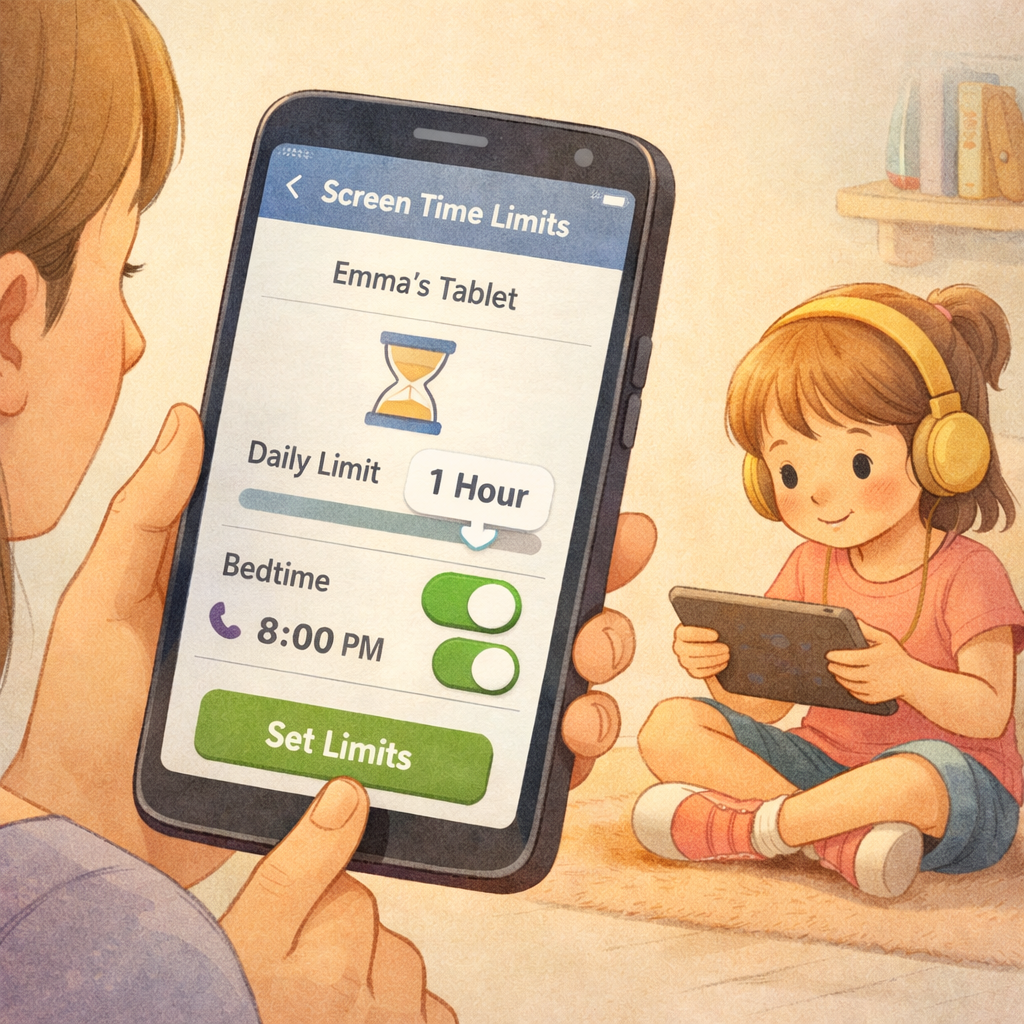
1. Set Clear and Consistent Limits
Toddlers thrive on predictability. Establish simple rules like:
- “Tablet time is after lunch for 30 minutes”
- “No screens before bedtime”
Consistency is key. Mixed messages can lead to confusion and resistance.
Tip: Use visual schedules with pictures to help toddlers understand routines.
2. Use Positive Reinforcement
Reward toddlers for engaging in non-screen activities. Rewards don’t have to be material—they can include:
- Praise (“Great job playing with your blocks!”)
- Stickers or charts
- Extra storytime
Positive reinforcement strengthens desired behaviours and makes them more likely to repeat.
3. Replace, Don’t Just Remove
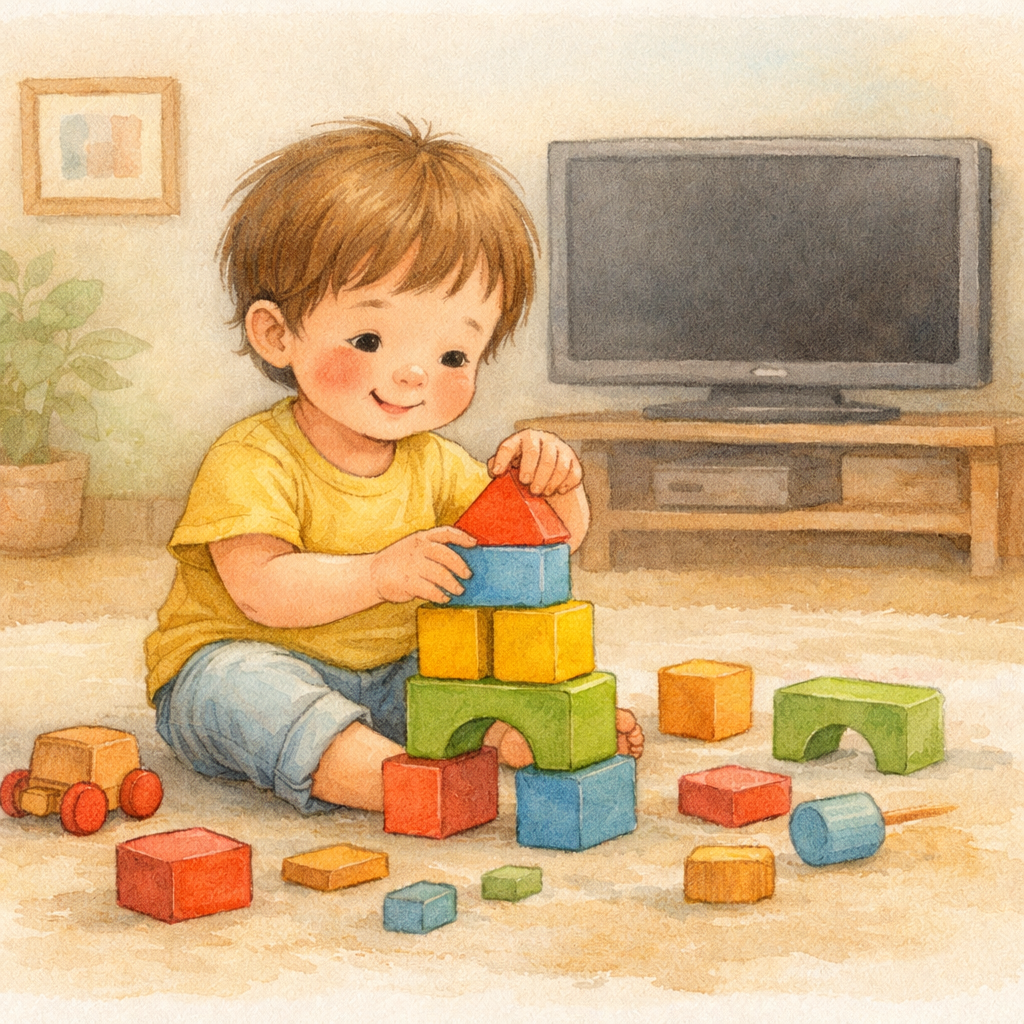
Removing screens without alternatives often leads to tantrums. Instead, replace screen time with engaging activities such as:
- Outdoor play
- Arts and crafts
- Building toys
- Pretend play
The goal is to make non-screen activities equally or more appealing.
4. Create Screen-Free Zones
Designate certain areas in your home as screen-free, such as:
- Bedrooms
- Dining areas
This helps toddlers associate specific environments with non-screen activities, reinforcing healthy habits.
5. Model Healthy Behaviour
Toddlers imitate adults. If parents frequently use phones or watch TV, children are more likely to do the same.
Try to:
- Limit your own screen use around your child
- Engage in shared activities without devices
- Demonstrate alternative ways to relax and have fun
6. Gradual Reduction Approach
If your toddler is used to high screen time, reduce it gradually rather than abruptly.
For example:
- Week 1: Reduce by 15 minutes per day
- Week 2: Reduce further by another 15 minutes
This prevents resistance and allows time for adjustment.
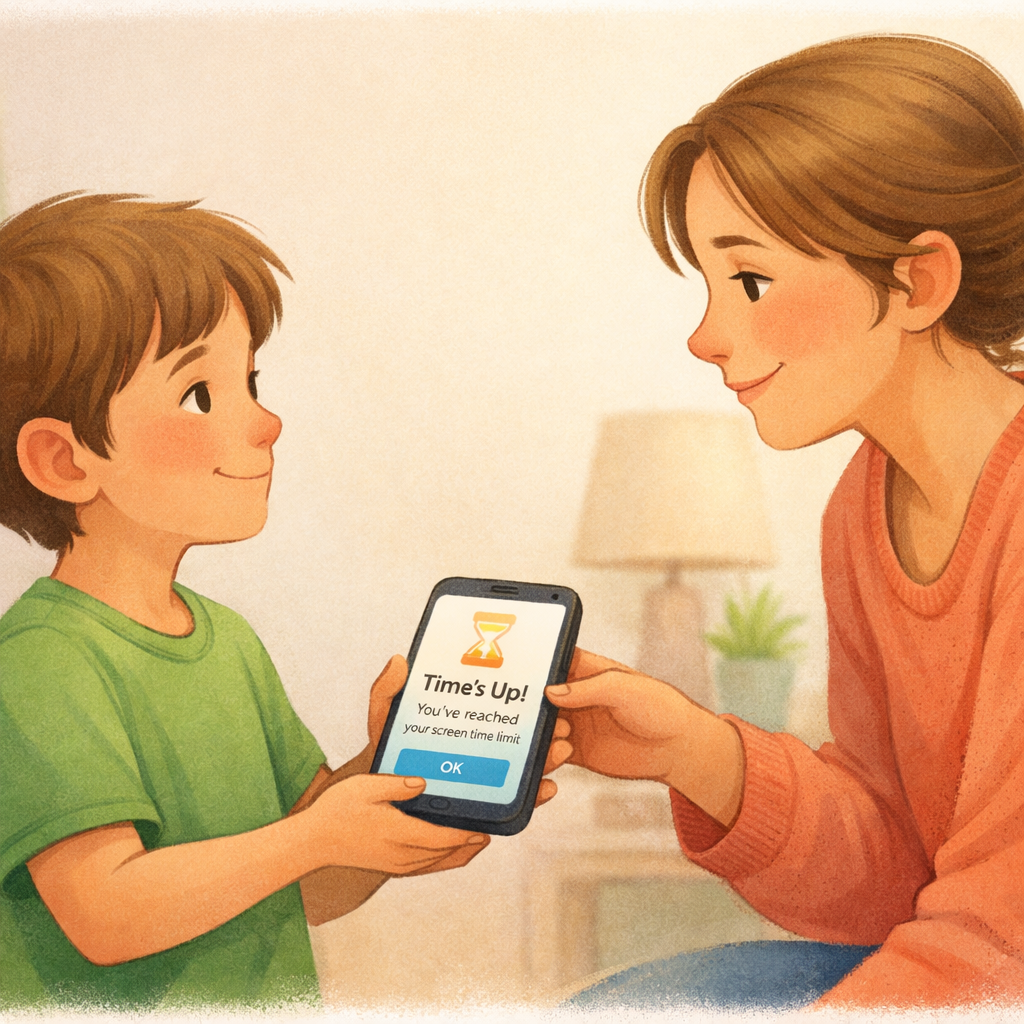
7. Use Timers and Visual Cues
Toddlers respond well to visual and auditory signals. Use:
- Timers to signal the end of screen time
- Countdown warnings (“5 more minutes”)
This helps prepare them for transitions and reduces meltdowns.
8. Avoid Using Screens as a Reward or Punishment
Linking screens to behaviour (e.g., “You can watch TV if you behave”) increases their perceived value. Instead, keep screen time neutral and structured.
Managing Tantrums When Reducing Screen Time
Tantrums are a normal part of behaviour change. When they occur:
- Stay calm and consistent
- Acknowledge feelings (“I know you’re upset”)
- Avoid giving in to demands
Over time, toddlers learn that tantrums do not lead to screen access.
Building a Healthy Daily Routine
A structured daily routine reduces reliance on screens. A balanced toddler schedule might include:
- Morning outdoor play
- Midday quiet activities (books, puzzles)
- Limited screen time (if any)
- Family interaction time
- Consistent bedtime routine
Routine provides security and reduces the need for screen-based entertainment.
Role of Early Childhood Professionals in Australia
In Australia, parents can seek support from:
- Child psychologists
- Occupational therapists
- Early childhood educators
These professionals can provide tailored behaviour therapy strategies, especially if screen use is linked to developmental concerns.
Government resources and parenting programs also offer guidance on managing digital habits in young children.
Long-Term Benefits of Reducing Screen Time
Reducing screen time early leads to lasting positive outcomes:
- Improved communication skills
- Better emotional regulation
- Stronger parent-child relationships
- Increased creativity and imagination
- Healthier sleep patterns
These benefits extend into school years and beyond.
Practical Tips for Busy Australian Families
Balancing work, parenting, and daily responsibilities can be challenging. Here are realistic tips:
- Prepare activity kits in advance
- Rotate toys to maintain interest
- Use outdoor spaces like parks and backyards
- Involve toddlers in simple household tasks
- Plan screen-free family time
Small, consistent changes make a big difference.
Conclusion
Reducing screen time for toddlers may feel challenging at first, but with the right behaviour therapy strategies, it becomes manageable and rewarding. By setting clear boundaries, reinforcing positive behaviours, and providing engaging alternatives, parents can foster healthier habits that support their child’s development.
Consistency, patience, and understanding are key. Every small step you take toward reducing screen time contributes to your toddler’s long-term wellbeing.
Ready to create healthier screen habits for your toddler? Start today by setting simple limits and introducing one new screen-free activity into your child’s routine.
If you need extra support, consider reaching out for a consultation or call daar at 02 9133 2500 for behaviour specialist or parenting program in Australia. Early guidance can make a lasting difference.
Frequently Asked Questions
1. How much screen time is appropriate for toddlers in Australia?
For children aged 2–5, no more than one hour per day is recommended. For children under 2, screen time should be avoided except for video calls.
2. What if my toddler becomes aggressive when screens are removed?
This is common. Stay consistent, acknowledge their emotions, and avoid giving in. Behaviour therapy techniques like redirection and reinforcement will help over time.
4. How long does it take to reduce screen dependency?
It varies, but most toddlers adjust within 2–4 weeks with consistent routines and reinforcement strategies.
.svg)




.svg)