
.png?width=48&height=48&name=Group%201%20(3).png)























3 December, 2025

Introduction
Embarking on the journey of toilet training is an exciting time for both you and your toddler. This process marks an important developmental milestone, signaling your child’s growing independence. While potty training can feel like a big step, it doesn't have to be stressful. With the right approach, patience, and understanding, you can guide your child through this transition smoothly. Are you ready to learn some essential tips for a positive and successful experience?
Key Highlights
-
Successful toilet training starts with recognizing the signs of readiness in your child, which often appear between 18 months and 3 years. For children with autism, specific strategies can make toilet training more effective, such as using visual schedules, providing clear and consistent routines, and introducing rewards for progress. Patience is crucial; it's best to potty train when your family life is calm and free of major changes.
-
Patience is crucial; it's best to potty train when your family life is calm and free of major changes.
-
Create a supportive environment by choosing the right equipment and using praise and encouragement. Accidents are a normal part of the process, so react calmly and positively to avoid creating anxiety. For families seeking resources or support for toilet training children with special needs, consider reaching out to local early intervention services, pediatric occupational therapists, or organizations such as the Autism Society or The Arc. These sources can offer tailored advice, helpful materials, and professional guidance to help maintain a supportive environment throughout the toilet training journey.
-
Accidents are a normal part of the process, so react calmly and positively to avoid creating anxiety.
-
A reward chart can be a great motivator for your child as they learn this new skill.
Understanding Toilet Training and Its Importance
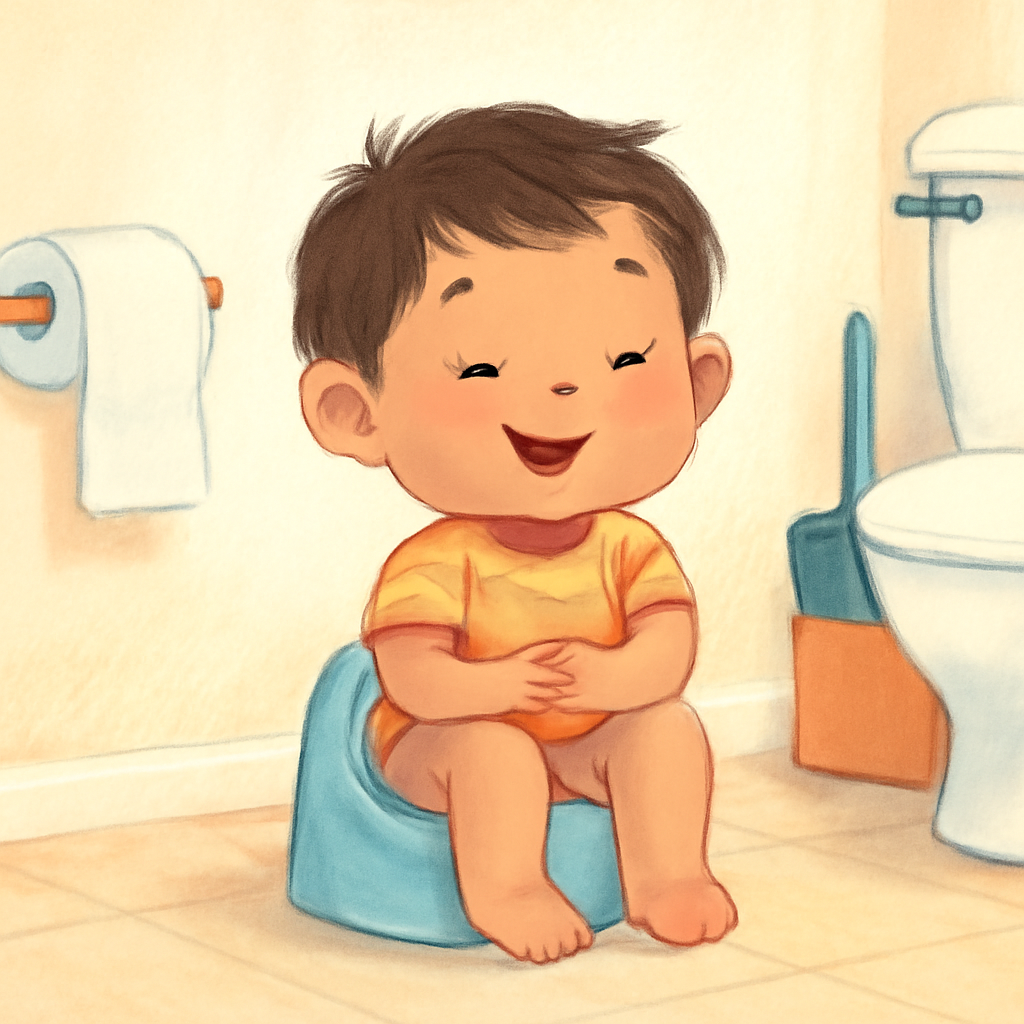
Toilet training is more than just ditching diapers; it's about teaching your child a new and important skill that builds confidence and self-awareness. It involves helping them recognize their body's signals and respond by using the potty or toilet. Recognizing potty training readiness is the first step toward success.
There isn't a single "best" age to start, as children develop at their own pace. Most toddlers show they are ready between 18 months and three years of age. A positive behavioural support approach and a clear behaviour support plan can make all the difference. Let's look closer at why this skill matters and the best ways to approach it.
Why Developing Toileting Skills Matters
Learning to use the toilet is one of the first major self-care skills your child will master. This achievement boosts their confidence and sense of independence, giving them a feeling of control over their own body. As they learn these new skills, it positively impacts their overall quality of life and prepares them for new social environments like preschool.
Mastering toileting can also prevent discomfort and potential health issues. For children who struggle, it can be a source of stress and anxiety. Successfully navigating this stage helps them feel accomplished and ready to tackle other challenges.
It's a gradual process that can take a few weeks or several months. Some children might even take a couple of years of age to stay dry through the night. The key is to see it as a journey, not a race, that contributes significantly to their personal development over long periods of time.
Overview of Effective Approaches to Toilet Training
When it comes to starting toilet training, there are several effective methods you can use. The best approach depends on your child's personality and your family's routine. The goal is to make the process feel positive and encouraging, not like a chore or a test.
A great way to begin is by making the potty or toilet a familiar part of your child's daily life. You can talk about it, read books, and let them see family members using the bathroom. When you decide to potty train, consistency is key.
Here are some popular strategies to consider:
-
Scheduled Training: Take your child to the potty at regular times, like after meals or before naps.
-
Child-Led Approach: Wait for your child to show strong interest and let them take the lead.
-
3-Day Method: An intensive approach where you focus solely on toilet training for a few days, often with the child being bare-bottomed at home.
-
Using Simple Instructions: Break down the process into easy-to-follow steps, like "pull down your pants, sit on the potty, and then we wash our hands."
Recognizing Readiness for Toilet Training in Your Child
Knowing when to start is half the battle. Pushing your child before they're ready can lead to frustration for everyone. Instead, look for clear signs of readiness. These cues show that your child has the physical and cognitive maturity to understand and participate in the process. Paying attention to these signals will help you choose the right time to begin.
You'll notice changes like your child staying dry for longer or showing curiosity about the toilet. A dry diaper after a nap can be a big indicator of potty training readiness. Now, let’s explore the specific signs that mean your child may be ready and how to assess their developmental progress.
Common Signs That Indicate Readiness
Recognizing the signs of potty training readiness is crucial for a successful transition from diapers to toilet use. Key indicators include your child's ability to stay dry for longer periods, such as during naps or playtime, suggesting control over bladder function. Demonstrating interest in bathroom habits, either through imitation of family members or curiosity about the toilet, is another vital sign.
In addition, verbal communication indicating the need to go, along with a preference for wearing underwear rather than diapers, reflects growing independence. Behavioural changes, including discomfort with dirty diapers or turning away from them, signify readiness. Lastly, developmental milestones like being able to follow simple instructions can further indicate your child's preparedness for this essential skill.
Assessing Individual Developmental Milestones
Toilet training isn't just about age; it's a major developmental milestone that relies on your child's unique progress. Each child develops differently, but there is a general trend that indicates readiness. Understanding where your child is in their physical, cognitive, and emotional development can help you decide if now is the right moment.
For example, can your child walk to the bathroom and sit on the potty by themselves? Can they communicate their needs to you? These milestones are crucial for a smoother training experience. If you have any concerns, a child health nurse can offer valuable guidance.
Here’s a breakdown of key developmental areas related to toilet training: | Milestone Category | Examples of Readiness | Physical | Can walk and sit for a couple of minutes; stays dry for longer periods. | | Cognitive | Can follow simple instructions; understands words like "wee" and "poo". | | Emotional | Shows interest in being independent; expresses a dislike for dirty diapers. |
Preparing for Successful Toilet Training
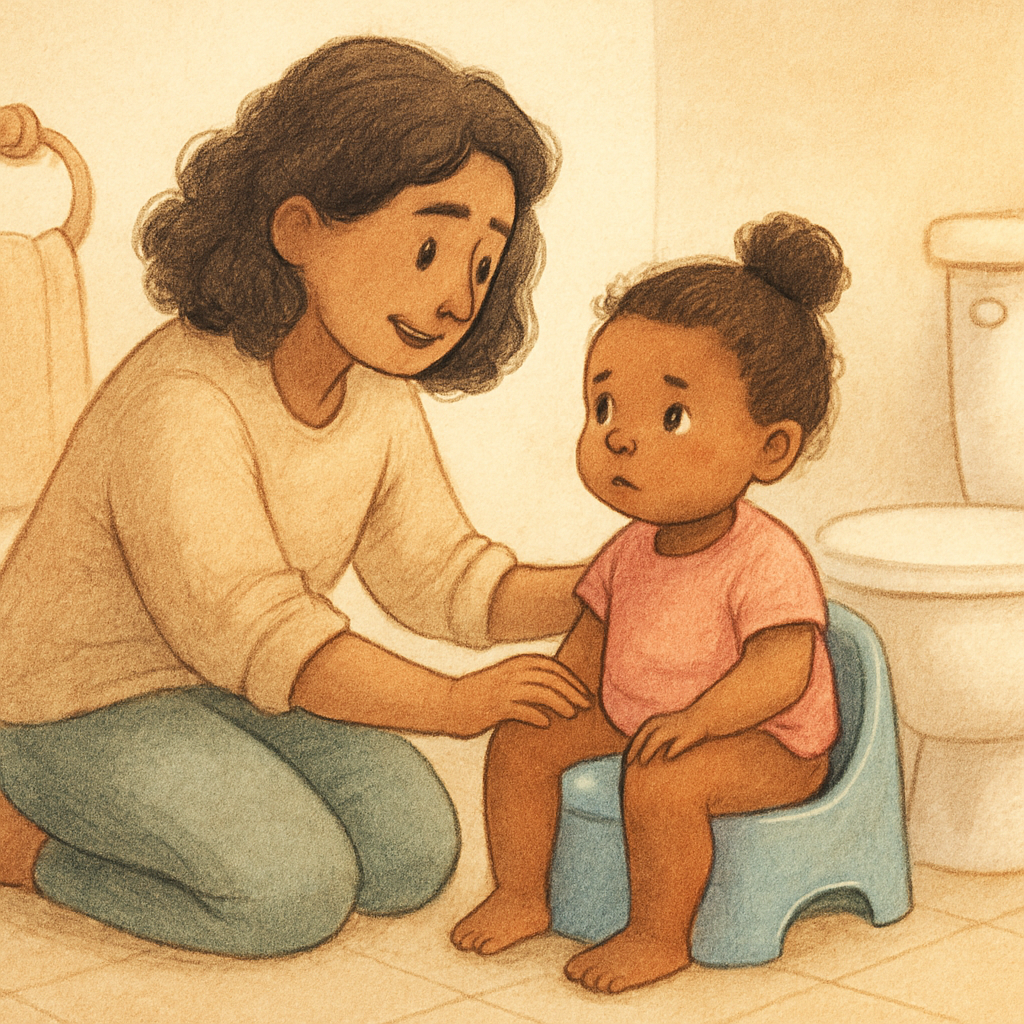
Once you've spotted the signs of readiness, it's time to prepare. Creating a supportive environment is essential for a positive experience. This involves getting the right equipment and making the bathroom a friendly, accessible space. The goal is to set your child up for success from the very beginning.
Whether you're potty training boys or potty training girls, having a potty chair or a special seat for the toilet can make them feel more secure. Let’s look at how to choose the best equipment and create the ideal setting for this new adventure.
Choosing the Right Equipment: Potty vs. Toilet
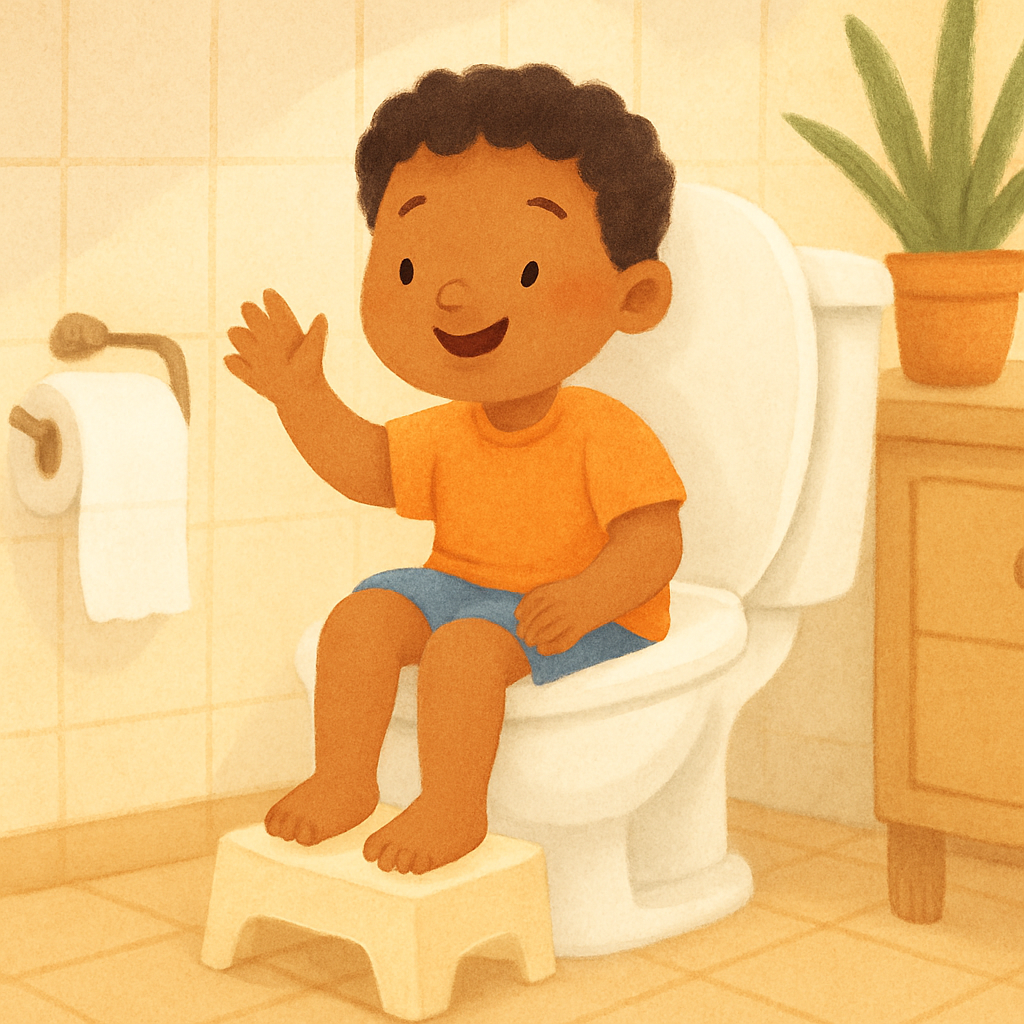
Selecting the appropriate equipment plays a crucial role in successful toilet training. Potty chairs can provide a sense of security for young children, especially those who experience sensory sensitivities. They are typically lower to the ground, allowing for freedom of movement while fostering comfort during training. In contrast, using an adult toilet with a potty seat attachment can ease the transition to regular bathroom use. This option may help with consistency and is often preferred as children age.
Consider factors such as your child's confidence, size, and developmental milestones. Incorporating positive behavioural support, like a reward chart, can encourage your child’s engagement with either option. Ultimately, the chosen equipment should resonate with your child, aiding their journey toward independence in toilet training.
Setting Up a Supportive Environment
A positive and encouraging atmosphere is key to successful toilet training. When your child feels supported by all family members, they are more likely to embrace this new challenge with confidence. Explain to everyone involved, including an older sibling, that patience and praise are the best tools.
Make practical changes to help your child succeed. Dress them in clothes that are easy to pull down, such as pants with elastic waistbands. In warmer weather, you might let them run around at home in just underwear to help them recognize the feeling of needing to go more quickly.
Keep the potty accessible and make the bathroom a welcoming place. You could add fun soaps for handwashing or read a book while they sit on the potty. The goal of a supportive environment is to reduce pressure and make the experience a positive one for everyone.
Methods and Strategies for Effective Toilet Training
With your environment ready, it's time to think about the specific methods you'll use. Effective potty training often involves a mix of practical strategies and positive reinforcement. Using a positive behavioural support approach can help motivate your child and minimize stress.
For some children, a structured behaviour support plan created with behaviour support practitioners can be beneficial, especially if challenges arise. The right strategy will feel natural for your family and encourage your child every step of the way. Let's explore some popular techniques and how to incorporate positive support into your routine.
Step-By-Step Approaches and Popular Techniques
A structured approach to toileting training can significantly enhance a child's learning experience. Starting with simple instructions, engage your child in the process by using a combination of verbal prompts and visual aids, such as a reward chart to celebrate their successes. Establish a routine that includes regular intervals for bathroom visits, making use of techniques like positive behaviour support to encourage progress and minimize anxiety around accidents.
Incorporating sensory sensitivities is crucial, providing your child with equipment that assures comfort, such as a potty chair or a big toilet seat. Gradually transitioning from training pants to underwear can also signify important developmental milestones. Utilization of peer modeling and involving family members, like an older sibling, can create a supportive environment that fosters independence while alleviating the stress of mastering this essential skill.
Integrating Positive Behaviour Support in the Training Process
Implementing positive behaviour support within the toileting training process can significantly enhance a child's learning experience. A behaviour support plan focused on encouragement and positive reinforcement not only motivates children to engage in successful toilet training but also helps create a supportive environment where they feel safe to make mistakes. This includes simple instructions and immediate praise when they exhibit the signs of readiness, fostering a sense of accomplishment.
Collaboration with behaviour support practitioners can refine techniques specific to your child's unique needs. Incorporate reward systems, such as a reward chart, to celebrate achievements. By focusing on positive behavioural techniques, such as freedom of movement and sensory sensitivities, caregivers can better address behaviours of concern, thereby improving the overall quality of life during this important developmental milestone.
Conclusion
Achieving successful toilet training is a significant developmental achievement that fosters independence in children. Families can smooth the shift from diapers to toilet use by identifying readiness signals and implementing effective potty-training methods. When children are supported with positive behaviours and surrounded by a caring atmosphere, they often experience fewer mishaps and build self-assurance. Embracing this milestone not only nurtures a child's autonomy but also contributes to improvements in their overall well-being.
If you need assistance, book your consultation now or call daar at 02 9133 2500!
Frequently Asked Questions
What if my child refuses or resists toilet training?
If your child resists, it's best not to force them. This can lead to behaviours of concern. Take a break for a few weeks and then try again. Resistance could be due to many things, including sensory sensitivities or fear. In case of accidents with bowel movements, remain calm.
What age is appropriate to start toilet training my child?
There is no "right" age for toilet training. Most children are ready between 18 months and 3 years of age. The American Academy of Pediatrics suggests looking for signs of readiness rather than focusing on a specific number of months of age. Big life changes, like a new sibling, can delay readiness.
What are some common challenges parents face during toilet training?
Common challenges include accidents, resistance to sitting on the potty, and fear of flushing. Managing a dirty diaper calmly and creating a supportive environment are key. It can also be tricky to stay consistent with using training pants, especially at a specific time of day like outings or naptime during the actual potty training.
.svg)




.svg)