
.png?width=48&height=48&name=Group%201%20(3).png)























27 April, 2026

Enhancing Skills with Early Childhood Behaviour Support NDIS

Key Highlights
- NDIS behaviour support aims to understand why a child behaves a certain way to improve their quality of life.
- Qualified behaviour support practitioners create personalized plans to meet a child's unique needs with respect.
- Positive behaviour support strategies focus on teaching new skills and adapting environments at home and school.
- The process emphasizes reducing restrictive practices to protect the rights and well-being of NDIS participants.
- Collaboration between families, practitioners, and other support networks is key to successful outcomes for children.
- Funding for these services is available through the NDIS under specific support categories like Improved Relationships.
Introduction
Navigating early childhood can have its challenges, especially when a child displays behaviours that are difficult to understand. NDIS behaviour support offers a helping hand by focusing on positive behaviour to improve a child's overall quality of life. This approach is about more than just managing actions; it's about discovering the reasons behind them. By understanding these reasons, a tailored support plan can be created, providing useful and personalized strategies for families and educators to help children thrive in their daily environments.
Types of NDIS Behaviour Support Services for Early Childhood
The NDIS offers specialized behaviour support services designed to meet the unique support needs of young children. These services are centered around a positive, evidence-based approach that seeks to understand the underlying reasons for a child's behaviour rather than just addressing the symptoms. The goal is to improve their quality of life and participation in daily activities.
These therapy services are delivered by qualified practitioners who work with the child, their family, and other support networks. NDIS behaviour support can include creating structured plans, teaching new skills, and modifying environments to better suit the child’s needs during the critical early childhood years.
Positive Behaviour Support Plans and Their Role
Positive behaviour support plans are central to the NDIS early intervention approach. These plans go beyond managing challenging behaviours—they focus on understanding each person and improving quality of life. The NDIS funds these plans for children, including those under nine, often through the “Improved Relationships” category.
Developing a support plan is a collaborative process. Practitioners work with the child and family to create a detailed, person-centered plan that respects individual dignity.
Key elements include:
- Teaching new skills for effective communication
- Modifying environments to reduce triggers
- Providing clear guidance for consistent support
- Reducing or eliminating restrictive practices
Autism and Other Developmental Disabilities in Early Childhood
Children with autism and other developmental disabilities often perceive the world differently, leading to challenging behaviours. NDIS behaviour support is especially helpful for children under seven, focusing on their unique sensory and communication needs rather than just the behaviours.
Early childhood intervention is crucial. A well-structured NDIS plan provides funding for specialized support. For children with autism, behaviour support strategies may improve emotional regulation, social interaction, and communication, creating a predictable and supportive environment for growth.
By using early intervention strategies, practitioners help children develop new skills and healthier ways to express themselves. This proactive approach benefits both the child and their family by providing tools and confidence to support development.
Creating an Effective Early Childhood Behaviour Support Plan
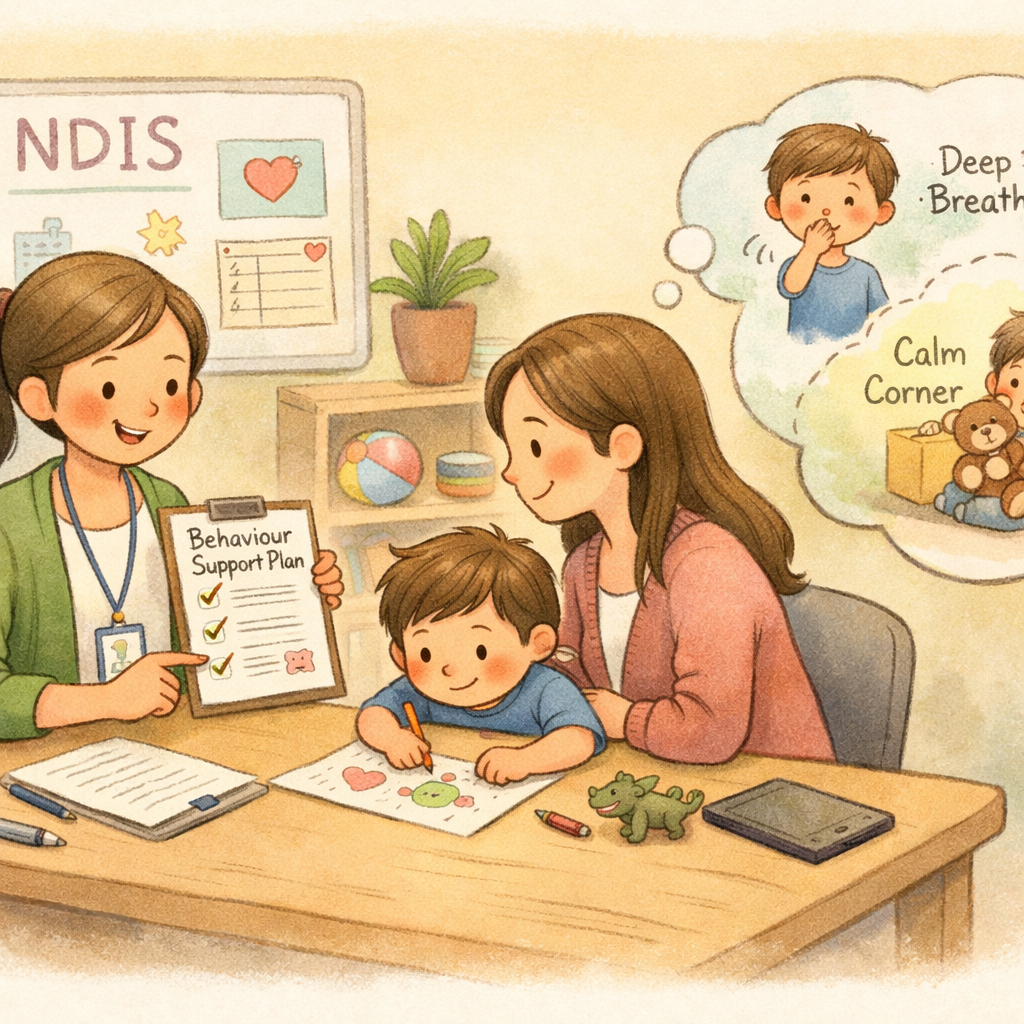
An effective early childhood behaviour support plan is a roadmap designed to foster positive behaviour and enhance a child's quality of life. It’s created by a qualified behaviour support practitioner who takes the time to understand the child's strengths, challenges, and the reasons behind their actions. This process is deeply collaborative, involving the child, their family, and their wider support network.
The final support plan provides clear, practical, and evidence-based strategies that everyone can use consistently. The goal is to create a supportive environment where the child feels understood and can learn new ways to communicate and interact, helping them thrive during their early childhood years.
Steps for Developing a Personalized Plan
Developing a personalized support plan is a systematic process that ensures the strategies are tailored to the individual child. The first step involves a comprehensive assessment by a behaviour practitioner to understand the child's unique support needs and the function of their behaviour. This is a key part of early childhood intervention.
Following the assessment, the practitioner collaborates with the family and support network to develop specific, achievable goals. This teamwork ensures that the behaviour support strategies are practical for everyday life and that everyone is aligned in their approach. The plan focuses on teaching new skills rather than simply trying to stop a behaviour.
The development process typically includes:
- A functional behaviour assessment to identify triggers and purposes of behaviours.
- Setting person-centered goals with the child and their family.
- Developing evidence-based strategies to teach new skills and modify the environment.
- Outlining how to respond consistently and safely to behaviours of concern.
Collaborating with Behaviour Support Professionals
Working closely with a behaviour support professional is essential for achieving positive outcomes. These professionals, often called behaviour support practitioners, are registered with the NDIS and have specialized training to deliver effective support services. They lead the development and implementation of the behaviour support plan.
Your behaviour support practitioner will become a key member of the child's support team. They work alongside you, your child's teachers, and other therapists like speech pathologists or occupational therapists, to ensure a coordinated approach. This collaboration is vital for building the child’s communication skills and ensuring everyone uses the same strategies consistently.
Open and regular communication with your behaviour support professional ensures the plan remains relevant and effective. They provide guidance, training, and support to the entire team, empowering everyone to help the child succeed. This partnership fosters a supportive environment where the child can develop and thrive.
Accessing NDIS Early Childhood Behaviour Support in Australia
Accessing NDIS behaviour support for your child begins with becoming a participant in the National Disability Insurance Scheme (NDIS). This government-funded disability insurance scheme provides NDIS funding for essential support services to eligible Australians with permanent and significant disabilities.
Once your child is an NDIS participant, you can discuss their need for behaviour support during the planning meeting. If approved, funding for these support services will be included in your child's NDIS plan, typically under a category like "Improved Relationships," allowing you to engage a registered provider for early childhood support.
Eligibility and Application Process for Families
To access NDIS support, a family must first determine if their child meets the eligibility criteria. The NDIS is for Australian citizens or permanent residents under the age of 65 who have a permanent and significant disability. For children under nine, the NDIS often works through an early childhood partner who can guide families through the process.
The application starts by completing an Access Request Form. This form requires information about the child's disability and how it impacts their daily life. You'll need to provide evidence from doctors or other health professionals to support your request.
Once a child becomes an NDIS participant, a planning meeting is scheduled to create their first NDIS plan. This is where you can discuss the need for behaviour support.
|
Step |
Action Required |
Key Detail |
|---|---|---|
|
1. Check Eligibility |
Review NDIS criteria for age, residency, and disability. |
For children under 9, you'll likely work with an early childhood partner. |
|
2. Complete Access Request Form |
Fill out the form and gather supporting documents from specialists. |
This is the formal application to join the NDIS. |
|
3. Await Decision |
The NDIA will assess the application. |
If approved, you become an NDIS participant. |
|
4. Create NDIS Plan |
Attend a planning meeting to discuss goals and required supports. |
This is where you request funding for behaviour support. |
Navigating NDIS Funding and Support Options
Once your child's NDIS plan is approved with the right NDIS funding, it's time to explore your support options. Funding for positive behaviour support plans and related therapy services is typically included in the "Improved Relationships" or "Capacity Building" budgets of an NDIS plan. Yes, these plans are funded for children under nine.
Understanding your plan is the first step. You can choose how the funds are managed—by the agency, by a plan manager, or by self-managing. This choice affects how you select and pay for support services. You can then start contacting registered NDIS providers that offer behaviour support.
Building a strong support network is crucial. This network includes your chosen providers, your early childhood partner, and other members of your community. To make the most of your funding, it helps to:
- Research and interview several registered providers.
- Understand the different types of support services available.
- Involve your family and existing support network in decisions.
- Ask providers how they will work with your child's other therapists.
Regulating Restrictive Practices in NDIS Behaviour Support
The NDIS Commission has clear regulations around the use of any restrictive practice in behaviour support. A restrictive practice is any action that limits a person's rights or freedom of movement. The Commission's role is to protect the rights of people with disability and ensure these practices are reduced and, over time, eliminated.
All providers must follow strict rules if a restrictive practice is considered. Any use must be reported, authorized, and included in a behaviour support plan that has a clear goal of phasing it out. These regulations are in place to ensure support is safe, respectful, and focused on improving a person's quality of life.
What Are Restrictive Practices and NDIS Regulations
A restrictive practice limits a person's freedom of movement and is sometimes used as a last resort to manage behaviours that pose a risk of harm. However, these practices do not address the underlying causes and can worsen the situation.
The NDIS Commission regulates five types of restrictive practices: seclusion, chemical restraint, mechanical restraint, physical restraint, and environmental restraint. These rules protect the rights and safety of NDIS participants.
Under NDIS guidelines, any use of restrictive practices must be authorized and included in a behaviour support plan. The plan must justify the practice, ensure it is the least restrictive option, and outline steps to reduce and eliminate its use over time. The NDIS Commission monitors these practices to safeguard participants.
Safeguards for Young Children and Family Guidance
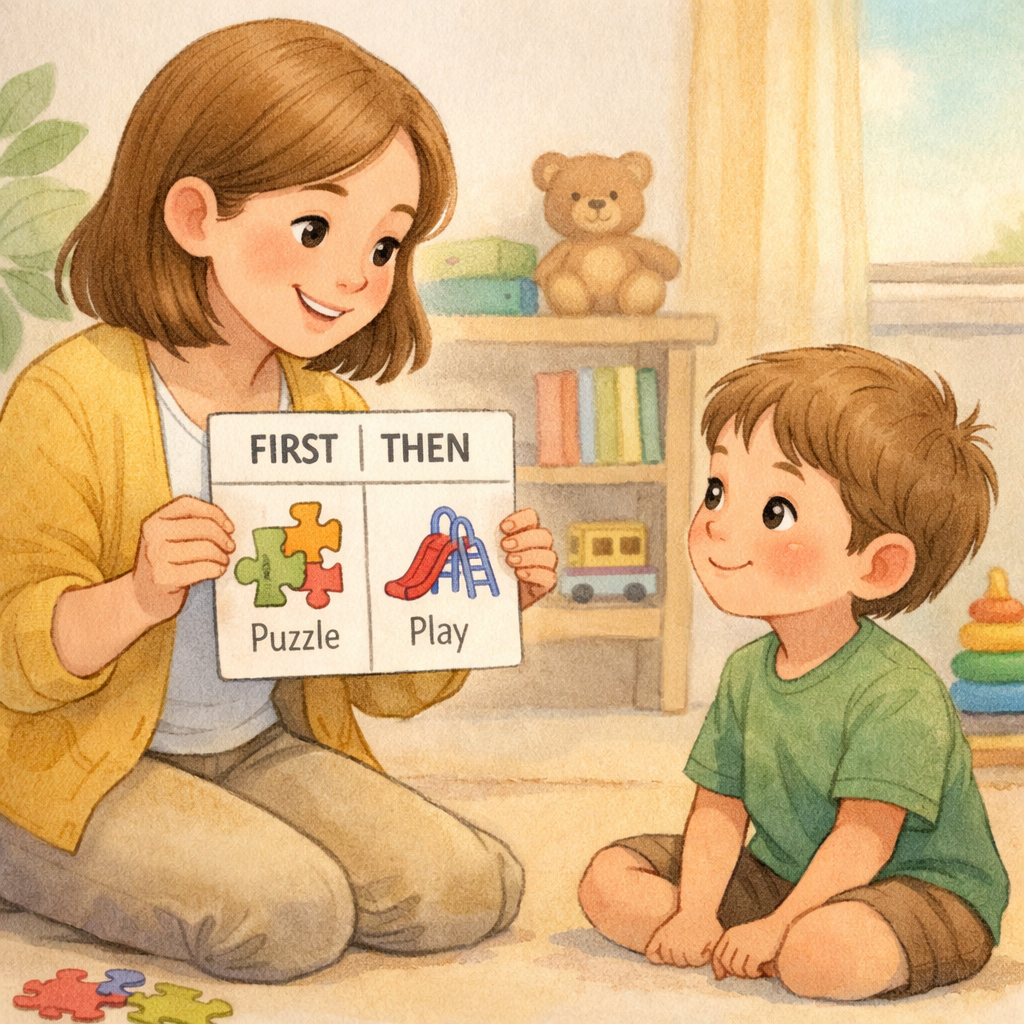
The NDIS has strong safeguards to protect young people, especially around behaviour support. The main guideline, the Positive Behaviour Support Capability Framework, ensures practitioners are qualified and use positive, rights-based methods. Family guidance is central to this process.
A key safeguard is the behaviour support plan, which must be created by a qualified practitioner and focus on proactive, non-restrictive strategies. If a restrictive practice is considered, it’s only as a last resort and subject to strict approval and reporting rules—with a clear plan to reduce its use.
Families and support workers receive guidance on their rights and what to expect. Key safeguards include:
- Requirement for registered providers and qualified practitioners
- Strict regulation and monitoring of any restrictive practices by the NDIS Commission
- Person-centered plans that promote skill development
- Clear complaint pathways if families are dissatisfied with support
Conclusion
In summary, enhancing skills with early childhood behaviour support through the NDIS can significantly benefit both children and families. By utilizing tailored behaviour support plans and collaborating with professionals, parents can foster an environment where their children thrive despite challenges such as autism and other developmental disabilities. Understanding how to access these services and navigate the funding options is crucial for families seeking support. Remember, every child's journey is unique, and with the right resources and strategies in place, positive outcomes can be achieved.
If you’re interested in learning more about how early childhood behaviour support can transform your child's development, reach out for consultation or call daar at 02 9133 2500 for guidance and assistance.
Frequently Asked Questions
How does early childhood behaviour support through NDIS help children thrive?
NDIS early childhood behaviour support helps children thrive by focusing on early intervention. It uses positive behaviour strategies to understand a child's needs, improve their communication, and enhance their overall quality of life. This support creates a foundation for better learning, social interaction, and long-term well-being.
Who delivers NDIS behaviour support services for young children?
NDIS behaviour support services for early childhood are delivered by qualified behaviour support practitioners. These professionals work for registered NDIS providers and collaborate with the child's family and support team to develop and implement effective strategies, ensuring a consistent and supportive approach.
Are positive behaviour support plans funded by NDIS for children under nine?
Yes, positive behaviour support plans are funded by the NDIS for children under nine. This NDIS funding is typically included in the "Improved Relationships" or "Capacity Building" categories of a child's support plan, enabling access to specialized behaviour support during their crucial early childhood years.
.svg)




.svg)