
.png?width=48&height=48&name=Group%201%20(3).png)























9 March, 2026

Cortisol Stress Hormone: Effects on Body and Mind Explained
Key Highlights
Here's a quick look at what we'll cover about the stress hormone cortisol:
- Cortisol is a vital hormone your adrenal glands produce, often called the "stress hormone" because its levels rise during stressful times.
- It plays several essential roles, including regulating your sleep-wake cycle and controlling blood pressure.
- Chronic stress can lead to consistently high cortisol levels, which may cause health issues.
- The effects of cortisol imbalance can range from weight gain to a weakened immune system.
- Understanding and managing your cortisol levels is key to maintaining overall health.
Introduction
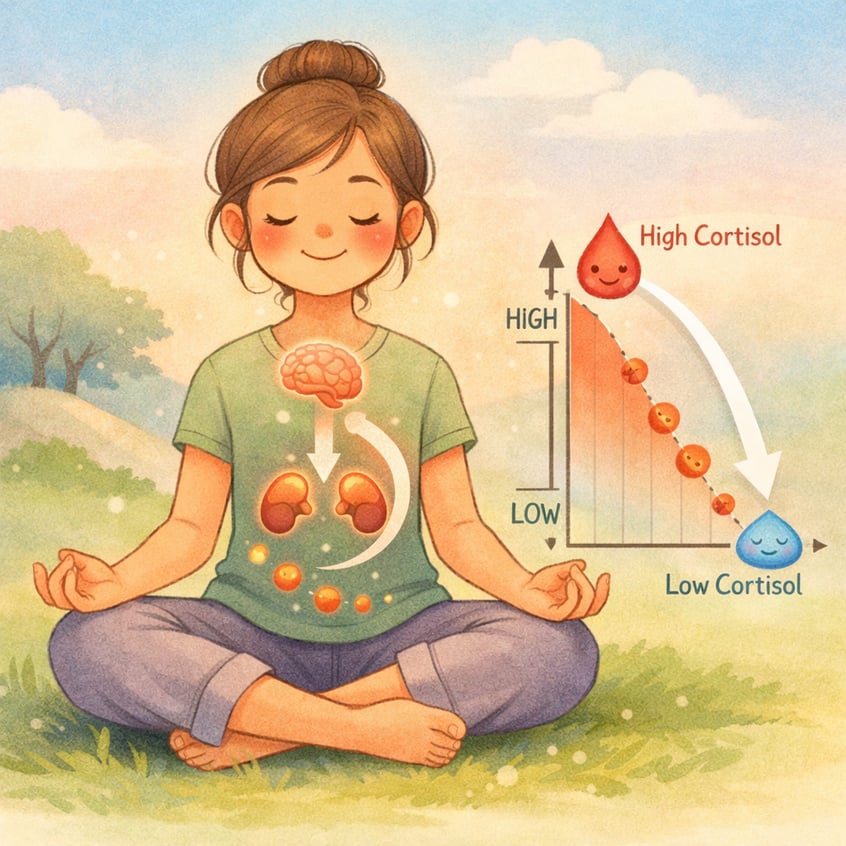
You've probably heard of cortisol, often called the body's primary stress hormone. But what exactly is it, and why does it matter? Cortisol is a crucial hormone produced by your adrenal glands, which are located right on top of your kidneys. Regulated by the pituitary gland, its main job is to help your body respond to stress. Understanding how this powerful hormone works is the first step toward effective stress management and better overall health. Let's explore the role of cortisol in your body.
The Functions and Importance of Cortisol
Beyond its reputation as a stress signal, cortisol is a steroid hormone with many important functions that affect nearly every organ and tissue. Your adrenal glands handle cortisol production, ensuring your body has what it needs for daily operations, from metabolism to regulating inflammation and even assisting in growth processes.
Maintaining the right balance of this hormone is essential for your health. While its role in the "fight or flight" response is well-known, its other duties are just as critical for your well-being. Now, let's look closer at some of its key functions and how it helps you manage stressful situations.
Key Functions of Cortisol in Daily Health
Cortisol does more than manage stress—it’s essential for your body’s daily functions. This hormone helps maintain balance by regulating key processes like metabolism, immune response, and energy use.
Cortisol’s main roles include:
- Metabolism: Releases glucose from the liver for quick energy.
- Inflammation control: Reduces inflammation to support healing.
- Blood pressure: Helps regulate heart rate and blood pressure.
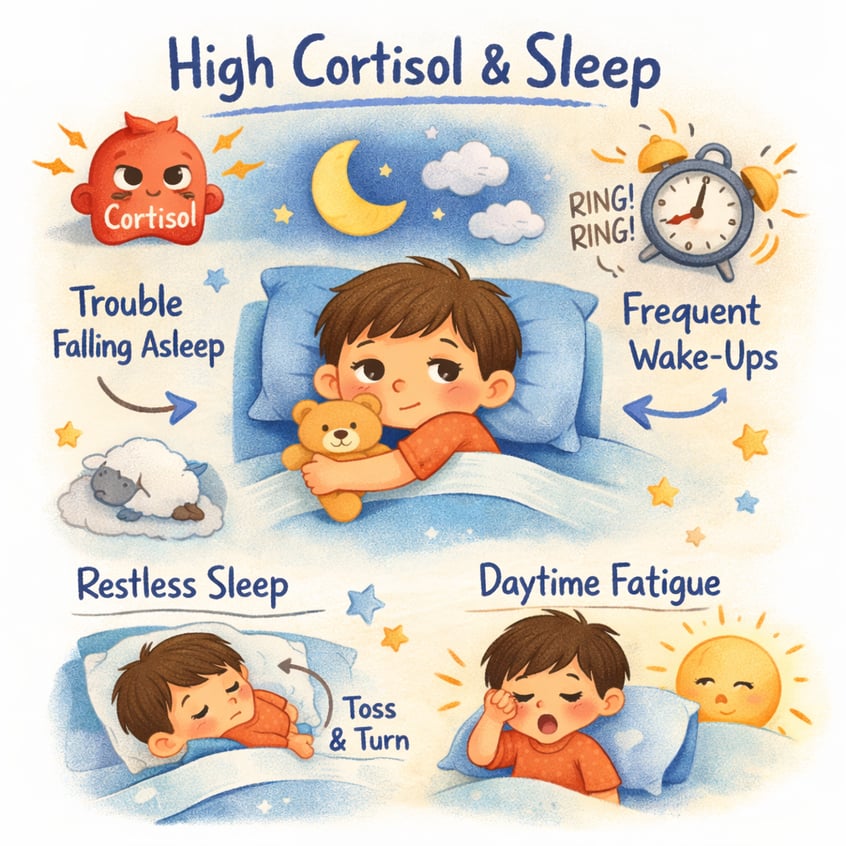
- Sleep-wake cycle: Peaks in the morning to wake you up, drops at night.
- Blood sugar management: Influences how your body uses glucose for energy.
How Cortisol Helps the Body Respond to Stress
When you perceive a threat, your body triggers a stress response involving cortisol, known as the "stress hormone." The hypothalamus and pituitary gland signal your adrenal glands to release hormones like adrenaline and then cortisol, keeping you alert. Cortisol prompts your liver to release glucose for quick energy to confront or escape danger.
This system is meant for short-term stress. If the stress persists, hormone levels stay elevated, which can lead to health issues over time.
Effects of High or Low Cortisol Levels
Having the right levels of cortisol is crucial for your health. When your body produces too much or too little, it can lead to a variety of health problems. Chronic stress is a primary culprit for elevated cortisol, but conditions like Cushing syndrome, or taking high doses of corticosteroid medications, can also cause high levels. This can result in issues like high blood pressure.
On the other hand, having too little cortisol can also be harmful, causing symptoms like fatigue and low blood pressure. Both high and low levels disrupt your body's natural balance. Let's examine the specific symptoms and risks associated with each.
Symptoms and Health Risks Linked to High Cortisol
Prolonged high cortisol can cause Cushing syndrome and various symptoms. You may gain weight, especially around your face and abdomen, and develop wide, purple stretch marks. High cortisol also weakens your immune system, increasing infection risk. Emotionally, it can lead to anxiety, irritability, or depression. Addressing high cortisol is crucial for both physical and mental health.
Common symptoms of excess cortisol:
|
Physical Symptoms |
Emotional & Cognitive Symptoms |
|---|---|
|
High blood pressure |
Anxiety, depression |
|
Muscle weakness |
Trouble concentrating |
|
Weak bones (osteoporosis) |
Mood swings |
|
Excessive hair growth (women) |
Lower sex drive |
Symptoms and Effects of Low Cortisol
Low cortisol levels can also harm your health, a condition called adrenal insufficiency. The most common cause is Addison’s disease, where the immune system attacks the adrenal glands. A pituitary tumor can also reduce hormone production.
Symptoms usually develop gradually and include constant fatigue, poor appetite, and unintentional weight loss—signs of adrenal dysfunction.
Key symptoms of low cortisol:
- Constant fatigue
- Muscle weakness
- Low blood pressure
- Loss of appetite
Measuring, Managing, and Balancing Cortisol
If you have symptoms that suggest a cortisol imbalance, your doctor can help. They can measure the amount of cortisol in your body through simple tests, such as a blood test, saliva test, or urine test. Since levels fluctuate throughout the day, they might take several measurements to get an accurate picture of your cortisol production.
Ensuring you have enough cortisol without having too much is all about balance. While medical treatment is necessary for conditions like Cushing syndrome, you can also take steps in your daily life to support healthy levels through stress management.
Natural Ways to Maintain Healthy Cortisol Levels
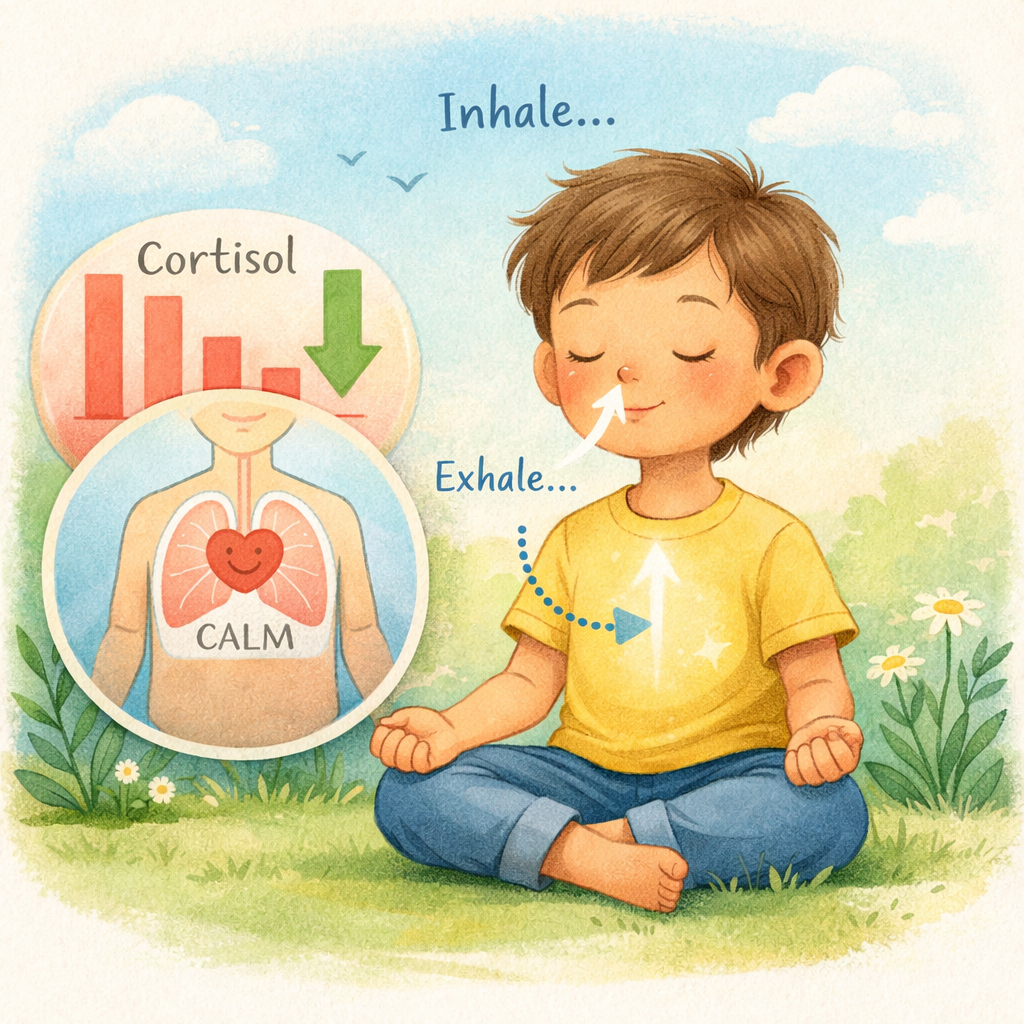
You can influence your cortisol levels with simple lifestyle choices. Managing stress is key to keeping this hormone in check. Relaxation techniques, like deep breathing, activate your “rest and digest” system and lower cortisol. Laughter and enjoyable hobbies also boost well-being and reduce stress hormones.
To maintain healthy cortisol levels:
- Get enough sleep: Aim for 7–8 hours nightly.
- Eat a balanced diet: Prioritize fruits, vegetables, whole grains, and consider omega-3 and vitamin D supplements.
- Exercise regularly: Movement reduces stress and improves sleep.
- Practice deep breathing: Helps lower heart rate and cortisol.
- Build strong relationships: Social connections buffer against stress.
Conclusion
In summary, understanding cortisol and its effects is key to good health. Imbalanced levels can cause various symptoms and risks, making balance essential. Natural strategies like regular exercise, a healthy diet, and stress management can help maintain healthy cortisol levels and support your well-being.
Take control of your health—contact our experts for a consultation or call daar at 02 9133 2500 today!
Frequently Asked Questions
What are the physical effects of elevated cortisol levels on the body?
Elevated or high cortisol can lead to several physical issues. You might experience weight gain, especially in your face and abdomen. It can also negatively affect your heart health by causing high blood pressure and disrupting your blood sugar levels, potentially leading to Type 2 diabetes over time.
How does cortisol affect mental health and cognitive function?
Cortisol significantly impacts mental health. Chronic stress and high levels of the hormone can lead to cognitive symptoms like difficulty concentrating and forgetfulness. It can also affect your nervous system, contributing to anxiety, depression, mood swings, and general irritability, making it harder to cope with daily pressures.
What are some effective strategies for managing cortisol levels and reducing stress?
You can manage your cortisol levels through several healthy ways. Prioritizing stress management techniques is key. Getting regular physical activity, ensuring you get enough sleep, practicing relaxation exercises like deep breathing, and eating a balanced diet are all effective strategies for keeping your cortisol in a healthy range.
.svg)




.svg)