
.png?width=48&height=48&name=Group%201%20(3).png)
























7 April, 2026

Early Symptoms of ADHD: A Parent's Guide
Key Highlights
As a parent, understanding the early symptoms of ADHD is the first step toward getting your child the right support. This guide covers the essential information you need to know about attention deficit hyperactivity disorder and its impact on brain development. Here are the key takeaways:
- The main signs of ADHD fall into two categories: symptoms of inattention and hyperactivity/impulsivity.
- Early symptoms of ADHD can sometimes be noticed in children as young as three years old.
- ADHD symptoms present differently in boys and girls, with boys often showing more hyperactivity.
- Impulsive behaviors and struggles with focus at home or school can be indicators.
- A professional evaluation is necessary to distinguish ADHD from normal childhood behavior and other conditions.
- Early diagnosis and treatment can significantly improve a child's quality of life.
Introduction
Welcome, parents. If you're wondering whether your child's behavior is a normal part of growing up or a sign of something more, you're in the right place. Attention deficit hyperactivity disorder (ADHD) is a common mental health disorder that affects brain development and how a child regulates their thoughts and actions. While the exact cause of ADHD is still being researched, understanding the early ADHD symptoms can empower you to seek the right support for your child's mental health and well-being.
The Earliest Signs Parents May Notice
Distinguishing typical toddler energy from early signs of ADHD can be difficult. However, symptoms may appear as early as age three and usually show up as consistent patterns—not just occasional bursts of activity or distraction. ADHD involves differences in brain development that affect focus, activity levels, and self-control.
You might notice persistent issues with attention, like trouble listening, or impulsive behavior, such as acting without thinking. Hyperactivity may show up as an inability to sit still even briefly. While diagnosing ADHD is a thorough process, recognizing these ongoing behaviors is the first step. Next, we’ll cover the specific inattentive, hyperactive, and impulsive signs to watch for.
Inattentive Behaviors to Watch For
Inattention is a key aspect of ADHD. Children with predominantly inattentive ADHD often struggle to focus, stay organized, and complete tasks. These symptoms can be subtle and harder to notice, especially in quiet children.
Inattention goes beyond occasional daydreaming—it’s a consistent pattern of difficulty maintaining focus. Your child may miss details or seem not to listen when spoken to directly.
Common signs of inattention include:
- Frequently losing items like toys or school supplies
- Being easily distracted by surroundings
- Struggling to organize tasks and activities
- Forgetting daily activities or chores
- Avoiding tasks that require sustained mental effort, such as schoolwork
Hyperactive and Impulsive Early Signs
For many parents, early signs of hyperactivity disorder include constant motion and impulsivity. Children may seem "on the go," unable to stay still even when expected. These behaviors are persistent and go beyond normal energy.
Impulsivity often accompanies hyperactivity, causing children to act without thinking, interrupt others, or struggle to wait their turn. These actions reflect difficulty with self-control, not intentional misbehavior.
Common signs include:
- Fidgeting or squirming in their seat
- Difficulty playing or doing activities quietly
- Interrupting conversations or games
- Blurting out answers before questions are finished
- Running or climbing in inappropriate situations
Recognizing ADHD in Everyday Home Settings
Your home is often the first place where signs of ADHD become apparent. In this familiar setting, the challenges associated with the condition can stand out during daily activities and routines. Recognizing these ADHD symptoms in your everyday life is key to understanding when it might be time to seek mental health support for your child.
These behaviors will be persistent and impact your child's functioning at home and with family members. It's not just about having an "off day" but about a consistent pattern. The following sections will detail common home behaviors that may signal ADHD and help you tell the difference between these signs and typical childhood energy.
Common Home Behaviors That May Signal ADHD
At home, ADHD symptoms often appear during daily routines. Your child may struggle with morning or evening tasks, or find simple chores challenging, leading to frustration for both of you and possibly signaling mental health concerns.
Recognizing these patterns is key before considering behavioral therapy. Ongoing issues with organization, following instructions, and managing emotions can be strong signs of ADHD.
Common behaviors include:
- Not finishing chores due to distractions
- Difficulty staying seated at meals
- Messy rooms or backpacks from poor organization
- Forgetting recent instructions
- Frequently interrupting conversations
Differentiating ADHD from Normal Childhood Activity Levels
Most healthy children are sometimes inattentive, active, or impulsive. Typical toddlers have short attention spans and lots of energy. The difference between normal behavior and ADHD lies in persistence, pervasiveness, and impairment.
ADHD symptoms are consistent and appear across various settings like home and school. Unlike occasional restlessness, a child with ADHD is restless in most situations, affecting daily life, schoolwork, and friendships.
If your child struggles only at school or only at home, it may not be ADHD. Never classify a child as having ADHD simply because they’re more active than siblings. Recognizing this distinction is essential before considering behavioral interventions.
Gender Differences in Early ADHD Symptoms
Did you know that ADHD can look different in boys and girls? While ADHD occurs more often in boys, it is often underdiagnosed in girls. This is because the different types of ADHD can present in distinct ways depending on gender, especially in young children. The effects of ADHD can impact social skills and self-esteem differently for boys and girls.
Understanding these variations in ADHD symptoms is crucial for parents. Boys may show more obvious signs of hyperactivity, while girls may have more subtle, inattentive symptoms. The following sections will break down the early signs you might see in girls versus boys.
Early Signs of ADHD in Girls
ADHD in girls is often overlooked because their symptoms are usually more inattentive than hyperactive. They may be seen as “daydreamers” or “quiet,” so their struggles can go unnoticed in busy classrooms.
These symptoms can impact both social relationships and academic performance. Girls with ADHD might have trouble focusing, seem forgetful, or struggle with organization, but their lack of disruption means their challenges are often missed.
Because their symptoms are internalized, girls with ADHD may struggle in silence—putting off tasks, getting distracted easily, or forgetting things. Without recognition and support, this can lead to poor grades and low self-esteem.
Early Signs of ADHD in Boys
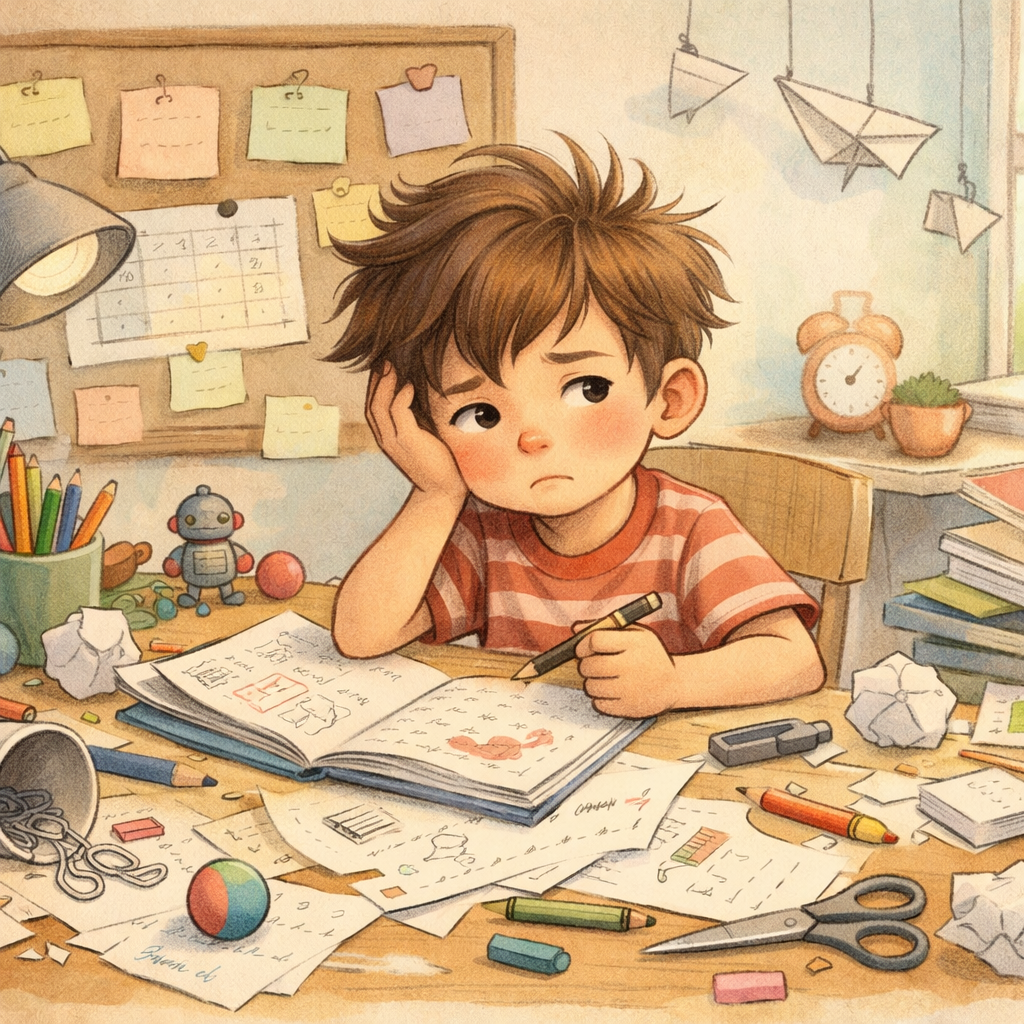
In boys, hyperactivity disorder symptoms are often more noticeable and external. Boys typically show classic signs like constant movement, difficulty playing quietly, and impulsive actions.
These behaviors can disrupt home and school life, leading to ADHD diagnoses being more common in boys. Impulsivity may cause them to blurt out answers or interrupt others, while high energy makes sitting still difficult.
Despite these challenges, boys with ADHD can also experience hyperfocus—intense concentration on activities they enjoy. Recognizing both the difficulties and strengths can help you support your son effectively.
Distinguishing ADHD from Other Conditions
Some symptoms of ADHD can overlap with other mental health conditions and developmental disorders. Issues like anxiety, depression, sleep disorders, and learning disabilities can cause similar symptoms, such as difficulty concentrating or restlessness. This is why a thorough evaluation by a healthcare professional is so important.
A professional can help determine if your child's behaviors are due to ADHD or another condition. This accurate diagnosis is the foundation for effective treatment, which may include behavioral therapy or other interventions. The next sections will explore conditions with overlapping symptoms and red flags that indicate a need for further assessment.
Overlapping Symptoms with Other Childhood Disorders
Children with ADHD often have another co-occurring mental health or neurodevelopmental disorder. Conditions like anxiety, autism spectrum disorder, and learning disabilities can show symptoms similar to ADHD, making diagnosis challenging. For example, anxiety may cause fidgeting or trouble concentrating, which can resemble ADHD.
Because of this overlap, it’s important to assess all possible causes. A child with oppositional defiant disorder (ODD) might display hostility toward authority figures, which could be mistaken for ADHD impulsivity. Effective intervention relies on accurately identifying the root cause of behaviors.
Here are some conditions with symptoms that overlap with ADHD:
|
Disorder |
Overlapping Symptoms with ADHD |
|---|---|
|
Anxiety Disorders |
Trouble concentrating, restlessness, feeling on edge |
|
Autism Spectrum Disorder |
Social difficulties, repetitive behaviors, challenges focusing |
|
Learning Disabilities |
Struggles with schoolwork, following instructions, inattentiveness |
|
Oppositional Defiant Disorder |
Acting out, interrupting, difficulty following rules |
Red Flags Indicating Further Assessment is Needed
If your child shows persistent ADHD symptoms that cause problems at home and school, consider seeking an assessment. Early diagnosis can greatly improve their development and success.
Diagnosis involves gathering information from parents, teachers, and the child to see if behaviors meet ADHD criteria.
Talk to a healthcare professional if:
- A teacher is concerned about your child's behavior or focus.
- Symptoms have lasted more than six months.
- Behaviors negatively affect friendships or social life.
- Your child struggles academically despite understanding the material.
- Symptoms appear in multiple settings (home, school, with friends).
What Parents Should Do Next
If you suspect your child has ADHD, take action and seek professional guidance. An accurate diagnosis is essential for accessing support and creating an effective, tailored treatment plan, which may include behavioral therapy, parent training, and school-based support.
You are not alone—many resources and support groups are available to connect with other families. The goal is to manage symptoms and help your child thrive. The next section outlines steps for observation, documentation, and seeking professional help.
Steps for Observation, Documentation, and Seeking Professional Guidance
Before you schedule an appointment, taking a systematic approach can be very helpful. Start with careful observation of your child's behavior. The goal is to gather specific examples to share with a professional, which is a crucial part of the ADHD diagnosis process.
Good documentation will help your child's doctor or mental health professional understand the full scope of the issue. Keep a log of the behaviors you notice, when they occur, and how they impact daily life. This information provides concrete evidence beyond just saying your child is "hyperactive" or "inattentive."
When you're ready, seek professional guidance. Here are the steps to follow:
- Observe and Document: Write down specific examples of inattentive, hyperactive, or impulsive behaviors. Note the time, place, and situation where they occur.
- Talk to Teachers: Ask your child's teacher for their observations. Their feedback is vital since an ADHD diagnosis requires symptoms to be present in at least two settings.
- Schedule an Appointment: Start by talking to your child's pediatrician. They can conduct an initial evaluation and refer you to a mental health specialist, such as a child psychologist or psychiatrist.
Conclusion
In summary, recognizing the early symptoms of ADHD can be crucial for parents navigating their child’s development. By paying attention to behaviors such as inattentiveness, hyperactivity, and impulsivity, you can identify signs that may require further evaluation. Understanding these symptoms not only helps in distinguishing ADHD from typical childhood behavior but also prepares you for the steps ahead in seeking professional guidance. Remember, early intervention can significantly impact your child's growth and success.
If you have concerns or need assistance, don’t hesitate to reach out for consultation or call daar at 02 9133 2500 for support and resources tailored to your family's needs
Frequently Asked Questions
Can ADHD be diagnosed based solely on early symptoms?
No, an ADHD diagnosis cannot be made from early symptoms alone. A health care professional must conduct a comprehensive evaluation to confirm that the symptoms of this mental health disorder meet the specific criteria outlined by resources like the National Institute of Mental Health and are not caused by another condition.
Are there early warning signs of ADHD in toddlers?
While some ADHD symptoms, like extreme symptoms of hyperactivity, can appear in early childhood, it's hard to distinguish them from typical toddler behavior. A formal diagnosis is rarely made in toddlers, as their brain development is still rapidly progressing, and behaviors are constantly changing.
How do early ADHD symptoms differ from normal childhood behavior?
ADHD symptoms differ from normal childhood behavior in their persistence, severity, and impact. While typical toddler behavior is inconsistent, ADHD symptoms like inattention are chronic and negatively affect a child's functioning in multiple settings (home and school), which is a key factor in the development of ADHD.
.svg)




.svg)