
.png?width=48&height=48&name=Group%201%20(3).png)























7 April, 2026

Early Signs of ADHD: What Parents Should Look For
Key Highlights
- Attention-deficit/hyperactivity disorder (ADHD) is a common developmental disorder marked by ongoing patterns of inattention, hyperactivity, and impulsivity.
- Early signs of ADHD can appear in early childhood and often include difficulty focusing, constant movement, and acting without thinking.
- Recognizing these adhd symptoms early is crucial for getting a proper diagnosis and effective treatment.
- There are three main types: predominantly inattentive adhd, predominantly hyperactive-impulsive, and a combined presentation.
- The hyperactivity disorder can affect a child’s social skills, academic performance, and daily functioning.
- Understanding the difference between ADHD and typical childhood behaviour is key for parents seeking support.
Introduction
As a parent, you know that young children are naturally full of energy and can sometimes struggle to pay attention. But when does this behaviour cross the line from typical kid stuff to something more? If you're concerned about your child's focus, activity levels, or impulsivity, you might be wondering about attention deficit hyperactivity disorder (ADHD) and how special education can support their needs. This common mental health condition can impact a child's development and daily life, but with early recognition and support, they can thrive.
Understanding ADHD and Its Early Signs
ADHD, or attention-deficit/hyperactivity disorder, is a condition related to brain development that affects millions of children.
Getting an accurate ADHD diagnosis is the first step toward managing these challenges. Understanding what this mental health condition is, how it differs from other disorders, and how common it is can empower you to seek the right help for your child, including effective drug administration options. Let's explore the fundamentals of this hyperactivity disorder.
What is ADHD?
Attention-deficit/hyperactivity disorder (ADHD) is a common childhood mental health condition marked by ongoing inattention, hyperactivity, and impulsivity. Key symptoms include difficulty focusing, excessive movement, acting without thinking, blurting out answers, trouble waiting turns, and frequent interruptions. Additionally, children with ADHD are at a greater risk of developing oppositional defiant disorder, which is characterized by negative, defiant, and hostile behaviours.
Hyperactivity may appear as constant fidgeting, inappropriate running or climbing, and excessive talking. Impulsivity involves hasty actions and interrupting others. Inattention includes not listening, missing details, and losing necessary items. ADHD is diagnosed in kids by a thorough evaluation, which generally includes observing these symptoms over time, gathering input from parents and teachers, and ruling out other potential causes. Healthcare professionals use standardized rating scales and clinical interviews to determine if a child's pattern of behaviour meets diagnostic criteria for ADHD.
The exact cause of ADHD is unknown, but genetics play a major role. Other possible factors include differences in brain development, brain injuries, nutrition, and social environment.
Difference between ADHD and Autism Spectrum Disorder
Parents often confuse ADHD and autism spectrum disorder (ASD) because both affect behaviour and social interactions, including various anxiety disorders. However, they are distinct. ADHD mainly involves inattention and hyperactivity, while ASD centers on challenges with social communication and repetitive behaviours.
For example, children with ADHD may interrupt conversations due to impulsivity; those with autism often struggle with social cues and nonverbal communication. Although symptoms can overlap, a thorough evaluation helps differentiate the two medical conditions. 'ADD' is now referred to as the predominantly inattentive type of ADHD.
Here’s a quick comparison:
|
Feature |
ADHD |
ASD |
|---|---|---|
|
Core Challenge |
Attention, hyperactivity, impulsivity |
Social communication, interaction, and sometimes intellectual disability |
|
Social Interaction |
May break social rules due to impulsivity or inattention (e.g., interrupting) |
Difficulty understanding social cues or perspectives |
|
Behaviours |
Fidgeting, constant movement, acting without thinking |
Restricted interests, repetitive behaviours (e.g., hand-flapping, strict routines) |
|
Communication |
Talks excessively or struggles to listen |
Delayed speech or unusual language use (e.g., repeating phrases) |
How Common Is ADHD in Australian Children?
ADHD is a common condition among young people worldwide. While specific Australian data isn’t available here, U.S. figures from the CDC estimate that 8.4% of children have ADHD.
This means millions of families face the challenges of ADHD, which is usually identified in school-aged children due to classroom disruptions or learning difficulties. Boys are diagnosed more often than girls, possibly because symptoms can look different.
The high prevalence of ADHD underscores the need for accessible diagnosis and treatment services. Supporting affected families remains a key public health priority.
Recognizing Early Symptoms of ADHD
Identifying the early signs of ADHD can be tricky, as many symptoms can look like typical childhood behaviour. However, for a child with ADHD, these behaviours are more severe, occur more often, and interfere with their daily life at home and school. Understanding the risk factors for ADHD can also provide valuable context. The symptoms fall into two main categories: inattention and hyperactivity-impulsivity.
Some children mainly show inattentive symptoms (sometimes called inattentive ADHD), others primarily exhibit hyperactive and impulsive symptoms, and many have a combination of both. Understanding what to look for in each category is the first step in recognizing if your child's mental health needs professional attention from the national institute of mental health for a potential hyperactivity disorder. Once symptoms of ADHD are recognized, treatment options may include behavioural therapy, parent training, educational support, and, when appropriate, medication. It is important to consult a healthcare provider who can tailor an effective treatment plan for your child's unique needs.
Inattentive Behaviours in Young Children
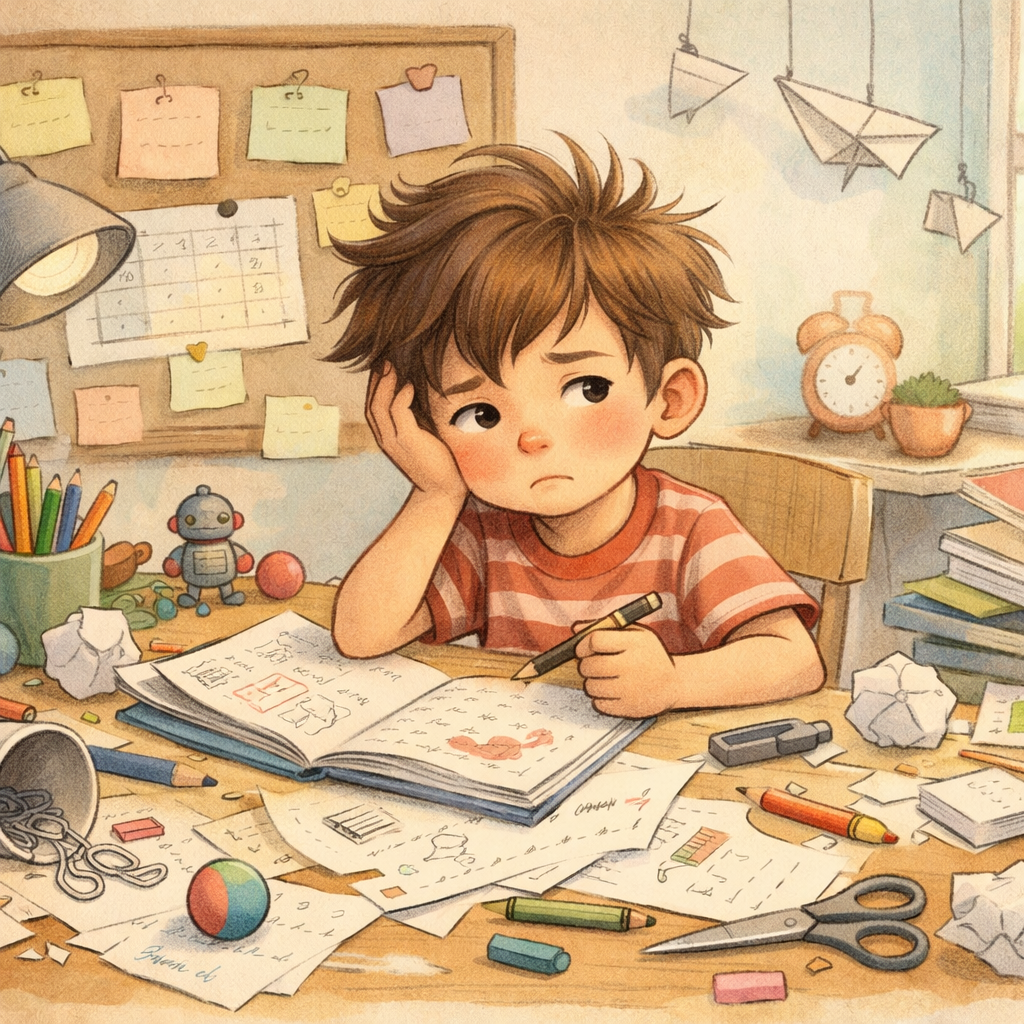
Inattentive symptoms are an early warning sign of ADHD. A diagnosis of ADHD may be considered if a child with these behaviours appears lost in their own world and struggles to focus, even when spoken to directly. This isn’t defiance—it’s a real challenge with sustaining attention.
This lack of focus can cause problems in daily life, such as not following instructions, trouble organizing belongings, or losing items like school supplies and toys. Additionally, difficulties with fine motor skills may lead them to avoid tasks that require prolonged concentration, like homework or reading.
Common inattentive behaviours include:
- Making careless mistakes in schoolwork or activities
- Not listening when spoken to directly
- Being easily distracted by thoughts or surroundings
Hyperactivity and Impulsivity in Early Childhood
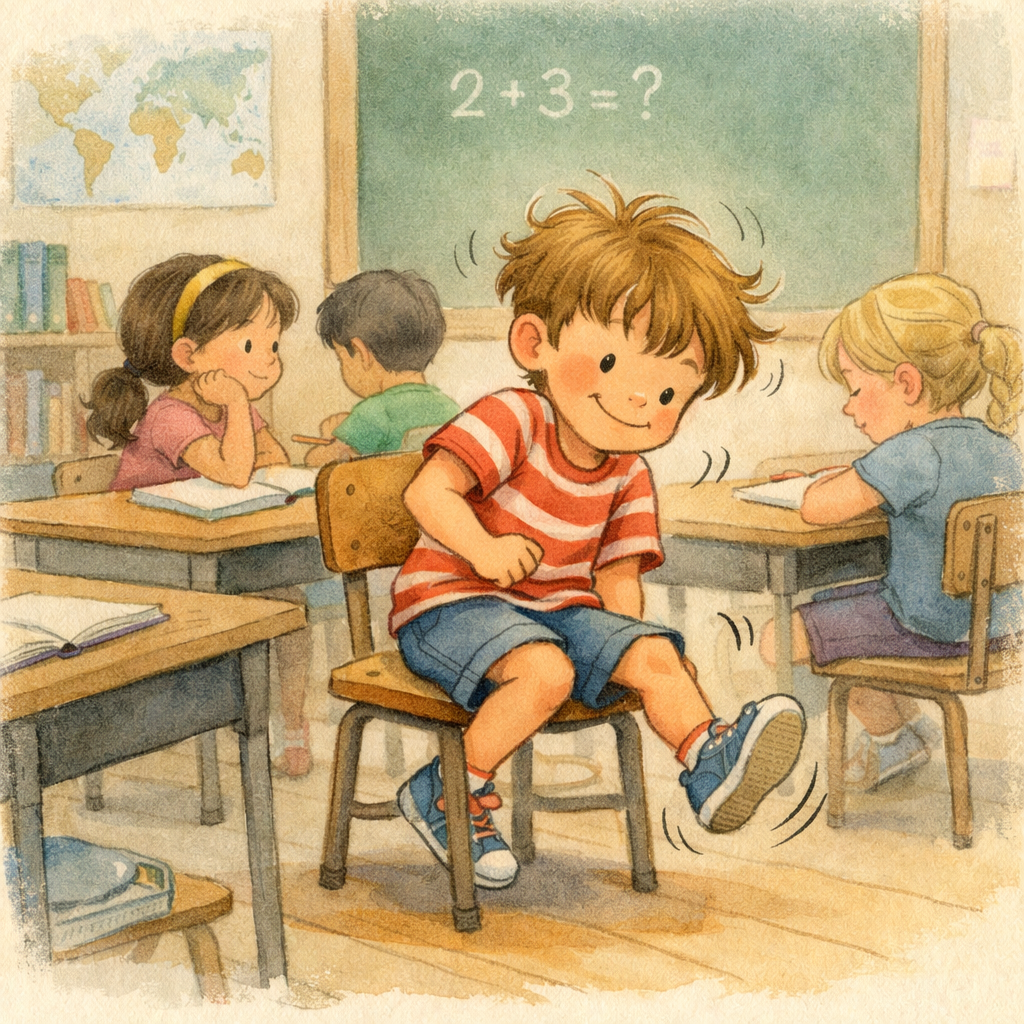
Children with hyperactivity disorder often have high energy and act impulsively. They may seem "driven by a motor," constantly moving when they’re expected to be still—especially in structured settings like school or during quiet activities.
Impulsive symptoms include blurting out answers, difficulty waiting for turns, and interrupting others. These behaviours aren’t intentional disruptions but reflect challenges with self-control. Additionally, factors such as low birth weight can contribute to these impulsive behaviours. As children grow older, hyperactivity may decrease and show up as restlessness instead.
Key hyperactive and impulsive symptoms:
- Fidgeting, squirming, or tapping hands and feet
- Running or climbing in inappropriate situations
- Talking excessively and struggling to play quietly
Comparing Early Symptoms of ADHD and Early Symptoms of Autism
Both ADHD and autism affect a child’s social interactions, but for different reasons. Understanding these differences helps parents support their children.
A child with inattentive ADHD may miss social cues due to distraction, while a child with autism often struggles to interpret nonverbal communication or understand social "rules." For example, ADHD can lead to impulsively interrupting games, whereas autism may cause difficulty joining in because the child doesn’t know how to start play.
Key social challenges:
- Conversation: Children with ADHD might interrupt or talk excessively; those with autism may have trouble starting or sustaining conversations. Occupational therapy can help improve conversational skills and social interactions.
- Friendships: ADHD can make it hard to keep friends due to impulsivity or inattention; autism makes forming friendships difficult because of social understanding challenges.
- Rules: ADHD may cause kids to forget rules; autism often leads to a preference for strict rules and distress when routines change.
Key Warning Signs Parents Should Look For
When you're trying to figure out if your child's behaviour is typical or a sign of something more, it helps to know the specific warning signs of ADHD. These signs go beyond occasional forgetfulness or bursts of energy. Parents of children, they form a persistent pattern of inattentive, hyperactive, or impulsive symptoms that disrupt daily life.
These behaviours must be present in more than one setting, such as at home and at school, to be considered for a diagnosis of a hyperactivity disorder. Below, we’ll look at some of the most common red flags, including difficulty maintaining attention, challenges with listening, challenges with daily activities, and constant restlessness.
Difficulty Maintaining Attention
One key warning sign of ADHD is ongoing difficulty maintaining attention. This goes beyond boredom—children with inattentive symptoms struggle to focus on tasks like schoolwork or even games they enjoy.
This isn’t a choice or defiance; it’s part of how their brain functions. They may seem distracted in conversations, miss details or instructions, and overlook social cues, which can affect learning and relationships, particularly in individuals with substance use disorders.
Examples include:
- Trouble focusing on tasks or play for long periods
- Easy distraction by unrelated thoughts or stimuli
- Frequently losing items needed for tasks, like pencils, books, or keys
Challenges with Listening and Following Instructions
A common sign of ADHD is difficulty listening and following instructions. Your child may appear to hear you but not process what was said, causing them to start tasks but lose focus before finishing, especially if eye contact is not established during communication.
This isn't intentional; it often results from challenges with cognitive behavioural therapy, working memory, and organization. Multi-step instructions like "go upstairs, put on your pajamas, and brush your teeth" can be overwhelming—they may remember only the first step or get distracted. This can lead to careless mistakes and poor time management.
If you suspect ADHD, document these behaviours to share with a mental health professional.
Watch for patterns such as:
- Not listening when spoken to directly
- Trouble following instructions or completing chores and schoolwork
- Difficulty organizing tasks and activities
Restlessness and Fidgeting
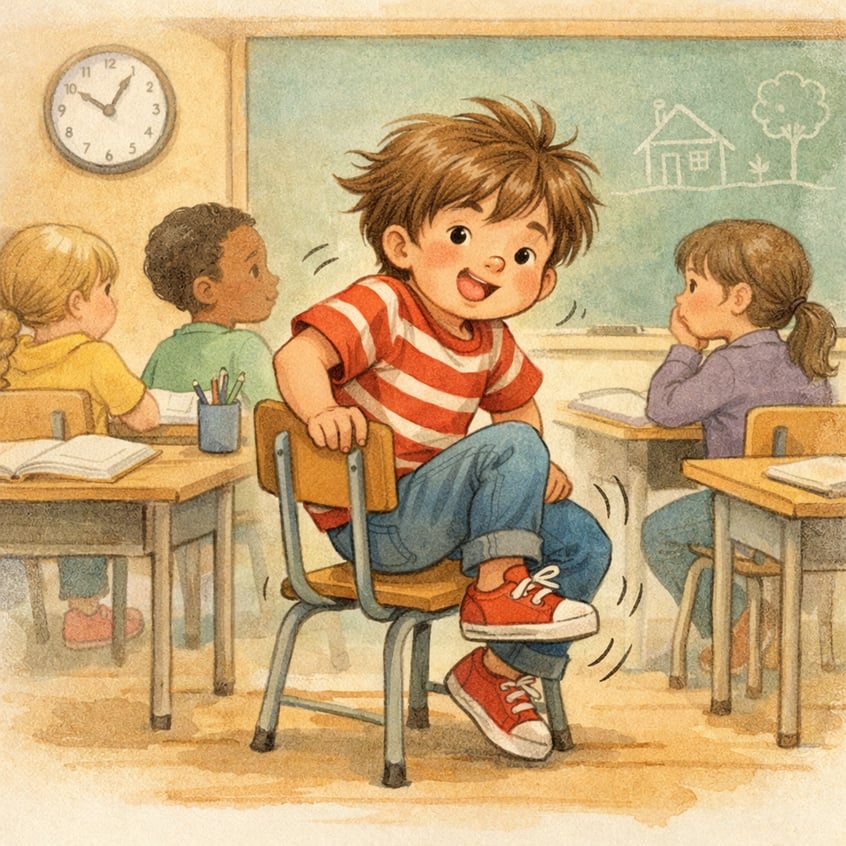
Constant motion is one of the classic symptoms of hyperactivity associated with this disorder. A child who is perpetually restless and fidgety may have a form of hyperactivity disorder, which is important in the diagnosis of autism. This goes beyond the average wiggles of a young child. It's an inability to stay still in situations where it's expected, like during meals or in a classroom.
This restlessness can make it hard for them to engage in quiet play or complete daily tasks that require them to sit down. You might notice your child is always tapping their hands or feet, squirming in their seat, or getting up and moving around at inappropriate times, which can increase the severity of symptoms. This constant need for movement is a primary symptom of hyperactivity.
Common signs of restlessness include:
- Fidgeting with hands or feet or squirming while seated.
- Being unable to stay seated when it is expected.
- Often feeling restless or acting as if "driven by a motor."
Conclusion
In conclusion, recognizing the early signs of ADHD is vital for parents who want to support their child's development. By being aware of symptoms such as inattentiveness, hyperactivity, and impulsivity, you can take proactive steps toward seeking help and resources. Understanding the distinctions between ADHD and other conditions like Autism Spectrum Disorder further empowers you to advocate for your child effectively, as outlined in the Diagnostic and Statistical Manual of Mental Disorders. Don’t hesitate to reach out for guidance and support if you suspect your child may be experiencing these challenges.
If you’re looking for tailored advice, please schedule a consultation or call daar at 02 9133 2500 to discuss your concerns and explore available options. Your child’s well-being begins with awareness and action!
Frequently Asked Questions
What are some common early signs of ADHD in children?
Common early signs in young children include significant trouble paying attention (inattentive ADHD), being overly active (hyperactivity disorder), and acting without thinking (impulsive symptoms). Additionally, these children may show signs of autism, as these behaviours are more frequent and intense than in typical children and impact their daily functioning, representing a true mental health concern.
How can I differentiate between typical childhood behaviour and signs of ADHD?
The key difference is persistence and impairment. ADHD involves chronic and severe inattentive or impulsive symptoms that disrupt life at home and school. Typical behaviour is less consistent and doesn't cause significant problems. Unlike autism spectrum disorder, which involves core issues with social communication and repetitive behaviours, ADHD's primary challenge is self-regulation, which can sometimes lead to behaviours related to substance use.
What steps can parents take if they suspect their child has ADHD?
If you suspect your child has ADHD, start by talking to your pediatrician about ADHD treatment options. They can perform an evaluation or refer you to a mental health specialist for an official ADHD diagnosis. Next steps often include exploring behavioural interventions, parent training, and connecting with support groups to learn effective management strategies.
.svg)




.svg)