
.png?width=48&height=48&name=Group%201%20(3).png)























6 April, 2026

Food Sensitivities Kids Symptoms: A Parent's Guide
Key Highlights
- Food sensitivities in young children differ from food allergies, as they don't involve an immune system reaction.
- Common symptoms can range from digestive issues like bloating to behavioral changes and skin rashes.
- A food intolerance is a chemical reaction, while food allergies are an immune system response to common allergens.
- Identifying trigger foods often involves an elimination diet supervised by a healthcare professional.
- While not life-threatening, food sensitivities can cause significant discomfort and impact a child's overall well-being.
- Keeping a food diary is a helpful first step to track symptoms and identify potential problem foods.
Introduction
As a parent, you want the best for your child, and that includes their health and happiness at mealtimes. You might have noticed that certain foods seem to cause your little one discomfort. This is a common concern, as many children experience food sensitivities. Unlike food allergies that trigger the immune system, these reactions often involve the digestive system and can be tricky to pinpoint. Understanding the signs can help you navigate your child's dietary needs and ensure they feel their best.
Understanding Food Sensitivities in Children
Figuring out if your child has a food sensitivity can feel overwhelming. These reactions are different from allergies because they don't involve the immune system. Instead, a food intolerance is typically a chemical reaction within the digestive system.
This means your child might have trouble breaking down a specific food, leading to uncomfortable symptoms. Let's explore what food sensitivities are, which foods commonly cause them, and how they differ from more severe food allergies.
What Are Food Sensitivities?
Food sensitivity, or intolerance, occurs when your child’s body reacts negatively to a specific food. Unlike allergies, it’s not an immune response but often a chemical or digestive issue—such as lacking an enzyme to break down certain ingredients.
Symptoms can cause discomfort but aren’t life-threatening. They may appear hours after eating and depend on the amount consumed. Unlike allergies, which can be triggered by tiny amounts, sensitivities usually require larger portions to cause symptoms. Identifying these sensitivities is key to managing your child’s health and comfort.
Common Types of Food Sensitivities in Kids
Many different foods and ingredients can trigger a food intolerance in children. Some are naturally occurring, while others are found in processed foods. Recognizing these common culprits can help you narrow down what might be affecting your child.
Some of the most prevalent types of food sensitivities are linked to substances that are difficult for a child's developing digestive system to process. These can include:
- Lactose intolerance: Difficulty digesting the sugar in dairy products like cow's milk.
- Food additives: Reactions to preservatives, artificial colors, or flavor enhancers like monosodium glutamate (MSG).
- Natural food chemicals: Sensitivities to compounds like salicylates found in some fruits, vegetables, and spices, or amines in foods like chocolate and cheese.
- Citrus fruits and tomatoes: These can also be a source of intolerance for some children.
Unlike allergies to tree nuts or seafood, these sensitivities don't involve the immune system but can still cause significant issues.
How Food Sensitivities Differ from Allergies and Intolerances
It's common to confuse food sensitivities, food allergies, and intolerances, but they are distinct conditions. The main difference lies in the body's response. Food allergies involve the immune system, which mistakenly identifies a food protein as a threat and launches an attack, creating an allergic reaction.
In contrast, a food intolerance or sensitivity does not involve the immune system. It's typically a reaction within the digestive system, where the body struggles to break down a certain food. This can lead to uncomfortable intolerance symptoms but not a severe, life-threatening reaction.
Understanding these key differences is vital for managing your child's health correctly. Here is a simple breakdown:
|
Feature |
Food Allergy |
Food Intolerance/Sensitivity |
|---|---|---|
|
Body System Involved |
Immune system |
Digestive system |
|
Reaction Time |
Usually rapid (minutes to 2 hours) |
Often delayed (can take several hours) |
|
Severity |
Can be mild to life-threatening (anaphylaxis) |
Uncomfortable but not life-threatening |
|
Amount of Food |
Can be triggered by tiny amounts |
Often dose-dependent (symptoms appear with larger portions) |
Recognizing Symptoms of Food Sensitivities
Knowing what to look for is the first step in identifying a potential food sensitivity. The symptoms can be wide-ranging and sometimes subtle, making them easy to miss. Unlike the often immediate and clear food allergy symptoms, the signs of an intolerance might appear hours after your child has eaten.
These reactions are not an allergic reaction from the immune system but are instead rooted in the digestive system. We will look at the physical signs, digestive issues, and even behavioral changes that could point to a food sensitivity.
Physical Signs Parents Should Watch For
Food sensitivities don’t cause severe allergic reactions like anaphylaxis, but they can trigger various physical symptoms. Unlike emergency allergy signs—such as trouble breathing, sudden blood pressure drops, or loss of consciousness—food intolerance symptoms are usually less serious but still uncomfortable.
Common signs of food sensitivities include:
- Skin issues (hives, rashes, eczema flare-ups)
- Headaches or migraines
- Nervousness, tremors, or sweating
- Joint pain or fatigue
If your child experiences these symptoms after eating, it may point to a food sensitivity rather than an allergy.
Digestive Symptoms Linked to Gut Health
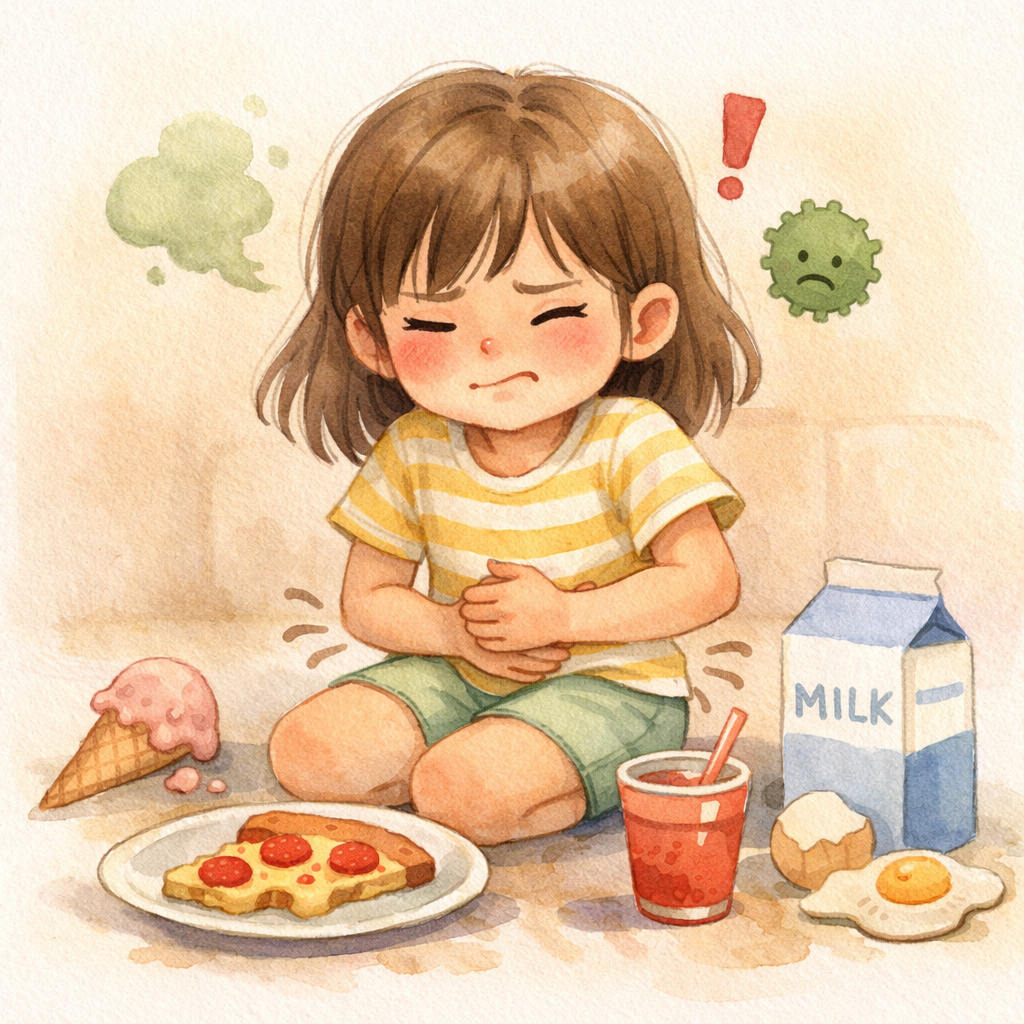
Many food intolerance symptoms are centered in the digestive system. When your child's gut struggles to process a certain food, it can lead to a host of uncomfortable symptoms. These digestive issues are often a primary indicator of a food intolerance.
Problems like bloating, excessive gas, and general stomach pain are common complaints. For some children, these issues can mirror the symptoms of irritable bowel syndrome (IBS). Paying attention to these signs after your child eats can provide valuable clues about their gut health.
Look out for these specific digestive food intolerance symptoms:
- Bloating and gas
- Abdominal pain or stomach cramps
- Diarrhea or constipation
- Nausea and sometimes vomiting
These symptoms can cause significant discomfort and disrupt your child's daily life, making it important to identify the trigger.
Behavioral and Mood Changes Related to Diet
Did you know your child’s diet can affect their mood and behavior? While food sensitivities don’t trigger immune responses, discomfort from them can impact health and behavior—sometimes in surprising ways.
If your child has sudden mood swings or becomes irritable after eating, their food may be the cause. Keeping a food diary can help link their behavior to specific foods.
Watch for signs like:
- Irritability or restlessness
- Trouble concentrating or hyperactivity
- Unexplained mood swings
- Fatigue or lethargy
Recognizing these changes can help you better understand your child’s well-being.
Foods Most Likely to Cause Sensitivities
Certain foods are more likely to cause a food intolerance than others. Unlike common allergens such as peanuts or tree nuts that trigger an immune response, these foods cause issues within the digestive system. Identifying these common culprits is a helpful step in narrowing down what might be affecting your child.
From dairy products like cow's milk to certain food additives, a variety of ingredients can be problematic. We'll explore which foods are most frequently linked to sensitivities and discuss how gut health plays a role in these reactions.
Top Problem Foods for Australian Children
In Australia, certain foods often cause sensitivities in children, even if they aren’t common allergens like peanuts or tree nuts. These foods frequently lead to discomfort rather than true allergic reactions.
Top problem foods include:
- Dairy products: Cow’s milk, cheese, and yogurt are common triggers due to lactose intolerance.
- Food additives: Preservatives, colorings, and flavor enhancers can cause reactions.
- Citrus fruits and tomatoes: Some sensitive children may react to these.
- Glutamates and amines: Found in chocolate, aged cheeses, and some fruits.
Identifying the specific trigger usually requires careful monitoring and a systematic dietary approach.
The Role of Gut Health in Triggering Sensitivities
A child’s intestinal health is key to how their body processes foods. If the digestive system isn’t working well—due to gut bacteria imbalance or inflammation—the risk of food intolerance increases. This can cause symptoms similar to irritable bowel syndrome.
Portion size also matters: a healthy gut may tolerate small amounts of trigger foods, but larger portions can cause discomfort.
Improving gut health with a balanced diet can help reduce intolerance symptoms. Supporting your child’s digestion is important for managing food sensitivities long-term.
Building a Child-Friendly Diet to Reduce Risks
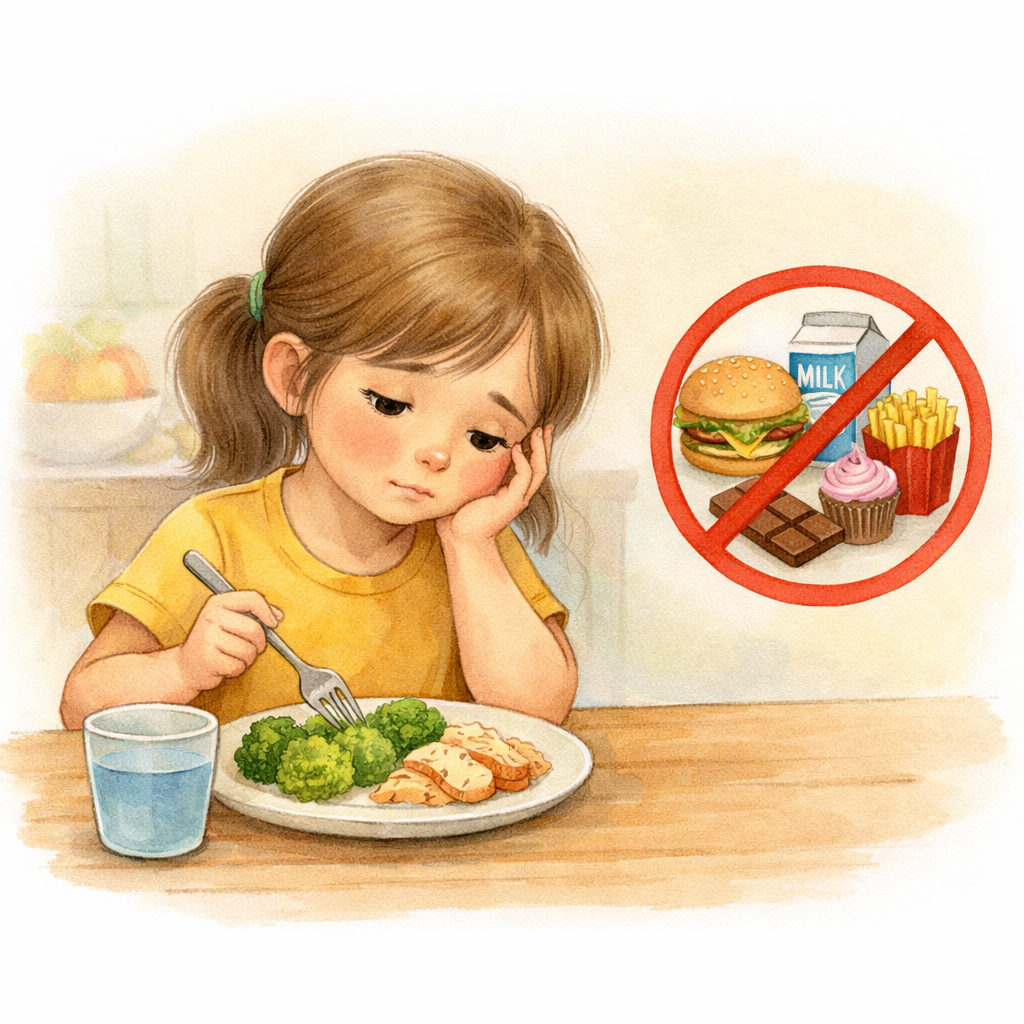
Once you suspect a food sensitivity, the next step is to create a supportive diet with guidance from a registered dietitian or your child’s doctor. Since sensitivities aren’t allergies, an allergy specialist isn’t needed. A professional can help you make an action plan.
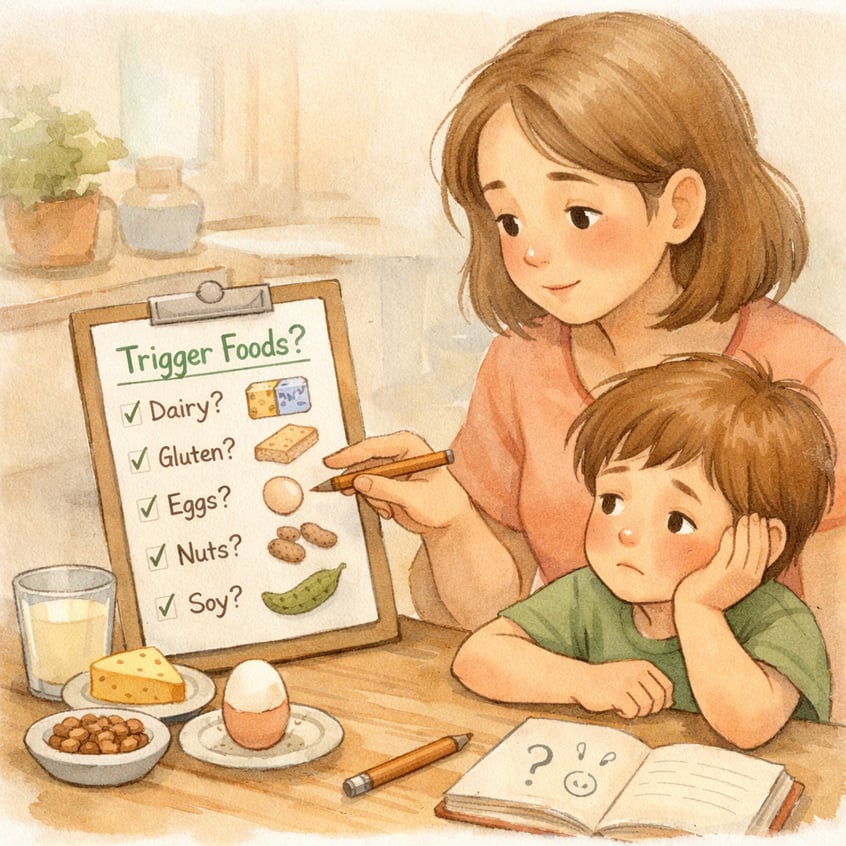
Often, this involves a temporary elimination diet—removing suspected foods, then reintroducing them one at a time to find the trigger. Keep a detailed food diary throughout and always read labels to avoid hidden ingredients.
To build a better diet for your child:
- Work with a dietitian to ensure balanced nutrition.
- Offer a variety of foods.
- Read labels carefully for potential triggers.
- Choose whole, minimally processed foods.
This approach helps manage symptoms while making sure your child gets the nutrients they need.
Conclusion
In conclusion, understanding food sensitivities in children is crucial for parents striving to maintain their children's health and well-being. By recognizing the symptoms, differentiating between sensitivities, allergies, and intolerances, and being mindful of potential problem foods, you can take proactive steps to support your child's dietary needs. Creating a balanced, child-friendly diet while promoting gut health will help mitigate risks associated with food sensitivities and contribute to a happier, healthier life for your little ones.
If you have concerns about your child's symptoms, don't hesitate to reach out for consultation or call daar at 02 9133 2500 for professional guidance to ensure their optimal well-being.
Frequently Asked Questions
Should parents seek medical advice for mild, persistent symptoms?
Yes, if your child has persistent symptoms, even if they are mild, it is important to see your child's doctor. They can help rule out other conditions, create an action plan, and determine if further tests, such as blood tests or allergy testing, are needed to confirm the cause.
Can food sensitivities in children affect behavior and mood?
Absolutely. Food sensitivities can cause a wide range of symptoms, including behavioral changes and mood swings. If you notice your child is irritable or has trouble concentrating after eating certain foods, keeping a food diary can help you and your doctor connect these food intolerance symptoms to their diet.
Are digestive symptoms like bloating and stomach pain signs of food sensitivities?
Yes, digestive issues are hallmark signs of food sensitivities. Uncomfortable symptoms like bloating, gas, and abdominal pain often occur when the digestive system struggles to process a particular food. These intolerance symptoms are a strong indicator that your child may have a food sensitivity.
.svg)




.svg)