
.png?width=48&height=48&name=Group%201%20(3).png)























9 March, 2026

How to Stop Children from Watching Too Much YouTube: Tips

Key Highlights
- Excessive screen time on platforms like YouTube can worsen symptoms of attention deficit hyperactivity disorder and impact mental health.
- YouTube's design, featuring algorithms and instant gratification, can make video game use and other content feel addictive.
- Parents can identify problematic viewing by looking for signs like neglecting other activities, withdrawal symptoms, and secretive behavior.
- Setting clear rules, establishing consistent routines, and using parental controls are effective ways to manage screen time.
- Neurodivergent children may require tailored strategies, focusing on their unique needs for regulation and social connection.
- Encouraging offline hobbies and physical activity helps create a healthy balance, reducing reliance on digital entertainment.
Introduction
Many parents worry about the amount of screen time their young children are getting, especially on platforms like YouTube. While technology offers benefits, there's a fine line between healthy engagement and potential internet addiction. Excessive viewing can impact mental health and lead to behaviors resembling video game addiction. Understanding the appeal of YouTube and learning how to set healthy boundaries is crucial for your child's well-being. This guide will provide practical tips to help you manage your child's YouTube habits effectively.
Identifying Problematic Viewing Habits
It's important to distinguish between healthy interest and excessive gaming or screen time. The issue isn’t just how long a child is online, but whether it negatively affects their schoolwork, hygiene, or family relationships.
Watch for signs like irritability or sadness when YouTube is taken away—these withdrawal symptoms, along with constant preoccupation with online content, may signal a problem. The next sections will help you identify these warning signs.
Recognizing Signs of Excessive YouTube Watching
Recognizing when YouTube watching has become excessive involves observing your child's behavior both on and off the screen. It's not just about the number of hours; it's about how that time impacts their daily functioning. One of the main signs of gaming addiction or excessive media use in neurodiverse kids is when it takes priority over everything else.
You may notice negative consequences in various areas of their life. For example, their schoolwork might suffer, they may withdraw from family activities, or their social skills might seem to decline due to a lack of real-world practice. Children with attention deficit may become even more irritable or unfocused after prolonged screen use.
Look for these specific warning signs:
- Withdrawal symptoms like irritability, sadness, or anger when they can't watch videos.
- Loss of interest in hobbies and activities they once enjoyed.
- Deceiving family members about the amount of time they spend online.
- Neglecting basic needs like sleeping, eating, or personal hygiene to continue watching.
Differentiating Between Interest and Addiction
Parents can differentiate between a strong interest in gaming and addiction in neurodiverse kids by looking for loss of control and negative consequences. A healthy interest allows balance with other responsibilities, while addiction leads to ongoing play despite problems like poor grades or family conflict.
A child with a balanced interest can stop playing when asked and join other activities. An addicted child continues gaming even when it causes issues. While hobbies enrich life, addictions disrupt it.
Another warning sign is if your child uses gaming or YouTube mainly to escape negative emotions or real-life problems. Relying on media to cope with sadness or anxiety often signals dependency rather than simple enjoyment—a key indicator of video game addiction.
Warning Signs in Neurodivergent Children
Neurodivergent children, such as those with autism spectrum disorder or a developmental disorder, may show different or more intense warning signs of excessive screen use. For these children, screens can be a valuable tool for regulation and social connection, but they can also become an unhealthy coping mechanism.
Are children with ADHD more likely to develop gaming addiction? Studies show that individuals with ADHD are at a higher risk for screen-related addiction. This is because the instant rewards and constant stimulation of online content are particularly appealing to the ADHD brain. Increased ADHD symptom severity can be both a risk factor for and a consequence of excessive screen time. You may notice worsening ADHD symptoms, like impulsivity and inattention, with more screen use.
Key warning signs to watch for in neurodivergent children include:
- A significant increase in the intensity of ADHD symptoms or emotional outbursts when screen time ends.
- A complete withdrawal from face-to-face social interaction in favor of online connections.
- Using screens so intensely that it interferes with essential therapies or developmental goals.
The Effects of Excessive YouTube Watching on Children
Excessive YouTube use can harm young children’s mental health and academic performance. Too much screen time replaces important activities like physical play and social interaction, causing missed opportunities to learn essential life skills.
This may result in social isolation and poor concentration. Parents should be aware of these risks. Next, we’ll examine effects on attention, emotional well-being, and unique challenges for neurodivergent children.
Impact on Attention and Learning
Excessive screen time can hinder a child’s focus, impacting learning and academic performance. Fast-paced content, such as YouTube videos, makes it harder for children to adjust to the slower pace of classroom instruction.
This is particularly problematic for children with ADHD, as prolonged screen use may worsen symptoms and reduce their ability to concentrate on tasks without immediate rewards—leading to lower grades and frustration.
Gaming addiction affects autistic children differently from neurotypical peers. While online platforms can be educational, overuse can prevent autistic children from developing coping skills for socially challenging environments like classrooms. It becomes a crutch that limits their engagement with in-person learning.
Social and Emotional Consequences
Excessive screen time can lead to social isolation, especially for children. Hours spent online mean missing out on face-to-face interactions that build essential social skills, like reading facial expressions and understanding social cues.
Without real-world practice, social anxiety may increase, making offline interactions seem intimidating. Some children may retreat further into the comfort of online spaces, worsening their isolation—a cycle that’s even harder to break for neurodivergent kids.
To help your neurodiverse child develop healthy gaming habits, gently encourage regular offline social activities. Start with small, low-pressure situations to boost their confidence in real-life settings and reduce reliance on screens.
Risks for Neurodivergent Kids (ADHD, Autism)
Neurodivergent children, including those with autism and ADHD, are more likely to develop unhealthy screen habits. Studies show autistic kids are at higher risk for problematic gaming and tend to spend more time on screens than neurotypical peers.
For autistic individuals, technology provides a safe, predictable escape from overwhelming environments. However, overuse can hinder the development of life skills and coping mechanisms, leading to greater isolation.
Children with ADHD are attracted to the instant rewards and stimulation of online content, which can worsen their symptoms. Excessive screen time creates a cycle where screens are used for coping but ultimately make inattention and impulsivity worse. A balanced approach is essential for these children.
Practical Tips to Limit YouTube Time
Limiting your child's screen time doesn't have to be a constant battle. By implementing practical strategies, you can guide them toward a healthier relationship with technology. This involves setting clear boundaries, establishing predictable routines, and using tools like parental controls to manage their video game use and YouTube watching.
The goal is to find a balance that allows for the benefits of technology while ensuring it doesn't interfere with physical activity and other important aspects of life. The following tips offer concrete ways to put these ideas into practice and reduce conflicts over screen time.
Setting Clear Boundaries and Rules
One of the most effective strategies parents can use to limit screen time for neurodivergent kids is setting clear and consistent rules. When children know what to expect, transitions away from screens become much smoother. Vague guidelines can lead to negotiations and arguments, so be specific about when, where, and for how long screens can be used.
Involve your child in creating these rules to give them a sense of ownership and control. This collaboration can help prevent feelings of loss of control that often trigger resistance. For example, you can agree on designated "screen-free" zones in the house, like the dinner table or bedrooms.
To make the boundaries effective, consider implementing these rules:
- Establish "stopping points": Agree ahead of time when screen time will end, such as after a specific number of videos or when a timer goes off.
- Use parental controls: Utilize built-in features on devices to enforce time limits on video game play and app usage.
- No screens before bed: Set a rule that all screens must be turned off at least an hour before bedtime to improve sleep quality.
Creating Consistent Routines and Schedules
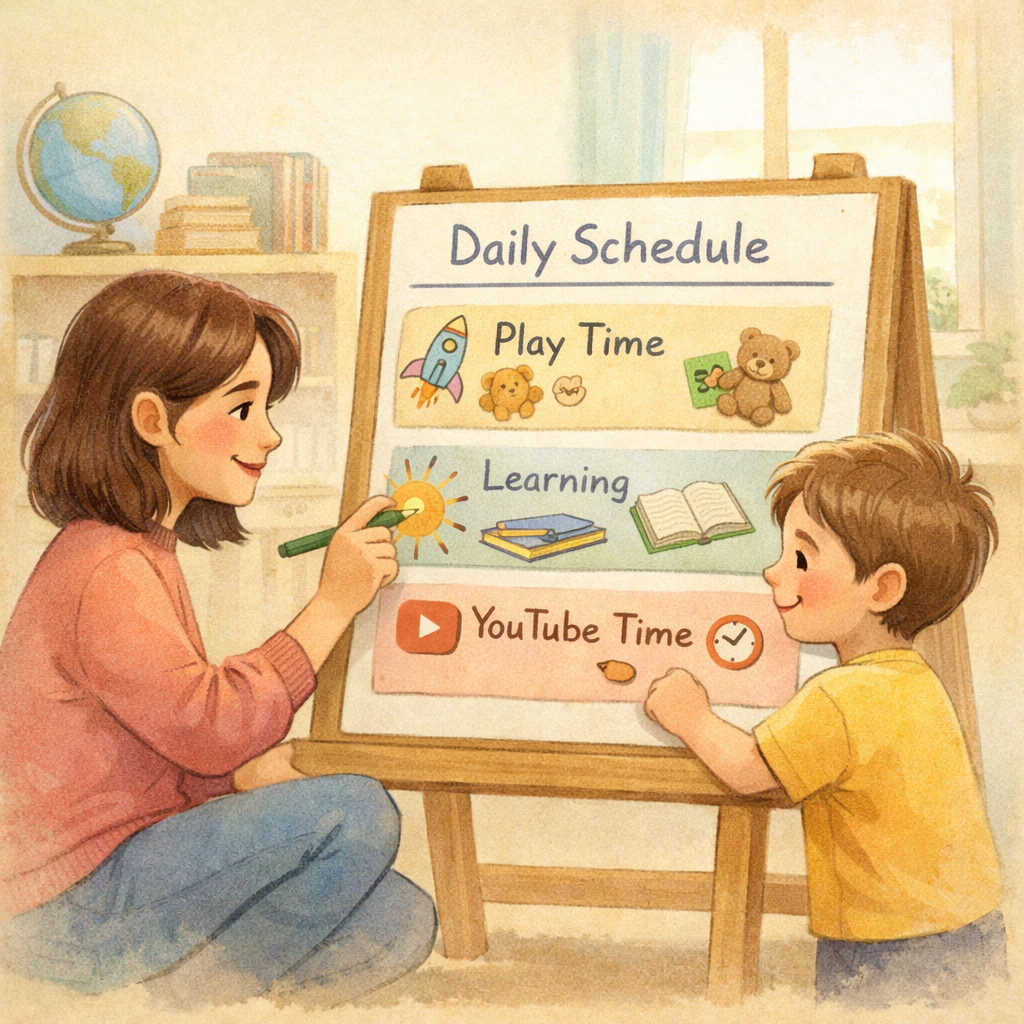
Routines are crucial for managing gaming time in neurodiverse children. Predictable schedules help reduce anxiety and make transitions easier. By setting specific times for screen use within a daily routine, children learn self-regulation and understand that gaming is just one part of their day. Create a simple schedule with your child, prioritizing essential activities first, then deciding together where screen time fits. This helps them visualize a balanced day and see that their time includes more than just gaming.
Using Screen Time Management Tools and Apps
In today's world of technology, managing screen time can be made easier with specialized tools and apps. These applications allow you to set firm time limits for internet gaming and other online activities, helping to enforce the boundaries you've established. Many devices come with built-in parental controls that are simple to set up.
These tools are not about spying on your child but about providing a structure that supports healthy habits. They can automatically shut down an app when the allotted time is up, which avoids the need for you to be the "bad guy" who constantly reminds them to log off.
Here are some features to look for in screen time management tools:
- App-specific time limits: Set daily time limits for YouTube, TikTok, or specific games.
- Scheduled downtime: Block access to certain apps during homework hours or overnight.
- Content filters: Use parental controls to ensure your child is only accessing age-appropriate content.
Alternative Activities to Reduce Screen Time
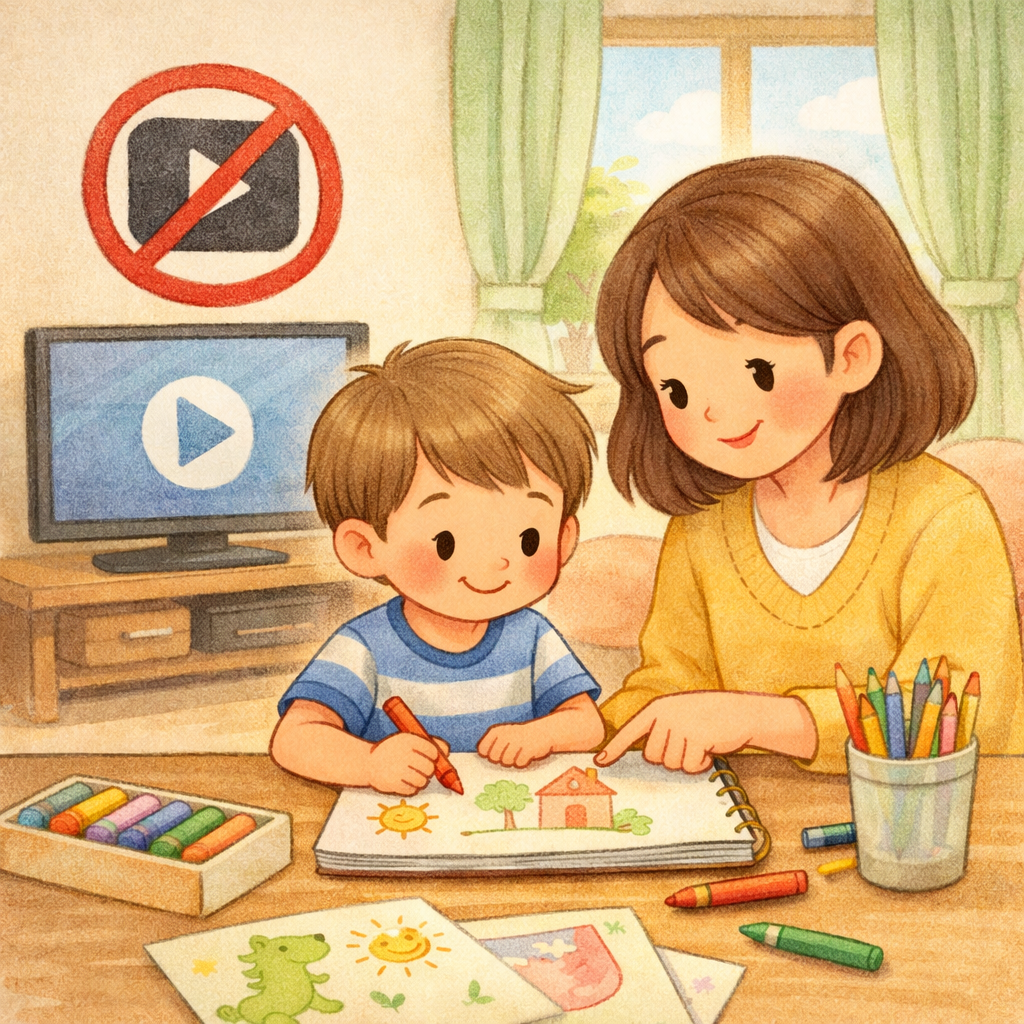
One of the best ways to reduce your child's media use is to fill their time with engaging and fun alternatives. If you simply take away the screen without offering something else, your child is likely to feel bored and resentful. Focus on encouraging offline hobbies and activities that they genuinely enjoy.
Promoting physical activity, creative pursuits, and real-world social interaction can help them discover passions beyond the screen. The goal is to make offline life as compelling as online life. The following sections offer ideas for outdoor play, new hobbies, and building social connections.
Encouraging Outdoor Play and Exercise
Getting outside for physical activity is a strong remedy for too much screen time. Exercise benefits both physical and mental health, especially in young people—it reduces stress, improves mood, and helps manage excess energy that might otherwise fuel restless screen use.
Experts suggest replacing screen time with activities offering similar rewards. Outdoor play gives sensory input, freedom, and social interaction, which many kids look for online.
To make outdoor play more appealing:
- Explore nature together: Go hiking, visit parks, or try geocaching.
- Join a team sport: Organized sports offer structure, exercise, and social connections.
- Plan family activities: Ride bikes, play catch, or take neighborhood walks as a family.
Promoting Offline Hobbies and Interests
Encouraging your child to explore offline hobbies can reduce screen time and boost confidence, social skills, and academic performance. Focus on activities that match their interests and strengths.
For children who feel socially isolated, solitary hobbies like reading, drawing, or building models offer creative escapes without the addictive nature of screens.
Consider your child’s unique abilities. If they enjoy creating worlds in video games, they might like writing stories, coding, or joining a Dungeons & Dragons group. The aim is to find real-world activities that engage and challenge them.
Building Social Opportunities Beyond Screens
If your child's media use is driven by a desire for social interaction, it's crucial to help them find offline social opportunities. For many kids, especially those with social anxiety, online connections feel safer and less demanding. Your role is to help bridge the gap between the digital and physical social worlds.
Start by creating low-pressure social situations with family members or one or two close friends. The goal is to build their confidence in their social skills in a supportive environment. As they become more comfortable, you can gradually expand their social circle.
Here are some ways to encourage social interaction beyond screens:
- Schedule regular playdates or hangouts with friends.
- Enroll them in a club or class based on their interests, such as art, music, or martial arts.
- Plan family game nights with board games or card games to foster interaction and fun.
Strategies Tailored for Neurodivergent Children
When it comes to managing screen time for children with ADHD symptoms or autism spectrum disorder, a one-size-fits-all approach rarely works. These children often use screens to help with self-regulation, so simply taking them away can be counterproductive. The key is to create tailored strategies that respect their needs.
This means focusing on building skills, establishing supportive routines, and understanding the "why" behind their screen use. The following sections will provide specific approaches for children with ADHD and autism, as well as tips for supporting their self-regulation skills in healthier ways.
Customizing Solutions for ADHD
Children with attention deficit hyperactivity disorder are particularly drawn to the fast-paced, high-reward nature of YouTube and video games. Are children with ADHD more likely to develop gaming addiction? Yes, research shows they are at a higher risk due to traits like impulsivity and a drive for instant gratification, which can worsen their ADHD symptoms over time.
Instead of a complete ban, focus on creating structure and channeling their energy. Predictable routines are essential. A clear schedule that outlines time for homework, chores, physical activity, and video game use can help manage expectations and reduce conflicts over screen time.
Here are some customized solutions for a child with a hyperactivity disorder:
- Use timers: Visual timers can help them see how much time is left, making transitions easier.
- Incorporate movement breaks: Encourage them to get up and move around every 20-30 minutes during screen time.
- Connect screen time to responsibilities: Frame screen time as a reward for completing tasks like homework or chores.
Approaches for Kids on the Autism Spectrum
For many autistic people, video gaming and online content offer a predictable and safe world where social rules are clear. How does gaming addiction affect autistic children differently than neurotypical kids? The screen can become a primary tool for coping with an overwhelming sensory world and managing anxiety, making it much harder to reduce usage without providing alternative regulation strategies.
A helpful approach is to lean into their interests. If your child on the autism spectrum loves video games, explore related offline activities like coding classes, game design workshops, or clubs where they can connect with peers who share their passion. This validates their interest while moving it into a more interactive, skill-building context.
It's also important to use their strengths. Many autistic people are great with rules and structure. Work with them to co-create a detailed screen schedule. This collaboration gives them a sense of control and makes them more likely to stick to the plan. Further research continues to explore how to best support autistic individuals in balancing their digital and offline lives.
Supporting Self-Regulation Skills
A core challenge in managing screen time is that children, especially those prone to video game addiction, often use screens as an external tool for self-regulation. When they feel overwhelmed, bored, or anxious, they turn to a device for comfort. Supporting them means teaching them other ways to manage these feelings.
When you try to limit screen time, you might see withdrawal symptoms like irritability or emotional outbursts. This is often a sign that they are struggling with a loss of control over their emotional state. Instead of punishment, view this as an opportunity to teach new coping skills.
Help them build a "toolbox" of self-regulation strategies:
- Create a calm-down corner: A cozy space with pillows, fidget toys, and books where they can go when they feel overwhelmed.
- Practice deep breathing: Teach them simple breathing exercises to use when they feel upset.
- Identify and label emotions: Help them put words to their feelings so they can understand and manage them better.
Involving the Family and Creating a Support System
Tackling excessive screen time is a team effort. Involving all family members in creating and maintaining new habits is crucial for success. When everyone is on the same page, it reinforces the new routines and shows your child that this is a family-wide priority, not just a rule imposed on them.
Building a strong support system helps your child develop better social skills and can even improve academic performance by creating a more structured home environment. The following tips focus on how to work together as a family to create a positive and supportive atmosphere around screen use.
Collaborative Goal-Setting with Your Child
Instead of imposing rules, try collaborative goal-setting with your child. When children help make decisions, they're more likely to follow the plan. Discuss why balancing screen time and other activities benefits their mental health and school performance.
Ask for their ideas on reasonable limits and offline activities they'd like to try. Frame it as a team effort: “How can we, as a family, have a healthy mix of online and offline fun?” This encourages communication and respect.
Start with small goals, such as one screen-free dinner per week or 15 minutes less YouTube daily. Celebrate these wins together to build momentum toward better routines and improved social skills as a family.
Engaging Siblings and Caregivers

For screen time rules to work, everyone in the household must participate. Involving siblings and caregivers ensures consistency, while mixed enforcement sends confusing signals.
Hold a family meeting to explain the new rules and their benefits—more activity, social interaction, and family time. Make sure all members, including older siblings, understand their role in modeling healthy habits. Consistency is key.
When everyone follows the rules—like "no devices at dinner"—it becomes a shared family value, not a punishment. This united approach makes enforcing boundaries easier and creates a more positive home environment.
Positive Reinforcement and Reward Systems
Positive reinforcement can be a powerful tool for encouraging new habits and reducing addictive behaviors. Instead of focusing on punishment for breaking rules, reward your child for sticking to the new routines. This approach builds motivation and makes the process of cutting back on screen time feel more positive and less like a battle.
The reward doesn't have to be material. In fact, rewards that involve quality time or special activities are often more effective. The goal is to reinforce the value of offline experiences and strengthen your connection with your child.
Consider implementing a simple reward system:
- Earn extra privileges: Offer a little extra screen time on the weekend for following the rules all week.
- Use a chart: Let them earn stickers for each day they stick to their screen time limits, which can be traded in for a special outing or activity.
- Offer verbal praise: Simple, genuine praise for their efforts can be a huge motivator. Say things like, "I'm so proud of you for turning off the game without any reminders."
Using Technology Wisely
Technology itself isn't the enemy. The key is to use it wisely and teach your child to do the same. This involves leveraging tools like parental controls to manage screen time and ensure your child is viewing safe content. It's about shifting from unrestricted media use to intentional and balanced engagement.
By actively guiding your child's digital experiences, you can help them build crucial digital literacy skills. This empowers them to make smart choices online, even when you're not looking over their shoulder. The following sections provide practical advice on how to use technology to your advantage.
Parental Controls on YouTube
YouTube offers several built-in parental controls that can help you manage what your child watches and for how long. These tools are a great first line of defense for ensuring they are accessing safe content and sticking to agreed-upon time limits. The YouTube Kids app, for example, is specifically designed for children and offers more robust filtering options.
Using this technology allows you to curate a safer viewing experience. You can block specific channels or videos, disable the search function so they can only watch approved content, and set a built-in timer that locks the app when their time is up. This automates the process and reduces daily negotiations.
Here is a quick overview of the main parental control options available:
|
Feature |
Description |
|---|---|
|
YouTube Kids |
A separate app with curated, family-friendly content and stronger parental controls. |
|
Restricted Mode |
An optional setting on the main YouTube site that helps screen out potentially mature content. |
|
Supervised Accounts |
Allows older children to use the main YouTube app with content settings and features managed by a parent. |
|
Time Limits |
Available in YouTube Kids, this feature lets you set a timer to limit a session of video game play or other viewing. |
Safe and Educational Content Recommendations
Not all screen time is created equal. Guiding your child toward safe and educational content can turn passive viewing into an active learning experience. Many creators on YouTube produce high-quality videos that can spark curiosity, teach new skills, and even support academic performance.
Instead of just restricting content, actively curate a playlist of channels you approve of. Watch some videos with your child to see what they enjoy and to vet the content yourself. This helps you steer them toward creators who are making positive and enriching material, building their digital literacy along the way.
Here are some examples of safe and educational content areas to explore:
- Science and DIY channels: Look for channels that do cool experiments or build interesting projects.
- Art and music tutorials: Encourage creativity by finding videos that teach drawing, painting, or how to play an instrument.
- Nature documentaries: Many channels offer kid-friendly documentaries about animals and the natural world.
Monitoring Versus Trusting Your Child
Balancing screen time monitoring and trust is a challenge for many families. With younger children, closer supervision helps ensure safety and build good habits—key to teaching digital literacy.
As children show responsibility, gradually shift from monitoring to trust. Encourage open conversations about online safety, what to do if something feels wrong, and the importance of healthy screen time habits.
Trust develops over time. Set clear expectations, use parental controls as support—not punishment—and keep communication open. This approach builds a trusting relationship where your child feels safe coming to you with concerns—the ultimate goal of digital parenting.
When to Seek Professional Help
Sometimes, despite your best efforts, your child's screen habits may become too difficult to manage on your own. If their YouTube use is severely impacting their mental health, schoolwork, or family life, it may be time to seek professional help. Recognizing when you need support is a sign of strength, not failure.
Therapists, pediatricians, and school counselors can provide valuable guidance and form part of a wider support system for your child and family. These professionals can offer specialized strategies and help you determine if there are underlying issues contributing to the problematic screen use.
Early Signs That Intervention May Be Needed
Recognizing early warning signs can help you get your child professional support before problems worsen. While some resistance to screen limits is normal, certain behaviors suggest a more serious issue.
Seek help if your child's screen use leads to severe anxiety, depression, social withdrawal, or a sharp drop in academic performance that aligns with increased screen time.
Watch for these red flags:
- Loss of control: They keep using screens excessively despite negative consequences.
- Extreme reactions: Intense anger or distress when screens are taken away, beyond typical frustration.
- Deceit: Lying about or hiding their screen use.
If you notice these signs, contact a professional for support.
Finding Therapists in Australia Specializing in Screen Concerns
If you’re in Australia and worried about your child’s screen addiction, specialized therapists can help. These professionals are trained to assess conditions like Internet Gaming Disorder and provide targeted mental health support.
Search for psychologists or counselors who list “screen addiction,” “technology addiction,” or “internet gaming” as specialties. Some use Cognitive Behavioral Therapy (CBT) to help children identify triggers and develop healthier habits. Programs like GameAware by Andrew Kinch also offer gamer-specific support.
When contacting therapists, ask about their experience with children and neurodiversity, as these often need a tailored approach. While research in this area is ongoing, many qualified professionals are available to support your family.
Role of Pediatricians and School Counselors
Your child's pediatrician and school counselor are key members of your support system. They are great first contacts if you’re concerned about your child’s screen time.
Pediatricians can check for underlying health issues and advise on healthy habits like sleep and exercise, both often impacted by excessive screen use. They can also refer you to mental health specialists if needed.
School counselors observe how screen habits affect learning and social skills. They can suggest strategies for home and school, and may offer in-school support. Don’t hesitate to reach out—they’re there to help your child succeed.
Addressing Common Myths About Children and Screen Time
There are many misconceptions about screen time, from the idea that all of it is harmful to the belief that it's impossible to manage. It's helpful to separate fact from fiction. While excessive media use can have negative effects, it's also true that technology can have positive aspects when used in a balanced way.
Understanding the nuances can help you approach your child's screen use with a more informed and less anxious perspective. This section will debunk some common myths surrounding internet addiction and highlight the benefits of controlled screen use, helping you find a healthy middle ground.
Misconceptions About YouTube Addiction
Spending lots of time on YouTube doesn’t automatically mean a child has “internet addiction.” While excessive use is a risk, true addiction is more complex. The WHO recognizes “gaming disorder” as a clinical condition, but not all heavy screen use qualifies.
Another myth is that YouTube addiction stems from weak willpower. In reality, platforms use sophisticated algorithms to keep users engaged, making it hard for anyone—especially children—to log off. This isn’t just a personal failing.
It’s also important to distinguish between a strong interest and an addiction. A child can be passionate about a hobby without harm. The key is whether their behavior causes significant problems in daily life. Studies show context and balance matter more than just the hours spent online.
Positive Aspects of Controlled Screen Use
Yes, gaming offers positive benefits for neurodiverse kids when used intentionally and safely. Controlled screen time can support learning, social connection, and mental health. Technology provides a safe space for developing social skills and connecting with peers. Educational apps and gamified learning engage children in ways traditional methods may not.
To encourage these benefits safely:
- Co-engage with your child.
- Set clear limits.
- Choose high-quality content.
Positive aspects of controlled screen use include:
- Skill Development: Learning coding, video editing, or new languages.
- Social Connection: Online communities foster belonging and reduce isolation.
- Enhanced Learning: Screens make education more accessible and engaging for various learning styles.
Balancing Digital Literacy with Healthy Habits
Digital literacy is essential today. Completely banning screens can disadvantage your child. Instead, focus on teaching them how to navigate the digital world safely while building healthy habits.
Guide them to be critical media consumers. Discuss advertising, misinformation, and online safety. Encourage reflection on how online time affects them. This shifts them from passive viewers to thoughtful users.
Balancing digital skills with healthy routines means integrating technology—not restricting it. Show how tech can support their hobbies, schoolwork, and social lives, helping them use technology to enhance their lives.
Conclusion
In conclusion, guiding your children towards healthier YouTube habits is essential for their overall well-being. By understanding the allure of engaging content and recognizing the signs of excessive screen time, parents can take proactive steps to create balance in their children's lives. Setting clear boundaries, fostering alternative activities, and involving the family in these efforts can help cultivate a supportive environment. Remember, it’s not about eliminating screen time but promoting mindful use that enriches their lives.
If you find yourself needing further assistance, don’t hesitate to reach out for a consultation or call daar at 02 9133 2500 for professional advice tailored to your child's needs.
Frequently Asked Questions
How Can I Tell if My Child Is Addicted to YouTube or Just Interested?
Differentiate by looking at control and negative effects. A strong interest is balanced with other activities. Warning signs of video game addiction include a loss of control over the amount of time spent online, neglecting responsibilities, and continuing to watch despite clear negative consequences in their life.
What Are Some Effective Ways to Break a YouTube Habit in Neurodiverse Kids?
For neurodiverse kids, focus on creating predictable routines and providing alternative ways to regulate their ADHD symptoms. Encourage physical activity, foster offline social skills, and use positive reinforcement to reward time spent away from screens. This approach addresses their underlying needs rather than just restricting access.
How can I set effective time limits on my child's YouTube usage?
To set effective time limits on your child's YouTube usage, establish clear rules and communicate them consistently. Use timers or apps to enforce boundaries, while encouraging discussions about their viewing habits. Regularly review these limits together to adapt as needed for growth and understanding.
.svg)




.svg)