
.png?width=48&height=48&name=Group%201%20(3).png)























5 March, 2026

Recognizing Signs of Gaming Addiction: Key Symptoms
Key Highlights
- Video game addiction involves a loss of control over gaming, leading to negative consequences in daily life.
- Key warning signs include changes in behavior, such as neglecting responsibilities, and emotional shifts like irritability or mood swings.
- Physical symptoms can manifest as disrupted sleep, fatigue, eye strain, and a decline in personal hygiene.
- When gaming starts to harm relationships, school, or work performance, it's a clear sign of a problem affecting mental health.
- Effective treatment options are available, including cognitive behavioral therapy and family counseling, to help restore balance.
Introduction
For many people, video games and social media are a source of entertainment and social connection. But when does a fun hobby cross the line into something more serious? Gaming addiction, also known as internet gaming disorder, is a growing concern that can significantly impact a person's mental health and daily functioning. Recognizing the signs is the first step toward finding balance. This guide will help you understand the symptoms of problematic gaming and learn when it might be time to seek support for yourself or a loved one.
Understanding Gaming Addiction in Australia
Video game addiction is recognized globally as a serious issue by medical professionals. The World Health Organization officially includes "gaming disorder" as a mental health disorder, highlighting its potential to cause significant harm. In Australia, like many other parts of the world, more people are experiencing the negative impacts of excessive gaming.
Understanding the risk factors is crucial. Similar to a substance use disorder, gaming addiction can affect anyone, but certain individuals may be more susceptible. Let's explore what defines this condition and who is most at risk.
Defining Gaming Addiction and Who Is at Risk
Gaming disorder, as defined by the World Health Organization in the fifth edition of the Diagnostic and Statistical Manual of Mental Disorders, is a pattern of behavior marked by poor control over gaming, where it takes priority over other interests and continues despite negative consequences.
Experts diagnose gaming addiction by looking for persistent behavior lasting at least 12 months that significantly impairs personal, social, or educational functioning. Common signs include constant preoccupation with gaming, withdrawal symptoms like irritability when not playing, and difficulty cutting back on the amount of time spent gaming.
Risk factors such as impulsivity, low self-control, and anxiety can increase vulnerability and make it harder to maintain healthy gaming habits.
Prevalence Among Teens and Adults in Australia
Gaming addiction affects both teens and adults in Australia, with young people at higher risk. While most enjoy gaming without issues, a small percentage develop unhealthy habits. Warning signs include spending excessive time gaming—especially on weekdays—and neglecting other activities, such as physical activity.
To tell if your child is developing an addiction, watch for missed homework, loss of interest in hobbies, or isolation from friends and family. These changes suggest that gaming is no longer just entertainment and may indicate signs of video game addiction.
Adults may show similar signs, such as poor job performance or ignoring household duties. Existing mental health issues like anxiety or depression can further increase the risk of addiction.
How Gaming Addiction Compares to Other Addictions
How does gaming addiction compare to other types of addiction? While it doesn't involve a physical substance, internet gaming disorder is classified as a behavioral addiction, much like gambling. It triggers the same reward centers in the brain as a substance use disorder, including substance abuse, by releasing dopamine, which reinforces the behavior and creates a cycle of craving.
The American Psychiatric Association includes "internet gaming disorder" in its Diagnostic and Statistical Manual of Mental Disorders (DSM-5) as a condition for further study, highlighting its connections to mental illness. This recognizes its similarities to other addictions, such as the loss of control and continuation of the behavior despite negative consequences. While a drug addiction involves a chemical dependency, a behavioral addiction like gaming disorder is rooted in an impulse control problem.
Here is how gaming addiction compares to a substance use disorder:
|
Feature |
Gaming Addiction (Behavioral) |
Substance Use Disorder (Chemical) |
|---|---|---|
|
Core Driver |
Compulsive urge to engage in an activity (gaming). |
Physical and psychological dependence on a substance. |
|
Brain Chemistry |
Releases dopamine, creating a pleasurable reward loop. |
Alters brain chemistry, leading to tolerance and withdrawal. |
|
Withdrawal |
Emotional symptoms like irritability, anxiety, and sadness. |
Physical and psychological symptoms, which can be severe. |
|
Consequences |
Social isolation, poor performance, and neglect of responsibilities. |
Health problems, financial issues, and legal trouble. |
Emotional and Psychological Warning Signs
Beyond the time spent playing, gaming addiction deeply affects a person's emotional and mental state. These psychological warning signs can often be the first indication that a hobby is becoming a dependency. Mental health problems, including attention deficit hyperactivity disorder, can arise or worsen as gaming takes over someone's life.
Recognizing these signs of addiction and symptoms of video game addiction is crucial for getting timely help. Treatments like cognitive behavioral therapy can be effective in addressing these issues. We will now look at some of the most common emotional red flags, including irritability, obsession, and using games to cope with stress.
Increased Irritability or Mood Swings
A key emotional sign of gaming addiction is increased irritability, especially when unable to play. These sudden mood swings often show as anger or frustration over small issues and are common withdrawal symptoms seen in other addictions.
Behavioral changes may include being defensive or secretive about gaming. These actions signal that clinical trials have shown gaming is impacting mental health. The person’s mood may depend on their ability to play, causing highs during gaming and lows when not playing.
If someone’s mood is closely tied to their gaming time, it may indicate a deeper problem. This emotional instability can strain relationships and clearly suggests unhealthy gaming habits.
Obsession With Gaming and Preoccupation When Not Playing
A key sign of gaming addiction is constant obsession with the game, even when not playing. The person frequently thinks about gaming—planning sessions, reliving wins, or strategizing—which interferes with work, school, and relationships. This mental fixation makes gaming the central focus of their life, pushing other responsibilities aside.
Despite negative consequences like poor grades or strained relationships, the urge to play remains strong. These behaviors indicate a loss of control and clear signs of behavioral addiction.
Using Gaming as a Coping Mechanism for Stress or Anxiety
Many people use online video games to relax, but for those with a gaming addiction, it becomes their main coping mechanism. They may play to escape real-life stress, anxiety, or sadness. While gaming offers temporary relief, it prevents them from developing healthier ways to manage emotions and face challenges.
Warning signs include using games as an emotional crutch. If gaming is the only source of happiness or calm, it indicates unhealthy dependence. This reliance can worsen mental health over time because underlying issues remain unaddressed.
Professional support can help. Therapies like group counseling teach new coping skills and connect individuals with others who share similar struggles, reducing the urge to escape into gaming.
Physical Symptoms Related to Excessive Gaming
Excessive video gaming doesn't just affect the mind; it also takes a toll on the body. The American Academy of Pediatrics states that the negative consequences of spending long hours in front of a screen can lead to a range of physical symptoms and tangible health problems. These signs are often easier to spot than emotional ones and serve as a clear warning that gaming habits have become unhealthy.
From sleep deprivation to aches and pains, the physical side effects of too much screen time should not be ignored. Let’s look at how excessive gaming can manifest in the body.
Changes in Sleep Patterns and Daytime Fatigue
Excessive video game use commonly disrupts sleep patterns. Many with gaming addiction stay up late playing, sacrificing rest for screen time. Blue light from screens further interferes with the body’s sleep-wake cycle, making it harder to fall asleep.
Poor sleep leads to daytime fatigue, making people appear tired, sluggish, and unable to concentrate. This can harm school or work performance and contribute to other health issues.
Chronic lack of sleep has serious effects on both physical and mental health—a clear sign that gaming is negatively affecting daily life.
Development of Aches, Pains, or Eye Strain
Sitting for hours while gaming can seriously affect physical health. Common symptoms include chronic back, neck, or wrist pain, often caused by poor posture and repetitive movements—sometimes leading to carpal tunnel syndrome.
Eye strain is also frequent, resulting in dry eyes, blurred vision, and headaches from staring at screens and blinking less. These issues signal that gaming is impacting your well-being.
Ignoring these warning signs can cause long-term problems. Aches, pains, and vision changes are your body’s way of telling you to take a break.
Neglect of Basic Self-Care Due to Gaming
When gaming, especially online games, becomes obsessive, self-care is often neglected. Gamers may skip meals, choose unhealthy snacks, or let personal hygiene decline. A noticeable drop in appearance and grooming is a strong sign of possible addiction, showing the virtual world has overtaken real-life needs.
This neglect can cause health issues like poor nutrition and skin problems. It signals that gaming has disrupted daily routines and threatens overall well-being.
Identifying the Impact on Daily Life
A key factor in identifying gaming addiction is observing its impact on daily life. When gaming causes significant impairment in a person's ability to function, it’s a clear sign of a problem, especially when considering the diagnostic criteria for identifying this issue. This can include a loss of interest in activities that were once enjoyed and a withdrawal from the real world.
The effects of online gaming are often felt not just by the individual but by their family members as well. From school and work to personal relationships, excessive gaming can leave a trail of negative consequences.
Declining Academic or Job Performance
Gaming addiction often leads to a decline in academic or job performance. Late-night gaming causes fatigue, making it hard to concentrate at school or work. Grades drop, deadlines are missed, and productivity suffers.
Obsession with gaming also impairs cognitive skills needed for learning and working. Tasks lacking instant gratification become harder to focus on, and attention drifts back to the game.
Excessive screen time replaces hours meant for homework or professional duties. This shift shows gaming has become more than a harmless hobby—it’s negatively affecting important aspects of life.
Strained Family and Social Relationships
Gaming addiction often leads to social isolation and strained relationships, contributing to various social problems. As individuals spend more time gaming, they may withdraw from family and friends, becoming irritable or defensive when asked to stop, which can cause conflict at home.
This withdrawal weakens social skills and reduces face-to-face interaction. Friendships outside gaming may fade, and interest in social events declines. While online communities offer some support, they can't replace real-life connections that are vital for emotional well-being.
Families dealing with gaming addiction can find help through family therapy and peer support groups. These resources repair communication, rebuild trust, and guide everyone affected.
Gaming Detox Plan and Treatment Options
If you recognize the signs of gaming addiction in yourself or a loved one, know that help is available. Creating a gaming detox plan and exploring treatment options are proactive steps toward regaining control. From setting boundaries with parental controls and a family media plan to seeking professional help, there are many ways to address the issue.
Working with a mental health professional can provide structured support through methods like cognitive behavioral therapy or group therapy, complemented by a systematic review of effective practices. Let's look at how to start a digital detox and where you can find the help you need.
Steps for a Digital Detox From Games and Where to Get Help
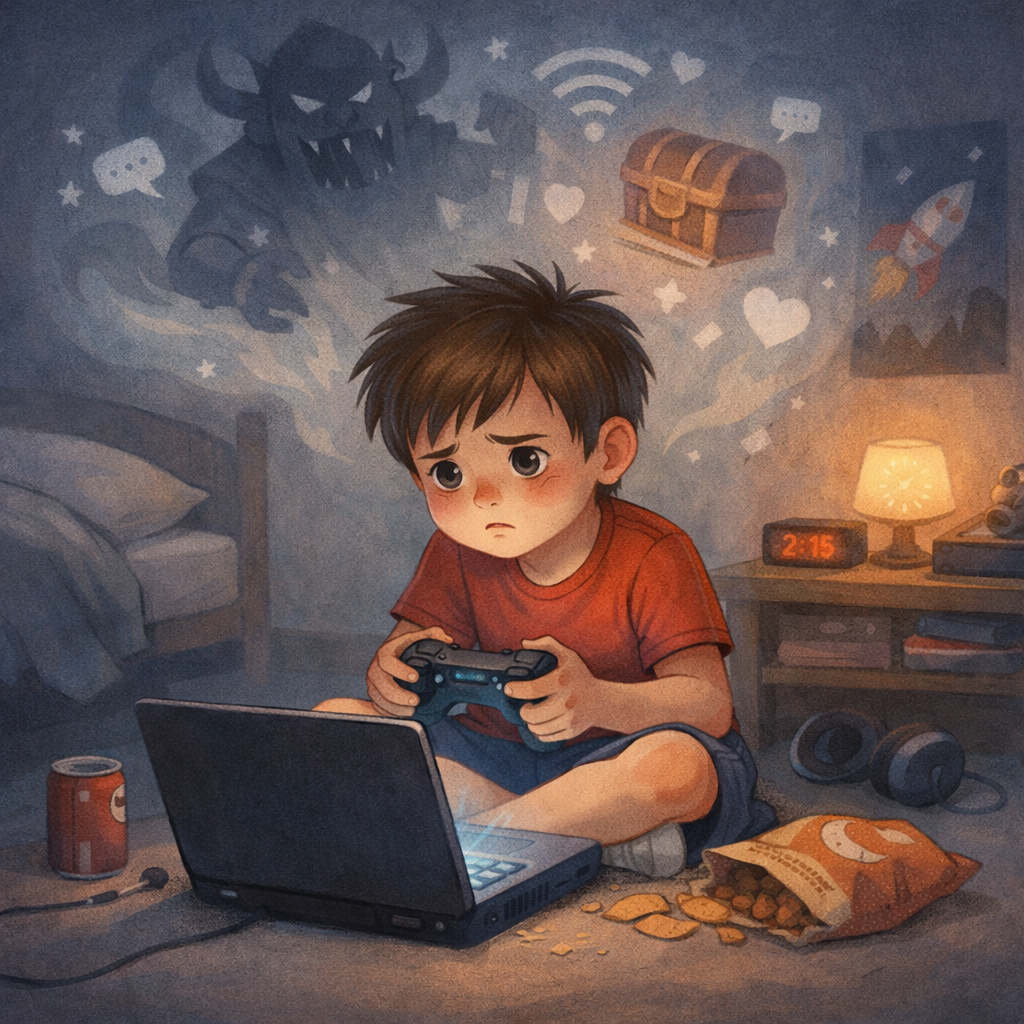
Starting a digital detox is a strong first step. Track your gaming hours to understand your habits, then set clear, realistic limits. Replace gaming time with new hobbies, exercise, or social activities. A family media plan can also help set healthy boundaries at home.
Effective treatments for video game addiction include cognitive behavioral therapy (CBT), which helps identify triggers and change negative thought patterns. According to the International Classification of Diseases, if self-help isn’t enough, seek support from a mental health professional.
Families can find help through counseling and support groups. Therapists offer personalized recovery plans and address issues like anxiety or depression.
Conclusion
Recognizing gaming addiction in the United States is key to maintaining balance. Emotional, psychological, and physical symptoms can affect your daily life and relationships. Being aware of these signs lets you address your habits and seek help if needed.
Consider a gaming detox or professional support—prioritize your mental health. Gaming should be enjoyable, not overwhelming; reach out for consultation or call daar at 02 9133 2500 for guidance if you need it.
Frequently Asked Questions
What are the most common signs that someone may be struggling with gaming addiction?
Common signs of gaming addiction include increased irritability, obsession with gaming, neglecting self-care, and declining academic or job performance. Physical symptoms may manifest as sleep disturbances and fatigue. These indicators can heavily impact social relationships and daily activities, as well as daily life functioning.
How can I differentiate between healthy gaming habits and gaming addiction?
To differentiate between healthy gaming habits and gaming addiction, consider the impact on daily life, relationships, and responsibilities. Healthy gaming, including games like World of Warcraft, is balanced and controlled, while addiction manifests through compulsive behavior, neglect of personal care, and significant emotional distress when not playing.
What steps can I take if I suspect a loved one is experiencing gaming addiction?
If you suspect a loved one is facing gaming addiction, initiate an open conversation, express your concerns compassionately, and encourage professional help. Offer support in exploring treatment options, such as therapy or counseling, while respecting their feelings throughout the process.
.svg)




.svg)