
.png?width=48&height=48&name=Group%201%20(3).png)
























12 March, 2026

Screen Time and Autism: Strategies for Healthy Usage
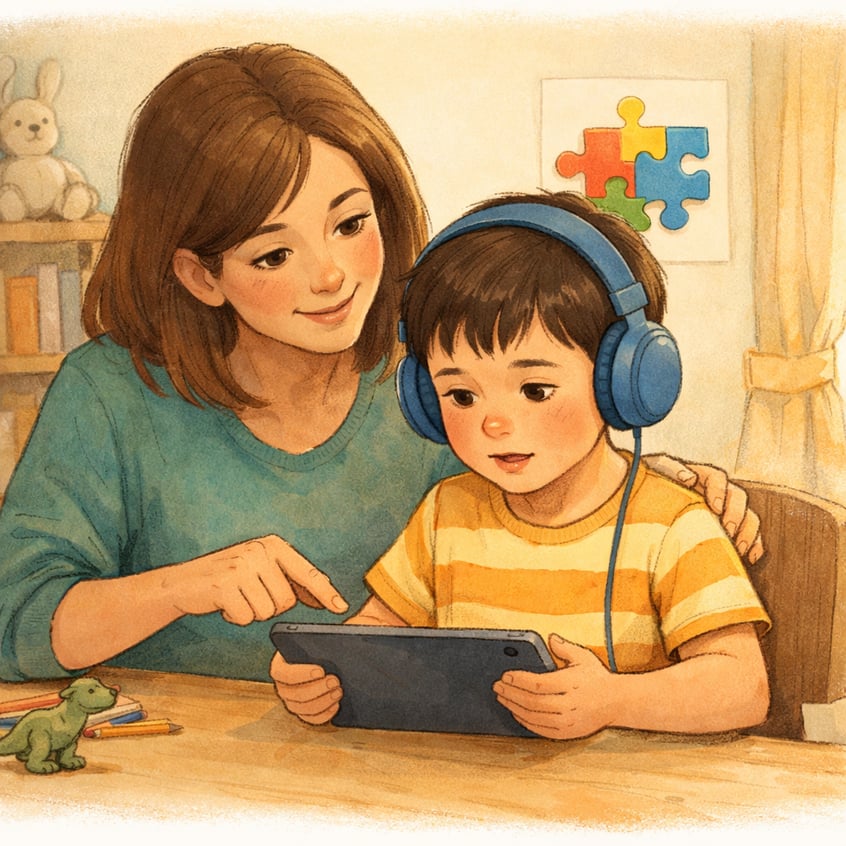
Key Highlights
Here are the key takeaways about screen time and autism:
- Children on the autism spectrum are more vulnerable to the negative effects of excessive screen use, particularly regarding reduced white matter.
- Too much screen time can impact brain development, affecting executive function, attention, and emotional regulation.
- While screens can offer benefits like social connection and skill-building, finding a healthy balance is crucial for a child’s well-being.
- Common risks for autistic children include addiction, sleep problems, cyberbullying, and negative impacts on physical health.
- Parents can help by setting clear boundaries, encouraging offline activities, and modeling healthy screen habits.
Introduction
Many parents of young children worry about the effects of screen time, but the conversation is often different for those with autism spectrum disorder. For these children, technology can be a double-edged sword. It can provide a safe space for learning and connection, yet it also presents unique risks. Understanding both the benefits and potential downsides is key to helping your child build a healthy, balanced relationship with screens. Let's explore how screen time specifically impacts these special brains and find strategies for healthy usage.
The Effects of Screen Time on Autistic Children
Screen time affects autistic children in unique ways due to their brains' specific wiring. While technology doesn't cause autism, studies suggest that early exposure to screens is not linked to the development of autism symptoms. However, excessive screen exposure can worsen certain symptoms in already diagnosed children, including those related to sensory processing. The stimulating nature of the digital world can lead to hyperarousal, making it difficult for them to regulate emotions.
This increased sensitivity means they are more vulnerable to the negative effects of screens. A systematic literature review highlights that what might be manageable for a neurotypical child could be overwhelming for an autistic child, impacting sleep, social interactions, and overall child development. The key is understanding these distinct impacts to create a healthier approach.
Sensory and Cognitive Impacts of Extended Use
Neurodivergent children have uniquely sensitive brains, making them more vulnerable to the higher risk of experiencing the effects of extended screen time. Interactive screens can overstimulate, causing hyperarousal and difficulties with stress and emotion regulation. Excessive screen use can hinder frontal lobe development, vital for executive function, and damage white and gray matter, disrupting whole-brain integration.
Heavy technology use strains attention and depletes mental energy, making daily tasks harder. Balancing screen time is crucial to support healthy brain development and avoid additional challenges.
Emotional, Social, and Behavioral Considerations
Excessive screen time can worsen social and emotional challenges in neurodivergent children in the United States. While technology offers low-pressure ways to connect, overuse hinders the development of social skills like reading body language and emotional cues. This may increase social anxiety, reduce empathy, and signal underlying issues such as depression or burnout.
For children prone to anxiety, screens and screen activities can become unhealthy coping tools, leading to poor emotional regulation and fewer healthy coping strategies. Constant stimulation makes it harder to manage thoughts, emotions, and behavior.
This often results in behavioral problems like aggression, irritability, and meltdowns—especially when transitioning away from devices—due to overstimulation and difficulty shifting from the high-reward digital environment.
Potential Risks of Excessive Screen Time
Excessive screen time can pose various potential risks, including an increased risk to child development, particularly for neurodivergent children. Research indicates links between high screen exposure and adverse effects on social skills, emotional regulation, and language acquisition. The American Academy of Pediatrics emphasizes the importance of limiting daily screen time to encourage physical activity and promote healthy sleep quality. Engaging in face-to-face communication can help develop new skills, while too much time spent on electronic devices may lead to behavioral problems, impacting overall well-being and brain development.
Sleep, Physical Health, and Academic Concerns
Excessive screen time can harm sleep quality, as blue light disrupts circadian rhythms by suppressing melatonin. This makes it harder for children to sleep well, leading to fatigue, mood issues, and trouble concentrating—especially concerning for children with autism who may already have low melatonin levels.
Physical health is also affected. Long hours on devices mean less physical activity, increasing the risk of obesity and metabolic syndrome. Stimulating content like video games can raise heart rates.
These problems can impact academic performance. Poor sleep and inactivity make it harder to focus in school, adding extra challenges for children already struggling.
Impacts on Communication Skills and Social Development
A major concern with screen time is its negative impact on the development of communication skills and language development. Language skills are acquired through interactions with adults, but screens can reduce the quantity and quality of these exchanges. This provides fewer opportunities for a child to practice and develop their language abilities. Even background television has been shown to have adverse effects on a young child's language usage.
This effect on social development is critical because many neurodivergent children already struggle with social interactions. Screens can become a way to avoid the challenges of face-to-face communication, which limits their opportunities to practice reading body language, making eye contact, and understanding social cues, potentially impacting their development in the short term.
This creates a cycle where children retreat to screens because social interaction is difficult, which in turn further limits their skill development. While technology can offer some social outlets, it can't replace the real-world practice needed to build strong language and social skills for lifelong success.
Recognizing Healthy vs. Unhealthy Screen Habits
Distinguishing healthy from unhealthy screen habits is about more than time spent on devices; it’s how media use impacts your child’s life. Healthy use is balanced and doesn’t disrupt sleep, homework, or family time. Unhealthy habits arise when screens interfere with daily routines.
Watch for signs that screen time affects basic functions. Setting clear limits is important, but also pay attention to your child’s behavior and emotions. Recognizing both healthy and problematic use helps guide your child toward better tech habits.
Signs of Balanced Usage in Autistic Children
Balanced usage of technology looks different for every child, but the core principle is that it supports, rather than hinders, healthy development. When an autistic child has a healthy relationship with screens, their daily screen time, ideally no more than one hour of screen time, doesn't get in the way of other important parts of life. They are still engaged in school, participating in family activities, and getting enough sleep and exercise.
You can tell technology use is balanced when your child can transition away from screens without significant meltdowns. They understand and respect time limits, even if they need reminders. They also use screens for a variety of purposes, including learning, connecting with friends, and exploring their interests, rather than just as a way to escape or self-soothe, which ultimately allows them to spend less time on screens.
Here are some signs of balanced usage:
- Screen time doesn't interfere with sleep, schoolwork, or personal hygiene.
- The child engages in a variety of offline activities and social interactions.
- They can stop using screens when time is up without extreme distress.
- Technology is used for creative, educational, or social purposes.
Early Warning Signals of Problematic Patterns
Recognizing early warning signs is crucial to prevent problematic screen use from escalating into internet addiction. One major red flag is when screen time interferes with basic life functions, such as personal hygiene, physical activity, or schoolwork.
Behavioral changes are also key indicators. Watch for increased obsessive-compulsive behaviors, aggression, or self-harm linked to Prime use. Irritability, meltdowns, and trouble managing emotions—especially when transitioning off screens—signal technology-related dysregulation.
Specific warning signs include:
- Sleep problems (trouble falling asleep or poor sleep quality)
- Social withdrawal and loss of interest in offline activities
- More aggression, anxiety, or meltdowns when limits are enforced
- Neglecting responsibilities like homework or chores
The Benefits and Opportunities of Screen Time for Autistic Kids
While it's important to be aware of the risks, screen time can also offer significant benefits and opportunities for autistic kids in early childhood. Technology can provide a safe and predictable space in a world that often feels overwhelming. It allows children to dive deep into their special interests, helping them develop new skills and confidence in areas where they excel.
From educational apps to online communities, screens can be powerful tools for skill-building and social connection. For children who find face-to-face interactions challenging, the digital world can offer a less-pressured way to connect with like-minded peers, fostering friendships that might not otherwise be possible.
Educational Apps and Skill-Building Tools
For many autistic children, educational apps and gamified learning can be more engaging than traditional lessons. These tools can turn skill-building into a fun and interactive experience, supporting everything from language acquisition to life skills. Technology use in this way can complement other therapies, like ABA therapy, by providing another avenue for practice and reinforcement.
Virtual reality, augmented reality, and artificial intelligence have all been shown to be effective in teaching autistic children skills ranging from personal hygiene to map reading. These technologies can provide a controlled environment to practice real-world tasks. Even certain video games can help with problem-solving, collaboration, and working through conflict.
However, content matters. It's important to choose high-quality apps that are designed for learning and avoid those with addictive features.
|
Skill Area |
Examples of Technology Tools |
|---|---|
|
Communication |
Augmentative and Alternative Communication (AAC) devices, speech-to-text apps |
|
Life Skills |
Gamified learning programs for personal health, virtual reality for transportation skills |
|
Executive Function |
Online calendars, planners, and reminder apps to help with organization |
|
Vocational Skills |
Coding programs, video game design software, and other computer science tools |
Social Integration, Relaxation, and Special Interests
For many neurodivergent young people, screens are a gateway to social integration. Technology connects them with like-minded peers worldwide, fostering friendships around shared interests. For those who find face-to-face interaction stressful, screens reduce social pressure, making it easier to build social skills and confidence. One study even found that autistic students reported higher-quality friendships through social media.
Screens also offer relaxation in an overwhelming world; familiar digital content can soothe anxiety and provide a sense of control, which helps protect against depression and anxiety.
Additionally, technology lets kids explore their special interests—whether Pokémon, aviation, or coding—offering endless opportunities for skill development and building identity and confidence.
Collaboration and Support for Families
Navigating the world of screen time with an autistic child can feel overwhelming, but you don't have to do it alone. Collaboration with healthcare professionals, therapists, and educators is key to finding the right balance. These experts can provide personalized support and strategies that work for your child and family.
Even organizations like the American Academy of Pediatrics have moved away from rigid rules, emphasizing a more nuanced approach that considers a certain amount of time. The goal is to build a support system that helps your family create a media plan that fosters a healthy relationship with technology while supporting your child's overall well-being.
Partnering with Therapists, Educators, and Care Teams
Building a consistent approach to technology requires teamwork. Collaborate with your child's therapists, educators, and other care providers to ensure cohesive support. Share your concerns and successes around screen time and seek their insights. They can help assess how technology affects your child in various settings, such as school or therapy.
For instance, an ABA therapist can suggest ways to use technology as a positive reinforcer, while teachers may recommend educational apps that complement classroom learning. Working together aligns everyone toward common goals for your child.
This network of support helps create a balanced plan for screen time, offering consistency for your child and equipping your family with effective strategies and resources.
Customizing Tech Strategies for Individual Needs
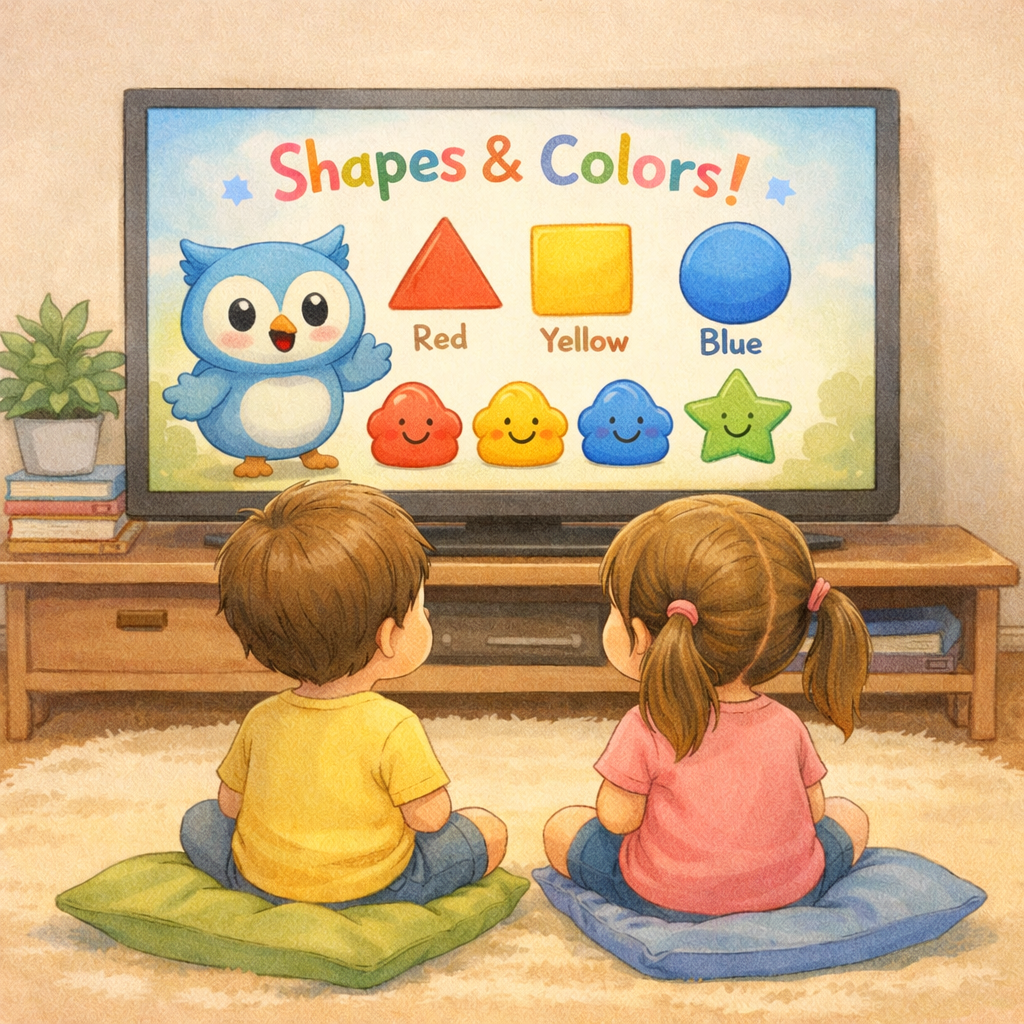
There’s no universal approach to managing screen time for children with autism, and it is essential to limit screen time according to your child’s unique needs and sensitivities. The most effective strategies are tailored to your child’s unique needs and sensitivities. What works for one child may not work for another, so observe and stay flexible.
Environmental factors matter too—a stressful day at school might mean your child needs screen time to decompress. Rigid limits could backfire; instead, create an adaptable family media plan with your child, setting agreed-upon stopping points and clear transition warnings.
The aim is to teach self-monitoring—a valuable lifelong skill. By customizing your approach, you help your child build a healthy relationship with technology that supports their well-being.
Conclusion
In conclusion, navigating your child’s screen time for autistic children can be a complex journey, but understanding its impacts is essential for fostering healthy habits. By recognizing both the potential benefits and risks associated with screen usage, parents can create a balanced approach that enhances learning and social integration while mitigating negative effects. Collaboration with therapists, educators, and care teams can further tailor strategies to meet individual needs, ensuring that screen time becomes a constructive part of daily life.
If you're seeking more personalized guidance, consider reaching out for a consultation or call daar at 02 9133 2500 to explore tailored strategies for your family.
Frequently Asked Questions
How much screen time is safe for children on the autism spectrum?
There are no rigid time limits specifically for children on the autism spectrum. The American Academy of Pediatrics suggests focusing on balance rather than a set amount of screen time. The key is to ensure media use doesn't interfere with sleep, physical activity, and face-to-face social interactions.
Are there any benefits to screen time for autistic kids?
Yes, screen time can offer many benefits for autistic kids. Educational apps can help them learn new skills and support their cognitive development, while online communities can provide a low-pressure way to build social skills and connect with peers who share their interests. It can be a powerful tool for learning, socializing, and relaxation.
How can parents manage social media use for autistic children?
To manage social media for autistic children, prioritize safety and open communication, keeping their mental health in mind. Set clear rules about what is safe to share, monitor their activity, and teach them about online risks like cyberbullying. Regulating screen time and encouraging healthy screen habits helps ensure that social media remains a positive tool for social interactions.
.svg)




.svg)