
.png?width=48&height=48&name=Group%201%20(3).png)























11 March, 2026

Understanding How Screen Time Affects Autism in Kids
Key Highlights
- Children on the autism spectrum can be more sensitive to the effects of excessive screen time.
- While electronic devices can help with social connection, too much use poses risks to mental health.
- Excessive screen time might impact attention, emotional regulation, and social skills.
- Finding a healthy balance is key, as overuse can lead to sleep issues and addiction.
- Parents can help by setting clear boundaries and encouraging offline activities.
- Modeling healthy screen habits is also crucial for children's well-being.
Introduction
Many parents worry about the effects of screen use on their kids, but the conversation is different for children with autism spectrum disorder. For these kids, technology can be a double-edged sword. It can provide a safe space for learning and connection in their daily living, yet it also comes with unique risks to their mental health. Understanding both the benefits and potential downsides is key to helping your child build a healthy, balanced relationship with screens.
Overview of Screen Time and Autism Spectrum Disorder
Screen time significantly affects brain development, especially in young children with autism spectrum disorder, which plays a crucial role in child development. Interactive electronic devices and early screen exposure can overstimulate sensitive brains, leading to challenges with regulating emotions and stress. What might be manageable for neurotypical children can be overwhelming for their neurodivergent peers.
While some studies link excessive media use in early childhood to a higher chance of an autism diagnosis, this isn't evidence that screens cause the condition. Autism is shaped by complex factors, and screens may simply amplify existing vulnerabilities.
What Counts as Screen Time for Kids in Australia
Screen time refers to the total time a child spends on electronic devices, including TVs, computers, tablets, and smartphones. It covers both passive activities, like watching videos, and active engagement, such as playing games or using educational apps.
In Australia, children’s media use now includes interactive and educational content across various devices that are prevalent in our everyday lives. The focus has shifted from limiting screen time to assessing its quality and context. Experts recommend considering how screen use affects a child’s sleep, physical activity, and social interactions, rather than just counting hours.
Rising Prevalence of Screens in the Lives of Autistic Children
Screens are a common part of children's lives, especially for young people on the autism spectrum. Neurodivergent kids often use technology more intensely or differently—such as to regulate emotions or connect with others who share their interests—making their relationship with screens more complex.
For some autistic children, screens offer comfort and predictability in an overwhelming world, becoming essential coping tools. If not managed, this can lead to excessive use.
Heavy reliance on screens may cause social withdrawal, as children avoid face-to-face interactions and miss chances to build communication skills. This underscores the importance of balanced screen exposure.
Comparing Screen Time Impact: Autistic vs. Neurotypical Kids
Children on the autism spectrum often experience screen time differently from neurotypical children. Due to differences in sensory processing and emotional regulation, they can be more vulnerable to overstimulation from screens, which can negatively impact language acquisition. This heightened sensitivity can affect their executive function and overall well-being.
What might be a minor disruption for neurotypical children can cause significant dysregulation for a child with autism, impacting their behavior and sleep. Screens can also reduce opportunities for the face-to-face social interaction needed to develop key communication skills.
Why Children with Autism May Be More Sensitive to Digital Media
Neurodivergent children, especially those with autism, are more sensitive to electronic devices and technology use. Their brains process information differently, making them prone to sensory overload from fast visuals and loud sounds.
This overstimulation can overwhelm their nervous system and make emotional regulation harder, leading to stress and meltdowns. Constant screen input can be exhausting and leave them feeling dysregulated.
For these children, digital entertainment can cause anxiety. Rapid content often triggers hyperarousal, making it hard to calm down even after the device is off. A mindful approach to digital media is essential.
Distinctive Behavioral Responses and Challenges
Excessive screen time in children with autism often leads to noticeable behavioral changes, such as increased irritability, frequent meltdowns, and difficulty regulating emotions—especially when asked to stop using a device. These reactions suggest that screen exposure may be negatively affecting language development in them.
Watch for decreased social interaction, like less eye contact or reluctance to engage in face-to-face conversations. If your child withdraws from offline activities and prefers the digital world, their screen use could be becoming problematic.
If screen time starts interfering with social skill development or daily functioning—such as replacing outdoor play, family interaction, or schoolwork—it’s a clear sign to reassess their screen habits.
Potential Risks of Excessive Screen Time for Kids with Autism
While screens can offer benefits, excessive screen time poses significant risks for children with autism, especially concerning their mental health. One of the biggest concerns is what screens displace: essential activities like physical activity, hands-on learning, and face-to-face interaction that are vital for healthy development. Families exploring support options may find that evidence-based approaches like ABA therapy are effective in addressing these developmental concerns.
These negative effects can manifest in various ways. Overuse can interfere with basic life functions and may even signal issues like depression or burnout. The risks are not just about the hours spent but also about the sedentary behavior and the content being consumed. We'll explore some specific risks next.
Worsening of Repetitive Behaviors or Symptoms
Excessive screen use can intensify traits and repetitive behaviors in children with autism spectrum disorder. While screens do not cause autism, their stimulating nature may negatively affect an already sensitive brain, leading to increased reliance on repetitive actions for self-soothing, particularly impacting white matter.
Some studies suggest that early intervention is critical, as early, heavy screen exposure may be linked to a higher risk of an autism diagnosis, but this does not mean screens are a cause. Instead, it indicates that for vulnerable children, too much screen time can amplify symptoms.
Technology can hinder brain integration, especially in the frontal lobe responsible for executive functions. When affected, it becomes harder for children to break away from rigid patterns, potentially worsening symptoms.
Emotional Regulation, Sleep, and Physical Health Concerns
Excessive screen time can harm a child's emotional regulation and physical health. Blue light from screens disrupts sleep by suppressing melatonin, especially affecting children with autism who may already have low levels. Disruption of circadian rhythms due to screens contributes to poor sleep, leading to fatigue, irritability, and difficulty concentrating, making emotional regulation harder and impacting brain development.
Heavy screen use also encourages a sedentary lifestyle, increasing the risk of obesity. Managing screen time isn’t just about limiting hours—it’s crucial for protecting a child’s overall well-being.
Recognizing Signs of Screen Time Overuse in Autistic Children
It's crucial for parents to know when screen time is becoming a problem for their child. One of the clearest signs of excessive screen use is when it starts interfering with basic life functions, like personal hygiene, schoolwork, or family relationships, ultimately affecting sleep quality. This can be one of the first negative impacts you notice.
Another warning sign is increased social withdrawal or irritability, especially when screens are taken away. These behaviors might indicate a growing dependence that borders on screen addiction. The following sections will detail more specific clues parents can watch for and explain how to tell the difference between healthy enjoyment and dependency.
Behavioral Clues and Warning Signs for Parents
Parents should watch for behavioral signs that screen time is having a negative impact. A decline in social skills—such as less interest in offline activities, trouble with face-to-face conversations, or avoiding eye contact and neglect of body language—is a key warning sign.
Social withdrawal is another red flag. If your child consistently prefers screens to interacting with friends or family, or becomes irritable or anxious when you set limits, it may signal overuse and growing dependency.
Also, notice if screens are interfering with homework, personal hygiene, or physical play. Neglecting these activities indicates their screen habits need to be addressed and a healthier balance restored.
Understanding the Differences Between Enjoyment and Addiction
It's important to distinguish between a child who simply enjoys their screen time and one who is developing an addiction. Enjoyment is when a child can easily transition away from a device when time limits are up. Addiction, however, involves a compulsive need for screens that negatively impacts their life.
Excessive screen use becomes a problem when it's the only activity, such as a video game, that brings them joy or calms them down. Healthy screen habits involve a balance with other offline activities. Some warning signs of addiction in neurodivergent children include:
- Intense anger or distress when screens are taken away.
- Losing interest in hobbies and activities they once enjoyed.
- Sneaking screen time or lying about the amount of time spent on devices.
If screen time is causing significant disruption to sleep, school, or family relationships, it's more than just enjoyment. Recognizing these signs early can help you guide your child back toward a healthier relationship with technology.
Expert Guidelines and Safe Screen Time Recommendations
Finding the right amount of safe screen time isn't about a single magic number. Experts, including the American Academy of Pediatrics, have moved away from rigid rules, now favoring a more nuanced approach. The focus is on creating a healthy balance that fits a child's daily life without displacing essential activities.
This means a family media plan should be tailored to your child's individual needs. The goal is to ensure screen time doesn't interfere with sleep, physical activity, and social interaction. Next, we'll cover specific recommendations and tips for introducing devices safely.
Australian and Global Best Practice Recommendations
There are no official Australian guidelines for children with autism, but parents can adapt global recommendations, including those from the United States. The American Academy of Pediatrics (AAP) suggests a balanced approach, focusing on quality and ensuring media doesn't disrupt sleep or physical activity.
For younger children, guidelines support brain development; for older kids, they emphasize consistent limits and self-monitoring. These serve as a helpful starting point for families to create personalized media plans.
Adapted AAP screen time guide:
|
Age Group |
Recommended Screen Time |
Key Considerations |
|---|---|---|
|
Under 18 months |
Avoid screens (except video calls). |
Hands-on play is vital. |
|
18–24 months |
Only high-quality programming with a parent. |
Co-viewing aids understanding. |
|
2–5 years |
Max one hour per day of quality content. |
Parents should link content to real life. |
|
6+ years |
Set consistent limits on time and type. |
Don’t let it replace sleep, exercise, or social time. |
Tips for Introducing Digital Devices to Autistic Kids

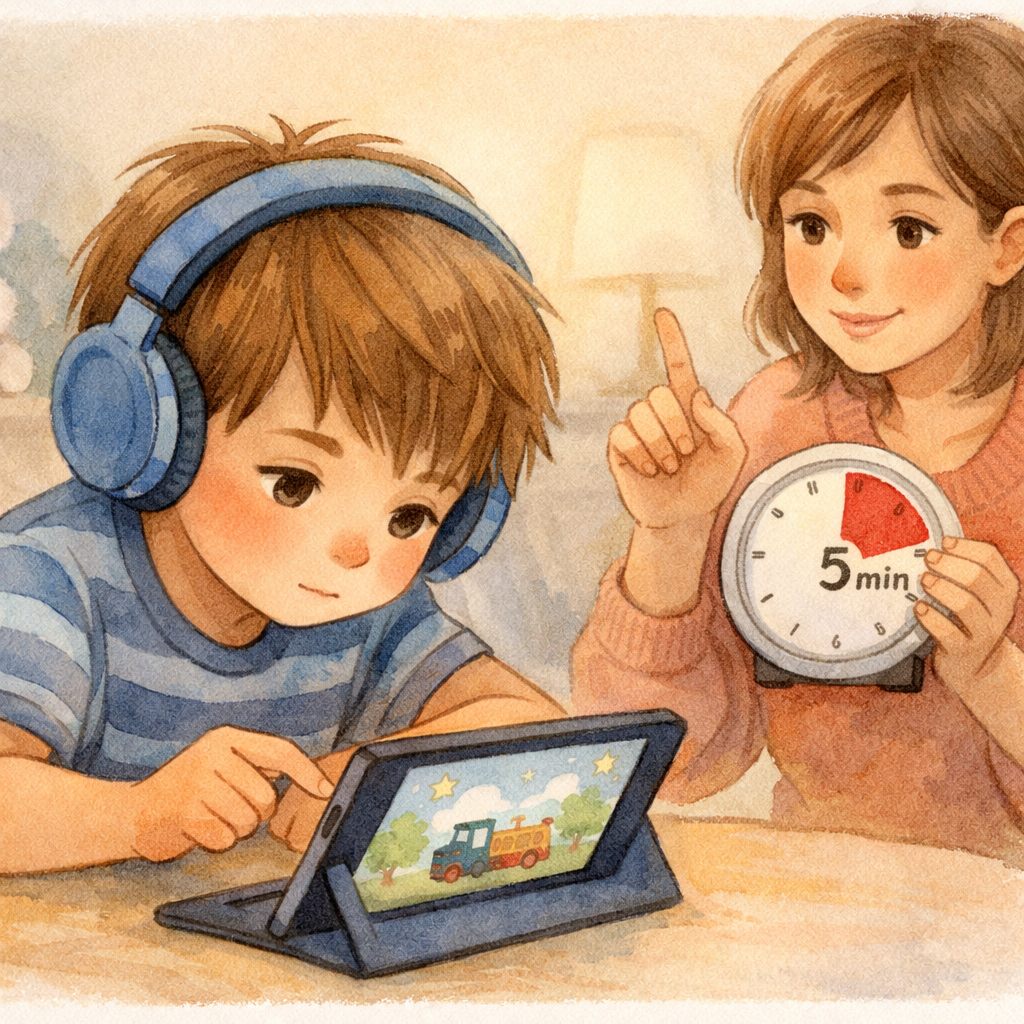
When introducing electronic devices to a child on the autism spectrum, start slowly and with clear goals. Prioritize quality content over the device itself. Engage with your child during screen time to bond and better understand their interests.
Set healthy screen habits early by creating clear rules about when and where devices can be used. Communicate openly about these guidelines, emphasizing health and well-being so your child feels involved.
Tips for success:
- Choose high-quality, interactive content that supports learning.
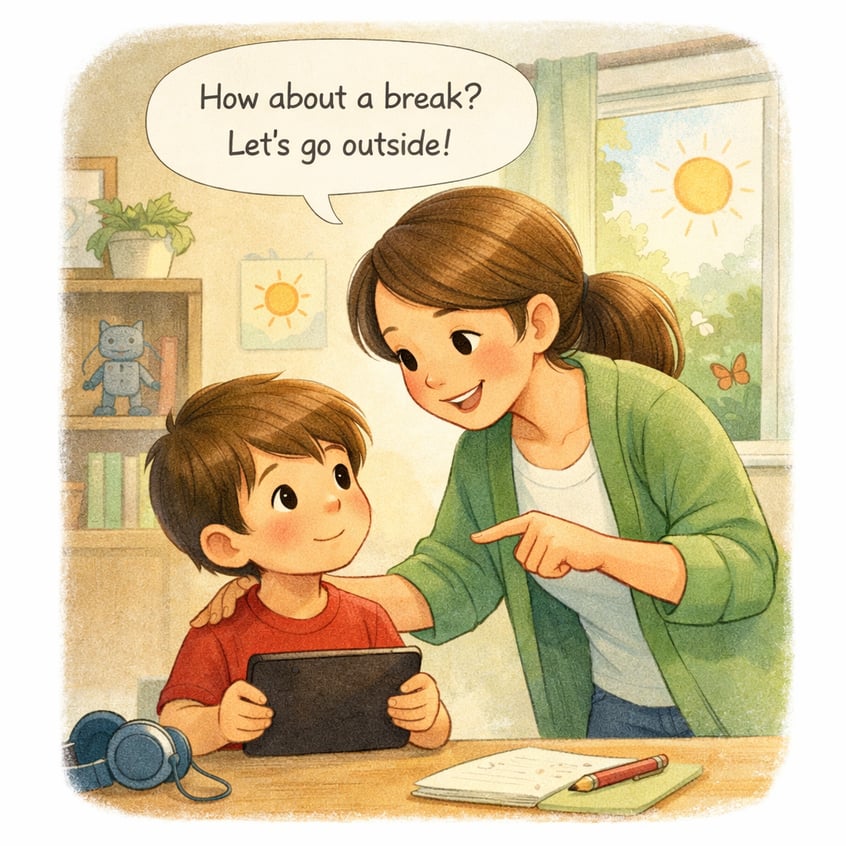
- Set “tech-free” zones and times, such as during meals or before bed.
- Work together on stopping points to ease transitions.
- Model healthy behavior by limiting your own screen use.
Conclusion
In conclusion, understanding how screen time affects children with autism is essential for parents and caregivers. While screens provide educational and entertainment benefits, excessive use can harm behavior, emotional regulation, and health. By monitoring usage and following expert guidelines, you can maintain the right balance in a balanced approach that supports your child’s development. Moderation is key—thoughtful management makes screens a positive part of your child’s routine.
Reach out for a consultation or call daar at 02 9133 2500 for expert guidance or personalized strategies, seek expert advice.
Frequently Asked Questions
Can screen time benefit children with autism in any way?
Yes, screen time can offer significant benefits for children with autism spectrum disorder. Educational apps can help them learn new skills, while online communities and social media platforms provide a low-pressure way to foster social connection. For many, technology offers a safe and predictable space to explore their interests and build confidence.
What strategies help parents manage their autistic child’s screen use?
To manage screen use, parents should establish clear boundaries and consistent time limits regarding social media use. Fostering healthy screen habits through open communication about the rules is also effective. Involving your child in setting limits and planning alternative activities can help make the process a collaborative effort rather than a conflict.
How can families help prevent overstimulation from digital screens?
Families can prevent overstimulation by choosing calmer, slower-paced content and avoiding screens before bedtime. Balancing screen exposure with plenty of offline activities is crucial. Creating tech-free zones and encouraging breaks helps give their sensory processing system a rest and supports their executive function by reducing overwhelming environmental factors.
.svg)




.svg)