
.png?width=48&height=48&name=Group%201%20(3).png)























5 March, 2026

Screen Time and the Effects It Has on Neurodiverse Kids
Key Highlights
- Neurodivergent children, particularly those on the autism spectrum, have a higher risk of experiencing negative effects from excessive screen time.
- The unique wiring of an autistic brain makes it more vulnerable to issues like hyperarousal, sleep disturbances, and social deficits due to screen use.
- Excessive screen time can impact brain development, affecting executive function, attention, and emotional regulation.
- Common risks for neurodivergent children include addiction, sleep problems, cyberbullying, and negative impacts on physical health.
- While screens can offer benefits like social connection, finding a healthy balance is crucial for a child's well-being.
- Parents can help by setting clear boundaries, encouraging offline activities, and modeling healthy screen habits.
Introduction
Many parents worry about the effects of screen time and media use on their kids, but the conversation is different for neurodiverse kids. For children on the autism spectrum or with other neurodevelopmental differences, technology can be a double-edged sword. It can provide a safe space for learning and connection, but it also comes with unique risks. Understanding both the benefits and the potential downsides is key to helping your child build a healthy, balanced relationship with screens. Let's explore how screen time specifically impacts these special brains.
How Screen Time Affects the Developing Brain
Screen time significantly affects brain development, especially in neurodivergent children. Interactive screens can overstimulate sensitive brains, leading to hyperarousal and difficulty regulating emotions and stress.
Neurodiverse kids are more vulnerable to these negative effects and often struggle to recover from them. What’s manageable for neurotypical children may be overwhelming for neurodivergent ones, impacting sleep and social interactions.
Unique Impacts on Autistic Brains
The autistic brain has characteristics that screen use can worsen. While screen time doesn’t cause autism, it can intensify symptoms. Autistic brains often show reduced white matter and are underconnected, with less integration between regions. Excessive screen use can hinder this integration, especially in the frontal lobe, which is vital for executive function.
Children with autism are also more sensitive to the stimulating effects of screens, which can disrupt hormones and brain chemistry, affecting emotional regulation and focus. Research on tech addiction shows that heavy screen use can damage white and gray matter in the frontal lobe, hindering whole-brain integration.
While some studies link excessive screen exposure in early childhood to a higher likelihood of an autism diagnosis later, this is not evidence that screens cause autism. Autism is a complex disorder with genetic and environmental factors; screens may amplify existing vulnerabilities.
Effects on Children with ADHD and Other Neurodevelopmental Differences
Excessive screen time can be especially challenging for children with ADHD and other neurodevelopmental differences, including obese adolescents. Research shows they are at higher risk for screen addiction, which can worsen ADHD symptoms and create a negative cycle. The constant stimulation from screens makes it harder for these children to focus on less engaging tasks.
Heavy technology use, especially with electronic devices, also impacts executive function—skills like planning, organizing, and self-control may decline. For kids already struggling with self-regulation, screens can further disrupt their ability to manage thoughts, emotions, and behaviors by offering easy rewards.
While technology has benefits, overuse strains attention and depletes mental energy, making school and daily life harder. Striking a balance is crucial to support healthy development without adding extra challenges.
Comparing Sensitivity: Neurodiverse vs. Neurotypical Children
Neurodivergent children are often more sensitive to screen time than neurotypical peers. Their challenges with sensory processing and emotional regulation, including aspects related to serotonin synthesis, make them more vulnerable to overstimulation, increasing the risk of negative effects.
Children with autism or ADHD may experience stronger side effects and struggle to recover, where minor disruptions for neurotypical kids can cause significant dysregulation for neurodivergent children—impacting behavior, sleep, and well-being in the short term. This highlights the need for a more mindful approach to technology use.
Why Neurodivergent Kids May be More At Risk
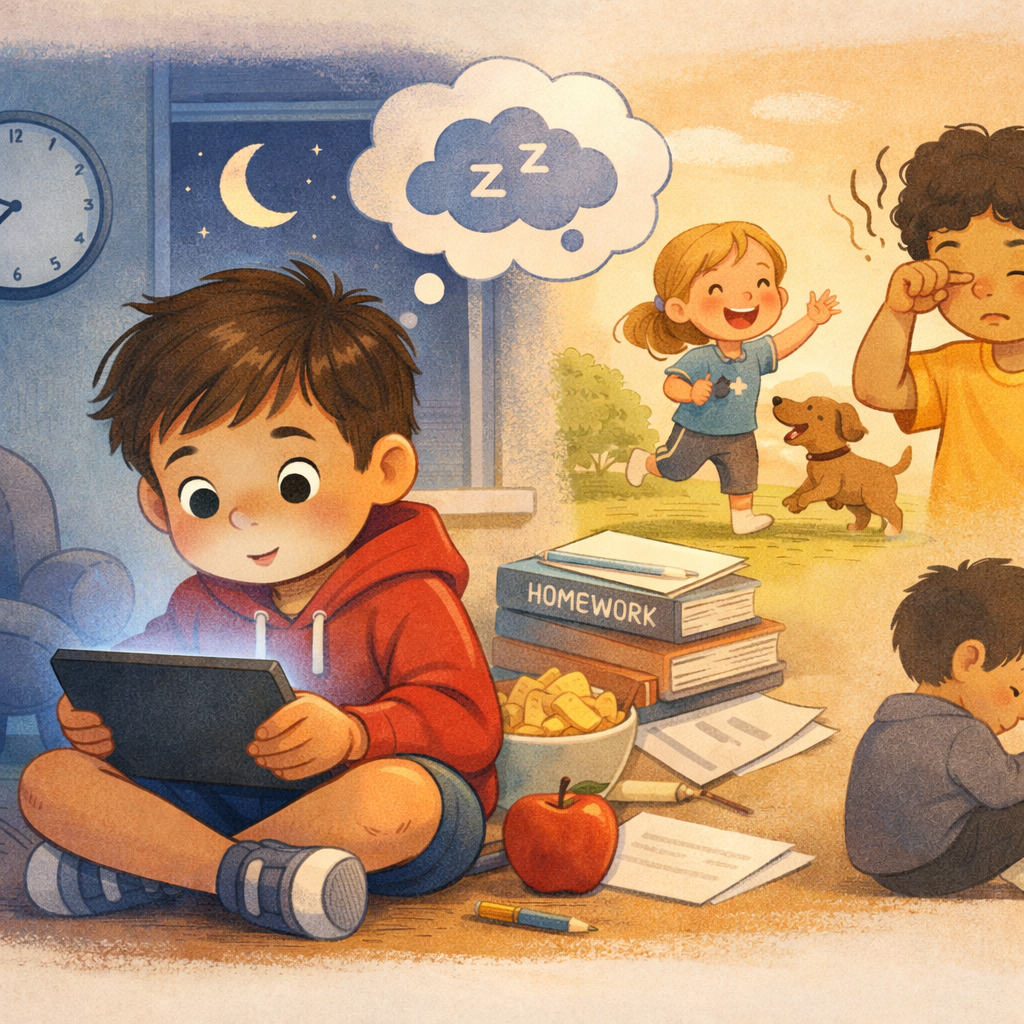
Neurodivergent kids are more vulnerable to excessive screen time because their brains process information differently, which can significantly hinder language development. For example, autistic children often have less integrated brain regions, and screens can further hinder these connections, affecting executive function and social skills.
Screens can also worsen existing challenges, such as difficulty with eye contact or reading body language, since they reduce face-to-face interactions needed for skill development, contributing to communication deficits. This creates a cycle where children retreat to screens because social interaction is difficult, limiting their opportunities to practice.
Key factors contributing to this vulnerability include:
- Arousal Regulation Issues: Neurodivergent children may have heightened stress responses, potentially reflected in elevated salivary cortisol levels. Screens can trigger chronic stress and make emotional regulation harder.
- Sensory and Motor Issues: Screen use can worsen sensory processing problems and lead to sensori-motor delays.
- Low Melatonin: Many autistic children already struggle with sleep due to low melatonin; blue light from screens suppresses this hormone further.
Recognizing Early Signs of Negative Impact
It's crucial to know when screen time is becoming a problem. One of the clearest signs is when it starts interfering with basic life functions. This could mean a decline in personal hygiene, a lack of physical activity, or struggles with schoolwork. If your child is so engrossed in their device that they neglect other essential parts of their life, it's a red flag.
Another key area to watch is their emotional state. Increased irritability, meltdowns, or difficulty with emotional regulation, especially during transitions away from screens, can indicate a negative impact. You might also notice a rise in social anxiety or a reluctance to engage in face-to-face interactions, as screens become a primary coping mechanism, as noted in research by OA Autism.
Look for these specific warning signs:
- Sleep Disturbances: Difficulty falling asleep, poor sleep quality, or changes in their body clock are common.
- Behavioral Changes: An increase in obsessive-compulsive traits, aggression, or self-injurious behaviors can be linked to excessive screen use.
- Social Withdrawal: Less interest in offline activities, difficulty reading body language, or avoiding eye contact.
- Physical Symptoms: Complaints of headaches, eye strain, or a more sedentary lifestyle.
Common Risks of Excessive Screen Time
Excessive screen time is risky for all young children, but especially for neurodivergent kids. The main concern is what screens replace—essential activities like bonding, movement, and hands-on play that support development, including the amount of time spent in front of screens.
Negative effects include addiction, reduced focus, and sleep problems. For example, children with ADHD are more vulnerable to screen addiction, which can worsen their symptoms. Recognizing these risks is the first step to creating a healthier balance for your child. The following sections will discuss these concerns further.
Social, Emotional, and Behavioral Concerns
Excessive screen time can worsen social and emotional challenges in neurodivergent children, potentially affecting amygdala activity. While technology may offer low-pressure ways to connect, overuse hinders the development of key social skills like reading body language and emotional cues, increasing social anxiety and reducing empathy.
Maladaptive screen use can also signal depression or burnout. For neurodivergent kids prone to anxiety, screens often become unhealthy coping tools, leading to poor emotional regulation and fewer healthy coping strategies, adversely affecting serotonin regulation.
Common behavioral concerns include:
- Addiction: Parents now worry more about internet addiction than substance abuse; children with ADHD are at higher risk.
- Cyberbullying: Neurodivergent kids face greater risks of cyberbullying and online deception, which can harm mental health.
- Aggression and Irritability: Screen overstimulation can trigger meltdowns, aggression, and other challenging behaviors.
Physical Health and Sleep Issues
The impact of too much screen time on physical health is a serious concern. When a child spends hours video game playing with a device, they are not getting the physical activity essential for their well-being. This sedentary behavior is linked to an increased risk of issues like obesity and metabolic syndrome, even in adolescents.
Sleep quality is another major casualty. The blue light from screens disrupts the body's circadian rhythms by suppressing melatonin, the hormone that regulates our body clock, as discussed in the Journal of Applied Physiology. This makes it harder for kids to fall asleep and can lead to poor quality, non-restorative sleep. For children with autism who may already have low melatonin, this effect is particularly damaging.
These disruptions can have a cascading effect on a child's health and mood. Poor sleep contributes to fatigue, mood disturbances, and difficulty concentrating during the day.
|
Health Concern |
Impact of Excessive Screen Time |
|---|---|
|
Sleep |
Suppresses melatonin, disrupts the body clock, and reduces sleep quality, as discussed in the Journal of Public Health. |
|
Physical Activity |
Displaces time for movement, leading to a sedentary lifestyle. |
|
Metabolic Health |
Linked to increased risk of metabolic syndrome, higher blood pressure, and unhealthy lipid levels. |
|
Heart Rate |
Can cause elevated heart rate due to the stimulating nature of content like video games. |
Guidelines for Healthy Screen Time in Neurodiverse Kids in Australia
While there are no specific guidelines from Australian health bodies just for neurodiverse kids, the general advice emphasizes balance over strict time limits. Even the American Academy of Pediatrics (AAP) has moved away from rigid rules, suggesting a more nuanced approach for children in the United States. The focus is now on ensuring screen time doesn't displace important activities like sleep, physical activity, and social interaction.
For parents in Australia, this means creating a family media plan that considers your child’s individual needs. The goal is to make sure your child maintains a healthy relationship with technology. The following tips will offer guidance on setting recommended limits and choosing quality content.
Recommended Daily Limits and Best Practices
Instead of focusing on a set screen time limit, evaluate how screen use affects your child’s life. The American Academy of Pediatrics recommends no screen time for children under 18 months (except video-chatting) and limits for ages 2 to 5: one hour per day of high-quality programming.
For older kids, set consistent limits to prevent media from interfering with sleep and physical activity. Aim for a balance that fits your family. Encourage your child to self-monitor their usage—an important lifelong skill.
Best practices:
- Tech-Free Times: Designate meals, bedtime, or bedrooms as screen-free.
- Collaborative Stopping Points: Agree with your child on natural stopping points in games or shows.
- Warnings: Provide countdowns before screen time ends.
- Prioritize Activities: Ensure your child gets enough sleep, exercise, and social interaction.
Choosing Quality Screen Content: Educational Apps and Games
Not all screen time is equal—content matters. Educational apps and games are often better for brain development than passive viewing, especially for children with developmental disabilities. Gamified learning can engage kids who struggle with traditional lessons, supporting skills from language to life abilities.
Still, even educational content needs careful selection. Platforms like TikTok, with endless short clips, can be addictive and dysregulating despite their educational focus. Choose apps and games that encourage problem-solving, collaboration, and creativity without addictive features.
When choosing content:
- Play or Watch Together: Engage with your child to understand what they're learning and strengthen your bond.
- Seek Interactivity: Pick content that requires active participation.
- Check for Purpose: The best educational apps teach specific skills like coding, map reading, or social etiquette.
Managing Social Media and Online Interactions
For many neurodivergent young people, including autistic people, social media can be a lifeline. It offers a way to connect with peers who share their interests without the pressures of face-to-face communication. One study found that autistic students reported higher-quality friendships thanks to social media. This communication technology can be a space to build confidence and social skills.
However, the online world also comes with risks. Neurodivergent kids, who are often concrete and literal thinkers, can find it tricky to navigate the nuances of text messages and social media. They may be more vulnerable to cyberbullying, scams, or not realizing when others are taking advantage of them. Clear rules and monitoring are essential for safety.
To help your child healthily navigate online interactions:
- Communicate Openly: Talk about the risks, such as catfishing and bullying, and create a plan for what to do if they encounter them.
- Set Clear Rules: Establish guidelines around what platforms they can use and what information is safe to share.
- Monitor Their Activity: Keep an eye on their online engagement to ensure they are in safe, age-appropriate spaces.
Practical Strategies for Families
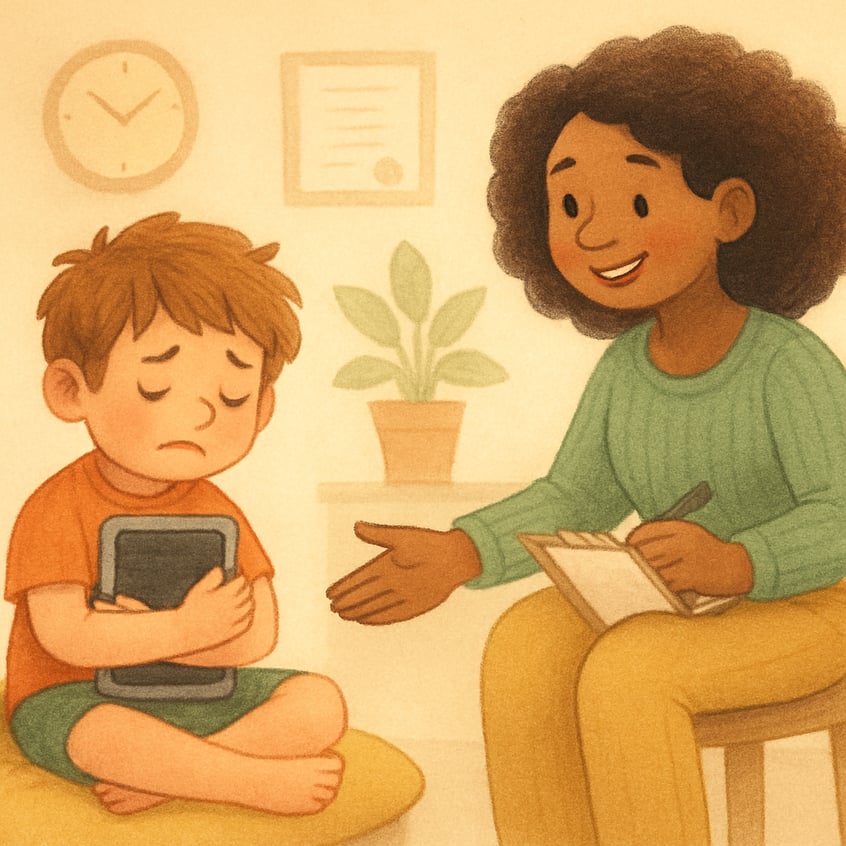
If your child struggles with limiting their screen time, you're not alone. The key is to move from being a rule-enforcer to a supportive guide. This involves observing their habits, understanding their needs, and working together to build healthier routines. Instead of just setting limits, focus on fostering self-monitoring skills that will serve them long-term.
Creating practical, consistent family routines around technology use can make a huge difference. By setting clear boundaries and promoting positive screen habits as a team, you can help your child develop a balanced relationship with their devices and the use of information. The following strategies offer concrete ways to achieve this.
Setting Boundaries and Creating Tech-Free Routines
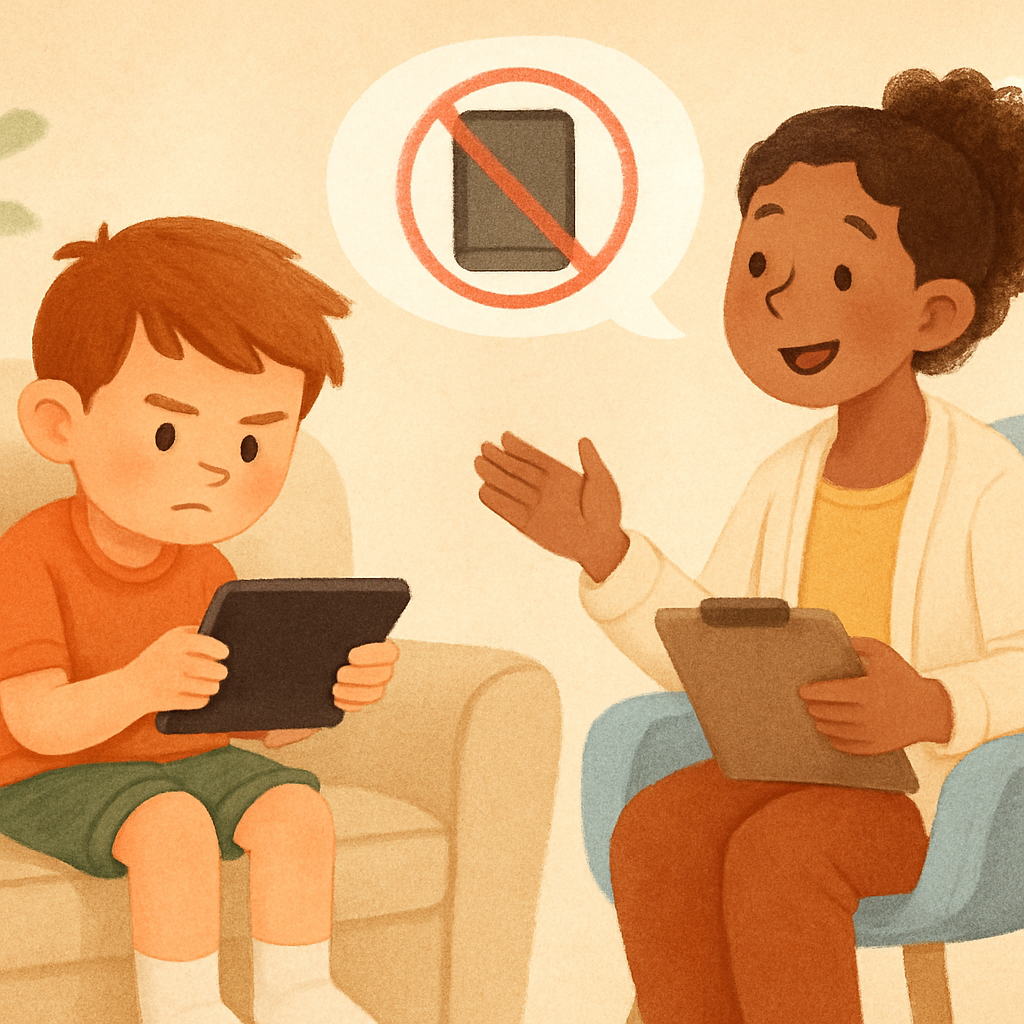
Clear boundaries are essential for managing screen time. Tech-free routines, like no devices during meals or before bed, boost sleep and family connection. Consistent rules reduce arguments over turning off devices.
Family support helps these boundaries stick. When everyone commits, it feels less like a punishment and more like a shared effort, improving quality of life for all. Consistency is key to lasting change.
Tips for setting boundaries:
- Tech-Free Zones: Make bedrooms and the dinner table device-free.
- Plan Alternative Activities: Keep offline activities ready to prevent boredom from leading to screens.
- Model the Behavior: Put your own phone down—kids follow your example.
Supporting Positive Screen Habits Together
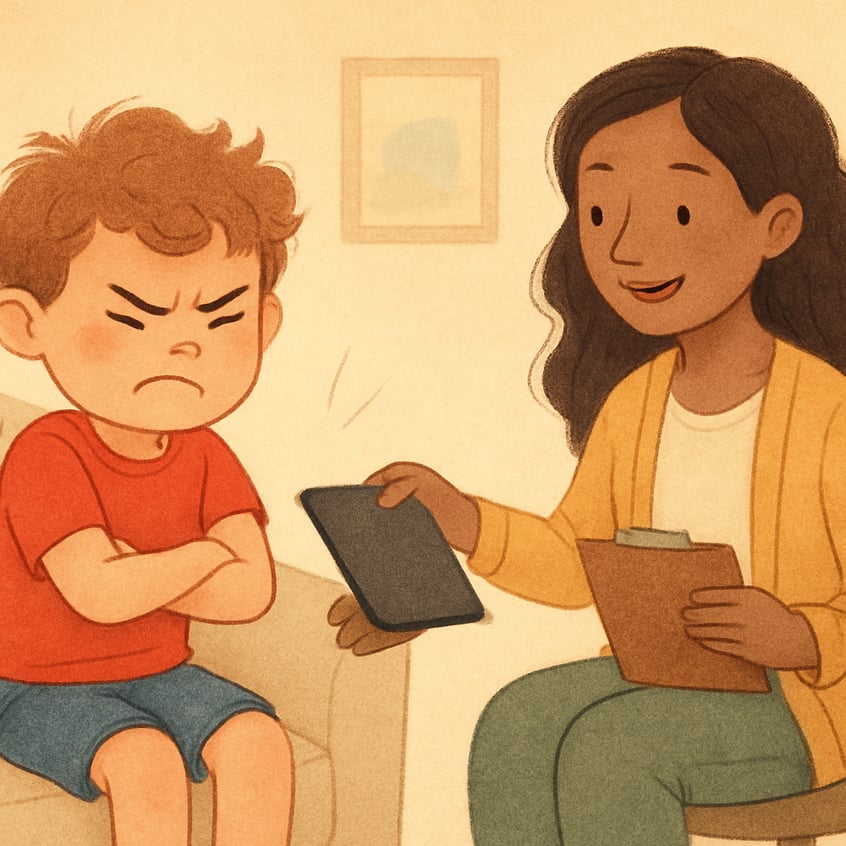
Building positive screen habits is a team effort. Instead of just setting rules, involve your family. Play video games with your child or watch their favorite YouTube show together. This gives you insight into their interests and turns screen time into a bonding experience instead of a conflict.
Recognize the emotional reasons behind screen use. If your child uses screens to unwind after school, that's a valid way to cope. The goal isn’t to take it away, but to work together on healthy alternatives for managing stress. This collaborative approach builds trust and communication.
To encourage positive habits as a family:
- Observe Without Judgment: Watch how your child uses screens before making changes. Some apps may be calming, while others could be overstimulating.
- Communicate Your Concerns: Discuss why you want better balance, focusing on health and well-being.
- Encourage Alternatives: Offer offline activities—like sports, art, or social events—that your child enjoys.
Conclusion
In summary, understanding the effects of screen time on neurodiverse kids is crucial for fostering their development and well-being. As we've explored, excessive screen use can lead to unique challenges, including social, emotional, and behavioral concerns, as well as physical health issues. Instead of focusing solely on how much time is spent on screens, families should establish healthy screen time guidelines and create supportive environments to help their neurodiverse children thrive in a digital world. Remember, it's about balance—encouraging quality interactions with technology while prioritizing moments that promote connection and growth.
If you're looking for more personalized strategies or support, don't hesitate to reach out for a consultation or call daar at 02 9133 2500.
Frequently Asked Questions
How can I tell if screen time is harming my neurodiverse child?
Look for negative effects on their daily life. Signs of harm include poor sleep quality, difficulty with emotional regulation (like more frequent meltdowns), a decline in social skills, or when screen use displaces essential activities like personal hygiene, schoolwork, and physical activity.
Are there safe types of screen use for autistic or neurodiverse kids?
Yes. Interactive and high-quality screen exposure can be beneficial for kids with autism spectrum disorder. Educational apps, collaborative video games, or social media platforms that connect them with like-minded peers can support learning, social connection, and language acquisition. The key is to choose content wisely and monitor its effects.
What should parents do if their child struggles with limiting screen time?
Focus on family engagement and support. Work together to set boundaries and find alternative activities. Model healthy screen habits and communicate openly about the reasons for the limits. Instead of just restricting use, help them build executive function skills for self-monitoring their own communication technology use.
.svg)




.svg)