
.png?width=48&height=48&name=Group%201%20(3).png)























6 March, 2026

Screen Time for Neurodiverse Children: A Balanced Approach

Key Highlights
- Screen use can offer benefits for neurodiverse children, such as improving social skills and providing a calming space.
To reduce your neurodiverse child's reliance on screens, consider offering offline activities like arts and crafts, puzzles, sensory play, board games, or outdoor activities such as gardening and nature walks. These options can encourage social skills, creativity, and hands-on skill development while providing enjoyable alternatives to screen use.
- Educational apps and technology can help with learning and skill development in a way that traditional methods might not.
- Excessive screen time carries risks, including poor sleep quality, addiction, and decreased focus.
- Finding a balance is key; this involves monitoring screen use, encouraging other activities, and maintaining open communication.
- Parents can help by setting clear limits, modeling healthy screen habits, and using tools like parental controls.
- It's important to understand that screen time can displace vital activities like physical play and face-to-face interactions.
Introduction
Navigating the world of screen use can be tricky for any parent, but it presents unique considerations for neurodiverse children. While many experts highlight the dangers, there's a growing conversation about the positive role technology can play for those with ADHD or autism. For these children, screens can be a valuable tool for learning, connecting, and feeling calm. This guide will help you understand both the benefits and risks, empowering you to find a balanced approach that supports your child's overall development. If you're looking for age-appropriate movies or shows featuring neurodiverse characters for your child, consider exploring streaming platforms like Netflix, Disney+, and Amazon Prime Video, which offer dedicated family sections and often highlight content with diverse representation. You can also visit resources such as Common Sense Media or Understood.org, which provide curated recommendations and reviews tailored to neurodiverse audiences.
Recommended Screen Time Guidelines for Neurodiverse Children in Australia
When it comes to screen time for neurodiverse children, including those with autism spectrum disorder, a one-size-fits-all approach doesn't work. While there are general Australian health recommendations, it's more about balance than strict time limits. The goal is to ensure screens don't replace essential activities.
Screen use mustn't interfere with physical activity, sleep, and face-to-face social interactions. The focus has shifted from simply counting hours to considering the quality of screen engagement and its impact on a child's daily life. Let's look at what health organizations suggest and how individual needs play a role.
Overview of Australian Health Recommendations
Health organizations like the American Academy of Pediatrics (AAP) have moved away from rigid time limits, favoring a more nuanced approach. Instead of a blanket rule, the focus is on ensuring that screen exposure doesn't displace other critical developmental activities. The key is to maintain a healthy balance between digital engagement and real-world experiences.
This modern perspective encourages parents to consider the context of screen use. Is it educational? Is it interactive? Is it displacing physical activity or family time? The amount of time spent on screens becomes problematic when it interferes with essential life functions like personal hygiene, schoolwork, and relationships.
General guidelines can still be helpful as a starting point. Here’s a look at what different health bodies recommend based on age:
|
Age Group |
Recommended Screen Time |
|---|---|
|
Under 2 years |
No screen exposure is recommended. |
|
2 to 5 years |
Limit to one hour per day of high-quality programming. |
|
6 years and older |
Monitor quantity, content, and timing of screen use. |
How Age and Diagnosis Influence Screen Time Limits
Every child’s needs are unique, especially for neurodiverse children. Factors like age and specific diagnoses—such as autism or ADHD—should guide your screen time rules. Younger children generally benefit from less screen time to support healthy development through play and interaction.
Children with ADHD are more prone to screen-related addiction, and too much screen time can worsen symptoms, making boundaries essential. Those on the autism spectrum may prefer screens for their predictability, but screens mustn’t become their only form of engagement.
Rather than following strict limits, customize screen time based on your child's needs. For ages 3–5, 30–60 minutes a day may be appropriate; older children might have up to two hours. Most importantly, monitor how screen time impacts their behavior, sleep, and other activities, and adjust as needed.
Benefits of Screen Time for Neurodiverse Needs
While it's easy to focus on the negatives, screen use offers significant benefits for neurodiverse children. Technology can create a safe, predictable space in a world that often feels overwhelming. For kids who find face-to-face interaction challenging, screens provide a low-pressure way to develop communication skills and connect with others who share their interests.
From educational apps that gamify learning to online communities that foster friendships, digital tools can be powerful assets for skill development. Screens can help with everything from managing anxiety to building vocational skills, offering unique opportunities for growth and self-expression.
Educational Tools and Skill-Building Apps
Traditional learning environments can be challenging for neurodiverse children. Educational apps and assistive technology offer engaging ways to build skills. Gamified programs can capture the attention of children with ADHD, making learning fun and effective.
Technology also supports children with executive function difficulties. Digital calendars, planners, and reminders help them stay organized. Virtual and augmented reality can teach autistic children essential life skills, from personal hygiene to navigation.
Ways technology helps skill development:
- Accessibility Tools: Speech-to-text and text-to-speech assist children with reading and writing challenges.
- Gamified Learning: Educational games make core subjects engaging and less stressful.
- Life Skills Training: Virtual reality teaches practical skills in a safe environment.
- Executive Function Support: Digital planners and alarms aid organization and time management.
Social Connections and Community through Digital Platforms
For neurodiverse children who find in-person social interactions stressful, digital platforms can be a gateway to meaningful social connection and community. The use of media like video games and online forums allows them to connect with like-minded peers who share their passions, fostering friendships that might not otherwise be possible.
Communicating through a screen removes some of the pressures of typical social norms. One study found that autistic students reported higher-quality friendships because of social media. This controlled environment can help them practice social skills, such as collaborating on a game or working through a conflict while chatting online, without feeling overwhelmed.
Certain digital activities can be particularly beneficial:
- Collaborative Video Games: Games like Minecraft or Roblox encourage teamwork and communication.
- Online Communities: Forums and Discord servers based on specific interests allow for connection with peers who share their passions.
- Educational Platforms: Interactive learning apps can provide opportunities for social engagement in a structured way.
- Social Media: With guidance, these platforms can help build and maintain friendships.
Risks and Challenges of Excessive Screen Time
Excessive screen time can pose several risks and challenges for neurodivergent children. Spending too much time on electronic devices may lead to difficulties in social skills development and emotional regulation. This can hinder their ability to engage in face-to-face interactions and reduce opportunities for physical play, which is essential for overall development. Moreover, higher screen exposure often correlates with sleep issues that can negatively impact mental health, attention spans, and executive function, limiting their quality of life and personal growth.
Behavioral Effects Specific to Autism and ADHD
Excessive screen time can worsen symptoms in children with autism (ASD) and ADHD. Children with ADHD are more prone to screen addiction, making it harder to focus on other activities.
For those with ASD, constant screen use increases sensory sensitivity, leading to overload, anxiety, and emotional outbursts. Experts say more screen time often intensifies sensory issues and language difficulties.
Neurodiverse children may interpret things literally and struggle with online social cues, increasing their risk of cyberbullying or exploitation. Close monitoring is crucial.
Recognizing Signs of Screen Time Overload
Knowing when your child has had too much screen time is crucial for their well-being. Maladaptive screen use becomes a problem when it starts interfering with basic life functions. If you notice your child is so engrossed in screen viewing that they are neglecting personal hygiene, schoolwork, or relationships, it's a clear red flag.
Pay attention to changes in their mood and behavior. For example, a child who has had too much screen exposure might become more irritable, have difficulty with emotional regulation, or show less interest in offline activities they once enjoyed. Poor sleep quality is another major indicator, as the blue light from screens can disrupt natural sleep rhythms.
Here are some signs of screen time overload to watch for:
- Increased Irritability: More frequent meltdowns or frustration, especially when asked to stop using a device.
- Sleep Issues: Difficulty falling asleep, waking up during the night, or being tired during the day.
- Social Withdrawal: Preferring screens over interacting with family and friends.
- Developmental Concerns: Potential for language delay or a decrease in attention span.
Managing and Monitoring Screen Time at Home
Creating a healthy relationship with technology starts at home. Managing screen use for a neurodiverse child is not just about setting limits but also about fostering open communication and modeling good behavior. It's important to understand what your child is doing online and why it's so engaging for them.
Using tools like parental controls can help ensure safety, but they are most effective when combined with conversations about responsible online behavior. Remember to be mindful of your own screen time, as children often learn by example. By working together, you can help your child build the skills to self-monitor their usage.
Setting Up Digital Parental Controls and Safe Browsing
Parental controls are a practical tool for managing your child's screen exposure and ensuring a safe browsing experience. These settings can help you filter the types of content your child sees, set time limits on device usage, and prevent them from sharing personal information online. Most devices and platforms have built-in controls that are easy to configure.
When setting up controls, especially on platforms like YouTube Kids, you can often create a profile for your child and select content levels appropriate for their age. You can also approve specific channels or videos yourself, giving you complete control over what they watch. This is particularly helpful for neurodiverse children who may be more vulnerable to inappropriate content.
Here’s how to set up effective parental controls:
- Use Built-in Features: Explore the parental control settings on your child’s devices, apps, and web browsers.
- Filter Content: Block specific websites and categories to ensure your child only sees age-appropriate material.
- Set Time Limits: Use timers to automatically lock devices after a certain amount of screen use.
- Review Privacy Settings: Make sure apps are not collecting and sharing your child's personal information.
Handling YouTube, Gaming Platforms, and Social Media
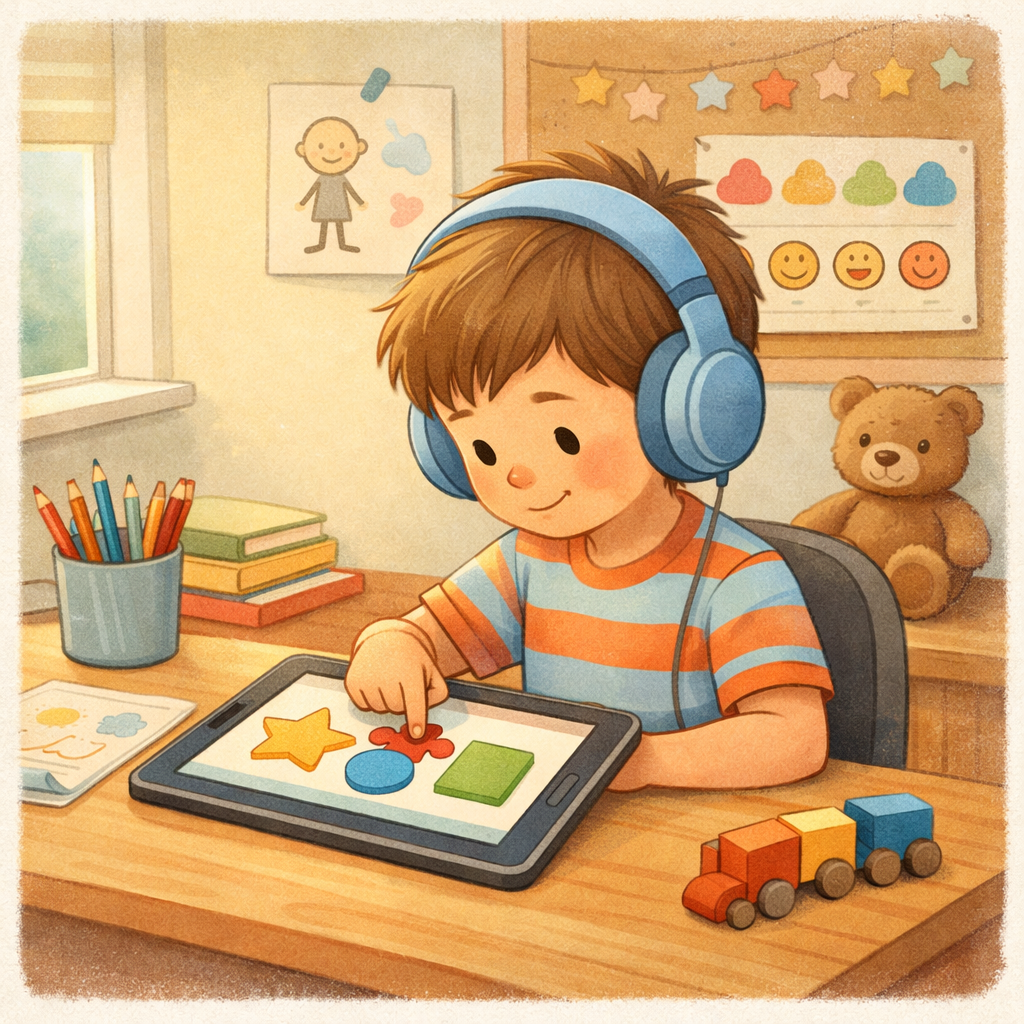
Platforms like YouTube, video games, and social media can be a source of both connection and concern. The key to safe use of media is active engagement and monitoring. Instead of just setting limits, take the time to watch a YouTube clip with your child or get an account on their favorite gaming platform. This provides valuable insight into their world and offers a chance to bond.
Have open conversations about the nature of digital media. For instance, you could explain, "Platforms like TikTok are designed to be addictive, which is why it's so hard to stop." This helps them understand the reasoning behind rules. For social media, discuss the risks of cyberbullying and sharing personal information, as neurodiverse children can be more vulnerable.
Here are some strategies for managing these platforms:
- Play and Watch Together: Engage with the content your child enjoys to understand its appeal and risks.
- Use Safe Versions: Opt for platforms like YouTube Kids, which offer more control over content.
- Establish Clear Rules: Set guidelines around friending, chatting, and sharing information online.
- Monitor Activity: Regularly check what your child is doing on these platforms to ensure their safety.
Conclusion
In summary, balancing screen time for neurodiverse children supports their development and reduces risks. By following guidelines and considering each child’s needs, parents can maximize digital benefits in a supportive environment. Stay alert to risks like behavioral issues and monitor usage closely. Open communication and flexibility are crucial for a healthy relationship with technology.
For personalized guidance, contact us for a consultation or call daar at 02 9133 2500!
Frequently Asked Questions
Does screen time affect behavior in neurodiverse children differently than in neurotypical kids?
Yes, the behavioral effects of screen time can be more pronounced. Children with attention deficit hyperactivity disorder may be at higher risk for addiction, while those with autism spectrum disorder might experience sensory overload. According to one professor of psychiatry, screen time can amplify symptoms like poor focus and emotional dysregulation.
How can I reduce my neurodiverse child's reliance on screens without causing distress?
Start by establishing clear, predictable routines and using warnings before screen use ends. Foster open communication about why limits are needed. Gradually introduce engaging alternatives that cater to their interests, such as sensory activities or physical activity. This helps build their executive function skills for self-regulation over time.
Are there any screen-based activities that actually benefit children with ADHD or autism?
Absolutely. Many educational apps and forms of assistive technology are designed to help with skill development. These tools can improve social skills, support executive function, and make learning more accessible. For example, gamified programs can teach life skills and academic subjects in an engaging, low-pressure way.
.svg)




.svg)