
.png?width=48&height=48&name=Group%201%20(3).png)























13 March, 2026

How Gaming Affects Sleep and Mental Health: The Facts
Key Highlights
Here are the key takeaways about gaming's impact on your well-being:
- The amount of time you spend gaming directly affects your sleep quality and sleep duration.
- Blue light exposure from screens disrupts your natural sleep patterns by interfering with melatonin production.
- Excessive gaming can lead to mental health challenges, including anxiety and depression.
- Video game addiction is a recognized behavioral issue that can significantly harm your sleep health.
- Late-night gaming can alter your sleep architecture, leading to less restorative rest.
- Developing healthy habits is key to balancing gaming with good sleep and mental wellness.
Introduction
Video games offer a world of fun and connection, but have you ever wondered how they impact your sleep and mental health? It's a question many of us have as gaming becomes a bigger part of daily life. The connection between screen time, sleep quality, and overall well-being is a growing area of concern. This article will explore the facts, looking at how gaming can affect your rest and mind, and what you can do to maintain a healthy balance.
How Gaming Affects Sleep Patterns
Engaging in video games, especially before bed, can significantly throw off your sleep patterns. The excitement and stimulation from gaming keep your brain alert, making it difficult to wind down. This is often combined with blue light exposure from screens, which can trick your brain into thinking it's still daytime.
The amount of time you spend playing also plays a crucial role. A quick game might not cause much harm, but hours of play can disrupt your sleep architecture and delay your body's natural sleep signals. We will explore how this disruption happens and its specific effects on your body's internal clock.
Does Screen Time Delay Falling Asleep?
Yes, gaming before bed can delay how quickly you fall asleep, a measure called sleep latency. This is mainly due to blue light from screens, which suppresses melatonin—the hormone that signals it’s time to sleep. Evening screen exposure tricks your brain into thinking it’s still daytime, making it harder to feel sleepy and fall asleep.
Additionally, the excitement and adrenaline from gaming keep your mind active, further delaying sleep. Together, blue light and mental stimulation from games make it much harder to wind down at night.
Short-Term Sleep Issues Caused by Gaming
Spending hours on electronic media like video games can quickly lead to noticeable sleep problems. In the short term, you might find it harder to fall asleep, stay asleep, or you may simply sacrifice sleep time to continue playing. This results in poor sleep quality that leaves you feeling groggy and unrested the next day.
These immediate effects can impact your daily life, affecting your mood, concentration, and energy levels. The following sections will look closer at these common short-term issues, from increased difficulty falling asleep to a reduction in your overall sleep duration.
Trouble Falling and Staying Asleep
Gaming can cause immediate sleep problems, such as difficulty falling asleep. Mental overstimulation and blue light exposure keep your mind active, making it hard to unwind.
Staying asleep may also be challenging. Elevated adrenaline and brain activity can lead to fragmented sleep and frequent awakenings, reducing rest quality.
How long and when you play matters. Late-night gaming sessions are more likely to disrupt sleep than shorter games earlier in the evening. Repeated patterns can lead to chronic issues like insomnia.
Reduced Total Sleep Time
A very common consequence of late-night gaming is a simple reduction in total sleep time. When you're engrossed in a game, it's easy to lose track of the clock. "Just one more level" can quickly turn into hours, pushing your bedtime later and later and cutting into your necessary sleep duration.
This isn't just about going to bed late; it also impacts your sleep efficiency. Even when you do finally go to sleep, the quality might be lower, meaning the hours you do get are less restorative. The combination of less sleep time and lower efficiency is a recipe for daytime fatigue and decreased performance.
While there's no magic number for how many hours of gaming is too much, frequent sessions that cut into your recommended 7-9 hours of sleep are a clear indicator of a problem. Consistently trading sleep for screen time can lead to a cumulative sleep debt that is difficult to repay.
Effects on Sleep Quality After Gaming Sessions
Playing intense video games before bed can significantly reduce sleep quality. Even after turning off the console, your brain and body stay on high alert, making it harder to reach deep, restful sleep.
Studies show post-gaming sleep often has less deep and REM sleep—stages crucial for physical recovery, memory, and emotional balance. As a result, you may wake up feeling unrested despite spending enough time in bed.
This disruption prevents your body from fully recharging, leading to poor sleep quality that impacts your mood, thinking, and health the next day. In short, gaming leaves your brain too "switched on" to easily fall asleep.
Long-Term Effects of Gaming on Sleep Health
When short-term sleep issues from gaming become a regular occurrence, they can evolve into more serious long-term problems. Consistently poor sleep can lead to chronic sleep deprivation, which carries significant risks for your overall sleep health and well-being. This can even increase your vulnerability to developing formal sleep disorders.
Over time, the nightly disruption to your sleep cycle can take a cumulative toll on your body and mind. We'll now examine some of the most concerning long-term consequences, including the development of chronic sleep issues and the risk of a persistent condition like insomnia.
Chronic Sleep Deprivation and Sleep Disorders
Chronic poor sleep from late-night gaming leads to ongoing sleep deprivation, impairing both physical and mental performance. Without enough rest, your body and brain can’t recover properly.
Consistently staying up late to game increases the risk of sleep disorders, such as Delayed Sleep Phase Syndrome, where your internal clock shifts and falling asleep at a normal time becomes difficult.
The stimulation and anxiety from gaming can also contribute to insomnia. In short, frequent gaming that disrupts your sleep schedule can play a major role in developing sleep disorders.
Risk of Insomnia Linked to Gaming
The connection between gaming and the risk of insomnia is a serious concern. Insomnia involves persistent difficulty falling asleep, staying asleep, or both, despite having the opportunity to do so. Gaming can contribute to this condition by creating a cycle of hyperarousal and anxiety around bedtime.
When you regularly game late into the night, your brain starts to associate your bedroom and bedtime with excitement and alertness rather than rest. This can lead to a conditioned response where, even on nights you don't game, you find it difficult to switch off. These recurring sleep problems are a hallmark of insomnia.
For individuals with tendencies toward video game addiction, the risk is even higher. The compulsive need to play can override the body's natural sleep signals, creating a pattern of severe sleep disruption. Over time, this behavior can train the brain to resist sleep, increasing the risk of insomnia.
Gaming and Mental Health: What Science Says
The relationship between gaming and mental health is complex, with both potential positives and negatives. However, scientific evidence increasingly points to a link between excessive gaming, poor sleep quality, and mental health issues like anxiety and depression. When gaming starts to replace sleep, social interaction, and other responsibilities, it becomes a significant risk factor.
This connection often works in a cycle: individuals may turn to games to escape feelings of sadness or stress, but the resulting poor sleep and isolation can worsen those very conditions. Let's look at what the research says about how gaming can influence anxiety, depression, and stress.
Anxiety and Depression in Gamers
Several studies have shown a notable association between excessive gaming and higher rates of anxiety and depression. While gaming can be a fun escape, relying on it as a primary coping mechanism for real-world problems can be detrimental to your mental health. It can lead to avoiding underlying issues rather than addressing them.
The link is often intertwined with sleep quality. Poor sleep is a well-known contributor to both anxiety and depression. When gaming leads to chronic sleep loss, it can exacerbate mood-related symptoms, creating a vicious cycle where poor mental health drives more gaming, which in turn leads to worse sleep.
Furthermore, some gamers might experience social anxiety, feeling more comfortable and confident in the virtual world than in real-life interactions. While online communities can be supportive, an over-reliance on them at the expense of face-to-face relationships can lead to feelings of isolation and depression over time.
Stress and Its Relationship with Gaming
Gaming can both relieve and create stress. For many, short gaming sessions offer a healthy escape from daily pressures. However, excessive gaming can increase stress, especially when it leads to performance pressure, conflicts with other players, or frustration from losing.
When gaming disrupts school, work, or relationships, it adds even more stress. This often affects sleep quality—stress makes it harder to sleep, and poor sleep raises stress levels. This cycle can harm mental health, turning a fun hobby into a source of anxiety.
Positive and Negative Effects on Cognitive Health
Gaming's impact on cognitive health isn't entirely negative; it's a mixed bag. On one hand, video games can enhance certain cognitive skills. Many games require quick thinking, problem-solving, and strategic planning, which can sharpen your mind in specific ways.
However, these potential benefits can be completely undermined by poor sleep. Your cognitive health is highly dependent on getting adequate sleep duration and quality. When gaming leads to sleep deprivation, it negatively affects memory, attention, and executive function—the very skills that some games aim to improve.
The balance between positive and negative effects often comes down to moderation and its impact on sleep.
- Positive: Some games can improve problem-solving skills and reaction time.
- Negative: Poor sleep quality from gaming impairs memory and concentration.
- Negative: Excessive gaming can lead to neglecting other mentally stimulating activities.
- The Bottom Line: Any cognitive benefits from gaming are lost if it compromises your sleep.
Video Game Addiction and Its Impact
When gaming stops being a hobby and becomes a compulsion, it may be a sign of video game addiction, also known as gaming disorder. The World Health Organization recognizes this as a behavioral addiction characterized by impaired control over gaming. This compulsion can lead to significant negative consequences, including severe disruptions to sleep and mental health.
Individuals with a gaming disorder prioritize playing over other important activities, leading to poor sleep quality, social withdrawal, and a decline in overall well-being. Next, we will discuss how to recognize the signs of problematic gaming and understand its damaging effects.
Recognizing Signs and Symptoms of Problematic Gaming
It's important to distinguish between a passion for gaming and a video game addiction. A key difference is the negative impact on a person's life. Gaming disorder is marked by a persistent pattern of behavior where gaming takes precedence over other life interests and daily activities.
Therapists and mental health professionals look for specific signs to determine if gaming has become problematic. These symptoms often revolve around a loss of control and continued use despite negative consequences. It’s not just about the hours played, but the function gaming serves in a person's life.
Here are some common signs and symptoms of video game addiction:
- Preoccupation with the game, constantly thinking about it when not playing.
- Lying to friends or family about the amount of time spent gaming.
- Loss of interest in hobbies and activities that were once enjoyed.
- Using gaming to escape or relieve negative moods, like guilt or anxiety.
- Continuing to game despite negative consequences like poor grades or job loss.
- Experiencing withdrawal symptoms like irritability or sadness when unable to play.
How Addiction Harms Sleep and Mental Health
Video game addiction creates a harmful cycle, damaging sleep and mental health. The urge to play leads to late nights and chronic sleep deprivation, increasing irritability, anxiety, and depression.
Addiction also causes social isolation as gamers withdraw from real-life relationships, resulting in loneliness—a major risk factor for mental health issues. While games may offer a sense of community, they can't replace real-world connections.
This negative spiral worsens over time. Poor academic or work performance from gaming and lack of sleep increases stress, which addicts try to escape by gaming more. Breaking free is difficult without help and can cause lasting harm to quality of life.
Who Is Most at Risk for Gaming Addiction?
While anyone can develop a gaming disorder, certain groups are more vulnerable. Young adults and adolescents are often cited as being at higher risk. During these formative years, individuals may be dealing with social pressures, identity exploration, and emotional disturbances, making the escape offered by video games particularly appealing.
Certain personality traits and pre-existing conditions are also significant risk factors. People with low self-esteem, poor social skills, or a tendency toward impulsivity may be more susceptible. The virtual world can offer a sense of control and accomplishment that feels lacking in their real lives.
Individuals with underlying mental health conditions are also at greater risk.
- Youthfulness: Adolescents and young adults often lack the fully developed impulse control of older adults.
- Emotional Vulnerability: Those dealing with depression, anxiety, or low self-esteem may use gaming as an unhealthy coping mechanism.
- Social Difficulties: Individuals who feel isolated or have trouble with social connections in real life may become overly dependent on online friendships.
Common Physical Symptoms from Poor Sleep Due to Gaming
The consequences of poor sleep from gaming aren't just mental; they manifest as very real physical symptoms. When your sleep duration is consistently cut short, your physical health suffers. This can lead to a range of issues, from constant tiredness to more serious long-term health risks.
These symptoms are your body's way of telling you that it's not getting the rest it needs to function properly. We will explore some of the most common physical complaints tied to gaming-related sleep loss, including fatigue, headaches, and even a weakened immune system.
Daytime Fatigue and Concentration Issues
One of the most immediate and common physical symptoms of poor sleep quality is overwhelming daytime fatigue. This isn't just feeling a little tired; it's a persistent sense of exhaustion that can make it difficult to get through the day. Your body simply hasn't had the chance to repair and restore its energy levels overnight.
This fatigue directly leads to concentration issues. When you're sleep-deprived, your brain struggles to focus, pay attention, and process information. This can have a major impact on your performance at school or work, making it hard to learn new things or complete tasks efficiently.
Maintaining good sleep health is crucial for cognitive function. When gaming consistently interferes with sleep, it's not surprising that your ability to concentrate plummets. This is a clear physical sign that your gaming habits are taking a toll on your body's fundamental needs.
Headache, Eye Strain, and Physical Discomfort
Beyond general fatigue, several specific types of physical discomfort are linked to excessive gaming and the resulting lack of sleep. Headaches are a frequent complaint, often resulting from a combination of sleep deprivation, intense focus, and eye strain.
Staring at a bright screen for hours can cause significant eye strain. The blue light, part of the visible light spectrum emitted by screens, can be particularly harsh on the eyes. This can lead to dryness, irritation, and blurred vision, contributing to overall discomfort and headaches.
Furthermore, sitting in one position for extended periods can cause physical discomfort in your back, neck, and wrists. Carpal tunnel syndrome is a known risk for avid gamers. These physical issues are often exacerbated by the fatigue that comes from poor sleep.
- Headaches: Often tension-related from focus and lack of sleep.
- Eye Strain: Caused by prolonged screen use and blue light exposure.
- Back and Neck Pain: From poor posture during long gaming sessions.
- Wrist Strain: Risk of repetitive strain injuries like carpal tunnel syndrome.
Weakened Immune Response and Health Risks
Chronic sleep deprivation from gaming can seriously impact your physical health, starting with your immune system. Sleep is when your body produces cytokines—proteins vital for fighting infection and inflammation. Without enough rest, you make fewer of these cells, making you more vulnerable to illness.
A weakened immune system means you may catch colds more often or take longer to recover. This is a direct result of not letting your body recharge.
Long-term sleep deprivation increases the risk of major health problems like obesity, diabetes, and heart disease. Prioritizing sleep over extended gaming sessions is essential for your overall health.
Screen Time and Blue Light Exposure
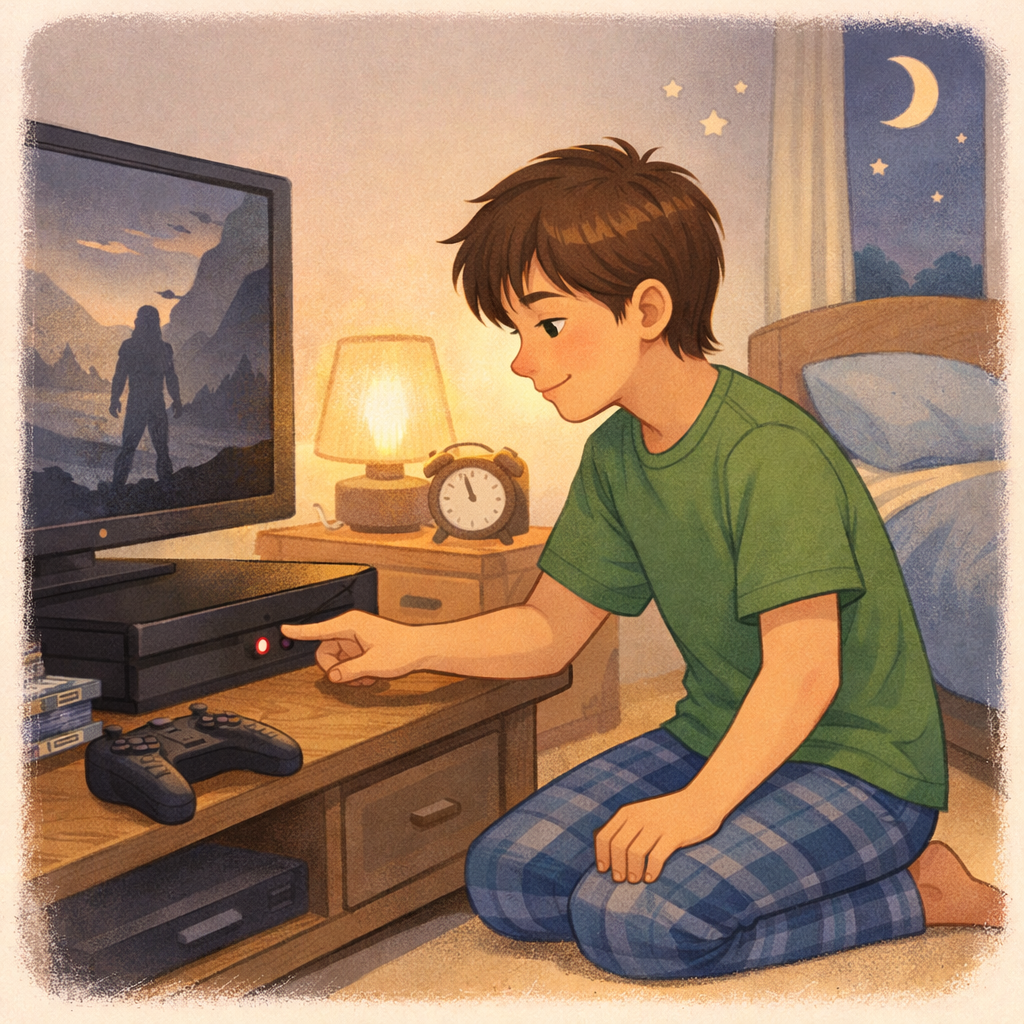
A major factor in how gaming affects sleep is the prolonged screen time and the resulting blue light exposure. The light from our devices—PCs, tablets, and phones—has a powerful effect on our internal clocks. This light exposure, particularly in the evening, can significantly disrupt your body's natural sleep signals and degrade sleep quality.
The science behind this involves a specific hormone that regulates sleepiness. The following sections will explain how blue light interferes with this process, which devices are the biggest culprits, and what you can do to manage your screen time for better rest.
How Blue Light Affects Melatonin Production
Blue light, a high-energy wavelength in the visible light spectrum, is a primary culprit in gaming-related sleep issues. Your brain is highly sensitive to this type of light because it closely mimics the brightness of the daytime sky. When your eyes detect blue light in the evening, it sends a powerful signal to your brain that it's still daytime.
This signal directly suppresses the production of melatonin. Melatonin is a key hormone your body releases to make you feel sleepy and prepare for rest. By blocking melatonin production, blue light essentially presses the "pause" button on your body's natural sleep process, delaying the onset of sleepiness and impacting overall sleep quality.
This disruption is a major reason why gaming before bed can make it so hard to fall asleep. Your body is physiologically being told to stay awake, even if you are mentally and physically exhausted.
- Blue light mimics daylight, tricking your brain.
- It suppresses the release of the sleep hormone melatonin.
- This delays feelings of sleepiness.
- The result is a harder time falling asleep and lower sleep quality.
Devices That Contribute Most to Sleep Disruption
All screens emit blue light, but some devices disrupt sleep more than others. The intensity and proximity of the screen matter most. Phones and tablets, held close to the face, strongly suppress melatonin. Gaming PCs also pose a risk due to their large, bright monitors and long usage times.
Televisions across the room are less disruptive than phones held inches away, but any screen use before bed can harm sleep. Using multiple devices—like gaming on a PC, then scrolling your phone in bed—further worsens sleep quality.
Managing Screen Time for Better Sleep Quality
The good news is that you can take practical steps to manage your screen time and mitigate the negative effects of blue light. The most effective strategy is to establish a "digital curfew." This means turning off all electronic screens, including your gaming console and phone, at least one to two hours before your intended bedtime.
This screen-free period allows your brain to wind down and your body to begin its natural melatonin production. This is a cornerstone of good sleep hygiene. Creating a relaxing, screen-free bedtime routine can signal to your body that it's time to prepare for sleep.
Here are some tips to manage screen time for better sleep:
- Set a strict cut-off time for gaming each night.
- Enable a blue light filter or "night mode" on your devices in the evening.
- Keep your mobile phone and other screens out of the bedroom.
- Stick to a consistent sleep schedule, even on weekends.
- Replace late-night gaming with a relaxing activity like reading a book.
Mental Health Disorders Associated with Gaming
The link between excessive gaming and mental health extends beyond general feelings of sadness or stress. Research indicates a correlation between problematic gaming, or gaming disorder, and the presence of formal mental disorders. The relationship is often bidirectional, where gaming can worsen a pre-existing condition, or the struggles of a mental disorder can lead someone to seek refuge in gaming.
Poor sleep quality is a common thread that connects gaming to these conditions, as sleep is fundamental to emotional regulation and mental stability. We'll now look at the specific connections between gaming and disorders like anxiety, depression, and ADHD.
Connection to Anxiety Disorders
Yes, there is a clear connection between problematic online gaming and anxiety disorders. For some, the social dynamics within online games—fear of failure, pressure to perform, or conflict with other players—can actually heighten feelings of anxiety. This is especially true in highly competitive games.
Furthermore, individuals with pre-existing social anxiety may use gaming as a way to avoid real-world social situations. While this can feel safer in the short term, it can reinforce avoidance behaviors and prevent the development of real-life coping skills, ultimately making the anxiety disorder worse.
The impact of poor sleep quality cannot be overstated. Sleep deprivation is known to amplify the brain's anticipatory reactions, leading to the heightened sense of worry and fear that characterizes anxiety disorders. When a gaming disorder disrupts sleep, it can directly fuel the cycle of anxiety.
Relationship Between Gaming and Depression
The relationship between gaming and depression is also well-documented. As with anxiety, this connection is complex. Someone experiencing depression might turn to a video game as a form of escape from feelings of hopelessness or emptiness. The game can provide temporary distraction and a sense of accomplishment that is missing from their real life.
However, this coping mechanism can backfire. Excessive gaming often leads to social withdrawal, neglect of personal responsibilities, and a sedentary lifestyle, all of which are known to worsen symptoms of depression. The person becomes more isolated, and the problems they were trying to escape from may become even larger.
Poor sleep quality is a major bridge between gaming and depression. Disrupted sleep is a core symptom of depression, and the sleep deprivation caused by late-night gaming can intensify feelings of sadness, fatigue, and hopelessness, creating a downward spiral that is difficult to escape.
ADHD and Vulnerability to Gaming Problems
Individuals with Attention-Deficit/Hyperactivity Disorder (ADHD) may be particularly vulnerable to developing a gaming disorder. Video games are designed to be highly engaging, with constant rewards, rapid feedback, and novel stimuli. This design can be especially captivating for a brain that struggles with focus and is drawn to immediate gratification, which is characteristic of ADHD.
The immersive nature of games can provide a state of "hyperfocus" for someone with ADHD, making it incredibly difficult to disengage. This can lead to them playing for much longer than intended, often at the expense of sleep, homework, or other important tasks.
This creates significant challenges for sleep health. Many individuals with ADHD already struggle with sleep due to a restless mind. Adding the intense stimulation of gaming into the mix can exacerbate these issues, leading to severe sleep disruption and worsening ADHD symptoms like inattention and impulsivity during the day.
Insomnia and Other Sleep Disorders in Gamers
As we've seen, the connection between gaming and sleep problems is strong. In severe cases, this can manifest as diagnosable sleep disorders, with insomnia being one of the most common. Internet gaming disorder is frequently linked to a host of sleep-related issues that go beyond simply feeling tired.
When gaming habits consistently disrupt the body's natural sleep-wake cycle, it can pave the way for chronic conditions that require professional attention. The following sections will detail the types of sleep disorders linked to gaming, how to spot the early warning signs, and when it's time to seek help.
Types of Sleep Disorders Linked to Gaming
Excessive gaming, especially when it qualifies as a gaming disorder, is associated with several specific sleep disorders. These conditions are more severe than occasional sleep problems and can have a profound impact on a person's health and quality of life.
Insomnia is a primary concern, characterized by persistent difficulty falling or staying asleep. Another is Delayed Sleep Phase Syndrome (DSPS), where a person's internal clock is shifted much later than normal, making it feel natural to go to bed at 3 a.m. and wake up at noon. This is a direct result of consistently staying up late.
Furthermore, the overall poor sleep quality can lead to issues like parasomnias (abnormal behaviors during sleep) or exacerbate existing conditions like sleep apnea.
- Insomnia: Persistent trouble falling and staying asleep.
- Delayed Sleep Phase Syndrome (DSPS): A shifted sleep schedule leading to very late nights.
- Irregular Sleep-Wake Rhythm: A completely disorganized sleep pattern with no consistent bedtime or wake time.
- Insufficient Sleep Syndrome: A chronic state of voluntarily not getting enough sleep to feel rested.
Recognizing Warning Signs Early
Catching the problem early is key to preventing long-term damage to your sleep health. The transition from a fun hobby to a problematic habit can be gradual, so it's important to be aware of the warning signs. These signs often appear before a full-blown addiction or sleep disorder develops.
One of the first red flags is a consistent disregard for your own sleep needs in favor of gaming. If you frequently find yourself saying "just one more hour" and then playing for three, that's a sign of impaired control. Another warning sign is when your performance at school or work starts to suffer due to fatigue.
Pay attention to how you feel when you can't game. If you become irritable, anxious, or sad, it could indicate a growing psychological dependence.
- Consistently prioritizing gaming over sleep.
- Feeling tired all the time, but still gaming late at night.
- Lying about how much time you spend playing.
- A noticeable decline in academic or professional performance.
When to Seek Professional Help
Knowing when to seek professional help is a critical step. If your gaming habits are consistently harming your sleep health and mental well-being, and you've been unable to cut back on your own, it's time to talk to someone. A professional can help you understand the underlying issues and develop effective strategies.
If your sleep problems are persistent and causing significant distress or impairment in your daily life, consulting a doctor or a sleep specialist is advisable. Likewise, if gaming is contributing to feelings of depression, anxiety, or isolation, a mental health professional can provide crucial support.
Don't wait until the problems become overwhelming. Seeking help is a sign of strength and the first step toward reclaiming your health and quality of life.
- When your gaming is negatively impacting your job, school, or relationships.
- If you are experiencing persistent symptoms of insomnia, anxiety, or depression.
- When you have tried to cut back on gaming on your own but have been unsuccessful.
Diagnosing and Treating Video Game Addiction
Diagnosing and treating video game addiction involves a structured approach from healthcare professionals. While the concept of a behavioral addiction is still evolving, clinicians use established criteria to identify a gaming disorder. Treatment focuses on addressing the compulsive behavior and its underlying causes.
Effective therapy aims to help individuals regain control over their gaming habits, develop healthier coping mechanisms, and restore balance to their lives. This process directly benefits both sleep and mental health by breaking the cycle of stimulation, sleep loss, and emotional distress. Let's look at how this is done.
Assessment Tools and Criteria Used in Australia
Globally, and in countries like Australia, clinicians often refer to guidelines from major health organizations to diagnose gaming disorder. The World Health Organization's ICD-11 includes "Gaming Disorder" as a diagnosable condition. The American Psychiatric Association’s Diagnostic and Statistical Manual of Mental Disorders (DSM-5) includes "Internet Gaming Disorder" as a condition for further study.
These frameworks provide specific criteria that focus on the behavioral patterns of addiction, such as impaired control, increasing priority given to gaming, and continuation of gaming despite negative consequences. Clinicians may also use standardized assessment tools and questionnaires to gauge the severity of the problem.
These diagnostic criteria help differentiate a serious disorder from enthusiastic gaming.
|
Diagnostic Feature |
Description |
|---|---|
|
Impaired Control |
Inability to control the frequency, intensity, and duration of gaming. |
|
Increasing Priority |
Gaming takes precedence over other life interests and daily activities. |
|
Continuation Despite Consequences |
Gaming continues or escalates despite negative impacts on personal, family, social, educational, or occupational functioning. |
|
Significant Distress |
The behavior causes significant distress or impairment in important areas of life. |
Therapy Options and Counseling Interventions
Cognitive Behavioral Therapy (CBT) is a leading and effective treatment for video game addiction. It helps individuals recognize unhealthy thought patterns behind compulsive gaming and develop healthier coping strategies with a therapist’s guidance.
CBT teaches people to manage triggers, regulate emotions without gaming, and change behaviors. It equips them with practical skills to regain control over their lives and improve mental and sleep health.
Other therapies can also help, often alongside CBT:
- CBT: Focuses on changing thoughts and behaviors.
- Family Therapy: Engages family, especially useful for adolescents.
- Motivational Interviewing: Helps individuals find motivation to change gaming habits.
- Group Therapy: Offers peer support and reduces isolation.
Success Stories of Recovery and Improved Sleep
The journey of recovery from video game addiction is challenging, but many people find success and dramatically improve their quality of life. Success stories often highlight a profound transformation, not just in gaming habits, but in overall well-being. A common theme is the rediscovery of other interests and real-world connections.
One of the first and most noticeable improvements is in sleep quality. As individuals reduce their gaming time, especially at night, and implement healthier routines learned in therapy, their sleep naturally begins to improve. They report falling asleep more easily, sleeping more deeply, and waking up feeling rested for the first time in years.
This improved sleep has a powerful ripple effect, boosting mood, increasing energy levels, and improving concentration. Recovery is about more than just stopping a behavior; it's about building a more fulfilling and balanced life.
- Individuals report better sleep and more energy.
- Many reconnect with hobbies, friends, and family.
- There is often a marked improvement in academic or career performance.
Building Healthy Gaming Habits for Better Wellbeing
You don't necessarily have to give up gaming entirely to protect your sleep and mental health. The key is to build healthy gaming habits and integrate them into a balanced lifestyle. This involves being mindful of when and how much you play and prioritizing essentials like sleep, physical activity, and social connection.
By setting clear boundaries and creating a sleep-friendly environment, you can enjoy your video game hobby without letting it compromise your well-being. The following tips offer practical ways to strike that healthy balance and maintain a consistent sleep schedule.
Setting Boundaries on Gaming Time
One of the most powerful healthy sleep habits you can adopt is setting firm boundaries on your gaming time. This means consciously deciding how much time you will dedicate to gaming each day or week and sticking to it. It’s about making gaming a planned part of your day, rather than letting it take over your entire evening.
A crucial boundary is to establish a strict "no-gaming" window before bed. Aim to stop all gaming at least one to two hours before you plan to sleep. This gives your brain the time it needs to calm down and transition from a state of high alert to one of relaxation, which is essential for good sleep quality.
Setting timers can be a very effective tool. When the timer goes off, the gaming session is over—no exceptions. This helps you manage the amount of time you play and ensures that gaming doesn't bleed into other important daily activities or your designated sleep period.
- Decide on a daily time limit for gaming and stick to it.
- Use a timer to enforce your gaming sessions.
- Stop gaming at least 1-2 hours before bedtime.
- Schedule other enjoyable activities to avoid filling all free time with gaming.
Creating a Sleep-Conducive Environment
Your sleep environment plays a huge role in your ability to get quality rest. A core principle of good sleep hygiene is to make your bedroom a sanctuary for sleep. This means keeping it dark, quiet, and cool. Most importantly, it means keeping stimulating activities—like gaming—out of the bedroom.
If possible, set up your gaming station in a different room. This helps your brain associate your bedroom exclusively with rest and relaxation, not with the excitement and stimulation of gaming. If your gaming PC must be in your bedroom, make sure to turn it off completely well before bedtime.
Using technology to fight technology can also help. Install a blue light filter app on your devices and set it to turn on automatically in the evening. This reduces the amount of sleep-disrupting light you're exposed to as you wind down for the night.
- Make your bedroom a screen-free zone.
- Keep the room dark, quiet, and at a comfortable, cool temperature.
- Use blue light filters on all screens during the evening hours.
Importance of a Balanced Lifestyle
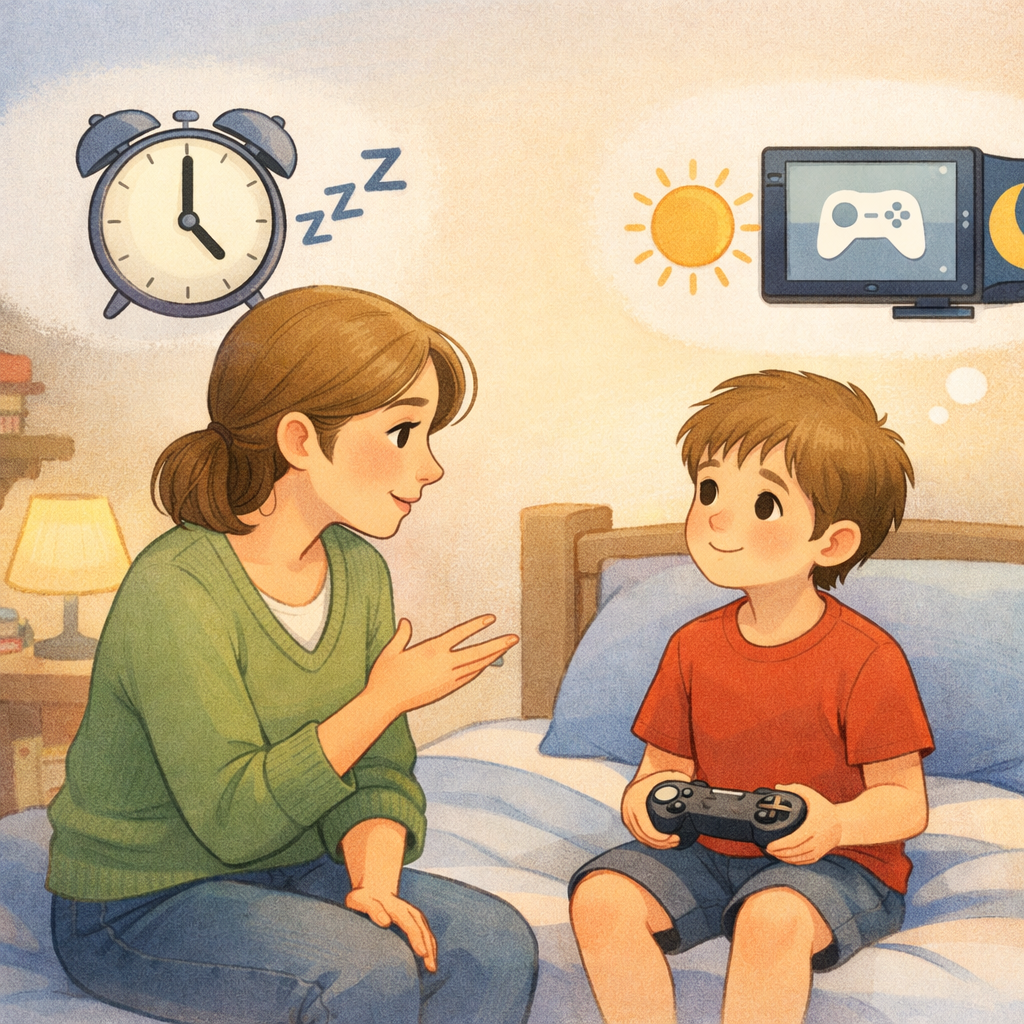
Ultimately, the best way to ensure gaming doesn't harm your sleep health is to embed it within a balanced lifestyle. This means making sure that gaming is just one part of a rich and varied life, not the central focus. Prioritizing other activities is essential for both physical and mental well-being.
Make time for regular physical activity. Exercise is a powerful tool for improving sleep quality and reducing stress. Even a brisk walk each day can make a significant difference. Also, nurture your real-world social interactions. Spending quality time with friends and family provides emotional support that online connections can't fully replicate.
Good sleep hygiene is the foundation of a balanced life. By protecting your sleep, you give yourself the energy and mental clarity to enjoy all aspects of your life—including gaming—in a healthy way.
- Incorporate regular physical activity into your daily routine.
- Prioritize face-to-face social interactions with friends and family.
- Cultivate other hobbies and interests outside of gaming.
Conclusion
Understanding the link between gaming, sleep, and mental health is key to overall well-being. While gaming offers enjoyment and social connections, it can impact sleep and mental health if not managed carefully. Recognize signs of disrupted sleep or mental health issues from excessive gaming and take steps like setting time limits, improving your sleep environment, and maintaining balance.
For personalized guidance, book a consultation or call daar at 02 9133 2500 with our experts today!
Frequently Asked Questions
Can gaming before bed really cause insomnia?
Yes, gaming before bed can lead to insomnia due to heightened alertness and stimulation from screen time. The blue light emitted by devices also disrupts melatonin production, making it difficult to fall asleep. It's important to establish a calming bedtime routine for better sleep health.
What mental health problems are most common among Australian gamers?
Common mental health problems among Australian gamers include anxiety, depression, and social isolation. These issues often stem from excessive gaming, leading to disrupted daily routines and decreased face-to-face interactions. Understanding these challenges is crucial for promoting healthier gaming habits and supporting mental well-being.
Are there proven strategies for balancing gaming, sleep, and mental health?
Yes, several proven strategies exist for balancing gaming, sleep, and mental health. Setting time limits, prioritizing sleep hygiene, and scheduling regular breaks can help. Engaging in physical activity or mindfulness practices also supports mental well-being while allowing for enjoyable gaming experiences.
.svg)




.svg)