
.png?width=48&height=48&name=Group%201%20(3).png)























9 March, 2026

How to Stop Online Gaming Addiction: Effective Solutions

Key Highlights
Here are the key takeaways for overcoming an online gaming addiction and improving your mental health:
- Recognizing a problem with your gaming habits is the crucial first step toward recovery from the negative consequences.
- Signs of addiction include neglecting responsibilities and experiencing withdrawal symptoms like irritability when not playing.
- Setting firm limits on screen time and finding new hobbies are practical ways to regain control of your gaming habits.
- Building healthy routines with physical activity and social interaction helps create a balanced lifestyle.
- Professional help from therapists and support groups is available and highly effective for lasting change.
- Recovery focuses on finding balance, not necessarily quitting gaming completely.
Introduction
Video games can be a fun and engaging hobby, but when does it cross the line into something more serious? For some, what starts as a pastime can develop into an online gaming addiction, which significantly impacts mental health and daily life. This condition, also known as gaming disorder, is characterized by social withdrawal and a loss of control over gaming, especially in the early stages. If you are concerned that your hobby with video games has become all-consuming for you or a loved one, know that you are not alone, and help is available.
Early Steps on How to Quit Online Gaming
The first step to making a change, according to the World Health Organization, is understanding the signs of addiction. This condition involves more than just spending a lot of time playing online games; it's about the negative impact on your real life. Recognizing these red flags is crucial for addressing the problem.
Being aware of risk factors like impulsivity or anxiety can also help you understand why quitting might be challenging. By acknowledging the issue and understanding its causes, you can begin to set clear goals and find healthier alternatives to build a more fulfilling life.
Setting Boundaries and Gaming Limits
Start by setting clear limits on your gaming time, including how social media can affect your focus. Instead of quitting abruptly, set realistic daily screen time boundaries. Use a timer or alarm to remind you when to stop, making it easier to cut back gradually without feeling deprived.
Support these limits with digital tools:
- Forest: Stay off your device to grow a virtual tree—using your phone kills it.
- Website blockers: Restrict access to gaming sites during certain hours.
- Device timers: Use built-in features to cap daily playtime.
These strategies help you control gaming and stay engaged with other important activities.
Identifying Triggers and High-Risk Situations
Understanding what drives your excessive gaming and potential video game addiction is key to breaking the habit. Identify your personal triggers and high-risk situations to prepare for temptation. Do you game more when stressed, bored, or lonely? Recognizing these patterns is the first step toward change.
Emotional shifts like sadness or irritability when you can't play are signs of a problem—often withdrawal symptoms. These feelings usually come from believing gaming is your only way to cope.
Common triggers include:
- Using games to escape stress, guilt, or hopelessness
- Feeling sad, anxious, or irritable when you can't play
- Lying about playtime or neglecting other hobbies
By recognizing these triggers, you can develop healthier ways to manage your emotions without relying on gaming.
Practical Strategies for Reducing Gaming Time
Reducing your gaming problem and time involves more than just willpower; it requires practical strategies that fit into your daily life. The goal is to reshape your gaming habits so you can reconnect with real life and find fulfillment away from the screen. This means actively planning alternative activities to fill the hours you would normally spend gaming.
Creating a structured day can prevent you from falling back into old patterns. By consciously choosing other pursuits, you can shift your focus and discover new interests. We will now explore how to build healthy routines and use tools to support your efforts.
Building Healthy Daily Routines
Creating healthy routines is key to a balanced lifestyle. Cutting back on gaming frees up time for activities that boost your well-being. Filling this time with positive habits helps prevent old patterns and encourages real-world engagement with the real world.
Think about what you enjoyed before gaming took priority. Try new interests that get you away from screens, mixing solo hobbies and social events for fulfillment outside gaming.
Here are some ideas to help build healthy routines:
- Physical activity: Go for a walk, join a sports team, or try hiking.
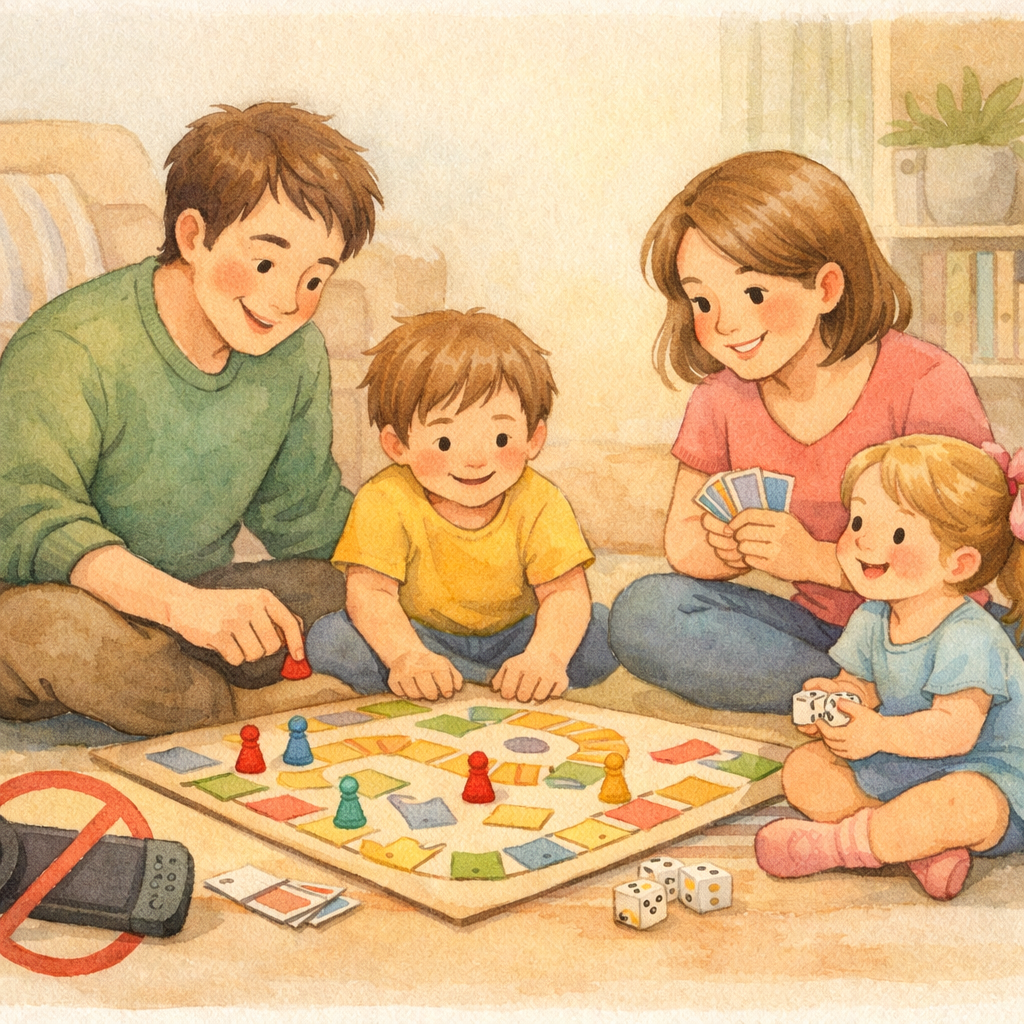
- Social interaction: Spend time with friends or family offline.
- New hobbies: Read a book, learn an instrument, or start a creative project.
- Mindfulness: Practice meditation or yoga to manage stress.
Apps and Tools to Restrict or Block Online Games
Technology can support your efforts to overcome internet gaming disorder. Many apps and tools help you manage screen time and limit access to online games, providing structure for healthier habits.
These tools increase awareness of device use and act as digital barriers, making it easier to reduce gaming and focus on other activities.
Here are helpful tool types:
|
Tool Type |
Description |
|---|---|
|
Time-Tracking Apps |
Monitor screen time and highlight your most-used apps. This can help in understanding if gaming leads to significant impairment in daily activities. |
|
Website Blockers |
Restrict access to gaming sites during set hours. |
|
Parental Control Tools |
Set strict playtime limits across devices—even for self-monitoring. |
|
Focus Apps |
Reward you for staying off your phone, helping build uninterrupted free time. |
Finding Gaming Addiction Help in Australia
If you are struggling with gaming addiction, seeking professional help is a powerful step toward recovery. In Australia, medical professionals are equipped to provide addiction treatment for mental health problems like gaming disorder, as recognized in the Diagnostic and Statistical Manual of Mental Disorders. They can offer strategies and support to help you regain control.
You do not have to face this challenge alone. Many resources are available, from counselors and therapists to specialized support groups and helplines that focus on outdoor activities. These options provide structured guidance to help you understand your habits and develop healthier routines. Let's look at some specific avenues for getting help.
Reaching Out to Support Groups and Communities
Joining support groups can greatly aid your recovery. Sharing experiences with others who understand creates a supportive, motivating environment and helps combat the isolation common in gaming.
These communities connect you with people who share your goals. Whether online or in person, they offer spaces to discuss challenges, celebrate progress, and learn from others’ journeys.
Consider these options:
- Online forums: Platforms like Reddit’s r/Stop Gaming allow for anonymous sharing and encouragement.
- Group therapy: Led by professionals, offering structured sessions to build recovery skills.
- Local meetups: In-person groups for those wanting to reduce gaming time.
Professional Help: Counseling and Helplines
When self-help strategies are not enough, professional support can make a significant difference. Counseling and helplines offer tailored guidance to address the root causes of your gaming habits and gambling addiction in a safe, non-judgmental environment. A common and effective method used by therapists is cognitive behavioral therapy (CBT).
CBT helps you recognize and change negative thought patterns linked to excessive gaming. With professional guidance, you can develop healthier coping strategies and create more balanced routines. Gaming addiction often co-occurs with other mental health problems like anxiety or depression, which a psychologist can diagnose and treat.
Here are some resources for professional help:
- Counseling/Therapy: One-on-one sessions with a mental health professional to address underlying issues.
- Helplines: Phone services offering immediate, confidential advice and emotional support.
- Family Therapy: Sessions involving family members to improve communication and create a supportive home environment.
Coping with Withdrawal When You Stop Online Gaming
When you cut back on gaming, you might experience withdrawal symptoms. These can include feelings of irritability, anxiety, sadness, and restlessness, which can negatively impact your physical health. While uncomfortable, these feelings are a normal part of breaking an addictive cycle and are a sign that your brain is readjusting.
It is important to have coping strategies in place to manage these symptoms, including attention deficit hyperactivity disorder (ADHD), and support your mental health. Understanding what to expect can make the process less daunting. We will explore common symptoms and how to manage them effectively.
Common Withdrawal Symptoms and How to Manage Them
As your brain adjusts to less gaming, you may experience a range of withdrawal symptoms. The constant dopamine release from gaming creates a powerful reward cycle, and its absence can lead to mood swings and cravings in the gaming world. A lack of sleep can also intensify these feelings, making it crucial to prioritize rest.
Managing these symptoms is key to a successful recovery and to improving your overall mental health. Instead of viewing them as setbacks, see them as signs that your body and mind are healing. Physical activity, mindfulness, and talking to someone you trust can all help you navigate this challenging phase.
Common withdrawal symptoms may include:
- Irritability, anxiety, or sadness
- Restlessness and an inability to focus
- Difficulty sleeping or changes in sleep patterns
- Intense cravings to play games
By anticipating these symptoms, you can prepare healthy responses and stay on track with your goals.
Supporting Your Mental Health During Recovery
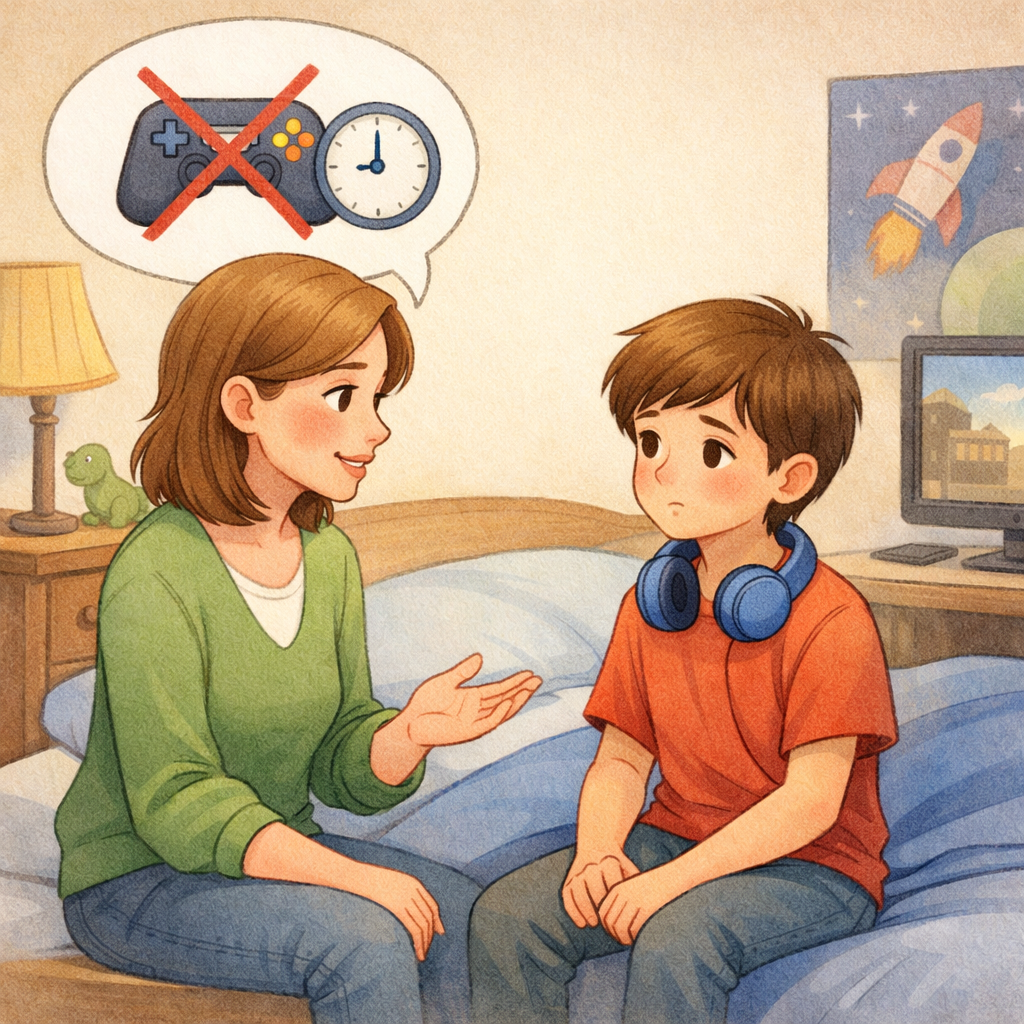
Prioritizing mental health is crucial during recovery. Since gaming often acts as a coping mechanism, further study into learning new ways to manage emotions is vital. Focus on emotional regulation to handle stress without returning to games.
Build a supportive environment by surrounding yourself with encouraging people and engaging in alternative activities that bring joy and a sense of accomplishment. Positive reinforcement helps shift fulfillment away from gaming, which can be essential for creating effective treatment plans.
To support your mental health:
- Practice mindfulness and meditation: Stay present and manage cravings.
- Exercise regularly: Boost your mood and relieve stress naturally.
- Connect with loved ones: Strengthen your support system through quality time.
Conclusion
In conclusion, overcoming online gaming addiction is a journey that requires patience, commitment, and the right strategies. By setting clear boundaries, recognizing triggers, and building healthier routines that foster social connection, you can gradually reduce your gaming time and regain control of your life. Remember, seeking help from support groups or professionals can provide valuable guidance and encouragement during this process. It's essential to prioritize your mental health and well-being as you navigate through withdrawal symptoms and recovery.
If you’re ready to take the first step, reach out today for a consultation or call daar at 02 9133 2500 for support and start your journey toward a healthier lifestyle.
Frequently Asked Questions
Can a Psychologist or Counselor Really Help Me Quit Online Gaming?
Yes, professional help is highly effective. A psychologist or counselor can help you understand the root causes of a gaming disorder and develop personalized addiction treatment strategies that address addictive behaviors. Through methods like group therapy and one-on-one sessions, they provide tools to improve your mental health and build healthier habits.
How Do I Talk to My Family About Stopping Online Gaming?
Choose a calm time to talk to your family members. Explain honestly how gaming addiction is affecting your mental health and how much time you spend playing games and that you want to make a change. Ask for their support in creating a supportive environment, which might include more family time and social interaction away from screens.
Are There Success Stories of People Overcoming Gaming Addiction?
Absolutely. Thousands of people have successfully overcome online gaming addiction and now lead balanced, fulfilling lives, where gaming once again becomes a healthy part of life. With a supportive environment and better emotional regulation, they have improved their social skills and reconnected with real life, proving that recovery is possible for anyone willing to make a change.
What help is there for a child that is addicted to online gaming?
For a child struggling with online gaming addiction, consider therapy options like cognitive-behavioral therapy, which can help address underlying issues. Additionally, setting boundaries on gaming time and encouraging alternative activities, such as sports or hobbies, can foster healthier habits and support their overall well-being.
.svg)




.svg)