
.png?width=48&height=48&name=Group%201%20(3).png)























5 March, 2026

How to Stop Online Gaming Addiction: Signs and Solutions
Key Highlights
Here are the key takeaways from this guide on overcoming online gaming addiction:
- Recognizing an issue with your gaming habits is the first step toward better mental health.
- Signs of addiction include neglecting responsibilities and experiencing withdrawal symptoms like irritability when not playing.
- Setting firm limits on screen time and finding new hobbies are practical ways to regain control.
- Building healthy routines with physical activities and social interaction helps create a balanced lifestyle.
- Professional help from therapists and support groups is available and highly effective.
- Recovery is about finding balance, not necessarily quitting gaming entirely.
Introduction
Video gaming can be a fun and engaging hobby, but when does it cross the line into something more serious? For some, what starts as a pastime can develop into an online gaming addiction, which can significantly impact mental health and daily life. This condition, also known as internet gaming disorder, is characterized by a loss of control over gaming habits, especially in the early stages. If you're concerned that gaming has become all-consuming for you or a loved one, know that you're not alone, and help is available.
Recognizing the Signs of Gaming Addiction
Understanding the signs of gaming addiction, including attention problems, is the first step toward addressing the problem. Officially termed internet gaming disorder, this condition involves more than just spending a lot of time playing. It's about the negative consequences that arise from excessive gaming and how it affects your overall mental health.
If you're wondering whether your gaming is becoming a problem, look for the common symptoms of video game addiction. These red flags can show up in your emotions, behaviors, and how you manage your day-to-day responsibilities, especially in severe cases. We will explore these signs in more detail below.
Behavioral and Emotional Red Flags
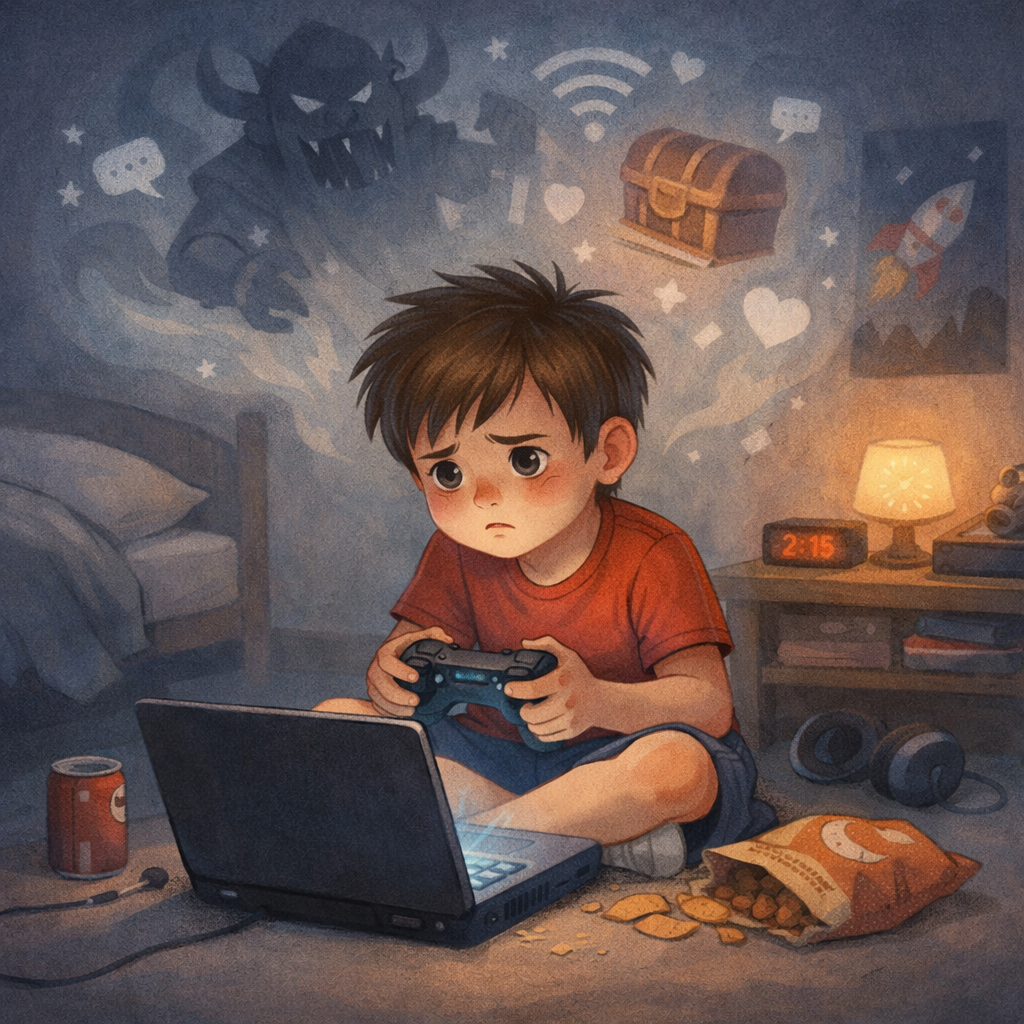
Using video games to escape stress, guilt, or hopelessness is a key emotional red flag related to mental illness. If gaming becomes your main coping method for negative moods, it may signal addictive behavior and create a cycle where you rely on gaming to feel good.
Noticeable emotional shifts when you can't play—such as sadness, anxiety, or irritability—are strong indicators of a problem and resemble withdrawal symptoms seen in other addictions.
Behavioral red flags include lying about gaming time, giving up hobbies, or neglecting relationships to play more. These actions show gaming is taking priority over important areas of your life.
When Gaming Begins to Affect Daily Life
A clear sign that gaming is having a negative impact is when it interferes with daily life, as noted by the World Health Organization. If your work or school performance drops, or you neglect responsibilities at home because of gaming, it's a problem.
Social withdrawal is another warning sign. Choosing gaming over spending time with friends and family can damage real-life relationships and lead to isolation.
If gaming keeps you from basic self-care or managing everyday tasks, it has become a serious issue. These signs show that gaming has shifted from a hobby to something harmful to your well-being.
Key Steps for How to Quit Online Gaming
If you want to quit online gaming, knowing the key steps can make it easier. Focus on new coping strategies and understand the psychological reasons behind your gaming habits, as recognized by the American Psychiatric Association—your mental health comes first.
Be aware of risk factors like impulsivity or anxiety, which can make quitting harder. Set clear goals and find healthy alternatives to build a more balanced, fulfilling life. Consider how much time you dedicate to these habits. Here are some practical strategies to help you get started.
Setting Limits and How to Reduce Gaming Time
Start by setting limits on your screen time. Instead of quitting online games all at once, establish clear, realistic boundaries for daily video game playing. Use a timer or alarm to signal when it's time to stop.
To support these rules, try apps and software that manage digital habits. For example:
- "Forest" encourages you to stay off your device by growing a virtual tree.
- Website blockers restrict access to gaming sites during set hours.
Gradually reducing gaming helps you reconnect with real life and build lasting habits without feeling overwhelmed.
Building Healthy Routines to Replace Gaming
Creating healthy routines is essential for achieving a balanced lifestyle. When you reduce gaming time, you'll have more space in your day for other activities that can enhance your social skills. Filling that time with positive habits can prevent you from falling back into old patterns. Think about what you used to enjoy before gaming took over.
Incorporate new interests that get you away from the screen and engaged with the real world, including social media. This could include a mix of solo hobbies and social events. Here are a few ideas to get you started:
- Physical activities: Go for a hike, join a sports team, or simply take a daily walk. Exercise is a great way to improve your mood and can help prevent issues related to substance use disorders.
- Social interaction: Make plans with friends or family for offline activities. Reconnecting with loved ones offers valuable support.
- New hobbies: Try reading a book, learning an instrument, or taking up a creative pursuit like painting.
By building a structured day that includes these alternatives, you can find fulfillment outside of gaming and rediscover a sense of achievement in the real world.
Getting Gaming Addiction Help in Australia
If you're struggling with gaming addiction, seeking professional help is a powerful step toward recovery. You don't have to face this alone. Medical professionals in Australia are equipped to assist with mental health problems, including behavioral addictions like gaming disorder and gambling addiction, which need further study. They can provide the strategies and support needed to regain control.
There are many resources available, from counselors and therapists to specialized support groups and helplines. These options offer structured guidance to help you understand your habits, including how dopamine release may influence certain behaviors, and develop healthier routines. Let's explore some of these specific avenues for getting help.
Support Groups, Helplines, and Counseling Options
Joining support groups can be incredibly beneficial for your physical health. Sharing your experiences with others who understand what you're going through creates a supportive environment where you can feel heard and motivated. Group therapy, often led by a professional, provides a structured setting to discuss challenges and celebrate progress together.
Helplines offer immediate, confidential support when you need to talk to someone. Counseling provides one-on-one guidance tailored to your specific situation, helping you to identify triggers and develop coping mechanisms.
Here are some options available for finding help related to Attention Deficit Hyperactivity Disorder:
|
Resource Type |
Description |
|---|---|
|
Support Groups |
Online or in-person communities where individuals share experiences and offer mutual encouragement. |
|
Helplines |
Phone services offering immediate, confidential advice and emotional support from trained counselors. |
|
Counseling/Therapy |
One-on-one sessions with a mental health professional to address underlying issues and build recovery skills. |
|
Family Therapy |
Sessions involving family members to improve communication and create a supportive home environment. |
The Role of Psychologists and Therapists in Recovery
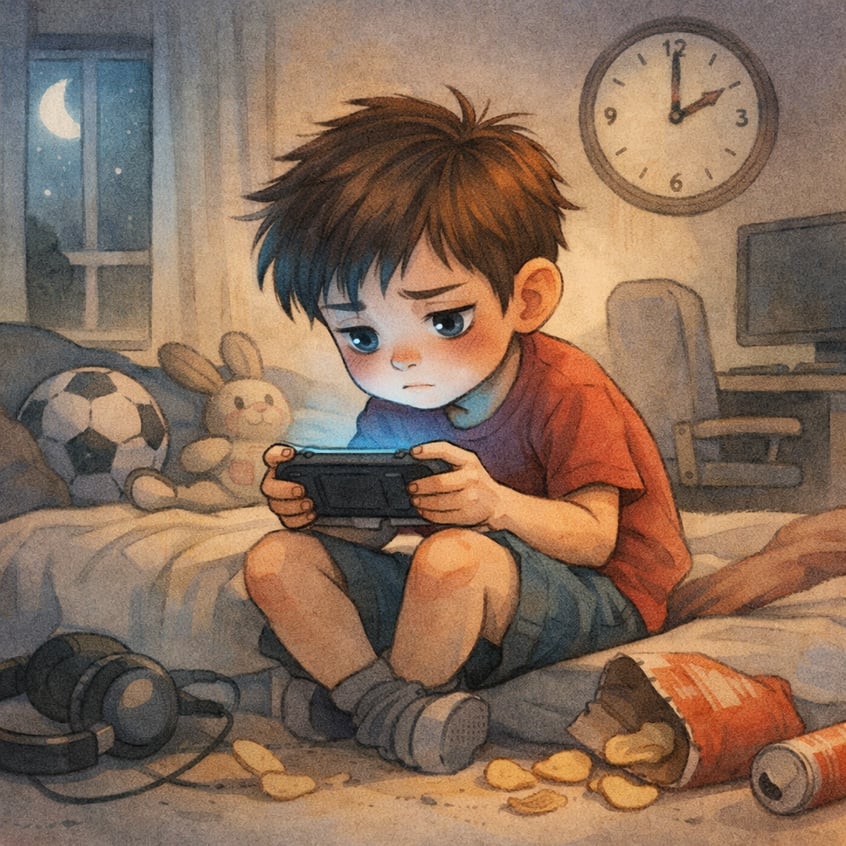
Psychologists and therapists are essential in treating gaming addiction. Through counseling, they help you identify the root causes of your gaming habits in a safe, non-judgmental environment.
Cognitive behavioral therapy (CBT) is a common and effective method. It helps you recognize and change negative thought patterns linked to excessive gaming. With professional support, you can develop healthier coping strategies and create more balanced routines.
Gaming addiction often occurs alongside conditions like anxiety or depression. Psychologists can diagnose and treat these issues, providing comprehensive care for lasting recovery.
Conclusion
In summary, recognizing and addressing your gaming problem, specifically online gaming addiction, is crucial for reclaiming your life and well-being. By identifying the signs and implementing practical steps to limit gaming time, you can create healthier routines that facilitate recovery. Seeking help from support groups, professionals, or helplines can provide the necessary guidance and encouragement on this journey. Remember, taking the first step towards change can significantly impact your mental health and daily life.
If you're struggling, don't hesitate to reach out for a consultation or call daar at 02 9133 2500 for help; your path to a balanced life starts today.
Frequently Asked Questions
What are the most effective ways to stop video game addiction?
The most effective ways to stop video game addiction involve a combination of strategies. Developing healthy coping strategies, seeking professional help through therapy, and building a balanced lifestyle are crucial. Prioritizing your mental health and creating a supportive network will help you regain control and find fulfillment beyond gaming as a healthy part of life.
Are there apps or tools to help reduce gaming time and block online games?
Yes, there are several apps and tools available to help manage gaming habits. Apps like Forest play an important role in motivating you to stay off your devices, while other software can block access to online games or track your screen time. These tools can be very effective in helping you stick to your goals for better mental health.
What withdrawal symptoms should I expect when cutting back?
When cutting back on gaming, you might experience withdrawal symptoms similar to those of other addictive behaviors. These can include irritability, anxiety, sadness, and significant impairment in restlessness. While uncomfortable, these feelings are a normal part of breaking the cycle of internet gaming disorder and are a sign that your brain is readjusting.
.svg)




.svg)