
.png?width=48&height=48&name=Group%201%20(3).png)























10 March, 2026

Understanding How Cortisol Affects Autistic Children

Key Highlights
- Studies suggest that autistic children may have different cortisol levels and stress responses compared to neurotypical children.
- The stress hormone cortisol follows a daily rhythm, which can be disrupted in children with autism spectrum disorder.
- Factors like sensory sensitivities and changes in routine can trigger a significant stress response and affect cortisol levels in autistic children.
- Chronic stress can lead to persistently high cortisol, which may impact behavior, health, and development.
- Understanding these cortisol patterns can help in developing effective strategies to manage stress for children with autism.
- Various methods, including saliva, hair, and blood tests, can measure cortisol to understand long-term stress.
Introduction
Have you ever wondered why your child with autism spectrum disorder reacts so strongly to seemingly minor changes or sensory experiences? The answer might lie in their body's stress response system. Cortisol, often called the "stress hormone," plays a crucial role in how we all manage stress. Research suggests that the patterns of cortisol levels can be different in autistic children. This blog will explore the connection between high cortisol and autism, shedding light on its causes, effects, and management strategies.
An Overview of Autism Spectrum Disorder (ASD)
Autism Spectrum Disorder (ASD) is a complex neurodevelopmental condition. It is characterized by a wide range of challenges, primarily in social communication and interaction, alongside restricted or repetitive patterns of behavior and interests.
Because it's a "spectrum," the signs and severity of ASD can vary greatly among autistic children. Understanding these developmental disabilities is the first step toward providing the right support, which often begins with a formal diagnosis of autism. This guide will look closer at what defines ASD and its common traits.
Defining Autism Spectrum Disorder
Autism spectrum disorder (ASD) refers to a range of neurodevelopmental conditions now grouped under one diagnosis by the American Psychiatric Association. This reflects that, while these conditions share core traits, each person’s experience is unique.
The term “spectrum” emphasizes the wide variation among autistic individuals—abilities and symptom intensity differ greatly from person to person.
Research increasingly shows a link between stress, cortisol levels, and autism symptoms in children. How an autistic child processes stress can impact their behavior and well-being, making cortisol patterns important to study.
Common Characteristics of Autism
Autistic children often display unique developmental and behavioral patterns, especially in social communication. They may struggle with back-and-forth conversation, interpreting nonverbal cues, and forming friendships.
Restricted interests and repetitive behaviors are also common, such as a preference for routines, repetitive movements, or intense focus on specific topics. These traits vary based on each child’s development.
Elevated cortisol levels—often due to stress—can heighten these behaviors. For example, a child may repeat actions more frequently to manage stress.
Key characteristics include:
- Difficulties with social interaction and communication
- Strong need for routines
- Intense, focused interests
- Sensory sensitivities (e.g., to light, sound, or touch)
Prevalence of Autism in Australia
While most research focuses on U.S. children, understanding autism spectrum disorder (ASD) globally adds important context. In Australia, as elsewhere, ASD awareness and diagnoses have risen significantly, making it one of the most common developmental disabilities.
Diagnosis rates continue to increase due to improved practices and broader definitions. Recent Australian data shows a high prevalence:
|
Age Group |
Prevalence Rate |
|---|---|
|
Children |
1 in 70 |
|
Overall |
1 in 150 |
Adolescence is a key period for cortisol changes. Puberty and increased social pressures can heighten stress responses, affecting autistic adolescents differently than younger children.
The Stress Response System and the HPA Axis
Your body has a built-in system designed to handle stress, known as the stress response system. When you face a threat, this system kicks into gear, preparing you to either fight or flee. A key player in this process is the hypothalamic–pituitary–adrenal (HPA) axis.
This intricate network is responsible for managing physiological stress by controlling the release of hormones, most notably cortisol. The cortisol response is what helps regulate your body's reaction to stressful events. We will now examine the components of this system and how they work together.
Components of the Stress Response System
The stress response system is a network of the brain and glands that prepares the body for action when a threat is detected—triggering rapid heart rate and muscle tension.
This system is mainly controlled by the limbic hypothalamic pituitary adrenocortical (LHPA) axis, or adrenal axis, which manages how the body handles long-term physiological stress. It keeps daily rhythms, responds to threats, and helps return the body to baseline.
In children with autism, cortisol rhythms often show greater variability than in neurotypical children. They may have heightened and prolonged stress reactions to stimuli others find unremarkable, indicating possible dysregulation of their stress response system.
The Hypothalamic–Pituitary–Adrenal (HPA) Axis Explained
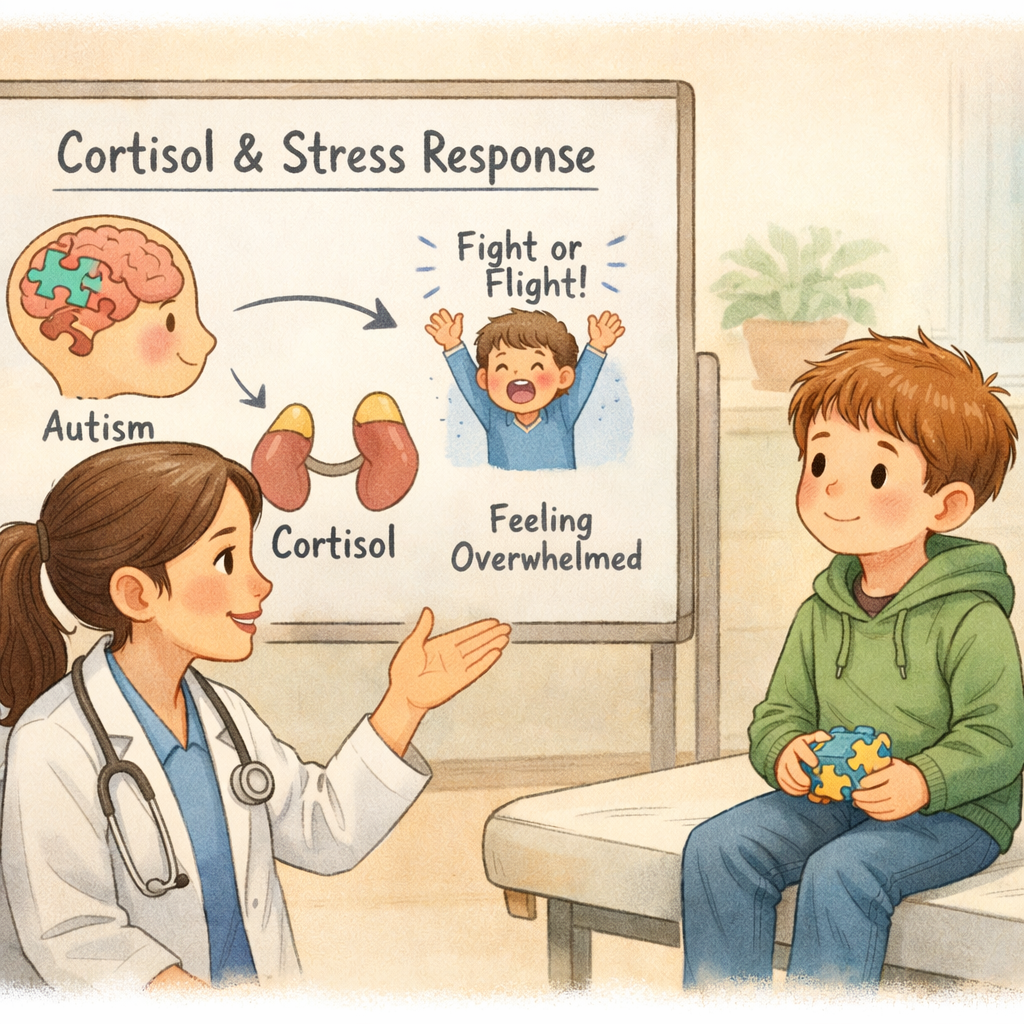
The HPA axis is the body’s main stress response system, linking the hypothalamus, pituitary gland, and adrenal glands. When you encounter stress, this pathway signals the release of cortisol from the adrenal glands, triggering a "fight or flight" response. Normally, high cortisol levels signal the brain to reduce production, restoring balance.
In children with ASD, this feedback loop may be less efficient. As a result, cortisol can stay elevated longer, worsening anxiety, repetitive behaviors, and social difficulties.
Interaction Between Stress Hormones and Brain Development
Stress hormones like cortisol significantly influence brain development, especially in childhood and adolescence. Prolonged high cortisol can alter key brain regions such as the hippocampus, affecting memory and learning.
The stress response also impacts social and emotional processing. A well-regulated system supports healthy interactions, but frequent activation can make social situations overwhelming, leading to avoidance and anxiety.
Are sensory sensitivities in autistic children linked to cortisol? There is a likely connection. For hypersensitive children, everyday environments may feel threatening, triggering ongoing stress and elevated cortisol. This can further increase sensitivity and behavioral reactions, creating a difficult cycle.
High Cortisol Levels: Causes and Effects
Experiencing higher cortisol levels than normal is often a sign of chronic stress. Your body's stress response is designed for short-term threats, but when it's activated continuously due to ongoing psychosocial stress or other factors, it can lead to health problems.
This state of constant alert can take a toll on both your physical and mental well-being. Understanding what causes elevated cortisol and recognizing its effects is crucial, especially for individuals who may be more susceptible to stress. Let's look at the common triggers and symptoms of high cortisol.
What Triggers High Cortisol?
Many factors can trigger high cortisol levels. For most people, stressful situations like tight deadlines or public speaking cause temporary spikes. However, chronic stress keeps cortisol elevated.
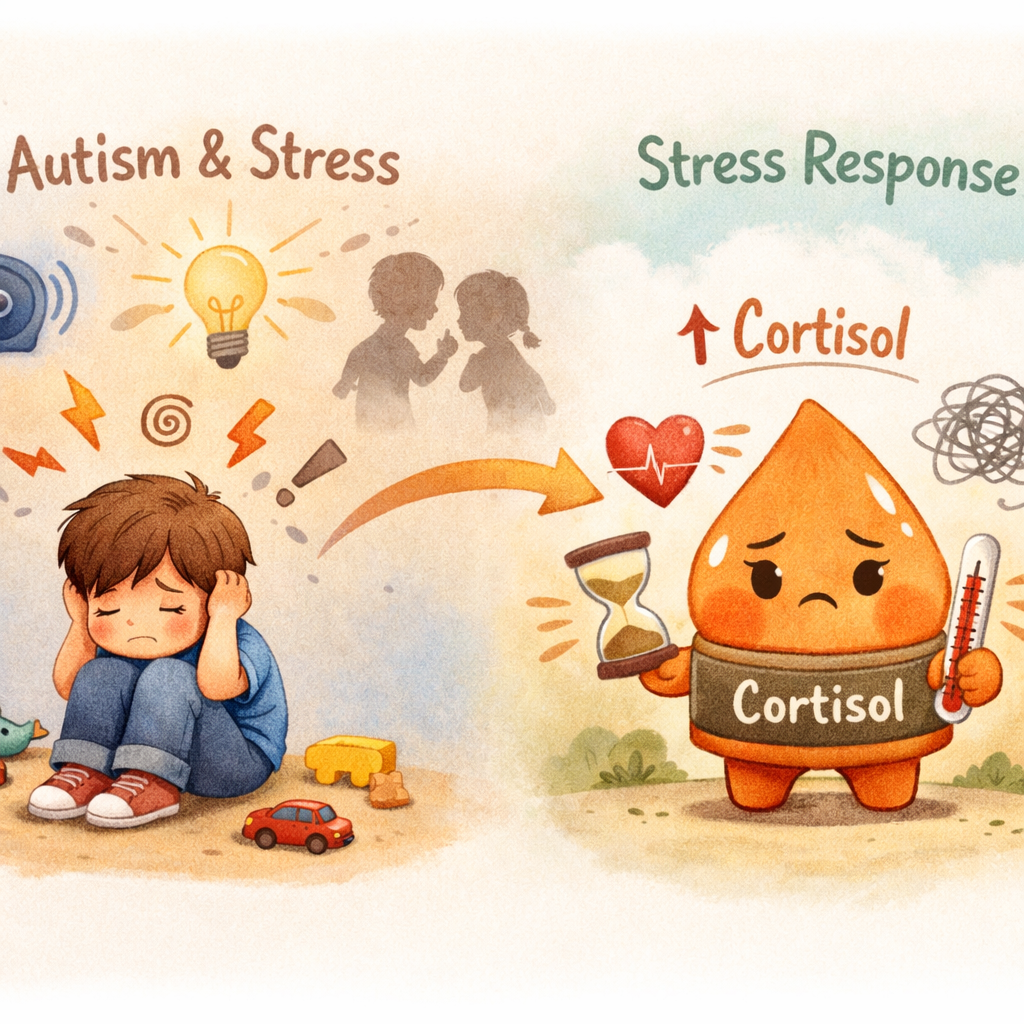
Autistic children may have higher cortisol responses because they perceive more situations as stressful. Changes in routine, unpredictable social interactions, and sensory overload are common triggers. Their heightened sensitivity often leads to more frequent and intense cortisol responses than neurotypical peers.
Psychosocial stress—such as peer rejection or difficulty with social rules—also plays a major role. Constantly trying to understand and adapt socially can be exhausting and raise cortisol levels. Key triggers include:
- Changes in routine or unexpected events
- Sensory overload from noise, lights, or crowds
- Difficult social interactions
Signs and Symptoms of Elevated Cortisol

When cortisol levels stay high, various physical and psychological symptoms can appear, signaling significant stress. Common signs include fatigue, irritability, headaches, and trouble sleeping.
In autistic children, elevated cortisol may intensify autism symptoms. They might show more repetitive behaviors, frequent meltdowns, or increased withdrawal and anxiety in social situations.
Recognizing these changes helps parents and caregivers respond with supportive strategies. Signs to watch for include:
- Increased anxiety and irritability
- Sleep problems or ongoing fatigue
- Heightened sensory sensitivities
- More meltdowns or aggressive behaviors
Health Impacts of Persistently High Cortisol
Chronic stress leads to persistently high cortisol levels, which can cause serious long-term health issues. It weakens the immune system, increases susceptibility to illness, and contributes to problems like high blood pressure, weight gain, and digestive issues.
High cortisol also significantly affects mental health, raising the risk of depression and anxiety by altering brain chemistry.
In children with ASD, elevated cortisol can worsen core symptoms such as social difficulties and repetitive behaviors. It may also trigger or intensify co-occurring conditions like anxiety, making daily life even more challenging.
Understanding Cortisol Patterns in Children with Autism
Cortisol levels naturally fluctuate throughout the day, following a pattern known as a circadian rhythm. Typically, cortisol is highest in the morning to help you wake up and gradually decreases to its lowest point at night. However, research indicates that these cortisol rhythms can be different in autistic children.
Studying these patterns provides valuable insights into how their bodies manage stress. By examining the variations in their daily cortisol cycles, we can better understand the unique physiological challenges they may face. Let's look at the specific differences observed in research.
Differences in Cortisol Rhythms Compared to Neurotypical Children
Research consistently shows differences in cortisol rhythms between autistic and neurotypical children. Neurotypical children usually have a sharp rise in cortisol after waking, followed by a steady decline throughout the day. In contrast, autistic children often show a blunted morning response and higher evening cortisol levels, disrupting the normal daily pattern.
These patterns can vary not only between autistic children but also from day to day within the same child. This inconsistency points to disrupted HPA axis regulation, making cortisol responses in autistic children less predictable and more sensitive to environmental factors.
Morning Versus Evening Cortisol Patterns
The cortisol circadian rhythm is defined by distinct morning and evening patterns. Morning cortisol is typically high, providing the energy needed to start the day. In contrast, evening cortisol levels are low, which promotes relaxation and sleep. In autistic children, this rhythm can be disrupted.
Research collecting cortisol samples at different times has highlighted these differences. One study, with a mean age of around 9 years old, found that autistic children showed a more gradual decrease in morning cortisol and elevated evening values compared to their peers. This suggests that their bodies may not be winding down effectively at the end of the day.
Are there differences in cortisol effects on autistic children during adolescence? Yes, adolescence can bring further changes. One study found that autistic adolescents had significantly higher evening cortisol levels than younger autistic children, indicating a cumulative effect of stress throughout the day that worsens with age and pubertal development.
|
Cortisol Finding in Autism |
Typical Pattern |
|---|---|
|
Blunted morning peak |
Sharp morning peak |
|
Elevated evening levels |
Low evening levels |
|
High day-to-day variability |
Consistent daily rhythm |
Research on Cortisol Fluctuations in ASD
Scientific investigation into cortisol fluctuations in the ASD group has yielded complex and sometimes varied results. Many studies, searchable on platforms like Google Scholar and published in journals like J Autism Dev Disord, have explored the HPA axis in autism. They consistently point toward some form of dysregulation.
Do cortisol levels influence emotional regulation in children with autism? Yes, the evidence strongly suggests they do. An unpredictable or chronically elevated cortisol level can make it much harder for a child to manage their emotions, leading to increased anxiety and difficulty coping with stressors.
Future research is needed to understand the precise mechanisms behind these cortisol fluctuations and their link to specific behaviors. This could lead to more targeted interventions. Key findings from existing research include:
- The ASD group often shows more within-subject and between-subject variability in circadian rhythms.
- Elevated cortisol has been associated with social engagement challenges.
- Some autistic individuals show a hyper-responsive cortisol reaction to stressors.
Behavioral Impact of Elevated Cortisol in Autism
When autistic children experience higher cortisol levels, it can have a noticeable behavioral impact. The constant state of physiological stress can influence how they regulate their emotions, interact with others, and engage in daily routines.
This heightened stress response can amplify some of the core challenges associated with autism. Understanding this link is key for parents and caregivers who are looking for ways to support their child's well-being. Here, we'll explore how elevated cortisol affects specific behaviors.
Effects on Emotional Regulation and Coping
Emotional regulation is the ability to manage emotions. For autistic children, this is often challenging, and higher cortisol levels make it harder.
Do cortisol levels affect emotional regulation in autistic children? Yes. Elevated cortisol keeps the body in a constant state of alert, making it difficult for a child to calm down after feeling upset or anxious. This can lead to more frequent and intense meltdowns due to reduced coping ability.
Instead of returning to a calm baseline, their stress response stays activated, leaving them more vulnerable to new stressors. This exhausting cycle makes developing coping strategies much more difficult.
Influence on Social Interactions and Communication
Social interactions are often stressful for autistic children. Challenges with understanding social cues and conversations can significantly increase their stress.
How does cortisol affect their behavior in these settings? Elevated cortisol makes autistic children more anxious and likely to avoid social interactions. They may withdraw, become non-verbal, or seem disengaged to cope with the stress. High cortisol also impairs their ability to process social communication.
This creates a cycle: social situations raise stress and cortisol, which then makes future interactions even harder. Over time, this can hinder the development of important social skills and relationships.
Links to Routines and Repetitive Behaviors
A strong preference for routines and the presence of repetitive behaviors are well-known characteristics of autism. These behaviors often serve as a way to self-soothe and create predictability in a world that can feel chaotic and overwhelming.
The link between these behaviors and cortisol levels is significant. When a child's stress response is activated, they may rely more heavily on routines and repetitive actions to feel safe and in control. For example, a disruption to a familiar routine can trigger a spike in cortisol, leading to an increase in behaviors like rocking or hand-flapping as the child attempts to manage their distress.
How does cortisol impact these behaviors?
- Increased Rigidity: Higher cortisol levels can intensify a child's insistence on sameness, making them less flexible and more distressed by change.
- Coping Mechanism: Repetitive behaviors may become more pronounced as a direct response to stress, serving as an external way to regulate an internal state of chaos.
Stress, Sensory Sensitivities, and Cortisol in ASD
For many autistic children, the world can feel like a sensory minefield. Common sounds, lights, or textures that others might not notice can be intensely overwhelming. These sensory sensitivities are deeply connected to stress and cortisol levels in autism spectrum disorder.
When an autistic child is bombarded with uncomfortable sensory input, their body can perceive it as a threat, triggering a stress response. This section explores how sensory processing differences contribute to elevated cortisol and what that means for the child's experience.
How Sensory Input Affects Stress Responses
Sensory input is the information our bodies receive from the environment through our senses. For most people, the brain filters this information automatically. However, in many autistic children, this filtering process works differently, leading to either over-responsiveness or under-responsiveness to stimuli.
Are sensory sensitivities in autistic children linked to cortisol levels? Yes, there is a strong link. When a child is over-responsive, everyday sensory input like the hum of a refrigerator or the texture of a shirt can trigger their stress response system. This constant activation leads to increased cortisol production as their body is perpetually in a state of defense.
Even seemingly "benign" stimuli can act as environmental cues that influence biological rhythms and stress. This heightened sensitivity means the child's internal system is always on high alert, making it difficult to relax and feel safe in their surroundings.
Sensory Processing Differences in Autistic Children
Sensory processing refers to how the nervous system receives, organizes, and interprets sensory information. In autistic children, these processes are often atypical. Some may be hypersensitive, finding certain stimuli painful or overwhelming, while others may be hyposensitive, seeking out intense sensory experiences.
These differences in sensory processing can significantly influence stress reactivity. A child who is hypersensitive to sound might experience a classroom as a painfully loud environment, leading to a state of chronic stress. This helps explain why their cortisol rhythms might differ from those of neurotypical children, who are not experiencing the same level of sensory threat.
This variability in sensory processing is a core component of the spectrum disorder. Understanding a child's unique sensory profile is crucial for creating environments that feel safe and reduce the likelihood of triggering a stress response.
The Relationship Between Sensory Overload and Cortisol
Sensory overload occurs when a child is exposed to more sensory input than they can process. This can lead to a state of intense distress, often resulting in a meltdown or shutdown. During these moments, their stress levels skyrocket.
The relationship between sensory overload and cortisol is direct. The experience of being overwhelmed triggers a powerful stress response, causing a surge in cortisol levels. If a child experiences sensory overload frequently, they may develop chronically higher cortisol levels, as their body rarely gets a chance to return to a calm state.
This cycle highlights the strong connection between sensory sensitivities and physiological stress.
- Trigger for Stress: Sensory overload is a primary trigger for the "fight or flight" response in many autistic children.
- Physiological Impact: The resulting spike in cortisol confirms that sensory sensitivities are not just a behavioral quirk but have a real, measurable effect on the body.
Factors Affecting High Cortisol Levels in Autistic Children
Why do some autistic children seem to have higher cortisol levels than others? The answer is complex, involving a mix of biological predispositions and environmental influences. Several factors can contribute to increased stress levels and altered cortisol production in this population.
From genetic makeup to daily experiences at home and school, each element plays a role in shaping a child's stress response system. Exploring these factors can help us understand the root causes of elevated cortisol and identify areas where support is most needed.
Genetic Influences and Neurodevelopment
Genetic influences play a significant role in the development of autism spectrum disorder, and they may also contribute to how a child's stress system functions. Research suggests that the same genetic factors that influence neurodevelopment might also predispose an individual to have a more reactive HPA axis.
The unique brain development seen in autism can affect how the brain perceives and processes threats. This can lead to a lower threshold for stress, meaning the body's alarm system is triggered more easily. This inherent biological sensitivity is a key reason why autistic children might have higher cortisol responses to stress.
Therefore, the tendency toward higher cortisol levels may not just be a reaction to the environment but could be partly hardwired from an early age. This interaction between genes and neurodevelopment creates a foundation for a more sensitive stress response system.
Family, School, and Environmental Stressors

The environment a child navigates every day is a major source of stress. For autistic children, environmental stressors can be found at home, at school, and in the community. What might seem like a normal environment to others can be filled with triggers that elevate stress levels.
At school, the combination of social demands, sensory overload, and academic pressures can create significant psychosocial stress. At home, even well-meaning family dynamics can be stressful if routines are inconsistent or communication is challenging. These daily stressors accumulate, contributing to chronically high cortisol.
Why might autistic children have higher cortisol responses to these stressors?
- Predictability: They often thrive on predictability, and unexpected changes at school or home can be highly dysregulating.
- Social Demands: The constant pressure to navigate complex social rules in family and peer groups can be exhausting.
The Impact of Early Life Stress
Experiences during early life are critical in shaping the development of the stress response system. Exposure to significant stress during infancy and early childhood can lead to long-term changes in stress reactivity, making a person more vulnerable to stress later in life.
For an autistic child who may already be biologically predisposed to a more sensitive system, early life stressors can have an even greater impact. This could include medical procedures, difficulty with attachment, or living in an environment that doesn't accommodate their sensory needs.
These early experiences can calibrate their HPA axis to be over-reactive, leading to higher cortisol levels in response to even minor challenges. This heightened reactivity becomes a baseline part of their physiological makeup, influencing their development and behavior for years to come.
The Relationship Between High Cortisol and Core ASD Symptoms
There is a compelling relationship between high cortisol and the core symptoms of autism spectrum disorder. Elevated stress hormones don't just exist alongside ASD; they can actively intensify the challenges that autistic children face.
Members of the ASD group who experience chronic stress may show more pronounced difficulties in areas like social interaction and cognitive flexibility. This section will connect the dots between high cortisol and the defining characteristics of autism, illustrating how one can exacerbate the other.
Social Challenges and Anxiety
Social challenges and anxiety are deeply intertwined for many autistic children. The effort required to navigate social situations can be a significant source of stress, leading to higher cortisol levels. In turn, elevated cortisol can increase feelings of anxiety, making social engagement feel even more daunting.
This creates a vicious cycle. A child feels anxious about a social event, their cortisol rises, and the physical sensations of stress make the experience unpleasant. This negative experience then reinforces their anxiety about future social interactions.
Are there differences in cortisol effects on autistic children during adolescence? Yes, this period can be particularly tough. The social landscape becomes more complex, and the desire for peer acceptance grows. For an autistic adolescent, these heightened social pressures can lead to even greater anxiety and more pronounced cortisol responses, making this developmental stage exceptionally challenging.
Aggression, Meltdowns, and Burnout
When stress becomes overwhelming, it can lead to intense behavioral responses. For autistic children, chronically higher cortisol levels can contribute to aggression, meltdowns, and burnout. These are not willful acts of defiance but are often signs of a nervous system in crisis.
How does cortisol impact the behavior of autistic children in this way? A meltdown is an intense response to an overwhelming situation, and it's often preceded by a massive surge in cortisol. Aggression can also be a reaction driven by fear and stress when a child feels threatened and unable to communicate their needs.
Over time, the constant cycle of high stress and intense emotional release can lead to burnout. This is a state of profound exhaustion where the child may appear withdrawn, apathetic, and unable to engage in daily activities. It is the result of their system being depleted from prolonged stress.
Strategies to Manage Cortisol and Stress in Autism
Managing high cortisol and stress in autistic children is possible with the right strategies. The goal of these interventions is not to eliminate stress entirely but to help children develop coping skills and create environments that feel safer and more predictable.
A combination of therapeutic, sensory-aware, and lifestyle approaches can make a significant difference. By focusing on stress management, parents and caregivers can help lower cortisol levels and improve their child's overall well-being. Let's explore some effective techniques.
Behavioral and Therapeutic Approaches
Behavioral and therapeutic approaches can equip autistic children with the tools they need to manage stress. Therapies like Applied Behavior Analysis (ABA) can help by building skills and confidence in areas that cause stress, such as communication and social interaction.
How can parents and caregivers help reduce stress in autistic children using these methods? By working with a therapist, a child can learn to identify their stress triggers and practice coping strategies in a supportive setting. Therapeutic interventions can also teach emotional regulation skills, helping children understand and express their feelings in healthier ways.
The focus of these behavioral approaches is on positive reinforcement and skill-building, which can empower children and reduce the anxiety associated with challenging situations. Effective strategies include:
- Cognitive Behavioral Therapy (CBT): To help identify and change anxious thought patterns.
- Social Skills Training: To build confidence in social situations.
- ABA Therapy: To develop positive behaviors and coping mechanisms.
Techniques for Enhancing Emotional Regulation
Enhancing emotional regulation is fundamental to lowering cortisol levels. Autistic children can learn techniques to recognize the early signs of stress and intervene before they become overwhelmed. This proactive approach helps prevent the full-blown stress response from taking over.
How can parents and caregivers help reduce stress in autistic children through these techniques? By modeling calm behavior and co-regulating with their child during stressful moments, parents can provide a sense of safety. Teaching simple calming strategies, like deep breathing or taking a break in a quiet space, can also be incredibly effective.
The key is consistency and practice. Over time, these techniques can become second nature, giving the child a reliable toolkit for managing their emotions.
- Creating a "Calm-Down Corner": A designated safe space with comforting items where a child can go to de-stress.
- Using Visual Aids: Tools like an "emotions thermometer" can help a child identify and communicate their feelings.
Sensory-Aware Stress Reduction Strategies
Since sensory processing differences are a major source of stress for many autistic children, sensory-aware strategies are essential. These involve modifying the environment to reduce overwhelming stimuli and providing appropriate sensory input to help a child feel calm and regulated.
How can parents and caregivers help reduce stress in autistic children with this approach? Start by identifying your child's unique sensory triggers and preferences. For a child sensitive to noise, this could mean using noise-canceling headphones in loud places. For a child who seeks deep pressure, a weighted blanket could be calming.
Creating a sensory-friendly environment at home can significantly lower a child's baseline stress level. This form of stress reduction acknowledges the very real physiological impact of sensory input and provides practical solutions to support the child's nervous system.
Lifestyle Factors That Influence Cortisol Levels
Everyday habits and routines have a powerful influence on cortisol levels. For autistic children, certain lifestyle factors can either help regulate their stress response or contribute to its dysregulation.
Simple adjustments to sleep schedules, diet, and daily activities can have a profound impact on well-being. By focusing on these foundational elements of a healthy lifestyle, parents can create a supportive framework that helps stabilize cortisol and reduce stress.
The Role of Sleep and Routine
Sleep and routine are pillars of a well-regulated stress system. A consistent sleep schedule helps support the natural cortisol circadian rhythm, ensuring that cortisol levels rise in the morning and fall at night. For autistic children, who may be prone to sleep disturbances, prioritizing sleep is crucial.
Do cortisol levels influence emotional regulation in children with autism? Yes, and sleep is a major factor. A child who is sleep-deprived will have higher cortisol levels and a much lower capacity for emotional regulation the next day. This makes them more prone to meltdowns and anxiety.
Establishing predictable daily routines also helps lower stress by making the world feel safer and more manageable.
- Consistent Bedtime Routine: A calming sequence of activities before bed can signal to the body that it's time to wind down.
- Predictable Daily Schedule: Knowing what to expect throughout the day reduces uncertainty and anxiety.
Diet, Exercise, and Physical Activity
What a child eats and how much they move can also affect their cortisol levels. A balanced diet helps stabilize blood sugar, which in turn can help regulate mood and stress. Some studies suggest that certain foods can influence cortisol production.
How can parents and caregivers help reduce stress in autistic children through lifestyle? Regular physical activity is a fantastic way to manage stress. Exercise helps to metabolize excess stress hormones and releases endorphins, which have mood-boosting effects. For autistic children, finding an enjoyable form of physical activity is key.
Whether it's jumping on a trampoline, going for a walk in nature, or swimming, movement provides an outlet for stress and tension. It helps reset the nervous system and can lead to lower overall cortisol levels.
Mindfulness and Relaxation in Stress Management
Mindfulness and relaxation techniques are powerful tools for stress management. These practices help to activate the body's relaxation response, which is the opposite of the stress response. This can help lower heart rate, blood pressure, and cortisol secretion.
How can parents and caregivers help reduce stress in autistic children using these methods? You can introduce simple mindfulness exercises, such as focusing on the sensation of breathing or paying attention to one sensory detail in the room. Guided relaxation stories or gentle yoga can also be very effective.
The goal is not to force a child to sit still and meditate but to find moments of calm and present-moment awareness throughout the day. Even a few minutes of quiet relaxation can help to down-regulate an overactive stress system and bring a sense of peace.
When to Seek Medical Advice for High Cortisol in Children with Autism
While many strategies can be implemented at home, there are times when it's important to seek medical advice for concerns about high cortisol in autistic children. If you notice persistent or severe symptoms of stress, or if your child's behavior changes dramatically, consulting with healthcare providers is a crucial step. A doctor or specialist can help rule out any underlying medical conditions that might be contributing to high cortisol and can offer guidance on the most appropriate interventions.
Working with professionals ensures that your child receives comprehensive care that addresses both their behavioral and physiological needs. Don't hesitate to reach out for support if you feel that your child's stress levels are unmanageable or are significantly impacting their quality of life.
Warning Signs That Require Professional Support
Knowing the warning signs of chronically high cortisol can help you determine when it's time to seek professional help. While some stress is normal, certain symptoms indicate that a child's stress levels may be reaching a harmful point.
What are the signs of elevated cortisol levels in autistic children that warrant medical attention? Look for significant changes in behavior, sleep, or mood that are persistent and don't improve with home-based strategies. This could include a dramatic increase in meltdowns, severe withdrawal, or new physical symptoms.
If you observe any of the following, it's a good idea to consult with your child's doctor or a mental health professional who specializes in working with autistic children.
- Extreme changes in sleep patterns, such as severe insomnia or excessive sleeping.
- A significant increase in self-injurious behaviors or aggression toward others.
- Signs of depression, such as a loss of interest in previously enjoyed activities, or talk of self-harm.
Medical Assessment and Diagnostic Pathways
Evaluating potential autism spectrum disorder involves a comprehensive medical assessment. This process often begins with parent and teacher questionnaires, which provide insights into the child's social communication and behaviors. Following this, healthcare providers commonly utilize standardized tests to understand better how factors like cortisol levels might influence autistic children. Observational assessments can uncover how environmental stressors impact an individual’s cortisol response. Blood samples measuring cortisol production, or salivary cortisol for less invasive options, are valuable in this context. Collaboration among specialists ensures a tailored path for every child, addressing their unique developmental factors.
Collaboration with Healthcare Providers in Australia
Building a supportive network with healthcare providers is essential for managing the health of autistic children in Australia. Specialists, including pediatricians and psychologists, often collaborate to assess cortisol levels and develop tailored interventions. Regular communication helps parents stay informed about their child's cortisol response to stress and its potential impact on social skills and behaviors. Furthermore, using tools like the dexamethasone suppression test can aid in understanding individual differences in cortisol secretion. This teamwork not only enhances the diagnosis of autism but also promotes a holistic approach to enhancing mental health outcomes for children on the autism spectrum.
Conclusion
Understanding the intricate relationship between cortisol levels and autistic children opens new avenues for research and support. Higher cortisol levels often indicate chronic stress, which can exacerbate symptoms associated with autism spectrum disorders. By exploring these dynamics, parents and caregivers can better navigate the complexities of stress reactivity and its impacts on social communication and repetitive behaviors. Collaborative efforts with healthcare providers can further enhance understanding of how cortisol production affects the developmental health of autistic children, ultimately fostering a more supportive environment for their growth and well-being. The future of autism research holds exciting possibilities worth exploring.
Reach out for a consultation or call daar at 02 9133 2500 for expert guidance tailored to your child’s needs.
Frequently Asked Questions
Are high cortisol levels common in children with autism?
High cortisol levels have been observed in some children with autism, potentially linked to stress responses. However, prevalence can vary significantly among individuals, emphasizing the need for thorough medical assessment to understand each child's unique situation and hormonal balance.
How can parents and caregivers help reduce stress in autistic children?
Parents and caregivers can help reduce stress in autistic children by establishing consistent routines, creating a calm environment, and using visual supports. Encouraging communication and providing sensory breaks also play crucial roles in helping to manage anxiety and enhance emotional well-being.
Can high cortisol levels make autism symptoms worse?
Research suggests that high cortisol levels may exacerbate autism symptoms by increasing stress and anxiety, potentially impacting behavioral responses. However, individual reactions can vary significantly, necessitating further studies to understand the relationship between cortisol and autism comprehensively.
.svg)




.svg)