
.png?width=48&height=48&name=Group%201%20(3).png)























15 April, 2026

What Is Low Cortisol? Symptoms and Care for Kids
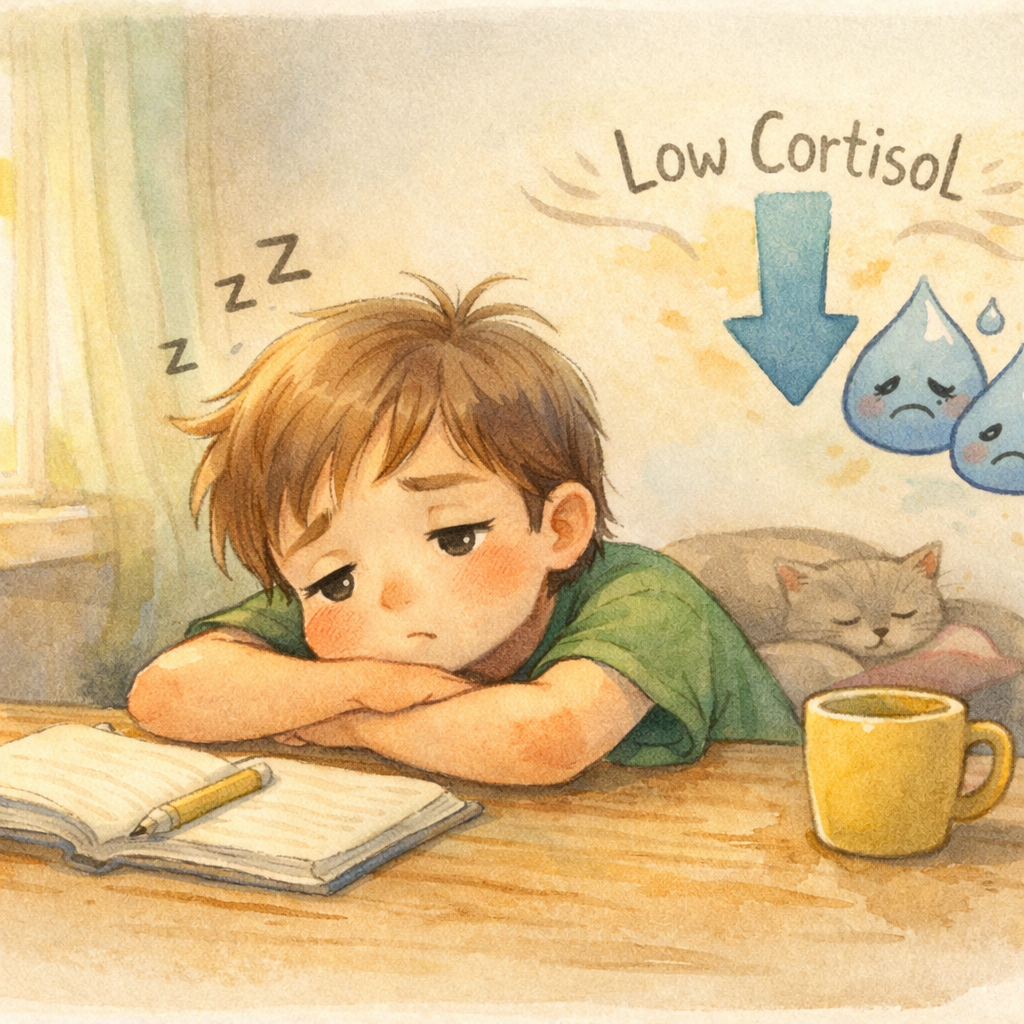
As parents, we often hear about cortisol in the context of it being the "stress hormone." We usually worry about our children having too much of it, especially in the early morning when the adrenal glands, located on top of each kidney, are most active. But what happens when the opposite is true?
If you are wondering what low cortisol in children is, you are not alone. While less common than high stress levels, low cortisol in kids is a real medical condition that can significantly impact a child's energy, mood, and overall growth over a long time.
In this comprehensive guide, we will explore how this essential hormone functions, outline the warning signs of cortisol deficiency and too much cortisol in children, including low cortisol levels, and offer reassuring, practical guidance on how to support your child’s health.
What is Low Cortisol in Children?
To understand low cortisol, we first need to look at what the amount of cortisol does when it is functioning normally. Produced by the adrenal glands (two small glands sitting on top of the kidneys), a blood sample of cortisol can indicate its level in the body. Cortisol is a superstar hormone. It regulates metabolism, reduces inflammation, manages the sleep-wake cycle, and controls blood sugar levels. Most importantly, it helps the body respond to physical and emotional stress.
When a child has low cortisol, their body struggles to perform these essential daily functions. They have a harder time turning food into energy, fighting off infections, and handling everyday stressors or stressful events. Without enough of this hormone, minor illnesses or daily frustrations can feel physically and chemically overwhelming to a child's system.
Common Symptoms of Low Cortisol in Kids
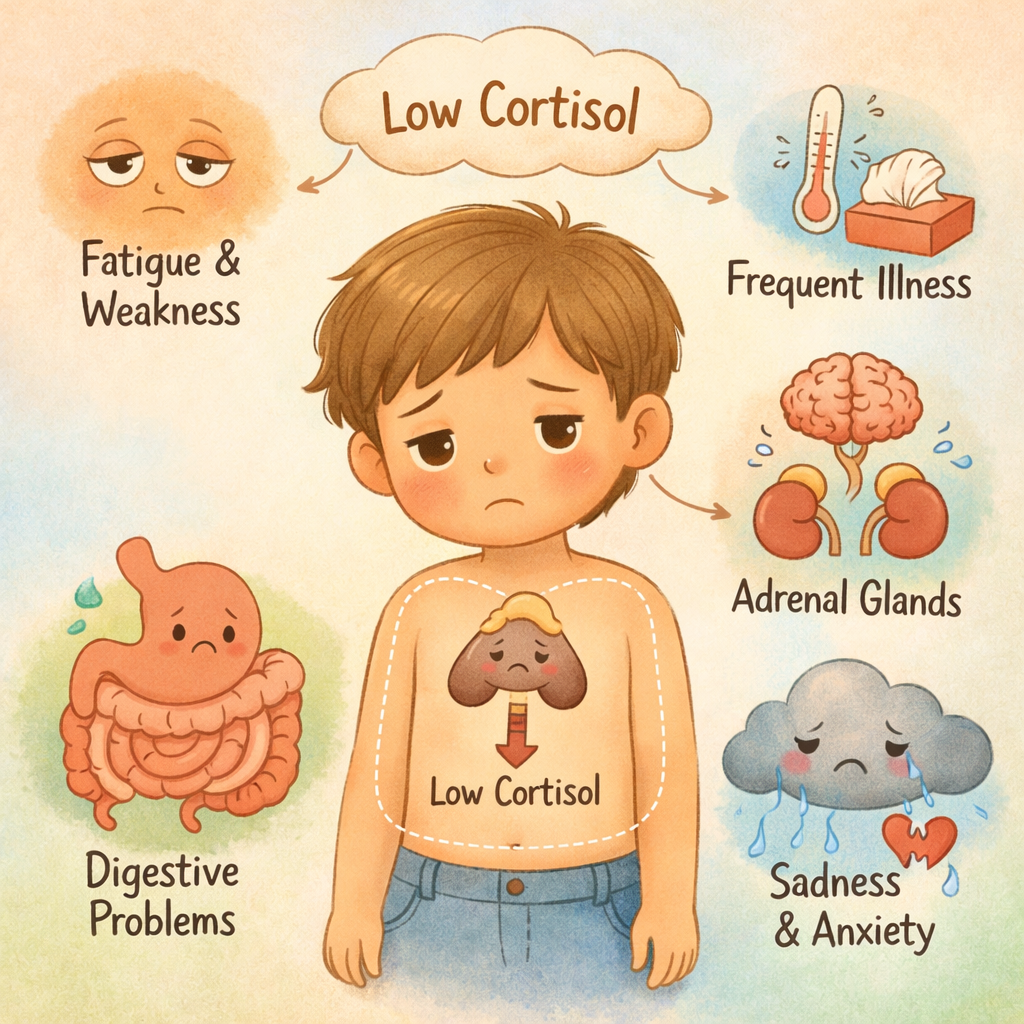
Because cortisol affects so many systems in the body, the signs of a deficiency can be broad and sometimes easily confused with other childhood illnesses, according to the National Institute of Diabetes. The most common symptoms of low cortisol levels in kids include:
- Chronic Fatigue: Your child may seem constantly exhausted, even after getting high cortisol levels, despite getting a full night's sleep.
- Muscle Weakness: They might complain of heavy, aching muscles or struggle with physical activities they used to enjoy.
- Low Blood Sugar (Hypoglycemia): Because cortisol regulates glucose, a deficiency in cortisol production can lead to sudden drops in blood sugar, causing shakiness, dizziness, or intense cravings for sweets. Additionally, conditions such as Cushing’s syndrome can influence cortisol levels and blood sugar regulation.
- Irritability and Mood Changes: A lack of cortisol makes it incredibly difficult for the brain to regulate emotions, leading to poor stress tolerance, anxiety, and frequent emotional outbursts.
- Digestive Issues: Unexplained stomach aches, nausea, vomiting, or a sudden loss of appetite and weight loss.
- Dizziness: They may feel faint or dizzy when standing up quickly due to low blood pressure.
What Causes Cortisol Deficiency in Children?
So, why does this happen? The causes of low cortisol usually fall into a few medical categories, often broadly referred to as adrenal insufficiency in kids:
- Primary Adrenal Insufficiency (Addison’s Disease): This occurs when the adrenal glands themselves are damaged, usually by an autoimmune response, and cannot produce enough cortisol.
- Congenital Adrenal Hyperplasia (CAH): A genetic disorder where children are born lacking the specific enzymes needed to produce cortisol.
- Secondary Adrenal Insufficiency: This happens when the pituitary gland in the brain fails to send the signal (ACTH) telling the adrenal glands to make cortisol, which can be related to conditions like tertiary adrenal insufficiency that affect hormone regulation.
- Medication Withdrawal: One of the most common temporary causes is the abrupt stopping of corticosteroid medications (used for severe asthma or autoimmune conditions). These medications must always be tapered off slowly under a doctor's supervision.
Diagnosis: When to Seek Medical Advice
If you consistently notice the symptoms mentioned above—especially unexplained fatigue coupled with stomach issues or fainting—it is time to seek medical advice. Do not wait for symptoms to worsen.
Your pediatrician will likely start with a physical exam and a review of your child's medical history. If they suspect a hormone imbalance, they will order specific blood tests (such as a morning cortisol test or an ACTH stimulation test) to safely and accurately measure how well your child’s adrenal glands are working.
Treatment Options and Lifestyle Support
Hearing that your child has a hormone deficiency can be scary, but the good news is that low cortisol in kids is highly treatable.
Medical Treatment
If your child is officially diagnosed with adrenal insufficiency, a pediatric endocrinologist will prescribe hormone replacement therapy, especially before the diagnosis of adrenal insufficiency. This usually involves taking a daily oral medication (like hydrocortisone) to replace the cortisol the body isn't making, particularly considering that an autoimmune disease can be a contributing factor to this condition. During times of physical stress, like a fever or an injury, this dosage will need to be temporarily increased.
Daily Lifestyle Support
In addition to following your doctor's medical plan, you can support your child's hormonal balance at home through healthy routines:
- Frequent, Balanced Meals: To combat low blood sugar, provide regular meals and snacks that combine complex carbohydrates, healthy fats, and protein.
- Prioritize Sleep: Ensure your child follows a strict, calming bedtime routine. Adequate sleep is essential for whatever natural hormone production their body can muster.
- Stress Management: Teach your child gentle coping mechanisms, like deep belly breathing or mindfulness, to help keep unnecessary emotional stress at bay.
Take Action for Your Child's Health Today
Trust your parental intuition. If you are noticing persistent fatigue, unexplained mood shifts, or frequent complaints of feeling unwell, do not brush it off as a simple phase. Understand that the most common cause of these symptoms may be underlying health issues, which may require tests such as a dexamethasone suppression test. Consult your pediatrician today to discuss your child's symptoms and get the peace of mind you deserve.
In the meantime, start implementing healthy routines—like balanced snacking and consistent sleep schedules—to support your child’s energy and hormonal balance!
Reach out for a consultation or call daar at 02 9133 2500 for expert guidance tailored to your child’s needs.
Frequently Asked Questions (FAQs)
What are the signs of low cortisol in children?
The most common signs include chronic, unexplained fatigue, muscle weakness, low blood sugar (causing shakiness or dizziness), nausea, stomach aches, and high irritability or poor tolerance to everyday stress.
Is low cortisol dangerous for kids?
If left undiagnosed and untreated, severe low cortisol (especially adrenal insufficiency in kids) can lead to symptoms such as abdominal pain and can be dangerous. During a severe illness or injury, the body can enter an "adrenal crisis," leading to dangerously low levels of cortisol, blood pressure, and blood sugar. However, with proper medical diagnosis and daily treatment, children with low cortisol live completely normal, healthy, and active lives.
How is low cortisol treated in children?
It is primarily treated under the guidance of a pediatric endocrinologist and healthcare provider with daily hormone replacement medications, such as oral hydrocortisone, to support the production of cortisol. Doctors also teach parents how to adjust these medications when the child is sick to help the body manage physical stress.
.svg)




.svg)