
.png?width=48&height=48&name=Group%201%20(3).png)























16 February, 2026

Bringing Calm Home: The Power of Telehealth Behavioural Therapy
For many parents, the journey to therapy is almost as exhausting as the challenges that necessitate it. There is the rush to leave work early, the battle to get a reluctant child into the car, the traffic, the waiting room anxiety, and the long drive home. By the time you walk through your front door, everyone is drained.
But what if the expert support you need could come to you?
In recent years, telehealth behavioural therapy has transformed from a "backup option" into a preferred method of care for thousands of families. It breaks down geographical barriers, saves precious time, and—most importantly—allows therapy to happen in the place where it matters most: your home.
Whether you are managing ADHD, Autism, anxiety, or general emotional regulation struggles, understanding how behaviour therapy works online can open up a world of possibilities.
In this guide, we will demystify the process, explore the unique benefits of online behavioural therapy, and show you how to set your child up for success without ever leaving your living room.
What is Telehealth Behavioural Therapy?
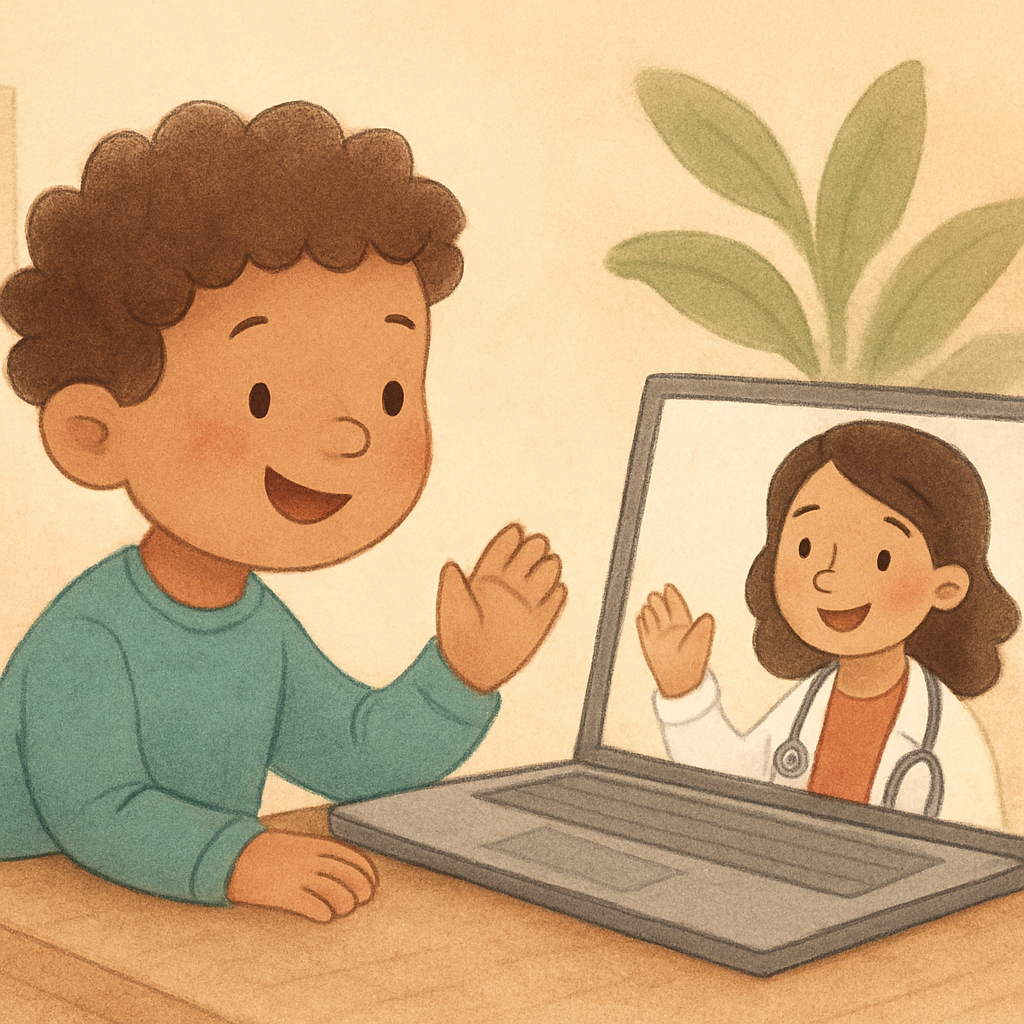
Telehealth behavioural therapy is simply the delivery of professional therapy services via video conferencing technology (like Zoom or Microsoft Teams). It connects you and your child with a qualified practitioner—such as a Psychologist, Behaviour Support Practitioner, or Occupational Therapist—in real-time.
While the medium is different, the goals remain the same as traditional in-person behaviour therapy:
- Identify Triggers: Understanding what causes challenging behaviours.
- Build Skills: Teaching the child new ways to cope, communicate, and regulate emotions.
- Empower Parents: Giving families the strategies to manage daily life with confidence.
How Does It Actually Work?
A common misconception is that telehealth involves expecting a 4-year-old to sit still in front of a laptop for an hour. If that sounds impossible, don't worry—that is rarely how it works!
Effective behavioural therapy via telehealth usually takes one of two forms, depending on the child's age and needs:
1. Direct Therapy (For Older Children & Teens)
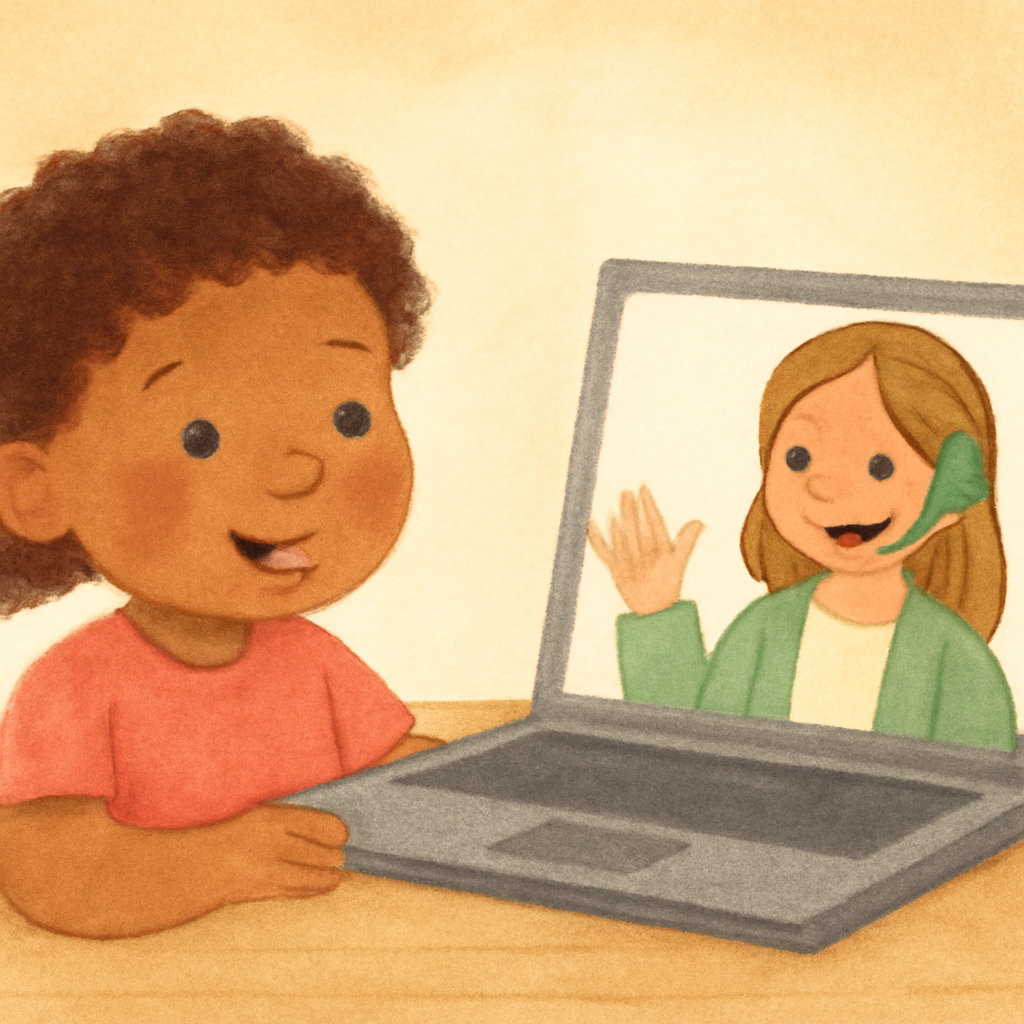
For school-aged children and teenagers, sessions often look like a traditional therapy appointment. They might talk through their week, use digital whiteboards to map out emotions, play interactive online games that teach social skills, or practice mindfulness techniques together on screen.
2. Parent Coaching (For Toddlers & Young Children)
For younger children, the "client" is often the parent. The therapist observes your child playing in their natural environment via the camera and coaches you in real-time.
- The Therapist might say: "See how he’s getting frustrated with that block tower? Try using the 'waiting hand' signal we practiced."
- The Result: You learn to be the therapist. You gain the confidence to handle meltdowns and teach skills in the moment, rather than relying on a professional to do it once a week.
The Unique Benefits of Online Support
While convenience is a major factor, telehealth behavioural therapy offers clinical advantages that a clinic simply cannot match.
The "Natural Environment" Advantage
In a clinic, children often behave differently. They might be on their "best behaviour" because it is a new, structured place. At home, however, the real challenges emerge.
By seeing into your home, a therapist can see the actual triggers. They can see the layout of the living room, the distraction of the TV, or the dynamic between siblings. This allows them to tailor behaviour therapy strategies that work for your specific household, not just a theoretical one.
Consistency is Key
Missed appointments are the enemy of progress. Illness, car trouble, or bad weather often lead to cancellations for in-person visits. With telehealth, consistency is much easier to maintain. Even if a child has a mild cold or the car won't start, the session can go ahead, ensuring momentum isn't lost.
Access to Specialists
If you live in a rural or regional area, your choice of local therapists might be limited. Telehealth behavioural therapy erases borders. You can access a specialist in Autism or anxiety who lives three hours away, ensuring your child gets the best possible care regardless of your postcode.
Setting Up for Success
To get the most out of your online behavioural therapy sessions, a little preparation goes a long way.
- The Tech Check: Ensure you have a stable internet connection and a device with a working camera and microphone. A laptop or tablet is usually better than a phone as the screen is larger.
- The Environment: Try to find a quiet space with minimal distractions. If possible, turn off the TV and put pets in another room.
- The Toolkit: Have your child’s favourite toys, paper, and pencils nearby. If the therapist has sent any worksheets or visual aids, have them printed and ready.
- The Mindset: Treat it like a real appointment. Give yourself 10 minutes before the session to transition your child from their previous activity so they are ready to engage.
Conclusion
We live in a digital world, and healthcare is evolving to keep up. Telehealth behavioural therapy is not just a convenience; it is a powerful tool for empowerment.
By bringing the therapist into your living room, you are bridging the gap between the clinic and the real world. You are learning to manage behaviour therapy strategies in the very place where life happens—among the toys, the tantrums, and the triumphs of daily family life.
Whether you are looking to save time, access a specialist, or simply learn how to support your child better, online behavioural therapy offers a flexible, effective path forward.
Don't let distance or a busy schedule stand in the way of your child’s progress. Our experienced team offers comprehensive telehealth behavioural therapy services tailored to your family’s needs.
Contact Us Today to book your online consultation or call daar at 02 9133 2500 and start your journey to a calmer, happier home.
FAQ: Common Questions for Parents
Is telehealth as effective as in-person behaviour therapy?
Yes. Numerous studies have shown that for many conditions, including anxiety and behavioural disorders, telehealth delivers outcomes comparable to face-to-face therapy. The key factor is the relationship between the family and the therapist, which can be built just as effectively online.
My child has a short attention span. Will this work?
Absolutely. Experienced telehealth therapists are masters of engagement. They use interactive games, screen sharing, and movement breaks to keep kids interested. For very young children with short attention spans, the focus shifts to parent coaching, which is highly effective.
Can we do a mix of online and in-person?
Many clinics offer a "hybrid" model. You might do the initial assessment in person to build rapport, and then switch to telehealth behavioural therapy for weekly check-ins. Ask your provider if this is an option.
.svg)




.svg)