
.png?width=48&height=48&name=Group%201%20(3).png)























5 March, 2026

Improve Gut Health Naturally for Better Mental Wellness
Key Highlights
- Your gut and brain are in constant communication through the gut-brain connection, influencing your mood and mental wellness.
- A healthy gut microbiome is essential as about 90% of your body's serotonin, a key mood-regulating chemical, is produced in the gut.
- An imbalance in gut bacteria can contribute to mood disorders, anxiety, and symptoms of depression.
- You can improve your gut health by eating a diet rich in fiber, probiotics, and prebiotics.
- Lifestyle changes like managing stress, regular physical activity, and getting enough sleep also support a healthy gut.
- Probiotics and prebiotics play a vital role in balancing your gut microbiome for better emotional stability.
Introduction
Have you ever noticed feeling out of sorts mentally when your digestion is off? It's not just a coincidence. The connection between your gut health and mental wellness is gaining attention, and for good reason. The trillions of microorganisms in your digestive system, known as the gut microbiome, play a surprisingly important role in your mental health. This intricate link means that taking care of your gut could be a key step toward improving your mood, reducing stress, and enhancing your overall psychological well-being.
Understanding the Gut-Brain Connection
The gut-brain connection is a complex, two-way network linking your digestive system and central nervous system. They constantly communicate, influencing digestion, emotions, and more through nerves and hormones.
The vagus nerve plays a key role as a direct information highway between the gut and brain. Signals travel both ways, so your gut bacteria can directly affect your mood and stress levels.
How Gut Health Impacts Mental Wellness
Gut health profoundly impacts mental wellness. Most neurotransmitters like serotonin are produced in the gut, so an imbalance in gut bacteria can disrupt their production, leading to mood issues such as depression and anxiety.
An unhealthy gut also triggers chronic inflammation, which affects the brain and the gut-brain axis. This inflammation is linked to mood disorders and cognitive decline, highlighting the importance of gut health for your mind.
Supporting a balanced gut benefits both your digestive and mental health. Paying attention to your diet and lifestyle is essential for overall well-being.
Scientific Evidence Linking Gut Bacteria and Brain Health
The link between gut bacteria and brain health isn't just a theory; it's backed by growing scientific evidence. Clinical trials are increasingly exploring how the gut microbiome influences mental health disorders. For instance, studies have shown that individuals with a less diverse gut microbiome may have a higher risk of developing psychiatric disorders like major depressive disorder.
Researchers are finding that interventions aimed at improving gut health, such as using probiotics, can lead to a reduction in depressive symptoms. This suggests that by modifying the gut microbiota, we might be able to positively influence brain function and mental health. This area of research is transforming our understanding of mental health care.
Here’s a quick look at how the gut-brain axis works:
|
Pathway |
How It Connects Gut and Brain |
|---|---|
|
The Vagus Nerve |
Acts as a direct communication line, sending signals in both directions. |
|
Neurotransmitters |
Gut bacteria help produce serotonin and other mood-regulating chemicals. |
|
Immune System |
An imbalanced gut can trigger inflammation that affects the brain. |
|
Hormonal Signals |
Stress hormones can alter gut function, and gut health can affect stress response. |
The Role of the Gut Microbiome in Mental Well-Being
Your gut microbiome, the community of microorganisms in your digestive system, plays a crucial role in your mental well-being. These microbes are not just passive residents; they actively influence your mood, stress responses, and even cognitive abilities. A balanced and diverse gut microbiota is essential for emotional regulation.
When this delicate ecosystem is thrown off balance, a condition known as dysbiosis, it can contribute to mental health conditions. Understanding what the gut microbiome is and how it influences your brain is the first step toward harnessing its power for better mental health. Let's explore this "second brain" and its impact on your emotions.
What Is the Gut Microbiome?
What is the gut microbiome? It’s a complex community of trillions of microorganisms—bacteria, viruses, and fungi—living in your digestive tract. These microbes are essential for digestion, nutrient absorption, and immune regulation.
A diverse gut microbiome is key to good health. Beneficial bacteria produce short-chain fatty acids that support brain health and reduce inflammation. Maintaining this diversity supports overall well-being.
When harmful bacteria outnumber the good, it can disrupt digestion and even affect your mental health. That’s why caring for your gut microbiome is important for both mind and body.
The Microbiome’s Influence on Mood, Anxiety, and Depression
The gut microbiota plays a major role in mood and emotional health. Gut bacteria help produce and regulate neurotransmitters—about 90% of your body’s serotonin is made in the gut, influenced by these bacteria.
Imbalances in gut bacteria can disrupt this process, contributing to anxiety, depression, and chronic inflammation linked to mental health issues. A healthy gut also helps regulate cortisol, the stress hormone.
Gut health affects cognitive function as well; an unhealthy microbiome may cause brain fog and trouble concentrating. Supporting your gut supports your brain, promoting emotional stability and a more positive outlook.
Natural Ways to Improve Gut Health for Mental Wellness
Ready to take control of your well-being? Improving your gut health naturally is a powerful way to support your mental wellness. Simple changes to your diet and lifestyle can help you cultivate a healthy gut microbiome. Focusing on foods rich in dietary fiber and incorporating regular physical activity are excellent starting points.
These natural strategies don't just benefit your digestive system; they also promote emotional stability and overall health. By nurturing your gut, you're taking a holistic approach to feeling your best, both mentally and physically. Let's look at some specific foods and habits that can make a difference.
Top Foods in Australia for a Healthy Gut-Brain Connection
Eating the right foods is key to a healthy gut-brain connection. A varied diet promotes a diverse microbiome, supporting both physical and mental health. Simple changes can make a big impact.
Choose whole, unprocessed foods to nourish beneficial gut bacteria. Limit processed foods, sugar, and unhealthy fats, which disrupt gut balance. Try adding these gut-friendly options:
- Fermented Foods: Yogurt, kefir, sauerkraut—rich in probiotics for gut health.
- High-Fiber Foods: Whole grains, fruits, vegetables, beans, and nuts feed good bacteria.
- Omega-3 Rich Foods: Salmon and flaxseeds help reduce inflammation.
Food is best, but you may consider probiotic supplements after consulting a healthcare professional.
Lifestyle Habits That Support Gut and Mental Health
Beyond what you eat, your daily habits play a huge role in the health of your gut and mind. Simple lifestyle adjustments can improve your digestive health, lower stress levels, and enhance your overall quality of life. Regular physical activity, for example, has a profound impact on your gut microorganisms.
Managing stress is another key component. Chronic stress can negatively affect your gut and create a vicious cycle. Finding effective ways to relax and unwind can protect both your gut and your mental state. Quality sleep is also non-negotiable for a healthy gut-brain axis.
Here are a few habits to build into your routine:
- Get Moving: Aim for moderate exercise, like brisk walking or cycling, for at least 150 minutes a week to promote beneficial gut bacteria.
- Manage Stress: Try mindfulness, yoga, or deep-breathing exercises to reduce the negative effects of stress on your gut.
- Prioritize Sleep: Strive for 7-9 hours of quality sleep per night to maintain a balanced microbiome and a positive mood.
- Stay Hydrated: Drinking plenty of water is crucial for a healthy digestive tract and gut lining.
Probiotics, Prebiotics, and Supplements for the Gut-Brain Connection
Probiotics and prebiotics are powerful tools for supporting the gut-brain connection. Probiotics are live bacteria that add to the population of good microbes in your gut, while prebiotics are a type of dietary fiber that feeds these beneficial bacteria. Together, they help create a balanced and thriving gut environment.
Incorporating these into your routine can improve digestive health and support your mental well-being. While they are naturally found in many foods, supplements can also offer a concentrated dose. Let's explore how probiotics and prebiotics specifically benefit your mental health.
Understanding Probiotics and Their Mental Health Benefits
Probiotics are beneficial bacteria found in fermented foods like yogurt and kefir, or as supplements. They help balance your gut microbiome, which is important for mental health.
An imbalanced gut—called dysbiosis—can impact brain function and contribute to mood issues. Probiotics restore good bacteria, reduce inflammation, and support the production of mood-regulating neurotransmitters, helping manage anxiety and depression.
Some studies show certain probiotic strains may reduce stress and improve mood. By supporting gut health, probiotics play a key role in the connection between your gut and brain, benefiting mental wellness.
Including Prebiotics in Your Diet for Emotional Balance
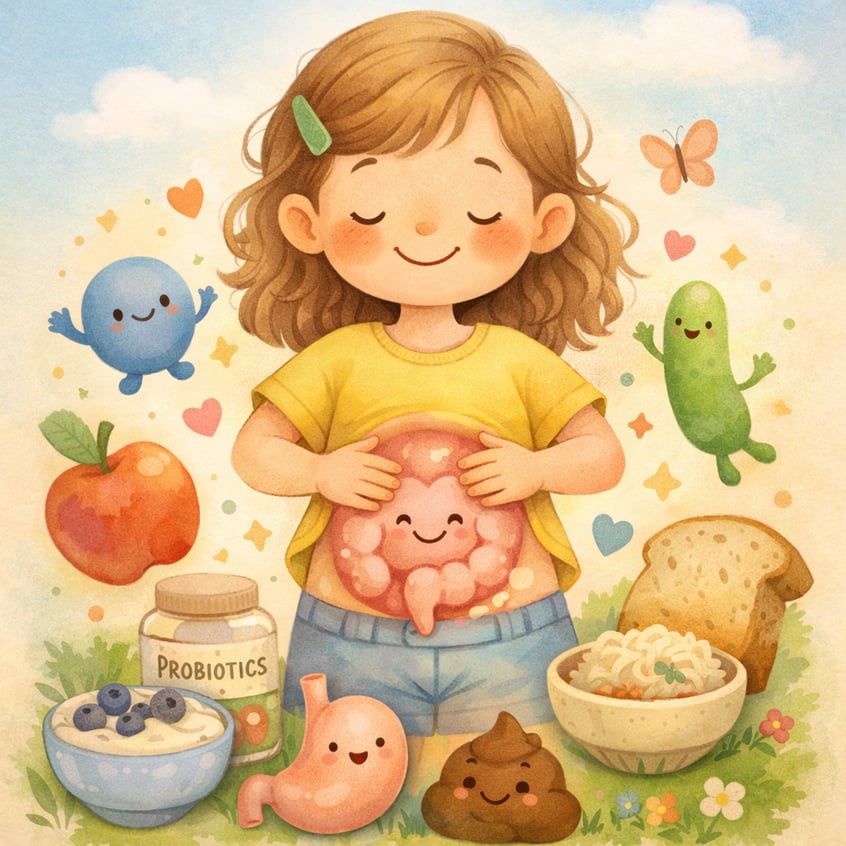
Prebiotics are dietary fibers found in foods like garlic, onions, leeks, asparagus, and bananas. They feed beneficial gut bacteria, creating a healthy environment that supports brain health and reduces inflammation. This can help regulate mood and lower stress.
Including prebiotic-rich foods in your diet is an easy, natural way to support the gut-brain axis and promote emotional balance and mental wellness.
Conclusion
In conclusion, improving gut health is not just about physical wellness; it plays a crucial role in mental well-being as well. By understanding the gut-brain connection and making simple dietary and lifestyle changes, you can foster a healthier microbiome that positively impacts your mood and overall mental health. Incorporating foods rich in probiotics and prebiotics, along with mindful habits, will help create a balanced environment for both your gut and mind. Remember, taking care of your gut is a vital step toward nurturing your mental wellness.
For expert guidance and personalized recommendations, consider booking a consultation or call daar at 02 9133 2500 with us today!
Frequently Asked Questions
Can changes in gut health really influence anxiety or depression?
Yes, absolutely. The gut microbiome plays a crucial role in producing mood-regulating neurotransmitters. An imbalance can contribute to mood disorders like anxiety and depression. Chronic stress can also worsen gut health, creating a cycle that negatively impacts your mental state, making symptoms more severe.
Are there warning signs that my mental health symptoms could be gut-related?
Yes. If you experience symptoms of depression or anxiety alongside digestive issues like bloating, constipation, or irritable bowel syndrome, it could be a sign. Other clues include persistent brain fog, fatigue, and heightened stress levels that seem connected to your digestive comfort, suggesting a link to your gut health.
What are the simplest steps for Australians to naturally improve gut health?
Focus on eating a diverse diet rich in dietary fiber from whole grains, fruits, and vegetables. Incorporate fermented foods or consider probiotic supplements. Regular physical activity and managing stress are also simple yet powerful ways to cultivate a healthy gut and improve your overall well-being.
.svg)




.svg)